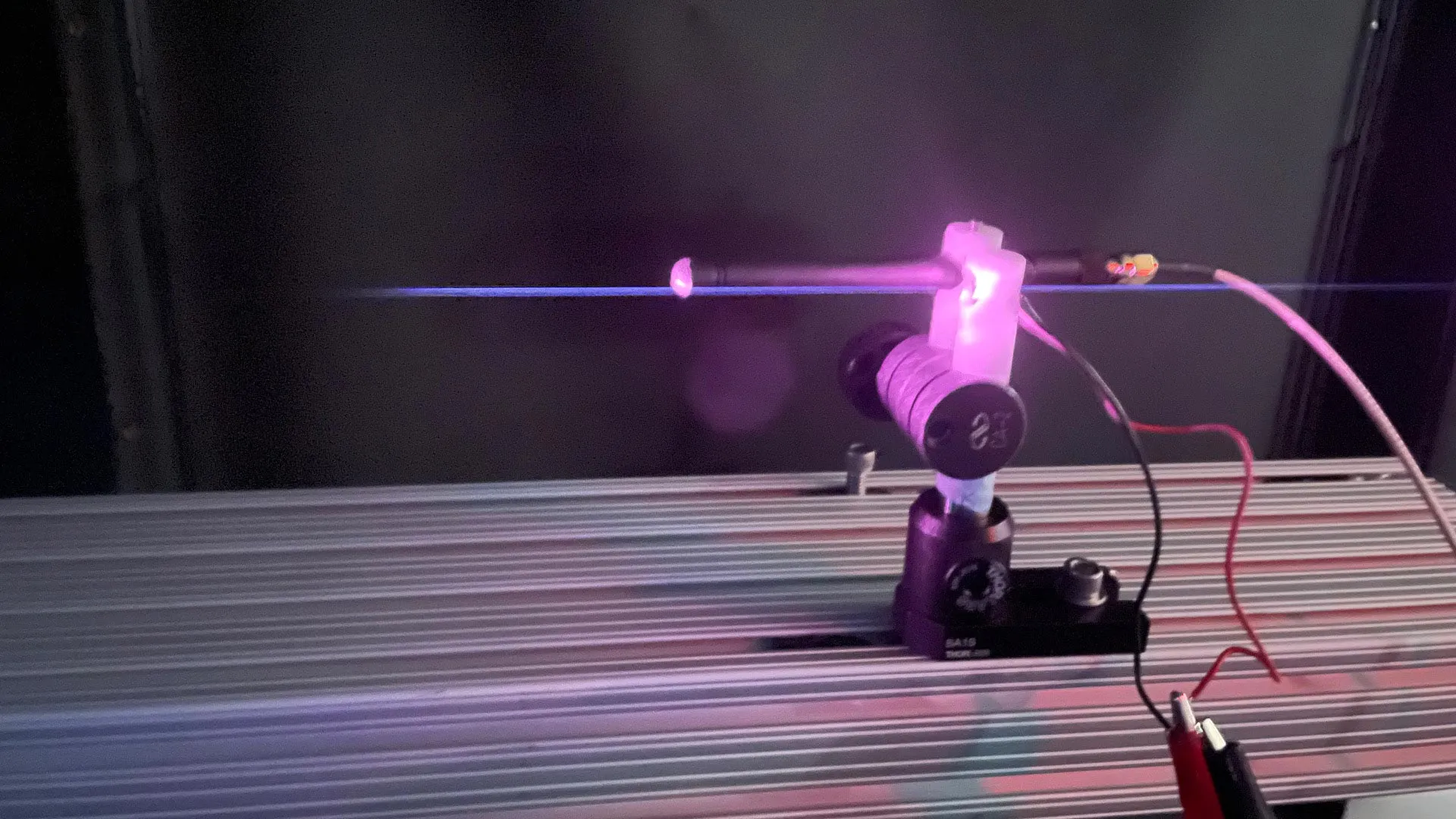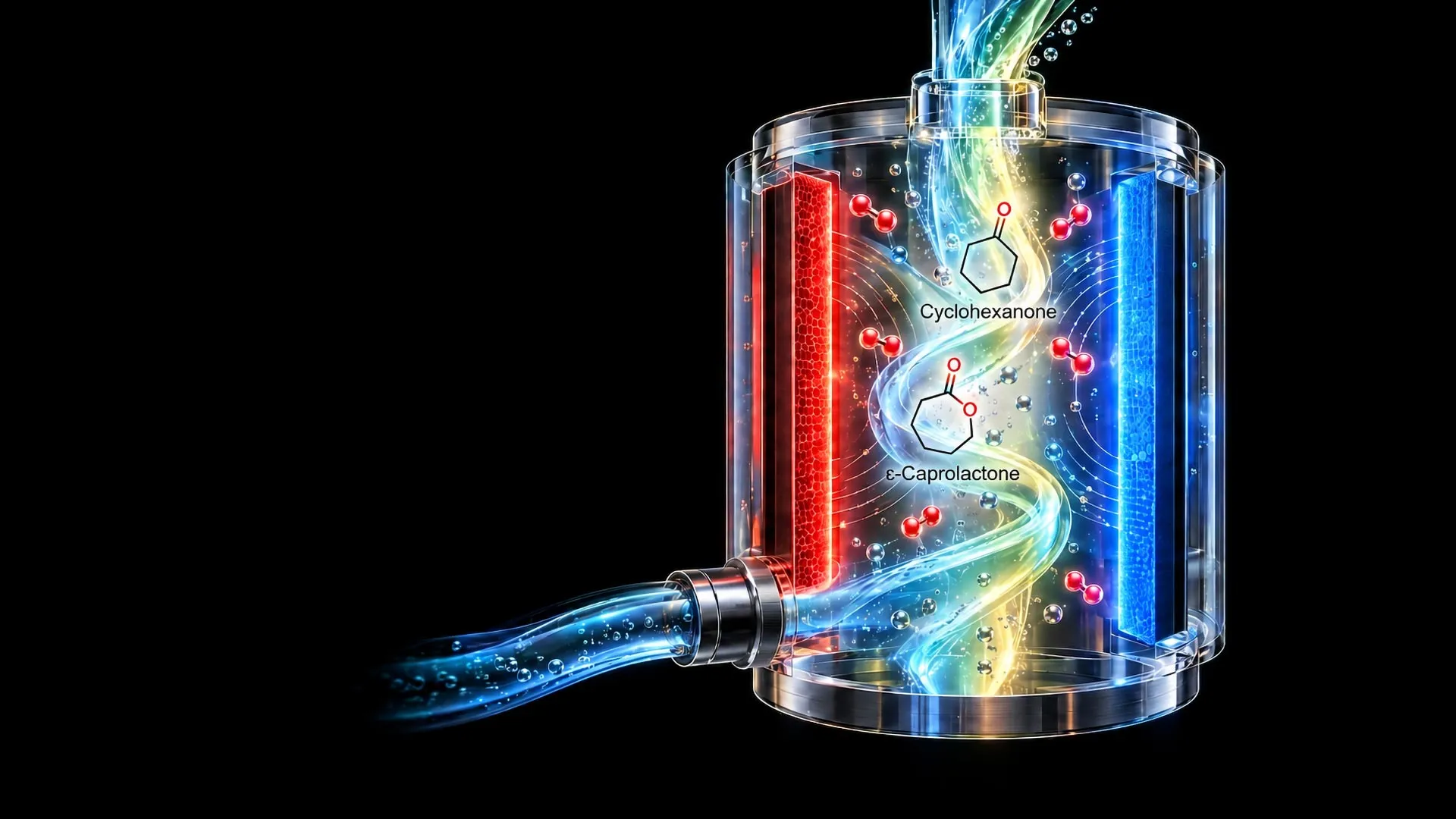
A pioneering research team at the University of Adelaide has unveiled a transformative method to simultaneously address the burgeoning global plastic waste crisis and the escalating demand for clean energy. By leveraging the power of sunlight through a process known as solar-driven photoreforming, scientists are successfully converting discarded polymers into high-value commodities, including green hydrogen, syngas, and essential industrial chemicals. This breakthrough, detailed in a recent study published in the prestigious journal Chem Catalysis, represents a significant milestone in the development of a circular economy, where waste is no longer an environmental liability but a critical feedstock for the energy sector.
The Dual Crisis: Plastic Proliferation and the Energy Transition
The urgency of this research is underscored by staggering environmental statistics. According to the Organization for Economic Co-operation and Development (OECD), global plastic production has more than doubled since the turn of the century, reaching approximately 460 million tonnes annually. Of this massive volume, less than 10% is successfully recycled, while the remainder is relegated to landfills, incinerators, or leaks into the environment, where it can persist for centuries. The United Nations Environment Programme (UNEP) warns that without a radical shift in management strategies, the amount of plastic waste entering aquatic ecosystems could nearly triple by 2040.
Simultaneously, the global community is under immense pressure to decarbonize the energy sector to meet the goals of the Paris Agreement. As nations strive to limit global warming to 1.5°C above pre-industrial levels, the search for "green" hydrogen—produced without fossil fuels—has become a top priority. Hydrogen is widely regarded as a versatile energy carrier capable of decarbonizing heavy industries, such as steel and shipping, which are difficult to electrify. The Adelaide University study positions plastic waste as a strategic, carbon-rich resource that could bridge the gap between waste management and renewable energy production.
The Science of Solar-Driven Photoreforming
At the heart of this innovation is solar-driven photoreforming, a process that utilizes light-sensitive materials, or photocatalysts, to trigger chemical reactions. Unlike traditional plastic recycling, which often involves energy-intensive mechanical melting or high-temperature pyrolysis, photoreforming operates at ambient temperatures and utilizes the sun as its primary energy source.
When sunlight hits the photocatalyst, it generates electron-hole pairs that facilitate the breakdown of the long-chain polymers found in plastics. In an aqueous environment, these reactions can strip hydrogen atoms from the plastic molecules to produce pure hydrogen gas. Concurrently, the carbon backbone of the plastic is oxidized into valuable byproducts.
"Plastic is often seen as a major environmental problem, but it also represents a significant opportunity," stated Xiao Lu, a PhD candidate at the University of Adelaide’s School of Chemical Engineering and lead author of the study. "If we can efficiently convert waste plastics into clean fuels using sunlight, we can address pollution and energy challenges at the same time."
One of the most compelling aspects of this technology is its energy efficiency compared to conventional water splitting. In standard electrolysis, water is split into hydrogen and oxygen, a process that requires a high thermodynamic potential (1.23V). However, plastics are chemically easier to oxidize than water. By replacing the oxygen evolution reaction with plastic oxidation, the energy required for the overall process is significantly reduced, making the production of hydrogen more economically viable and environmentally sustainable.
Experimental Success and Chemical Outputs
The research team, overseen by senior author Professor Xiaoguang Duan, has reported robust results from their laboratory-scale experiments. The study successfully demonstrated that various types of common plastics could be transformed into a suite of useful products.
Key findings from the experiments include:
- Hydrogen Production: The system achieved high rates of hydrogen evolution, providing a zero-emission fuel source.
- Acetic Acid Generation: A significant byproduct of the process was acetic acid, a crucial chemical used in the production of textiles, plastics, and food preservatives.
- Diesel-Range Hydrocarbons: The researchers identified the formation of complex hydrocarbons that could potentially be refined into liquid fuels for the transport sector.
- Syngas: The production of synthetic gas (a mixture of hydrogen and carbon monoxide) offers a versatile precursor for the synthesis of various industrial chemicals and fuels.
Furthermore, the stability of the system was tested over extended periods. Some experimental setups ran continuously for more than 100 hours without significant degradation in performance, a critical indicator for the eventual industrial scalability of the technology.
Navigating the Hurdles: Impurities and Catalyst Durability
Despite the promising laboratory results, the transition from a controlled environment to real-world application is fraught with engineering and chemical challenges. Professor Duan emphasized that the "complexity of plastic waste itself" remains a primary obstacle.
In a laboratory setting, researchers often work with pure polymers. In reality, municipal plastic waste is a "cocktail" of different materials, including Polyethylene (PE), Polypropylene (PP), and Polyethylene Terephthalate (PET). Each of these polymers has a different chemical structure and requires specific conditions for optimal conversion. Moreover, commercial plastics are rarely "pure"; they contain a variety of additives, such as dyes, flame retardants, and UV stabilizers. These contaminants can "poison" the photocatalysts, reducing their efficiency or halting the reaction entirely.
"Efficient sorting and pre-treatment are therefore essential to maximize performance and product quality," Prof. Duan explained. The development of catalysts that are "impurity-tolerant" is currently a major focus of global research in this field.
Another technical bottleneck involves the durability of the photocatalysts. To be commercially viable, these materials must remain active for thousands of hours under harsh chemical conditions. Current catalysts often suffer from "photo-corrosion" or surface fouling, where reaction byproducts coat the catalyst and prevent light from reaching the active sites. The Adelaide team is exploring advanced materials, including nanostructured semiconductors and metal-organic frameworks, to enhance both the selectivity and the lifespan of the catalysts.
Economic Implications and the Circular Economy
The potential economic impact of solar-to-fuel technology is substantial. By turning a waste product with negative value (due to disposal costs) into high-demand fuels and chemicals, the technology could create new revenue streams for waste management companies and energy providers.
From a policy perspective, this research aligns with the "Circular Economy" framework being adopted by the European Union, China, and several Australian states. This model moves away from the traditional "take-make-dispose" linear economy toward a system where materials are kept in use for as long as possible.
Industry analysts suggest that if solar-driven photoreforming can be scaled, it could decentralize hydrogen production. Small-scale "solar-plastic refineries" could be established near waste processing centers or in remote communities, reducing the need for expensive hydrogen transport infrastructure. This would be particularly beneficial for island nations or coastal regions that struggle with both plastic pollution and high energy import costs.
A Roadmap for Industrial Scaling
The Adelaide University team has outlined a strategic roadmap to bring this technology to market over the next two decades. The immediate focus is on refining catalyst design to improve energy conversion efficiency. Current solar-to-hydrogen (STH) efficiencies for photoreforming are still in the early stages, and reaching the 10% threshold—often cited as the benchmark for commercial viability—will require significant innovation in reactor engineering.
Future research directions include:
- Continuous-Flow Reactors: Moving away from "batch" processing to continuous systems that can handle a steady stream of plastic waste.
- Hybrid Systems: Combining solar energy with thermal or electrical energy to accelerate the reaction rates during periods of low sunlight.
- Advanced Monitoring: Utilizing artificial intelligence and real-time sensors to adjust reactor conditions based on the composition of the incoming plastic waste.
- Product Separation: Developing energy-efficient membranes to separate the hydrogen gas from other liquid and gaseous byproducts.
"This is an exciting and rapidly evolving field," Ms. Lu said. "With continued innovation, we believe solar-powered plastic-to-fuel technologies could play a key role in building a sustainable, low-carbon future."
Global Context and Future Outlook
The work at the University of Adelaide does not exist in a vacuum. It is part of a global surge in "waste-to-X" technologies. Similar research is being conducted at institutions like the University of Cambridge and Nanyang Technological University in Singapore, reflecting a worldwide consensus that the plastic crisis requires radical chemical solutions rather than just improved logistics.
As the world looks toward 2050 net-zero targets, the integration of waste management and renewable energy production appears inevitable. The ability to harvest the sun’s energy to "un-make" the plastic pollution of the 20th century may prove to be one of the most vital scientific endeavors of the 21st. While the gap between the laboratory and the industrial plant remains wide, the successful 100-hour stability tests and the production of high-value fuels at Adelaide University provide a clear signal that the era of "plastic as a resource" is fast approaching.