

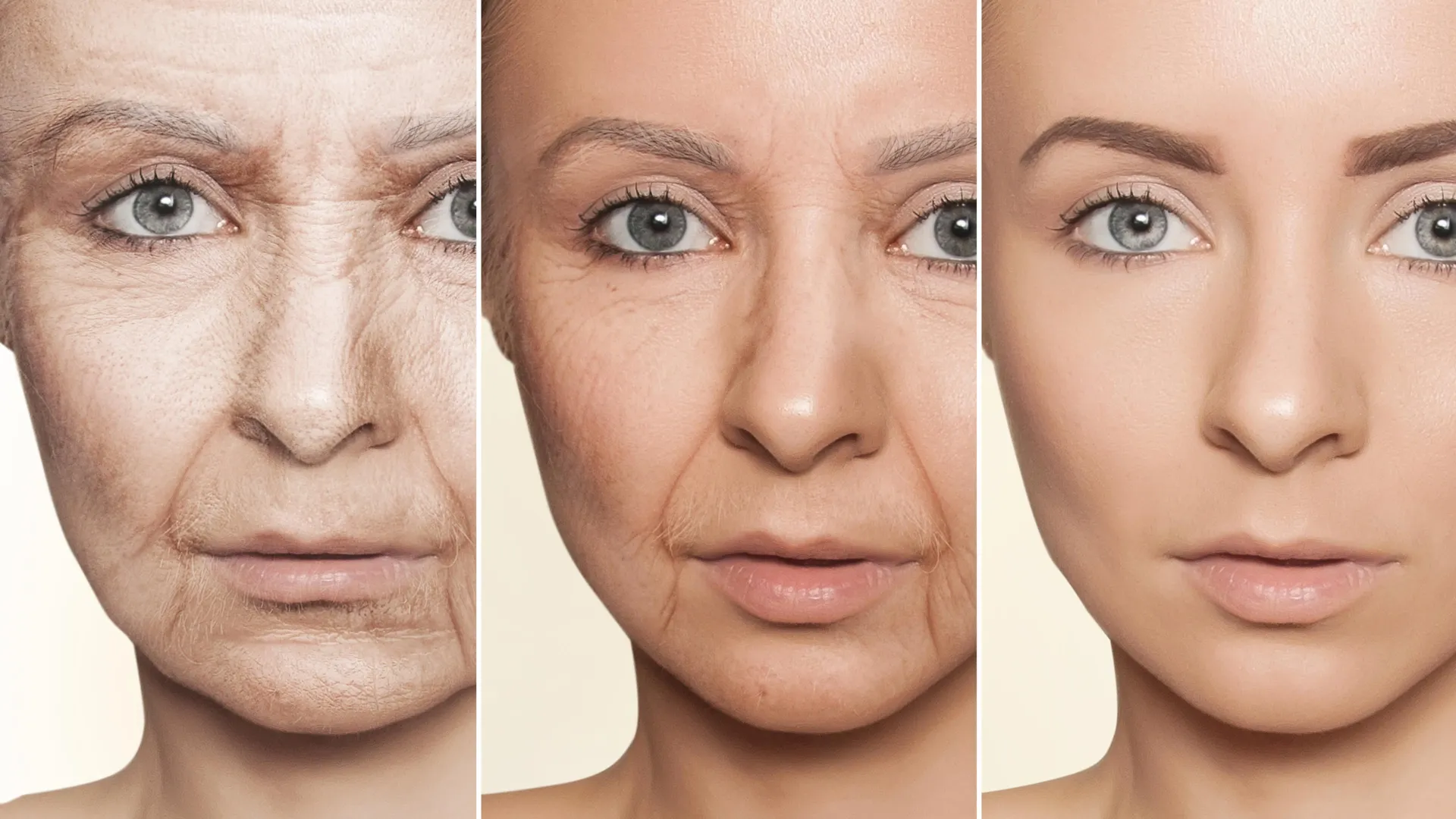
The biological mechanisms governing how and why the human body ages have long remained one of the most complex puzzles in modern medicine. However, a groundbreaking study published in the journal PLOS Biology suggests that the secret to longevity and cognitive preservation may reside within a specific protein located in the brain’s "central command center." Researchers have identified a protein known as Menin as a key regulator of the aging process. The study indicates that as levels of this protein decline in the hypothalamus, the body experiences an acceleration of age-related symptoms, including neuroinflammation, bone loss, and memory impairment. Conversely, the research demonstrates that restoring Menin levels or supplementing with the amino acid D-serine can reverse these markers, offering a potential new pathway for anti-aging interventions.
The Hypothalamus: The Body’s Aging Clock
For decades, the prevailing theory of aging was based on "wear and tear"—the idea that cells and tissues simply accumulate damage over time until they fail. While cellular damage is a factor, modern gerontology is increasingly focusing on the role of the hypothalamus in coordinating the rate at which we age. The hypothalamus is a small, almond-sized region located at the base of the brain. Despite its size, it performs a Herculean task, regulating nearly every vital function required for survival, including body temperature, hunger, sleep cycles, thirst, and the endocrine system.
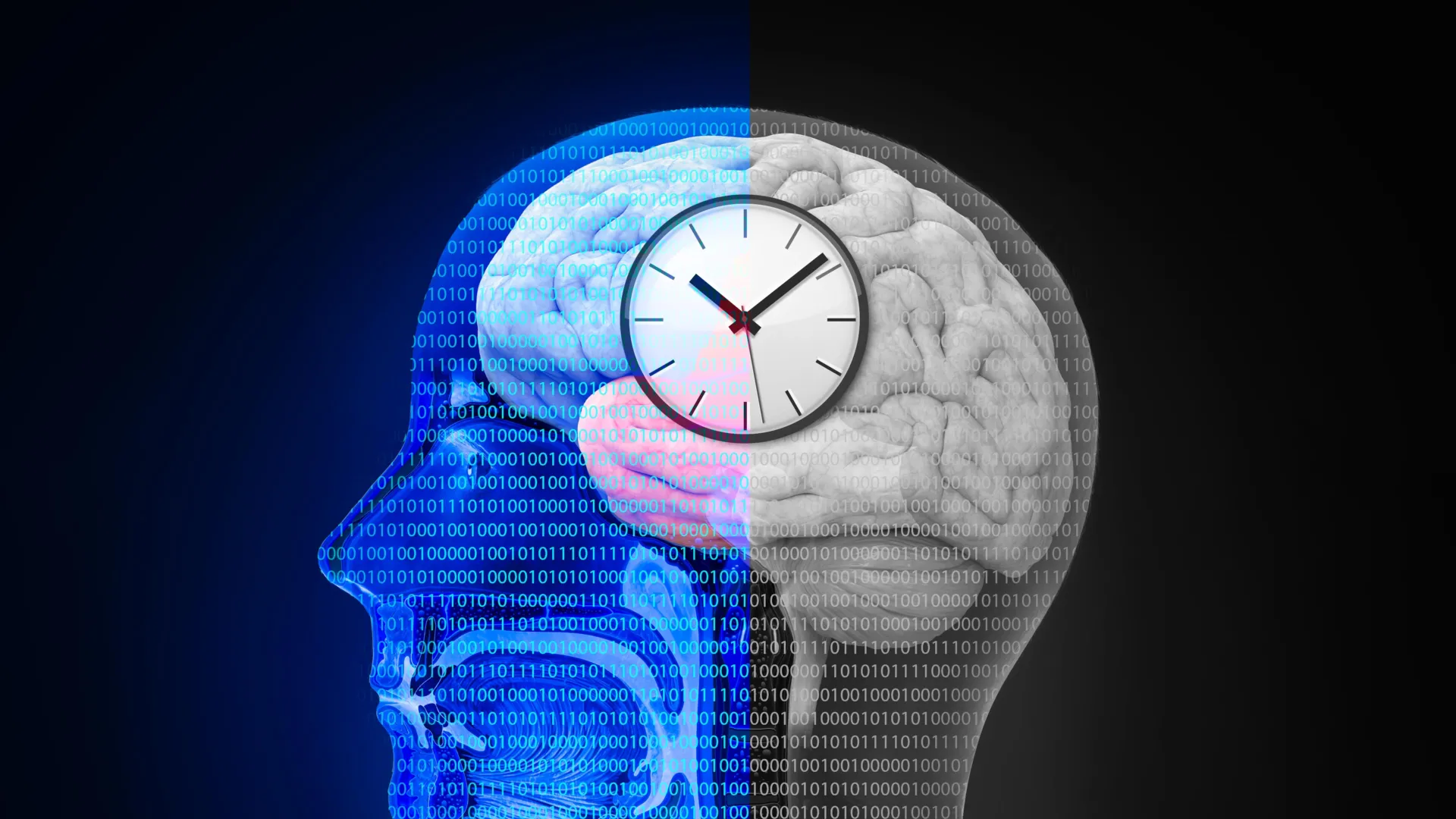
Recent evidence suggests that the hypothalamus also functions as a systemic "aging clock." By releasing specific signaling molecules and hormones, it communicates with distant organs to regulate metabolism and tissue repair. The discovery of Menin’s role within this region adds a significant layer to this understanding. The research, led by Lige Leng and a team of scientists at Xiamen University in China, posits that the decline of Menin is not merely a symptom of getting older, but a primary driver of the physiological decline associated with senescence.
The Menin Discovery: A Brake on Inflammation
Menin is a protein encoded by the MEN1 gene. While it has been previously studied for its role in suppressing tumors, its function in the central nervous system remained relatively obscure until now. The Xiamen University team focused on how Menin interacts with neuroinflammation, a chronic, low-grade inflammatory state in the brain that is a hallmark of aging and neurodegenerative diseases like Alzheimer’s.
In their observations of mouse models, the researchers found a direct correlation between chronological age and Menin concentration. As the mice reached middle and old age, Menin levels in the hypothalamus plummeted. This decline was particularly pronounced in the ventromedial hypothalamus (VMH), a sub-region known for its involvement in energy balance and metabolic regulation. Interestingly, the study noted that this decline was cell-specific; while neurons in the VMH lost Menin, surrounding support cells like astrocytes and microglia did not show the same drastic reduction. This suggested that the neurons themselves were losing a vital protective mechanism.
To test whether the loss of Menin was a cause or an effect of aging, the researchers utilized genetic engineering to prematurely reduce Menin levels in young mice. The results were immediate and systemic. These "accelerated aging" mice did not just show brain changes; they exhibited physical symptoms typically seen in the elderly, such as reduced bone mass (osteoporosis), thinning of the skin, and diminished motor coordination.
The D-Serine Connection and Cognitive Plasticity
One of the most significant breakthroughs in the study was the identification of the molecular bridge between Menin and cognitive function. The researchers discovered that Menin regulates the production of D-serine, a d-amino acid that acts as a potent neurotransmitter. D-serine is essential for the activation of NMDA receptors, which are the primary gatekeepers of synaptic plasticity—the brain’s ability to strengthen connections between neurons in response to new information.
When Menin levels drop, the enzyme responsible for synthesizing D-serine (serine racemase) is inhibited. This creates a "neurotransmitter drought" that prevents the brain from forming new memories or maintaining old ones. This finding is particularly relevant to human health, as D-serine is found naturally in protein-rich foods such as nuts, fish, and eggs, and is already available as a dietary supplement.
The study showed that by providing older mice with D-serine supplements, the researchers could effectively "jumpstart" their cognitive processes. In behavioral tests, such as navigating mazes and recognizing objects, the elderly mice treated with D-serine performed nearly as well as their younger counterparts. This suggests that while physical aging is a multifaceted process, cognitive decline might be specifically linked to this chemical deficiency in the hypothalamus.
Experimental Chronology: From Decline to Restoration
The research conducted at Xiamen University followed a rigorous three-phase chronological framework to validate the role of Menin in the aging process.
- Observation and Correlation: The team first mapped the natural decline of Menin across the lifespan of standard laboratory mice. They confirmed that the protein levels in the VMH began to drop significantly as the mice transitioned from young adulthood to middle age.
- Induced Depletion: By using RNA interference to "knock down" Menin expression in young mice, the team successfully induced a phenotype of premature aging. Within weeks, these mice showed signs of systemic frailty and memory loss, proving that Menin deficiency is a sufficient trigger for the aging cascade.
- Genetic Restoration: In the final and most promising phase, the researchers used a viral vector to deliver the Menin gene directly into the hypothalamus of 20-month-old mice (equivalent to humans in their 70s). Within 30 days of the treatment, the elderly mice showed a reversal of several aging markers. Their skin became thicker, their bone density increased, and their cognitive scores improved.
This chronological progression demonstrated that the aging process, at least in a laboratory setting, is not a one-way street. The ability to reverse physical markers of aging by targeting a single brain protein represents a paradigm shift in how scientists approach longevity.
Broader Scientific Context: The 2024 Nature Communications Study
The Xiamen University study does not exist in a vacuum. It is part of a growing body of work focusing on the hypothalamic regulation of life expectancy. In early 2024, a related study published in Nature Communications explored how epigenetic changes—specifically DNA methylation—in the hypothalamus act as a driver for neurodegenerative diseases.
That study found that the hypothalamus undergoes distinct "epigenetic aging" earlier than other brain regions. It highlighted how age-related changes in the hypothalamus affect the release of oxytocin and gonadotropin-releasing hormone (GnRH). Low levels of GnRH have been linked to frailty and reduced muscle mass, while oxytocin is crucial for social bonding and emotional regulation. When viewed alongside the Menin research, a clearer picture emerges: the hypothalamus acts as a master thermostat for aging, and proteins like Menin are the sensors that keep the thermostat functioning.
Official Responses and Expert Analysis
While the scientific community has reacted with cautious optimism, lead researcher Lige Leng emphasizes the complexity of the findings. "We speculate that the decline of Menin expression in the hypothalamus with age may be one of the driving factors of aging," Leng stated. "Menin may be the key protein connecting the genetic, inflammatory, and metabolic factors of aging."
Outside experts in the field of gerontology have noted that the distinction between the effects of Menin and D-serine is crucial. While D-serine helped with memory, it did not fix the mice’s bones or skin. This implies that Menin is a "master switch" that controls multiple downstream pathways. Restoring the protein itself fixed everything, but supplementing the amino acid only fixed the brain. This suggests that for a true "anti-aging" therapy to work in humans, it would likely need to target the Menin protein or the hypothalamus directly, rather than just treating individual symptoms like memory loss.
Implications for Human Health and Future Research
Despite the remarkable results in mice, the transition to human applications remains a significant hurdle. Human biology is vastly more complex than that of rodents, and the hypothalamus is a delicate region where any intervention carries high risks.
There are several key areas where future research must focus:
- Safety of Gene Therapy: Using viral vectors to alter brain chemistry in humans is currently a high-risk procedure reserved for terminal or severe genetic conditions. Developing non-invasive ways to boost Menin levels will be a priority.
- D-Serine Dosage and Side Effects: While D-serine is available as a supplement, the long-term effects of high-dose supplementation on human kidney function and brain chemistry are not fully understood.
- The "Biohacking" Risk: As news of D-serine’s cognitive benefits spreads, there is a risk that individuals may attempt to self-medicate. Scientists warn that the balance of neurotransmitters in the brain is delicate, and "more" is not always "better."
The study concludes that Menin acts as a bridge between the brain’s inflammatory response and the body’s metabolic health. If these findings can be replicated in human clinical trials, it could lead to a new generation of treatments for age-related diseases. Rather than treating osteoporosis, Alzheimer’s, and metabolic syndrome as separate conditions, doctors might one day treat the underlying hypothalamic decline that triggers them all.
By identifying Menin as a central regulator, science has moved one step closer to understanding the biological clock that governs the human lifespan. While we may not have found a "fountain of youth," we have certainly found a significant gear in the machinery of time.











Leave a Reply