Researchers from the Department of Medicine at the School of Clinical Medicine, LKS Faculty of Medicine, University of Hong Kong (HKUMed) have reached a significant milestone in the field of regenerative medicine by identifying a biological "sensor" that translates physical movement into bone strength. The study, published in the prestigious journal Signal Transduction and Targeted Therapy, unveils the critical role of a protein known as Piezo1 in maintaining the delicate balance between bone formation and fat accumulation within the bone marrow. This discovery provides a long-sought molecular explanation for why physical activity is essential for skeletal health and, more importantly, offers a potential pharmacological roadmap for treating individuals who are physically unable to exercise.
As the global population ages, the incidence of osteoporosis and related fractures has reached critical levels, placing immense pressure on healthcare systems and individual quality of life. The HKUMed study, led by Professor Xu Aimin, Director of the State Key Laboratory of Pharmaceutical Biotechnology, addresses a fundamental challenge in geriatric care: how to provide the physiological benefits of exercise to patients who are bedridden, frail, or suffering from chronic conditions that limit mobility. By "decoding" the mechanical signals that bones use to stay strong, the research team has opened the door to a new class of therapeutics known as "exercise mimetics."
The Growing Global Crisis of Osteoporosis and Bone Fragility
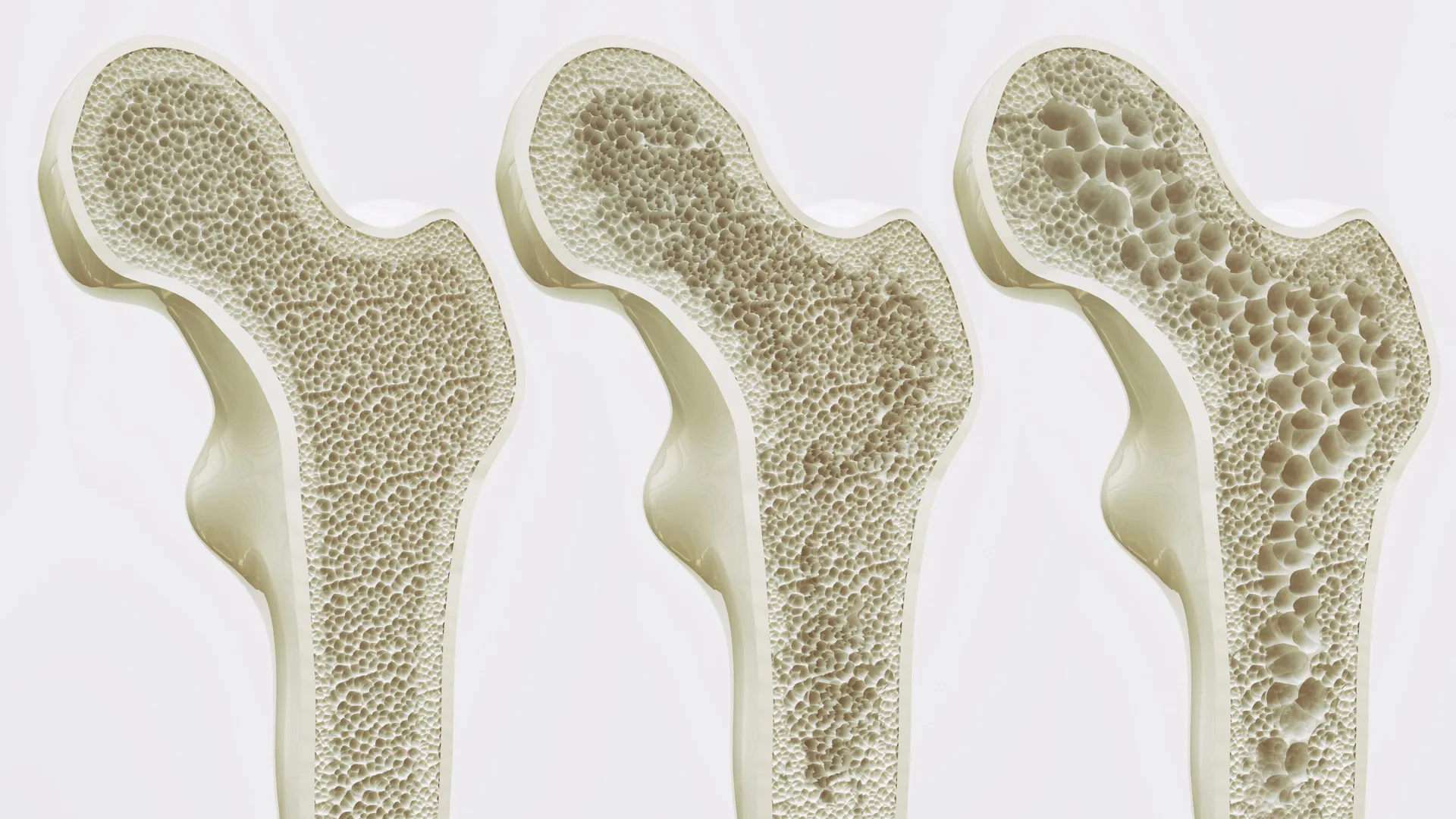
Osteoporosis is often referred to as a "silent epidemic" because bone loss occurs without symptoms until a fracture happens. According to data from the World Health Organization (WHO), osteoporosis affects hundreds of millions of people worldwide. Statistically, one in three women and one in five men over the age of 50 will suffer an osteoporotic fracture in their remaining lifetime. These injuries are not merely matters of temporary discomfort; for the elderly, a hip or spinal fracture often marks the beginning of a sharp decline in health, leading to permanent disability, loss of independence, and increased mortality rates.
In the specific context of Hong Kong, the challenge is exacerbated by a rapidly aging demographic. Current health statistics indicate that osteoporosis affects approximately 45% of women and 13% of men aged 65 and older in the territory. As the "silver tsunami" approaches, the number of fragility fractures is projected to rise significantly, creating an urgent need for interventions that go beyond traditional calcium supplements and lifestyle modifications. While weight-bearing exercise is the gold standard for prevention, it remains inaccessible to a large segment of the high-risk population, including those with advanced osteoarthritis, cardiovascular limitations, or neurological impairments.
Biological Mechanisms: The Battle Between Bone and Fat
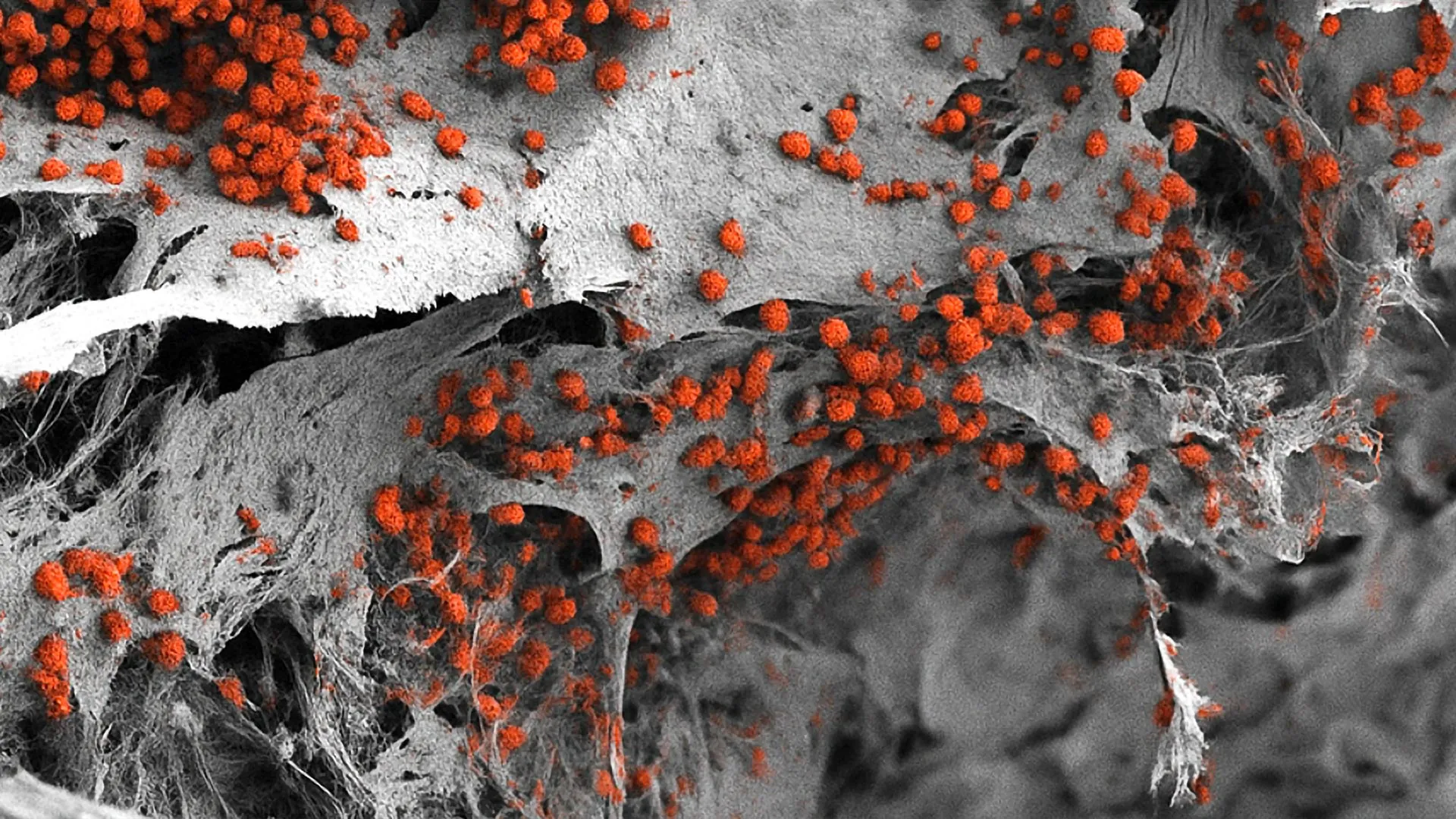
To understand the HKUMed discovery, one must look at the microscopic environment of the bone marrow. Bone marrow contains a reservoir of mesenchymal stem cells (MSCs). These versatile cells are the "progenitors" of the skeletal system, possessing the ability to differentiate into various types of tissue, primarily osteoblasts (bone-forming cells) or adipocytes (fat cells).
In a healthy, active individual, the mechanical stress of movement—such as walking, running, or lifting—signals these stem cells to prioritize the production of bone tissue. However, as the body ages or becomes sedentary, this biological "switch" malfunctions. The stem cells begin to favor the production of fat cells over bone cells, a process known as marrow adiposity. This shift is a double-edged sword: not only is less bone being created to replace old tissue, but the accumulating fat cells also secrete signals that can further degrade the surrounding bone matrix. This creates a cycle of deterioration where the bone becomes increasingly porous, brittle, and susceptible to breakage.
Identifying Piezo1: The Body’s Internal Exercise Sensor
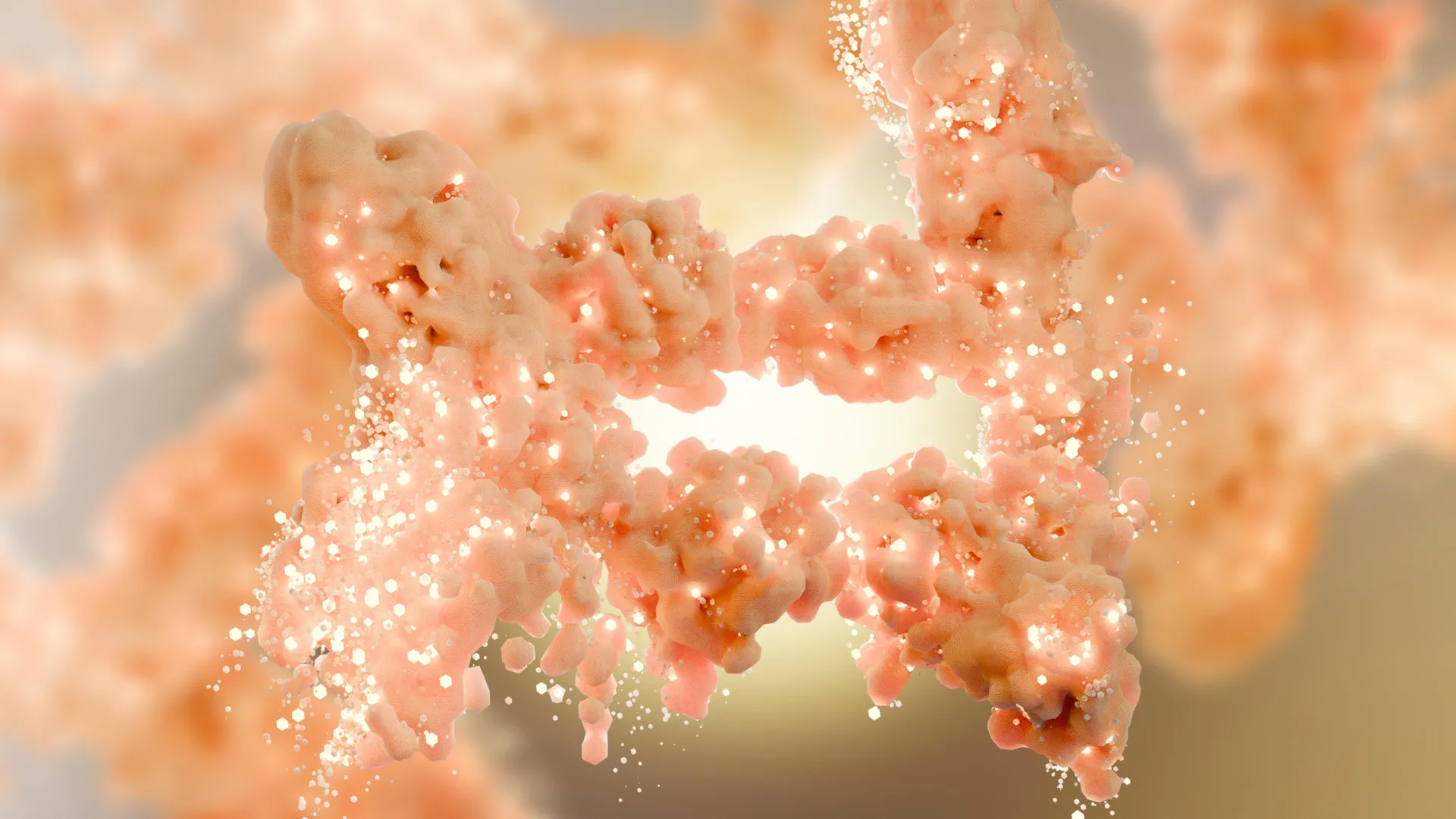
The breakthrough achieved by the HKUMed team involves the identification of Piezo1, a specialized protein located on the surface of mesenchymal stem cells. Piezo proteins are a class of mechanosensitive ion channels that were only relatively recently characterized (a discovery that contributed to the 2021 Nobel Prize in Physiology or Medicine). The HKUMed study is among the first to demonstrate exactly how Piezo1 functions as the primary "exercise sensor" within the bone marrow environment.
Through a series of sophisticated experiments using both mouse models and human stem cell cultures, the researchers observed that when bones are subjected to physical force, Piezo1 channels open, allowing for a flow of ions that triggers a cascade of internal signals. This signaling pathway effectively "commands" the stem cell to become a bone cell.
Professor Xu Aimin explained the significance of this mechanism: "We have essentially decoded how the body converts movement into stronger bones. We have identified the molecular exercise sensor, Piezo1, and the signaling pathways it controls. This gives us a clear target for intervention. By activating the Piezo1 pathway, we can mimic the benefits of exercise, effectively tricking the body into thinking it is exercising, even in the absence of movement."
Experimental Findings and the Role of Inflammatory Signals
The research team utilized "knockout" models—mice specifically engineered to lack the Piezo1 protein in their bone marrow stem cells—to verify their findings. The results were stark: mice without Piezo1 exhibited accelerated bone loss and a dramatic increase in bone marrow fat, even when they remained active. This confirmed that without the Piezo1 sensor, the body cannot "hear" the signals generated by physical activity.
Furthermore, the study identified two specific inflammatory signals, Ccl2 and lipocalin-2, that are released when Piezo1 activity is low. These molecules act as messengers that further drive stem cells toward fat production and inhibit bone growth. By blocking these inflammatory signals in their experimental models, the researchers were able to partially restore bone density, suggesting a secondary route for therapeutic intervention.
Dr. Wang Baile, Research Assistant Professor at HKUMed and co-leader of the study, emphasized that the discovery is particularly meaningful for those at the highest risk of fracture. "Our findings open the door to developing ‘exercise mimetics’—drugs that chemically activate the Piezo1 pathway to help maintain bone mass and support independence," Dr. Wang stated.
Collaborative Excellence and Global Implications
The study was a highly collaborative effort, involving international expertise to validate the findings. Professor Eric Honoré, a team leader at the Institute of Molecular and Cellular Pharmacology in France and a visiting professor at HKUMed, played a crucial role in the research. His involvement highlights the global nature of the quest to solve age-related health issues.
"This offers a promising strategy beyond traditional physical therapy," Professor Honoré remarked. "In the future, we could potentially provide the biological benefits of exercise through targeted treatments, thereby slowing bone loss in vulnerable groups such as bedridden patients or those with limited mobility."
The potential applications of this research extend beyond the elderly. For example, astronauts in microgravity environments suffer from rapid bone density loss because their skeletal systems are not "sensing" the weight-bearing forces of Earth’s gravity. A Piezo1-based therapy could theoretically protect the skeletal health of long-duration space travelers. Similarly, young patients recovering from major trauma or surgeries that require long periods of immobilization could benefit from "exercise in a pill" to prevent secondary bone weakening.
The Path Toward Clinical Application
While the identification of Piezo1 is a landmark achievement, the transition from laboratory discovery to a widely available medication involves several rigorous steps. The HKUMed team is currently focused on translating these findings into clinical applications. This includes the screening of small-molecule compounds that can safely and effectively activate Piezo1 without causing adverse side effects in other tissues where Piezo proteins might be present, such as the lungs or circulatory system.
The economic implications of such a treatment are profound. Fractures related to osteoporosis cost global healthcare systems billions of dollars annually in acute care, rehabilitation, and long-term nursing. By preventing these fractures through pharmacological means, societies can significantly reduce the "hidden" costs of aging.
Institutional Support and Funding
The success of this research was made possible through extensive support from various high-level scientific bodies. This includes the Areas of Excellence Scheme and the General Research Fund of the Research Grants Council of Hong Kong, as well as the Health and Medical Research Fund under the Health Bureau of the HKSAR Government. International support was provided by the National Key R&D Program of China, the National Natural Science Foundation of China, the Human Frontier Science Program, and several prominent French medical foundations.
The collaborative nature of the study, involving HKUMed, the French National Centre for Scientific Research (CNRS), Université Côte d’Azur, and the French National Institute of Health and Medical Research (Inserm), underscores the LKS Faculty of Medicine’s position as a global leader in biomedical research.
Conclusion: A New Era for Bone Health
The identification of Piezo1 as the bone’s exercise sensor represents a paradigm shift in how we view the relationship between movement and physiology. It moves the conversation from a general recommendation—"exercise is good for your bones"—to a specific, actionable molecular mechanism. For millions of people worldwide who face the looming threat of osteoporosis but lack the physical capacity to engage in vigorous activity, this research offers more than just a scientific explanation; it offers a path toward maintaining dignity, mobility, and independence in their later years. As the HKUMed team moves into the next phase of drug development, the medical community watches with anticipation for the arrival of therapies that can truly bridge the gap between physical limitation and skeletal vitality.