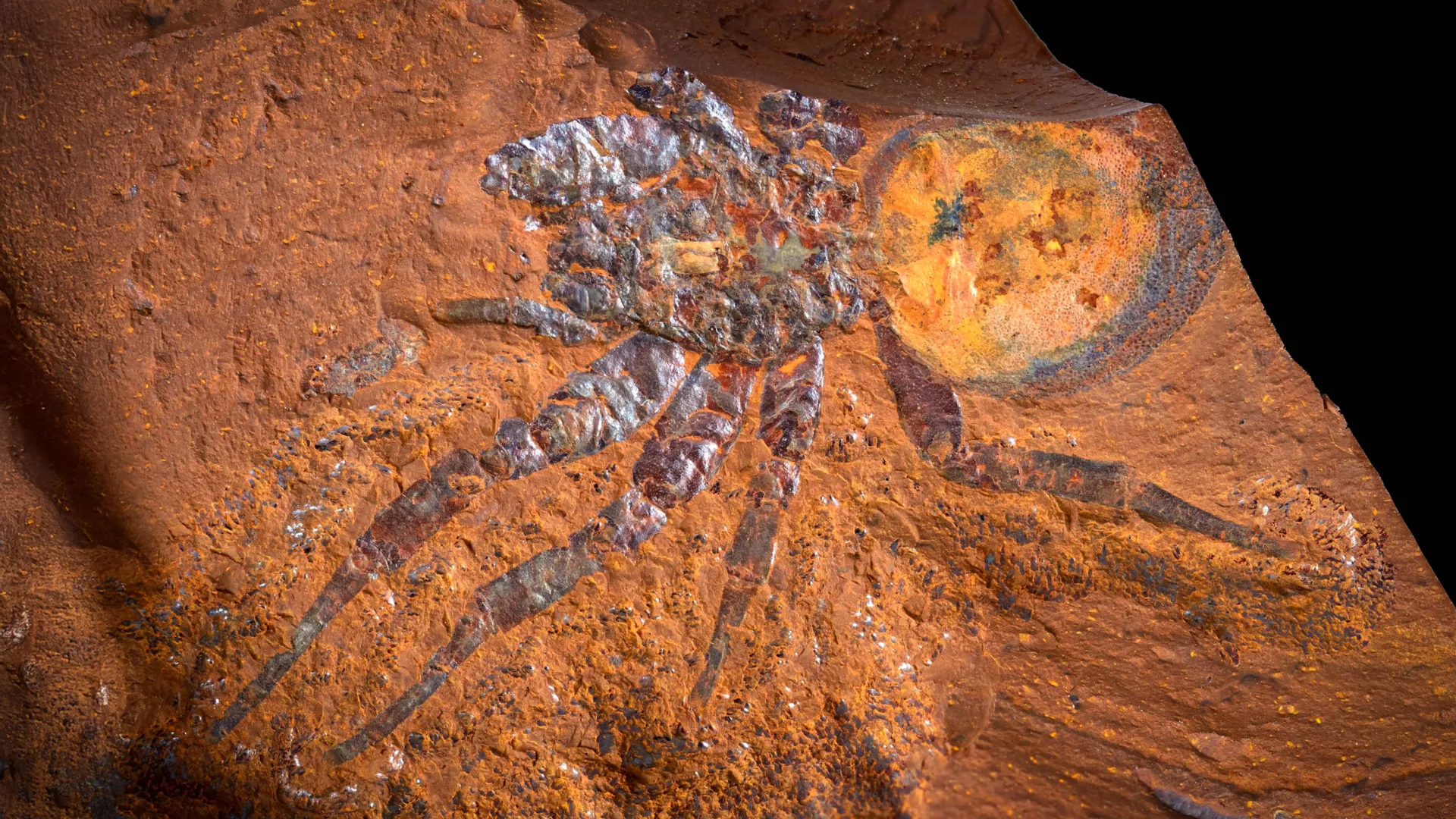
Hidden beneath the seemingly ordinary farmland of New South Wales’ central tablelands lies McGraths Flat, an extraordinary fossil site dating back between 11 million and 16 million years to the Miocene epoch. This ancient period was a critical juncture in Earth’s history, witnessing the evolution of many plant and animal species familiar to us today. Palaeontologists and geologists from the Australian Museum Research Institute have unearthed remarkable fossil discoveries at McGraths Flat, revealing a lush, vibrant rainforest ecosystem that once thrived in an area now characterized by dust and drought. These fossils, preserved with astonishing detail, are not only a window into a lost world but are also fundamentally challenging established scientific understanding of where and how exceptionally well-preserved fossil sites can form.
The Unconventional Preservation of McGraths Flat
The sedimentary rocks at McGraths Flat are striking for their intense red hue, a visual testament to their composition: goethite, a fine-grained iron-rich mineral. This iron has acted as an unparalleled preservative, capturing an array of ancient life, including plants, insects, spiders, fish, and even delicate feathers, with exceptional fidelity. The findings, detailed in a new study published in the journal Gondwana Research, present a significant paradigm shift in palaeontology.
Traditionally, the most celebrated fossil sites, known for preserving soft tissues and intricate details, are typically found within rocks dominated by shale, sandstone, limestone, or volcanic ash. Iconic examples include Germany’s Messel Pit, which preserves roughly 47-million-year-old fossils showcasing the outlines of feathers, fur, and skin, and Canada’s Burgess Shale, offering a glimpse into some of Earth’s earliest animal life dating back approximately 500 million years. At these sites, rapid burial in fine-grained sediments is the key to preserving delicate organic material.
However, sedimentary rocks composed almost entirely of iron, like those at McGraths Flat, were previously considered highly unlikely locations for well-preserved terrestrial fossil assemblages. Iron-rich sedimentary rocks are predominantly known from ancient banded iron formations, which largely formed around 2.5 billion years ago in Earth’s oxygen-depleted oceans, long before complex life evolved. In more recent geological contexts, iron is typically associated with weathering processes, forming the ubiquitous ‘rust’ seen across continental landscapes when exposed to our oxygen-rich atmosphere, such as in Australia’s iconic red-rocked outback. The discovery at McGraths Flat directly contradicts this long-held scientific assumption.
Terrestrial Life Entombed in Iron: A Unique Formation Process
McGraths Flat is composed of a very fine-grained, iron-rich rock known as ferricrete, essentially an iron-based cement. This ferricrete consists almost entirely of microscopic iron-oxyhydroxide mineral particles, each measuring a mere 0.005 millimeters across. It is this minute scale that allowed the iron particles to infiltrate and perfectly replicate every cellular structure of buried organisms. The result is the extraordinary preservation of soft tissue fossils, a rarity particularly for terrestrial life.
Fossil sites preserving terrestrial life are notoriously scarce compared to marine counterparts. Those that manage to preserve soft tissues are even rarer. The exceptional detail captured in the McGraths Flat fossils offers unprecedented snapshots of past life. Individual pigment cells within the eyes of ancient fish, the internal organs of insects and fish, and even the delicate hairs and nerve cells of spiders have been visualized with remarkable clarity. This level of preservation rivals that found in traditional shale or sandstone sites, yet here, it is achieved through an iron matrix.
Unraveling the Formation of McGraths Flat
The new study provides crucial insights into the geological processes that led to the formation of McGraths Flat, offering a potential blueprint for identifying similar terrestrial fossil-rich iron deposits globally. The site’s formation began during the Miocene epoch under warm, wet rainforest conditions. Iron leached from weathering basalt bedrock dissolved in the acidic groundwater. This iron-rich water then percolated underground until it encountered a river system featuring an oxbow lake – an abandoned river channel.
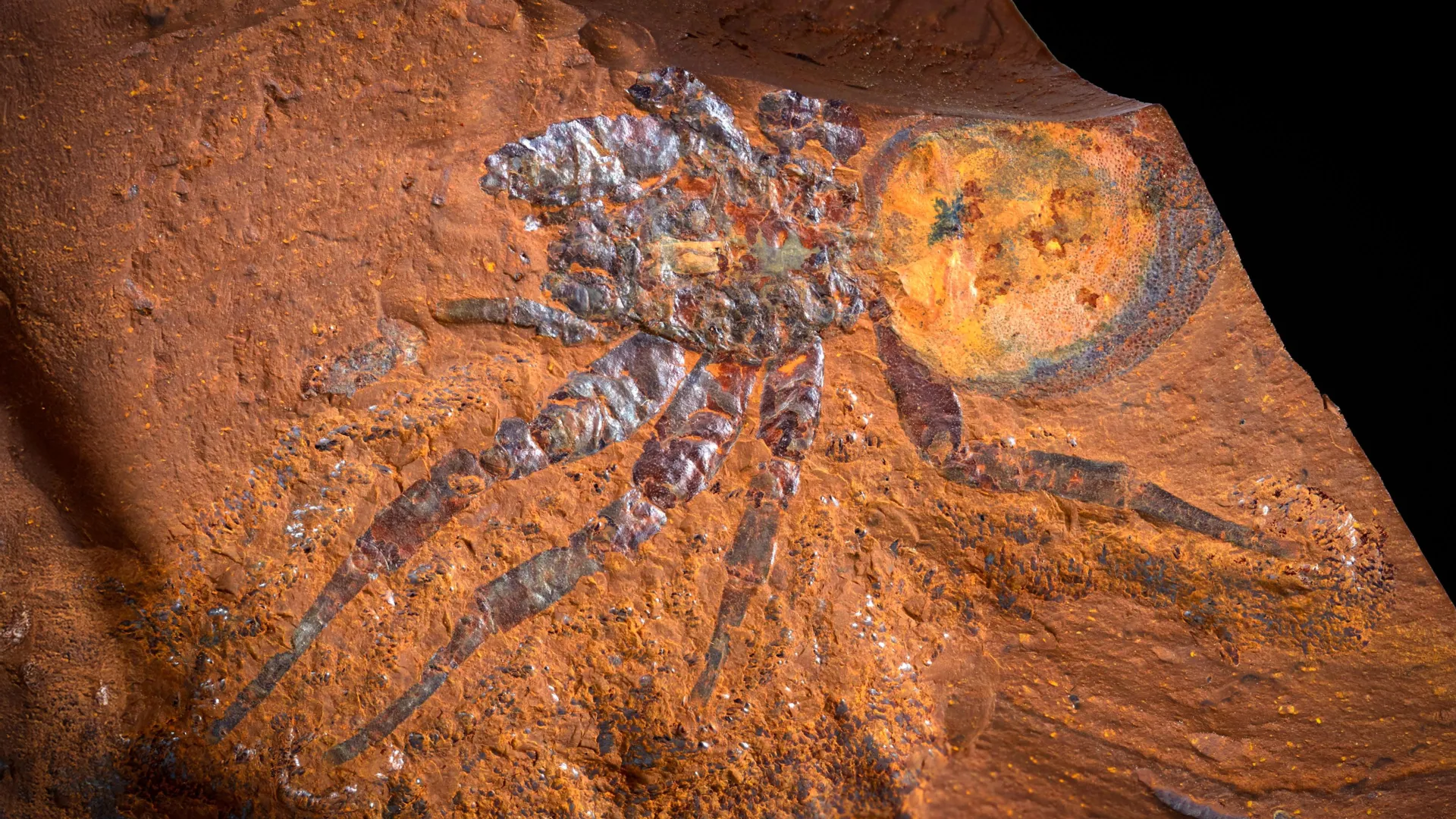
Within this oxbow lake, the dissolved iron precipitated to form ultra-fine iron-oxyhydroxide sediment. This sediment then rapidly coated the dead organisms accumulating on the lake floor. The microscopic iron particles meticulously replicated the soft tissue structures of these ancient life forms, preserving them down to the cellular level. This unique depositional environment, coupled with the chemical properties of iron, created a perfect, albeit unconventional, fossilization laboratory.
A New Roadmap for Fossil Discovery
The understanding of McGraths Flat’s formation process is a significant scientific breakthrough. It suggests that other iron-rich geological formations, previously overlooked for their palaeontological potential, may harbor similarly exceptional fossil assemblages. Researchers are now developing a new "fossil roadmap" to guide the search for comparable sites worldwide.
Key indicators for identifying potential iron-rich fossil troves include the presence of very fine-grained and finely layered ferricrete. Furthermore, these formations are more likely to occur in areas that were geologically stable during the Miocene, experienced warm and wet climatic conditions conducive to rainforests, and had nearby sources of iron-rich bedrock, such as basalt, undergoing weathering. The presence of ancient river systems and lake environments, particularly oxbow lakes, would have provided the necessary depositional basins.
The implications of this discovery are far-reaching. It expands the known geological settings for exceptional fossil preservation, pushing beyond the traditional confines of shale and sandstone. This could lead to a dramatic increase in the discovery of ancient terrestrial ecosystems, offering new data on the evolution and biodiversity of past land-based life. The research team, led by palaeontologists and geologists from the Australian Museum Research Institute, is hopeful that this new understanding will unlock further secrets of Earth’s ancient past.
Broader Impact and Future Research
The discovery at McGraths Flat challenges the long-held assumption that iron-rich environments are detrimental to the preservation of delicate organic remains. Instead, it highlights the remarkable versatility of geological processes in preserving life. This opens up vast new territories for palaeontological exploration, particularly in regions with extensive iron-rich geological formations.
The exceptional detail preserved at McGraths Flat, including individual cellular structures, offers invaluable data for understanding ancient biology, physiology, and even behaviour. For instance, the detailed preservation of insect and spider anatomy can provide new insights into their ecological roles and evolutionary relationships. Similarly, the preservation of fish organs can shed light on their diets and predatory interactions within the Miocene ecosystem.
The research team emphasizes the importance of acknowledging the traditional custodians of the land. The McGraths Flat site is located on the traditional lands and waterways of the Wiradjuri Nation people, and their connection to the land is an integral part of its history and future scientific exploration. Future research will likely focus on further characterizing the full extent of the McGraths Flat fossil assemblage, conducting comparative studies with other well-preserved fossil sites, and applying the newly developed search criteria to global geological surveys. The red rocks of McGraths Flat are not just a geological curiosity; they are a vibrant testament to life’s enduring legacy and a beacon for future palaeontological discovery. The next major breakthrough in understanding ancient terrestrial life may very well emerge from the rusty-red earth, hidden beneath our feet.