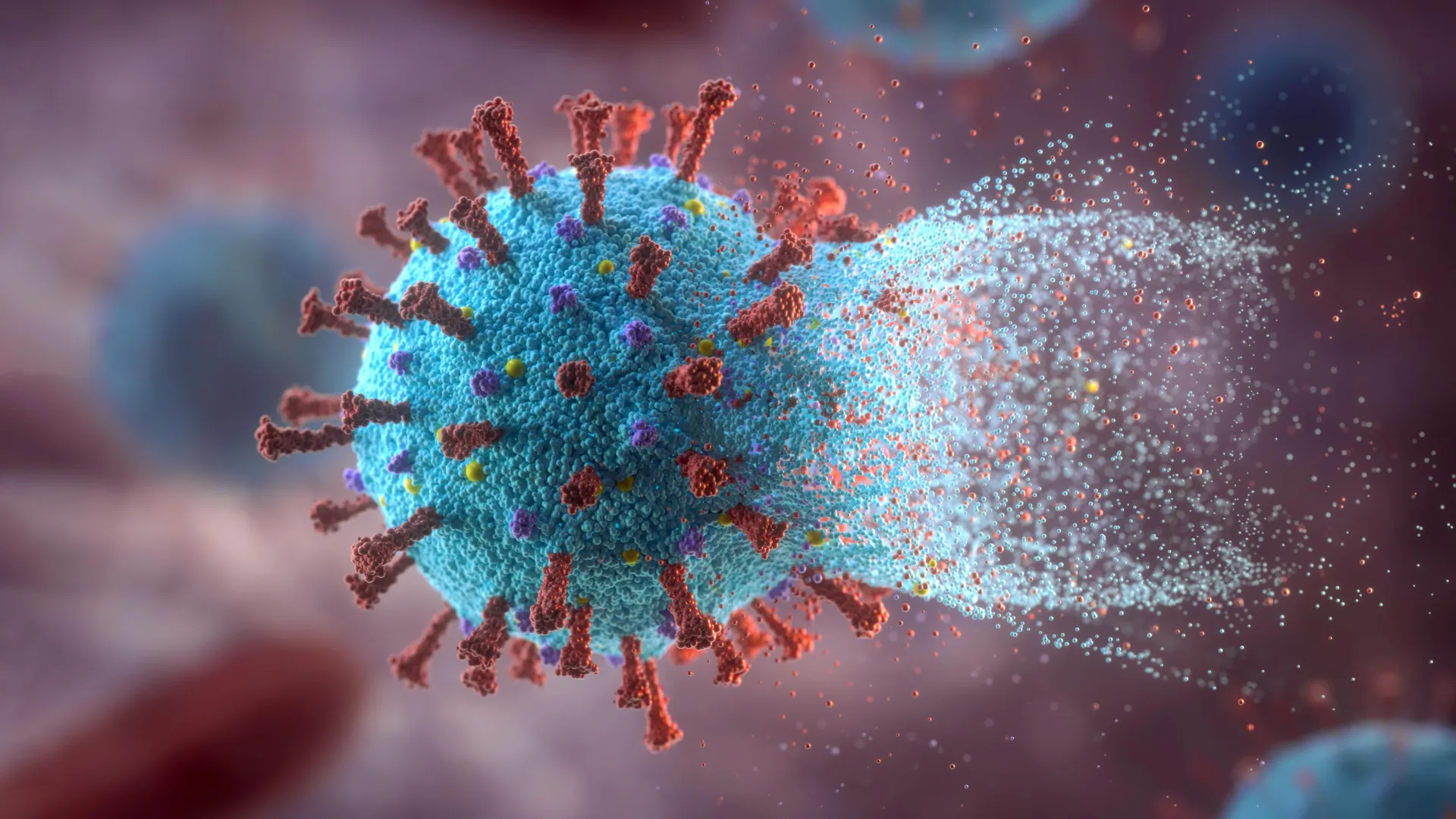
Researchers have identified a group of natural compounds from a Brazilian tree that show promising activity against the virus responsible for COVID-19. The compounds, known as galloylquinic acids, were extracted from the leaves of Copaifera lucens Dwyer, a species native to Brazil’s Atlantic Forest. Laboratory findings suggest these molecules can interfere with the virus in several different ways, offering a broader approach than many existing antiviral strategies. This discovery, emerging from extensive research into the medicinal properties of Amazonian flora, represents a significant advancement in the ongoing global search for effective treatments against SARS-CoV-2.
Unlocking Nature’s Pharmacy: The Journey to Galloylquinic Acids
The investigation into Copaifera lucens was not a serendipitous discovery but rather the culmination of years of dedicated scientific inquiry. The research team, spearheaded by Jairo Kenupp Bastos, a distinguished figure at the Ribeirão Preto School of Pharmaceutical Sciences at the University of São Paulo (FCFRP-USP), has a deep-rooted history of exploring the chemical constituents and therapeutic potential of plants within the Copaifera genus. This genus, widely recognized for its medicinal sap traditionally used to treat various ailments, provided a fertile ground for the investigation. Their extensive prior experience with related species acted as a crucial compass, guiding the selection of Copaifera lucens for a more focused and detailed examination in the context of emerging infectious diseases.
Galloylquinic acids themselves are not novel to the scientific community. Decades of research have illuminated their diverse biological activities, demonstrating efficacy against a spectrum of pathogens and diseases. Previous studies have documented their potent antifungal and anticancer properties, observed through both in vitro (laboratory dish) and in vivo (living organism) experiments. Furthermore, these compounds have exhibited a broad-spectrum antiviral potential. In parallel research, closely related galloylquinic acids have shown remarkable success in inhibiting HIV-1, the virus responsible for AIDS, in laboratory and cell-based models. Crucially, these studies also indicated a more favorable toxicity profile compared to other antiviral agents under investigation at the time, hinting at their therapeutic promise with potentially fewer side effects. This established foundation of knowledge regarding galloylquinic acids provided a strong rationale for their evaluation against SARS-CoV-2.
A Rigorous Scientific Process: From Isolation to Efficacy Testing
The research initiative, bolstered by crucial financial support from the São Paulo Research Foundation (FAPESP), commenced with the meticulous isolation and characterization of extracts from the leaves of Copaifera lucens. The primary objective was to identify and quantify the galloylquinic acid content within these plant samples. This foundational step ensured that subsequent antiviral assessments were conducted using compounds of known purity and concentration.
A critical early phase involved rigorous safety evaluations. Before assessing any antiviral effects, the researchers employed cytotoxicity tests to determine if the isolated galloylquinic acids were safe for human cells. This standard procedure in drug discovery is paramount to prevent potential harm to host cells, a common challenge in antiviral development. Only compounds demonstrating an acceptable safety margin proceeded to the next stage of investigation.
The efficacy of the galloylquinic acids against SARS-CoV-2 was primarily measured using plaque reduction assays. This widely accepted laboratory technique quantifies the antiviral activity of a substance by evaluating its ability to neutralize viral particles and inhibit their replication, thereby reducing the formation of viral plaques on a cell culture. The results from these assays provided clear and compelling evidence of significant antiviral activity against SARS-CoV-2, indicating that these natural compounds could effectively combat the virus.
Beyond simply demonstrating efficacy, the research team delved deeper into the mechanistic aspects of the compounds’ interaction with the virus. They meticulously examined how the galloylquinic acids engaged with key viral proteins essential for infection and replication. This included an in-depth analysis of their interaction with the receptor-binding domain (RBD) of the spike protein, the critical component that SARS-CoV-2 uses to latch onto and enter human cells. Additionally, the study investigated the compounds’ effects on papain-like protease (PLpro), an enzyme vital for the virus’s ability to evade the host’s immune defenses and process viral proteins, and RNA polymerase, the enzyme responsible for replicating the virus’s genetic material. The impact of these compounds on the overall production of viral proteins was also a significant area of investigation.
"This integrated approach allowed us to understand how the compounds work and how they act at the molecular level," stated Mohamed Abdelsalam, an assistant professor of pharmacognosy and natural product chemistry at the Faculty of Pharmacy at the Delta University of Science and Technology in Egypt. Abdelsalam, who also holds an affiliation with the School of Health Sciences at the Pompeu Fabra University TecnoCampus in Barcelona, Spain, played a pivotal role in leading the biological study. The research was conducted in close collaboration with Professor Lamiaa A. Al-Madboly, Head of the Department of Microbiology at the Faculty of Pharmacy at Tanta University in Egypt, and Associate Professor Rasha M. El-Morsi from the Department of Microbiology at the Faculty of Pharmacy at the Delta University of Science and Technology in Egypt. This international scientific partnership, which also included Egyptian researchers from Alexandria University, underscores the global nature of scientific endeavors in addressing critical health challenges.
A Multi-Pronged Attack: The Power of Galloylquinic Acids
The comprehensive findings, recently published in the prestigious journal Scientific Reports, reveal that galloylquinic acids employ a sophisticated multi-target strategy against SARS-CoV-2. Their action appears to span multiple critical stages of the viral life cycle. This includes blocking the virus’s initial entry into host cells, a crucial step in preventing infection. Furthermore, the compounds demonstrably interfere with the virus’s ability to replicate its genetic material, thereby halting the spread of the infection within the body. The research also indicated a significant reduction in the production of essential viral proteins, further undermining the virus’s capacity to assemble new infectious particles.
Beyond their direct antiviral effects, the galloylquinic acids also appear to possess potent anti-inflammatory and immunomodulatory properties. These characteristics are particularly significant in the context of COVID-19, where an overactive or dysregulated immune response, known as a cytokine storm, can lead to severe illness and mortality. By helping to regulate the body’s immune response, these compounds could potentially mitigate the severity of the disease, especially in patients experiencing critical symptoms.
"An important aspect revealed by this information is the multi-target mechanism of the compound, which reduces the likelihood of resistance developing," explained Professor Bastos. He elaborated on the significance of this finding: "This is because many current antivirals act on only one viral protein, which promotes this effect." The development of drug resistance is a persistent threat in the fight against infectious diseases, and compounds that target multiple viral pathways are inherently more robust against the emergence of resistant viral strains. This multi-pronged attack mechanism offers a distinct advantage over single-target therapies.
The Road Ahead: From Lab Bench to Bedside
While the laboratory findings are highly encouraging and represent a significant stride forward, the journey from these promising initial results to a clinically approved treatment is a long and complex one. The scientific community acknowledges that further rigorous research is indispensable before galloylquinic acids can be definitively developed into a viable therapeutic option for COVID-19.
The immediate next steps outlined by the research team involve a transition to preclinical studies. This will include extensive testing in living organisms, such as animal models, to further assess the safety, efficacy, and pharmacokinetic profile of these compounds in a more complex biological system. These studies will provide critical data on how the compounds are absorbed, distributed, metabolized, and excreted by the body, as well as their potential long-term effects and optimal dosing strategies.
Following successful preclinical evaluations, the most crucial phase will be the initiation of clinical trials in humans. These trials are conducted in carefully controlled phases to evaluate the safety and efficacy of the investigational treatment in human volunteers and patients. Phase I trials typically assess safety and dosage in a small group of healthy volunteers. Phase II trials evaluate efficacy and further assess safety in a larger group of patients with the target disease. Phase III trials involve large-scale studies with a diverse patient population to confirm efficacy, monitor side effects, compare it to standard treatments, and collect information that will allow the drug to be used safely. Only after successfully navigating these rigorous stages can regulatory bodies grant approval for widespread use.
Biodiversity as a Cornerstone of Medical Innovation
This groundbreaking research into galloylquinic acids serves as a powerful testament to the immense value of exploring natural sources for novel medicines. The discovery underscores the critical importance of biodiversity conservation, particularly in regions like Brazil’s Atlantic Forest, a globally recognized biodiversity hotspot. These diverse ecosystems harbor an untold wealth of chemical compounds, many of which remain undiscovered and unstudied. The Copaifera lucens tree, a native species, has now yielded compounds with significant therapeutic potential, highlighting Brazilian plant life as a rich and strategically vital resource for discovering innovative therapeutic agents.
The ongoing destruction of rainforests and other natural habitats worldwide poses a significant threat to this potential source of future medicines. Each species lost represents a potential cure or treatment for diseases that may never be discovered. Therefore, this study not only advances scientific understanding but also reinforces the urgent need for robust conservation efforts to protect these invaluable natural pharmacies for the benefit of current and future generations. The collaboration between Brazilian institutions and international researchers also highlights the power of global scientific cooperation in tackling shared health challenges and underscores the interconnectedness of ecological health and human well-being. The potential of natural products to address unmet medical needs remains vast, and continued investment in ethnobotanical research and bioprospecting, coupled with strong conservation policies, is essential for unlocking this potential.