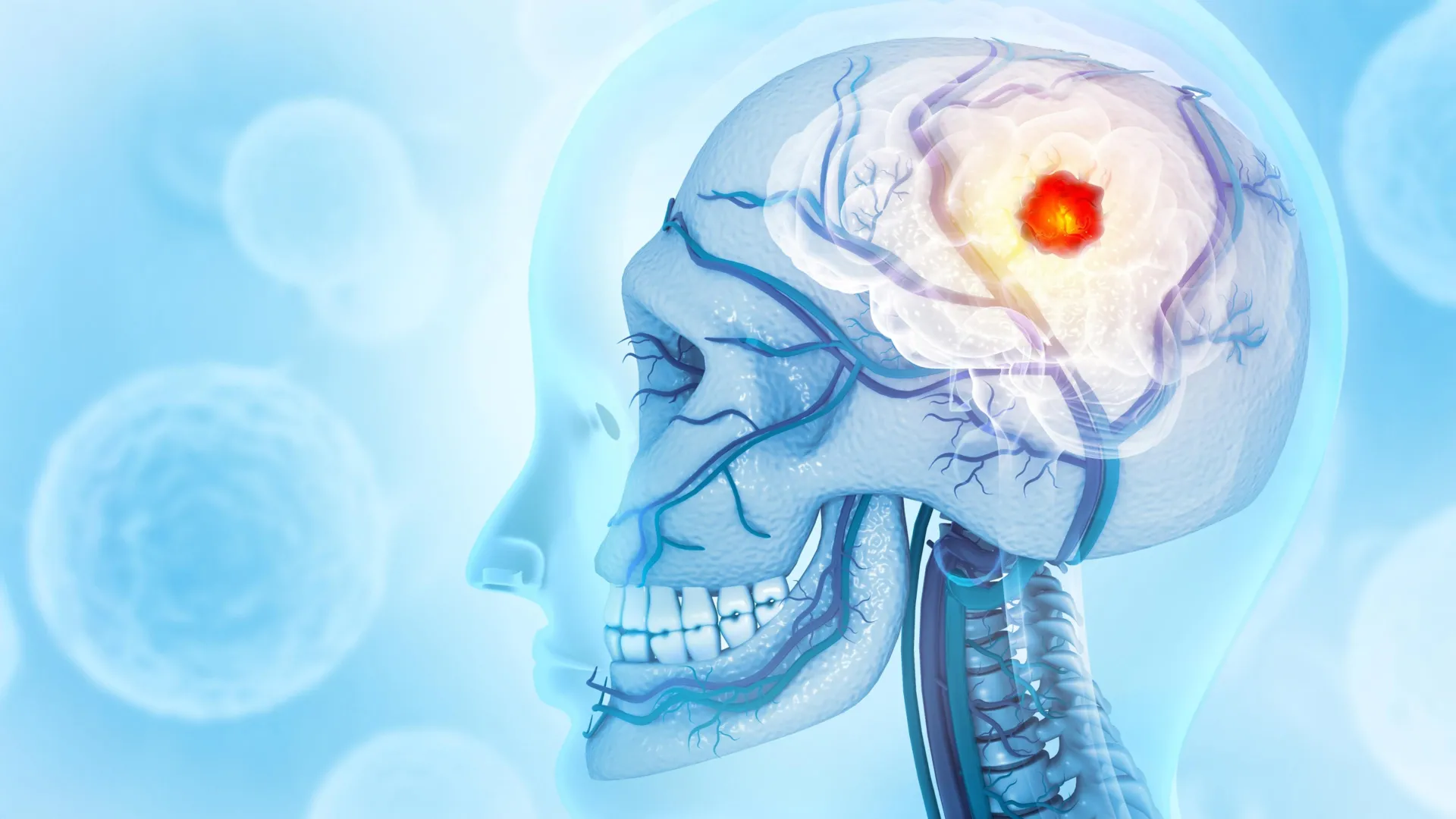
Deep within the skeletal framework of the human body lies a complex, high-performance factory: the bone marrow. This sponge-like tissue is responsible for an extraordinary biological feat, producing approximately 500 billion new blood cells every day. These include oxygen-transporting erythrocytes (red blood cells), platelets for clotting, and a diverse array of leukocytes (white blood cells) that form the backbone of the human immune system. However, for patients undergoing intensive treatments like chemotherapy or radiation, this vital "engine room" is often the first to suffer damage. The resulting depletion of white blood cells, a condition known as neutropenia, leaves patients dangerously susceptible to life-threatening infections.
In a landmark study published in the journal Cell Stem Cell, a multidisciplinary team from the University of Pennsylvania School of Engineering and Applied Science (Penn Engineering), the Perelman School of Medicine (PSOM), and the Children’s Hospital of Philadelphia (CHOP) has announced the development of a sophisticated "bone marrow-on-a-chip." This bioengineered platform successfully emulates the native environment of human marrow, offering a powerful new tool for drug development, cancer research, and even the future of deep-space exploration.
The Biological Complexity of the Marrow Microenvironment
The challenge of modeling bone marrow lies in its intricate and largely inaccessible architecture. Unlike other organs that can be imaged or biopsied with relative ease, the marrow is encased in hard bone and consists of a delicate "niche" where various cell types interact in a highly choreographed manner. Traditionally, medical science has relied on animal models—primarily mice—to study blood disorders and drug toxicity. However, these models often fail to translate to human outcomes because of fundamental differences in the hematopoietic (blood-forming) systems of different species.
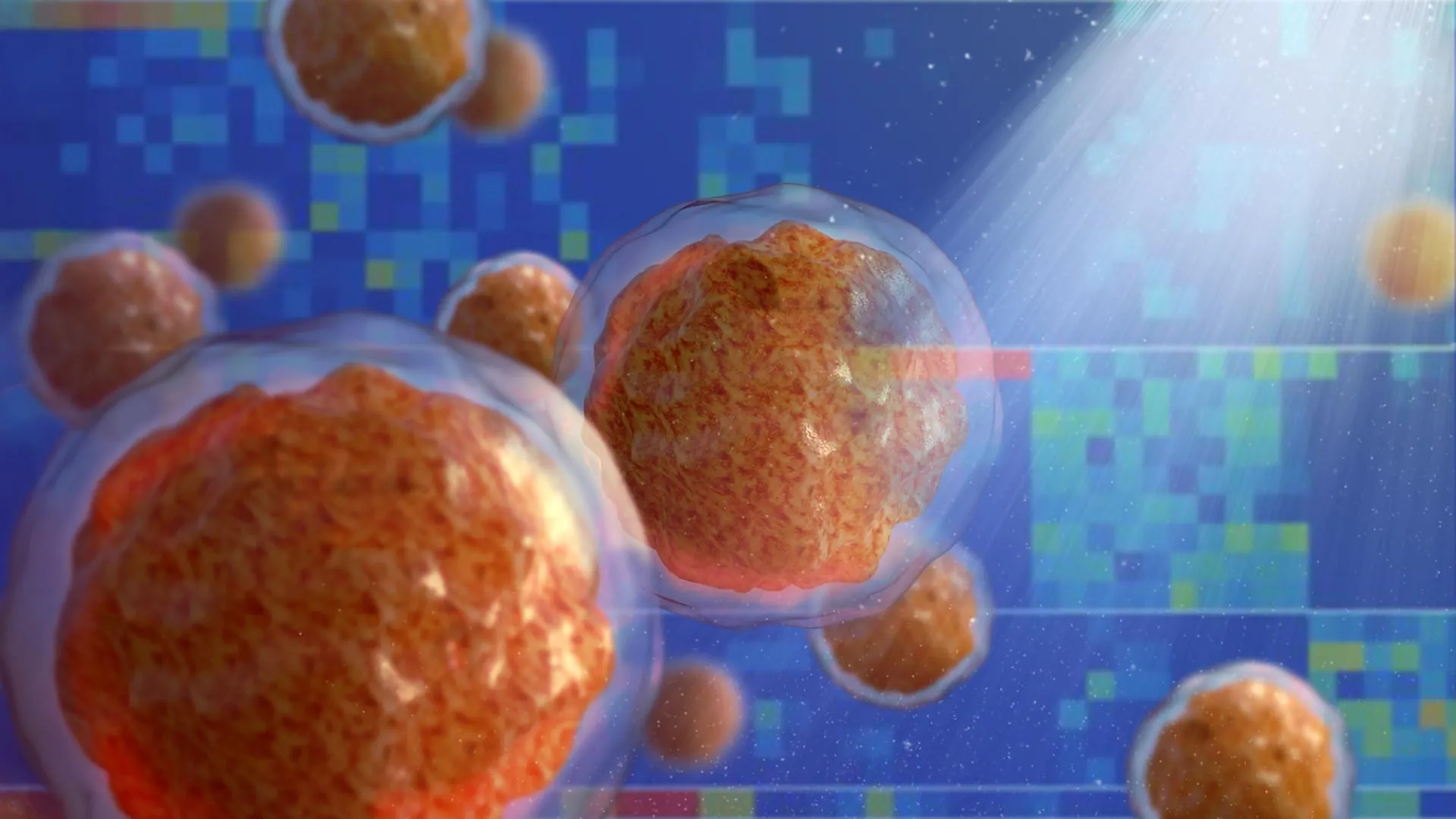
The Penn and CHOP researchers addressed this gap by "borrowing nature’s recipe." Rather than attempting to manually assemble the complex structures of the marrow, they focused on the principles of embryonic development. The device itself is a small, transparent plastic chip containing microfluidic chambers. These chambers are seeded with three primary ingredients: hematopoietic stem cells (HSCs), which are the progenitors of all blood cells; endothelial cells, which form the lining of blood vessels; and mesenchymal cells, which provide the structural "scaffold" or connective tissue.
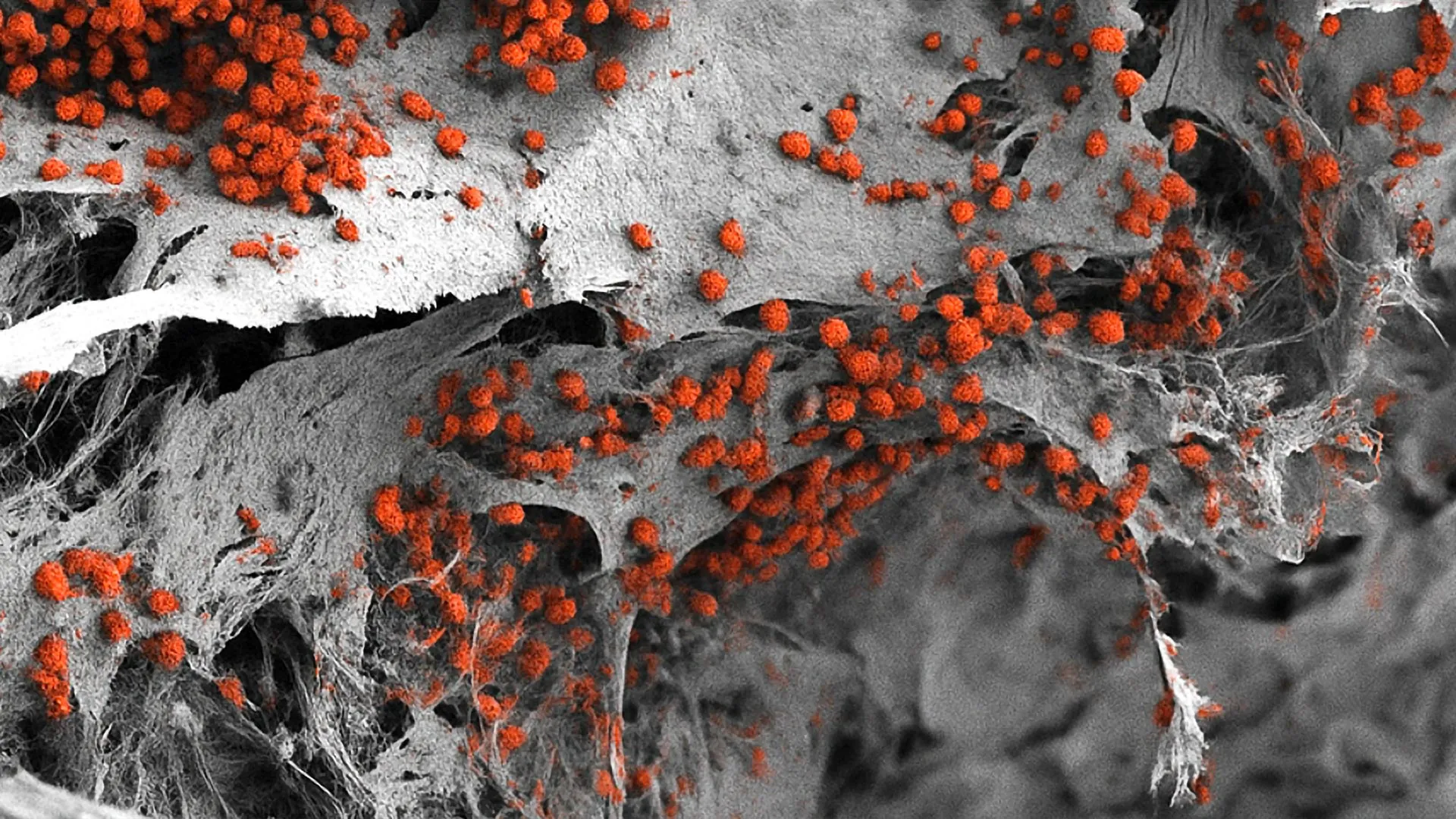
By placing these cells within a specialized hydrogel that mimics the extracellular matrix, the researchers created an environment that encouraged the cells to "self-organize." Over time, the cells developed into a functional tissue that replicates the dense network of blood vessels and stem cell colonies found in a living human.
A Breakthrough in "Organ-on-a-Chip" Interconnectivity
One of the most significant achievements of this research is the demonstration of "organ crosstalk." In the human body, organs do not operate in isolation; they communicate through biochemical signals. To test the functional capabilities of their marrow chip, the team connected it to another microfluidic device representing a bacteria-infected lung.
This experiment allowed the researchers to observe, for the first time in an in vitro (outside the body) setting, the full sequence of the innate immune response. When the "lung" detected a bacterial threat, it sent signals to the "marrow." In response, the marrow chip rapidly mobilized and released a surge of white blood cells into engineered capillary vessels. These cells then traveled through the system to the site of the infection, where they successfully engaged and engulfed the bacteria.
"We show for the first time the feasibility of creating interconnected organ-on-a-chip models to emulate the biochemical crosstalk between the marrow and infected lungs," said Dan Huh, Professor in Bioengineering at Penn and senior author of the study. "This system is probably one of the most sophisticated bioengineered tissue models developed to date."
Chronology of Development: From Space Missions to Terrestrial Medicine
The journey to this technological breakthrough spans nearly a decade and highlights the unpredictable nature of scientific discovery. The project was originally conceived not for hospitals, but for the stars.
Around ten years ago, Huh and G. Scott Worthen, an attending physician at CHOP and Professor Emeritus at PSOM, proposed a study to the International Space Station (ISS). Their goal was to investigate why astronauts on long-duration missions often experience weakened immune systems. They hypothesized that microgravity and prolonged radiation exposure might interfere with the bone marrow’s ability to produce healthy white blood cells.
The timeline of the project faced several significant hurdles:
- The Initial Proposal (Circa 2014): The team began designing a model of human bone marrow that could be housed in a "cubelab" for transport to the ISS.
- The Technical Setback: During the first attempted launch, the flow controller of the cubelab system—essential for keeping the engineered tissues alive—short-circuited during the ascent, rendering the experiment void.
- The Pandemic Delay: A second planned launch was canceled due to the global disruptions caused by the COVID-19 pandemic.
Despite these setbacks, the researchers pivoted their focus back to Earth, realizing that the platform they had built for space had immense potential for clinical medicine. The failure of the space experiments led to a more rigorous refinement of the technology for high-throughput laboratory use.
Implications for Oncology and High-Throughput Drug Screening
The primary immediate application for the bone marrow-on-a-chip is in the field of oncology. Currently, many promising anticancer drugs fail during clinical trials because they are too toxic to the bone marrow. Because animal models are often poor predictors of human marrow toxicity, these side effects are sometimes only discovered after a drug has already entered expensive human trials.
The new platform allows for "preclinical screening" on a large scale. Because the chips are small and can be automated, pharmaceutical companies can test thousands of drug candidates on real human marrow tissue before they ever reach a patient. This could significantly lower the cost of drug development and increase the safety of new treatments.
Furthermore, the chip allows doctors to simulate the effects of radiotherapy. By exposing the chip to controlled doses of radiation, researchers can study how the marrow environment degrades and, more importantly, how it might be repaired or protected during cancer treatment.
The "Holy Grail" of Cell Therapy
Beyond drug testing, the research points toward a future where bone marrow transplants and stem cell therapies are more efficient and less invasive. Currently, harvesting hematopoietic stem cells (HSCs) from a donor is a painful and costly procedure. Once harvested, these cells are difficult to maintain or expand in a lab environment; they often lose their "stemness" and differentiate into other cells too quickly.
The Penn and CHOP team discovered that their marrow-on-a-chip provides an environment so realistic that it can maintain HSCs in their potent, undifferentiated state for extended periods. This opens the door to the possibility of "expanding" a small sample of donor cells into a much larger population within the chip, potentially providing enough cells for multiple therapeutic applications from a single, less-invasive harvest.
"Exploring the utility of our technology for HSC-based cell therapies will be an important goal of our future work," noted Huh. This could eventually lead to new treatments for sickle cell anemia, leukemia, and other genetic blood disorders.
Commercialization and Future Horizons
To bring this technology to the wider medical community, Andrei Georgescu, a former doctoral student in Huh’s lab, has co-founded a startup called Vivodyne. As the CEO of the company, Georgescu is focusing on the large-scale production and automation of these organ-on-a-chip models.
The ability to mass-produce living human tissue models represents a paradigm shift in how we understand human biology. By moving away from the "static" environment of a petri dish and toward the "dynamic" environment of a microfluidic chip, scientists are gaining a clearer view of the body’s inner workings than ever before.
While the original goal of studying the immune system in space remains on the horizon, the terrestrial benefits of the bone marrow-on-a-chip are already clear. From protecting cancer patients to streamlining the creation of next-generation drugs, this "bioengineered factory" is set to become a cornerstone of modern biotechnology.
This study was a collaborative effort supported by the National Institutes of Health (NIH), the National Science Foundation (NSF), the Paul G. Allen Foundation, and several international research grants. The diverse team of co-authors includes experts from GlaxoSmithKline and multiple departments across Penn and CHOP, underscoring the multidisciplinary cooperation required to solve one of medicine’s most daunting challenges.