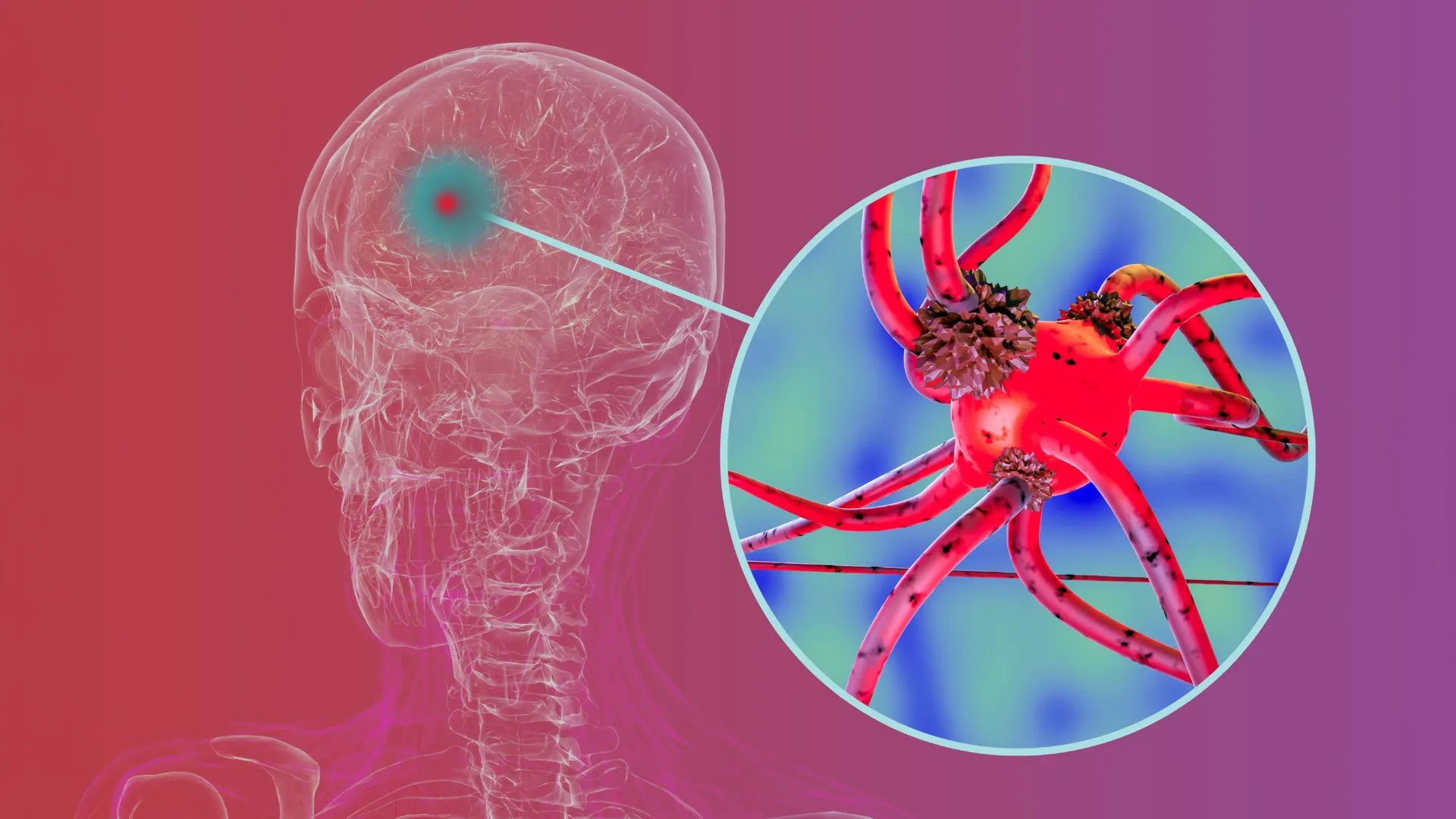
Researchers at the Perelman School of Medicine at the University of Pennsylvania have uncovered a critical biological mechanism that may dictate the speed and severity of Parkinson’s disease (PD) progression. The study, published in the journal Neuron, identifies a brain immune protein known as glycoprotein nonmetastatic melanoma B (GPNMB) as a primary facilitator in the spread of neurodegenerative damage. By targeting this protein with monoclonal antibodies, scientists believe they have found a viable pathway to develop the world’s first disease-modifying treatment for Parkinson’s, potentially halting the condition in its earliest stages before debilitating symptoms take hold.
Parkinson’s disease, a progressive neurological disorder that affects more than one million Americans and over ten million people worldwide, has long remained one of the most challenging conditions to treat. While existing therapies like levodopa and deep-brain stimulation (DBS) are effective at managing motor symptoms such as tremors and stiffness, they do not address the underlying cause of the disease. This new research from the University of Pennsylvania represents a shift in focus from symptom management to direct intervention in the cellular "vicious cycle" that drives the disease forward.
The Biological Mechanism of Disease Spread
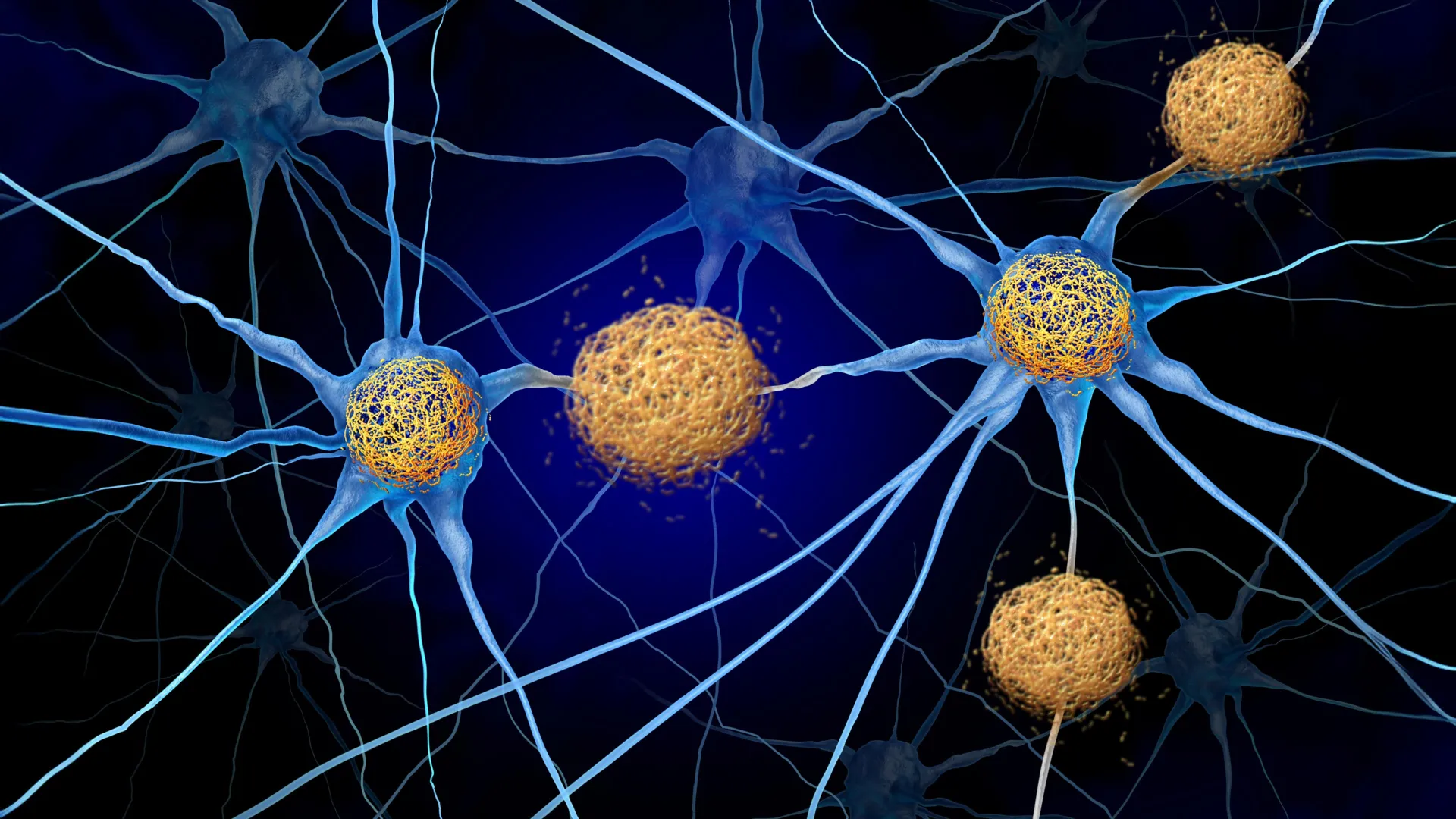
At the heart of Parkinson’s disease is a protein called alpha-synuclein. In a healthy brain, alpha-synuclein plays a role in nerve cell communication. However, in patients with Parkinson’s, this protein misfolds and aggregates into toxic clumps known as Lewy bodies. These clumps act almost like a contagion within the brain; once they form in one neuron, they can migrate to adjacent healthy neurons, triggering further misfolding and cell death.
The UPenn team, led by Dr. Alice Chen-Plotkin, the Parker Family Professor of Neurology, sought to understand what allows these toxic clumps to move so efficiently between cells. Their investigation led them to GPNMB. According to the study, GPNMB acts as a facilitator for the internalization of alpha-synuclein. In earlier research conducted in 2022, Chen-Plotkin’s team identified GPNMB as a molecule of interest, but the new study clarifies the specific role of the brain’s immune system in this process.
The research reveals that microglia—the primary immune cells of the central nervous system—are the main source of GPNMB in the Parkinsonian brain. When neurons become stressed or damaged by alpha-synuclein, microglia respond by ramping up GPNMB production. Enzymes then cleave the protein from the cell surface, allowing it to circulate and assist in the transmission of toxic alpha-synuclein to healthy neurons.
"These results suggest Parkinson’s disease may be driven by a self-reinforcing cycle," Dr. Chen-Plotkin explained. "Alpha-synuclein accumulates in neurons, damaging them. The injury to the neurons initiates the release of GPNMB, which then accelerates the spread of alpha-synuclein, leading to further damage. Interrupting this cycle would hopefully slow, or even stop, the neurodegeneration that follows."
Supporting Data from the Penn Brain Bank
To ensure that the findings in laboratory models translated to human pathology, the researchers conducted an extensive analysis of human tissue. They utilized the Penn Brain Bank, examining samples from 1,675 brains. This large-scale analysis provided a robust dataset that linked genetic markers to physical disease progression.
The team discovered that individuals who carried genetic variants associated with higher natural production of GPNMB also exhibited more widespread and severe alpha-synuclein pathology at the time of their death. This correlation provides strong evidence that GPNMB is not just a byproduct of the disease, but an active participant in its progression.
Significantly, the study found that GPNMB levels were specifically elevated in Parkinson’s cases and were not linked to other neurodegenerative diseases like Alzheimer’s. This specificity is crucial for drug development, as it suggests that a GPNMB-targeted therapy could be highly precise, minimizing off-target effects and focusing specifically on the pathology of Parkinson’s and related synucleinopathies.
A Chronology of Parkinson’s Research Breakthroughs
The identification of GPNMB is the latest in a series of milestones that have shaped our understanding of Parkinson’s over the last several decades:
- 1817: James Parkinson publishes "An Essay on the Shaking Palsy," providing the first clinical description of the disease.
- 1960s: Researchers discover that the loss of dopamine in the substantia nigra is the cause of motor symptoms, leading to the development of levodopa.
- 1997: Researchers identify alpha-synuclein as the main component of Lewy bodies, the pathological hallmark of PD.
- 2003: The "Braak Hypothesis" is proposed, suggesting that Parkinson’s begins in the gut or olfactory bulb and spreads through the brain in predictable stages.
- 2022: The Chen-Plotkin lab at UPenn identifies GPNMB as a potential risk factor for PD progression through genome-wide association studies.
- 2024: The current study in Neuron confirms the role of microglia-produced GPNMB in spreading alpha-synuclein and demonstrates the effectiveness of antibody-based blocking.
The Therapeutic Potential of Monoclonal Antibodies
The most promising aspect of the UPenn study is the success of preclinical experiments using monoclonal antibodies. In laboratory settings involving cultured neurons, the research team introduced antibodies specifically designed to bind to and neutralize GPNMB. The results were definitive: the antibodies effectively blocked the spread of alpha-synuclein pathology from cell to cell.
Monoclonal antibodies have already revolutionized the treatment of other diseases, including various cancers and autoimmune disorders. Recently, the FDA approved the first antibody-based treatments for Alzheimer’s disease, such as lecanemab, which targets amyloid plaques. The success of the UPenn team suggests that a similar "immunotherapy" approach could be the key to tackling Parkinson’s.
However, Dr. Chen-Plotkin remains cautious about the timeline. "These results are promising for laboratory models and human brain tissue analysis, but we still have a lot of work to do before we can translate this therapy into humans," she stated. The next steps involve optimizing the antibody for human use, ensuring it can safely cross the blood-brain barrier, and conducting rigorous clinical trials to prove both safety and efficacy.
Broader Implications and Economic Impact
The search for a disease-modifying therapy for Parkinson’s is not only a medical necessity but an economic one. In the United States alone, the economic burden of Parkinson’s disease—including healthcare costs, lost income, and social security payments—is estimated at $52 billion annually. As the global population ages, this figure is projected to rise significantly by 2037.
Currently, the average Parkinson’s patient is diagnosed in their 60s, though "young-onset" cases are increasingly common. Because the disease is progressive, patients often face decades of declining mobility and cognitive function. If a treatment like a GPNMB inhibitor could be administered at the point of early diagnosis, it could potentially save millions of people from the most severe stages of the disease, drastically reducing the long-term care burden on families and the healthcare system.
Furthermore, the study highlights the importance of "precision medicine" in neurology. By identifying the specific genetic and molecular drivers of the disease, doctors may eventually be able to tailor treatments to an individual’s genetic profile. For example, a patient known to have the genetic variant for high GPNMB production would be a primary candidate for the newly proposed antibody therapy.
Official Responses and Scientific Context
The scientific community has reacted with cautious optimism to the UPenn findings. While not involved in the study, independent neurologists have noted that the focus on microglia represents a burgeoning field in neurodegeneration research. For years, the focus was almost entirely on the neurons themselves. Now, it is becoming clear that the "supporting cast" of the brain—the immune cells—plays a decisive role in whether a disease progresses slowly or rapidly.
The study was supported by significant funding from the National Institutes of Health (NIH), including various grants from the National Institute on Aging and the National Institute of Neurological Disorders and Stroke. Additional support came from the SPARK-NS program, the Parker Family Chair, and the Lipman Family Fund, underscoring the collaborative and well-funded nature of high-level neurodegenerative research in the United States.
Future Directions in Parkinson’s Care
As the research moves toward the clinical trial phase, the medical community is also looking at improved diagnostic tools. For a GPNMB-blocking treatment to be most effective, it must be administered as early as possible. Currently, researchers are working on skin biopsies and spinal fluid tests that can detect misfolded alpha-synuclein before motor symptoms even appear.
The convergence of early detection and disease-modifying therapies like the GPNMB antibody could transform Parkinson’s from a devastating, progressive disability into a manageable chronic condition.
While the journey from the laboratory bench to the patient’s bedside is often long and fraught with regulatory hurdles, the UPenn study provides a clear and evidence-based roadmap. By identifying a specific "lock" (GPNMB) and a "key" (monoclonal antibodies) to stop the spread of Parkinson’s, Dr. Chen-Plotkin and her team have offered the most tangible hope in years for the millions of families affected by the disease.
As research continues, the focus will remain on the delicate balance of the brain’s immune response—learning how to harness the protective power of microglia while preventing them from inadvertently fueling the fire of neurodegeneration. For now, GPNMB stands as one of the most promising targets in the quest to end Parkinson’s disease.