In a significant advancement for neurobiology, researchers at Scripps Research have uncovered a specific molecular mechanism that triggers chronic brain inflammation, a hallmark of Alzheimer’s disease that leads to the destruction of vital neural connections. The study, published in the journal Cell Chemical Biology, identifies a chemical modification on a key immune protein known as STING (Stimulator of Interferon Genes). This modification, termed S-nitrosylation, appears to act as a biological "switch," locking the brain’s innate immune system into a state of destructive overactivation. By pinpointing this exact site of dysfunction, the research team has opened a new frontier for therapeutic intervention that could potentially halt or slow the cognitive decline associated with dementia without compromising the body’s ability to fight infections.
The Dual Role of the Brain’s Immune Defense
The human brain is equipped with a specialized immune system designed to patrol the central nervous system, identifying pathogens and clearing cellular debris. Under normal conditions, these defenses—primarily managed by cells called microglia—are essential for maintaining brain health and protecting nerve cells. However, in the context of Alzheimer’s disease, this protective mechanism often malfunctions. Instead of resolving threats, the immune response becomes chronic and self-sustaining, generating a toxic environment that erodes the synapses, or junctions, through which neurons communicate.
For decades, the scientific community focused primarily on the accumulation of amyloid-beta plaques and tau tangles as the primary drivers of Alzheimer’s. While these proteins are undeniably central to the disease, recent clinical evidence suggests that inflammation may be the "missing link" that explains why some patients continue to decline even after plaques are successfully cleared from the brain. The Scripps Research study provides a molecular explanation for this persistent inflammation, centering on how the STING protein is hijacked by chemical stressors.
Deciphering the S-Nitrosylation Mechanism
The discovery centers on a process called S-nitrosylation, or "SNO," a biological reaction first identified by the study’s senior author, Stuart Lipton, MD, PhD, over 30 years ago. S-nitrosylation occurs when a molecule related to nitric oxide (NO) attaches to a specific sulfur atom on a cysteine amino acid within a protein. This attachment alters the protein’s shape and function, often in ways that contribute to disease pathology.
In this latest investigation, Lipton’s team, led by postdoctoral researcher Lauren Carnevale, PhD, collaborated with mass spectrometry expert John Yates III, PhD. Using high-resolution analytical techniques, the researchers examined human brain tissue from deceased Alzheimer’s patients and compared it to healthy controls. They discovered that in the Alzheimer’s samples, the STING protein was heavily modified by S-nitrosylation at a specific site: cysteine 148.
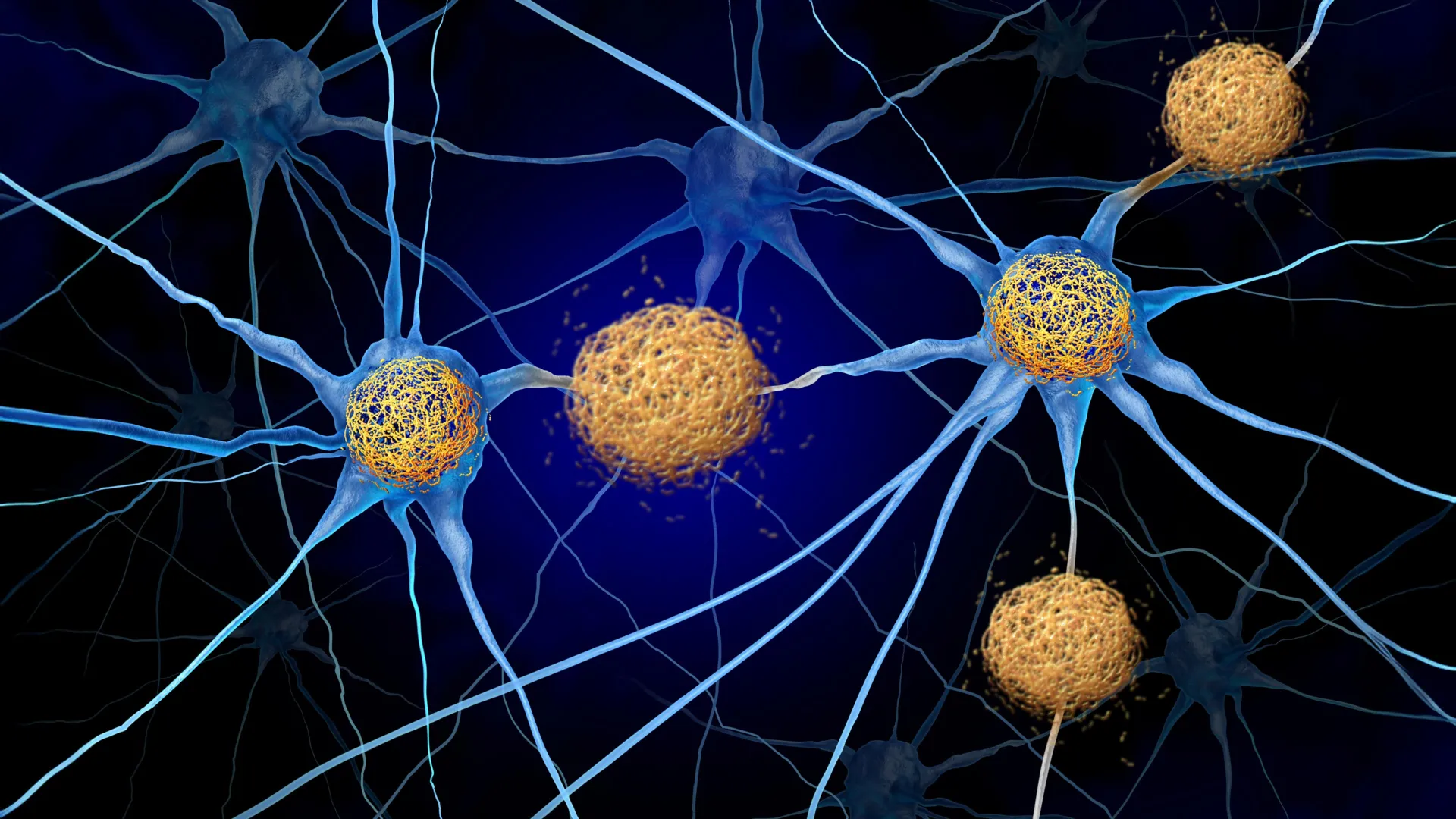
When STING undergoes this "SNO" modification, it begins to cluster into large protein complexes. In its normal state, STING is a vital part of the body’s early warning system against viruses and intracellular threats. However, the "SNO-STING" complexes found in Alzheimer’s brains are hyper-activated. This hyper-activation triggers a cascade of inflammatory signals that do not turn off, eventually leading the immune system to attack the brain’s own healthy synapses.
Chronology of Discovery: From Basic Chemistry to Clinical Target
The path to identifying SNO-STING as a therapeutic target has been decades in the making. The timeline of this research reflects a deepening understanding of how environmental and internal stressors converge on the brain’s chemistry:
- 1990s: Dr. Stuart Lipton discovers S-nitrosylation, establishing it as a fundamental mechanism for regulating protein function via nitric oxide.
- 2000s-2010s: Research from the Lipton laboratory and others begins to link "SNO" modifications to various neurodegenerative conditions, including Parkinson’s disease and Amyotrophic Lateral Sclerosis (ALS).
- Recent Years: The concept of the "SNO-STORM" is introduced, describing a phenomenon where aging, environmental toxins, and chronic inflammation cause a widespread surge in S-nitrosylation across many proteins, disrupting cellular homeostasis.
- The Current Study: The team focuses on STING due to its known role in the innate immune response. By identifying cysteine 148 as the critical site for S-nitrosylation, they move from a general understanding of inflammation to a specific, druggable target.
Supporting Data and Experimental Results
To validate their findings, the Scripps team utilized a multi-tiered experimental approach involving human stem cell models, postmortem human tissue, and genetically modified mice.
In the mouse models of Alzheimer’s disease, the researchers observed that as the disease progressed, levels of SNO-STING rose in tandem with cognitive impairment and synapse loss. To test if this chemical change was a cause rather than a symptom, the team engineered a version of the STING protein where cysteine 148 was replaced, preventing the S-nitrosylation reaction from occurring.
The results were striking. In mice carrying the "SNO-proof" version of STING, neuroinflammation was significantly reduced. More importantly, the researchers found that the synapses—the physical connections between neurons that are essential for memory and learning—were preserved. This protection occurred even in the presence of other Alzheimer’s-related stressors, suggesting that blocking the SNO-STING pathway could be a powerful way to maintain brain function.
Furthermore, the team discovered that common Alzheimer’s-related protein aggregates, such as amyloid-beta and alpha-synuclein, actually stimulate the production of nitric oxide, which in turn causes the S-nitrosylation of STING. This creates a vicious cycle: protein clumps trigger SNO-STING, which drives inflammation, which then produces more nitric oxide and more SNO-STING, accelerating the destruction of the brain.
Environmental and Aging Factors as Catalysts
A significant portion of the research highlights how external factors may exacerbate the SNO-STING pathway. Previous work by the Lipton lab has demonstrated that environmental exposures, such as air pollution and smoke from wildfires, can increase the levels of nitric oxide in the body. When combined with the natural biological changes associated with aging, these environmental triggers can push the brain’s chemistry toward a "SNO-STORM."
This finding provides a potential explanation for why the risk of Alzheimer’s increases so dramatically with age and why certain populations exposed to higher levels of pollution may show higher rates of neurodegenerative disease. It suggests that the SNO-STING modification is a point of convergence where genetics, environment, and aging meet to drive the progression of dementia.
Official Responses and Therapeutic Implications
The research has been met with enthusiasm in the neurology community, as it addresses a long-standing challenge in drug development: how to modulate the immune system without disabling it.
"This is a new and important therapeutic target for Alzheimer’s disease," stated senior author Stuart Lipton, who holds the Step Family Foundation Endowed Chair at Scripps Research. "It’s exciting to see that blocking this switch in mice reduces inflammation and protects the very brain cell connections that are lost in Alzheimer’s, especially because we found the same pathway to be activated in human Alzheimer’s brain samples."
Lipton emphasized that the precision of this target is its greatest strength. Traditional anti-inflammatory drugs often act like a "sledgehammer," shutting down broad immune pathways and leaving patients vulnerable to infection. However, by targeting only the S-nitrosylation site at cysteine 148, researchers believe they can "quiet" the overactive, pathological state of STING while leaving its normal, protective functions intact. "You still need STING to protect yourself from infections," Lipton added. "When we target cysteine 148, we’re not blocking the entire molecule; we’re just preventing STING from becoming overactivated."
Analysis of Broader Impact and Future Directions
The identification of SNO-STING represents a shift in how scientists approach the "neuroinflammation hypothesis" of Alzheimer’s. If successful in human trials, a drug targeting this specific molecular switch could complement existing therapies. While current FDA-approved monoclonal antibodies focus on removing amyloid-beta from the brain, a SNO-STING inhibitor would focus on protecting the brain from the secondary, inflammatory damage that often follows plaque formation.
The Scripps Research team is already moving forward with the development of small-molecule inhibitors designed to prevent the S-nitrosylation of cysteine 148. These molecules are currently undergoing refinement and will be tested in preclinical studies to determine their safety and efficacy before moving toward human clinical trials.
The implications may also extend beyond Alzheimer’s. Because the STING pathway is involved in the immune response across various tissues, the discovery of its regulation via S-nitrosylation could have relevance for other inflammatory diseases, including Parkinson’s disease, certain types of cancer, and even autoimmune disorders.
As the global population ages and the prevalence of Alzheimer’s disease is expected to rise, the discovery of the SNO-STING switch provides a tangible reason for optimism. By moving closer to the heart of the chemical processes that destroy the mind, researchers are paving the way for a new generation of treatments that focus on preservation, protection, and the restoration of neural health.
The study, "Redox regulation of neuroinflammatory pathways contributes to damage in Alzheimer’s disease brain," was a collaborative effort involving experts in neurology, chemistry, and mass spectrometry. It was supported by grants from the National Institutes of Health (NIH) and the U.S. Department of Defense, reflecting the high priority placed on finding novel solutions for the growing dementia crisis.