Scientists studying the remarkable regenerative capabilities of axolotls, zebrafish, and mice have identified a common genetic pathway that could pave the way for groundbreaking therapies aimed at regrowing human limbs. This significant interspecies research, detailed in the prestigious journal Proceedings of the National Academy of Sciences, offers a promising new direction for the fields of regenerative medicine and gene therapy, moving beyond current prosthetic solutions.
The collaborative effort, which brought together three distinct research labs, aimed to unravel the fundamental genetic mechanisms that govern regeneration across vastly different organisms. "This significant research brought together three labs, working across three organisms to compare regeneration," stated Wake Forest Assistant Professor of Biology Josh Currie, whose laboratory specializes in the study of the Mexican axolotl salamander. "It showed us that there are universal, unifying genetic programs that are driving regeneration in very different types of organisms, salamanders, zebrafish and mice."
This pioneering project also involved the expertise of Duke University plastic surgeon David A. Brown, who has dedicated his research to digit regeneration in mice, and Kenneth D. Poss from the University of Wisconsin-Madison, whose work focuses on the regenerative prowess of zebrafish fin regeneration. The combined knowledge and unique models provided by these institutions have yielded a critical insight into the genetic underpinnings of tissue repair and regrowth.
The Growing Need for Advanced Regenerative Therapies
The global burden of limb loss is substantial and projected to increase. Annually, more than one million amputations occur worldwide due to a range of factors including diabetes-related vascular disease, severe traumatic injuries, persistent infections, and cancer. According to statistics from the Global Burden of Disease, this number is expected to escalate as global populations age and the prevalence of conditions like diabetes continues to rise. This escalating challenge underscores the urgent need for innovative solutions that extend beyond traditional prosthetic devices.
For decades, researchers have striven to develop treatments that can restore natural movement, sensation, and full function to individuals who have experienced limb loss. The current reliance on prosthetic limbs, while advanced, often falls short of providing the seamless integration and sensory feedback that natural limbs offer. This new study, by identifying a core set of genes, suggests a potential biological pathway that could be harnessed to achieve this ambitious goal.
A Trio of Regenerative Champions: Axolotls, Zebrafish, and Mice
The selection of axolotls, zebrafish, and mice as model organisms was a strategic decision, as each species offers distinct advantages and perspectives on the process of regeneration.
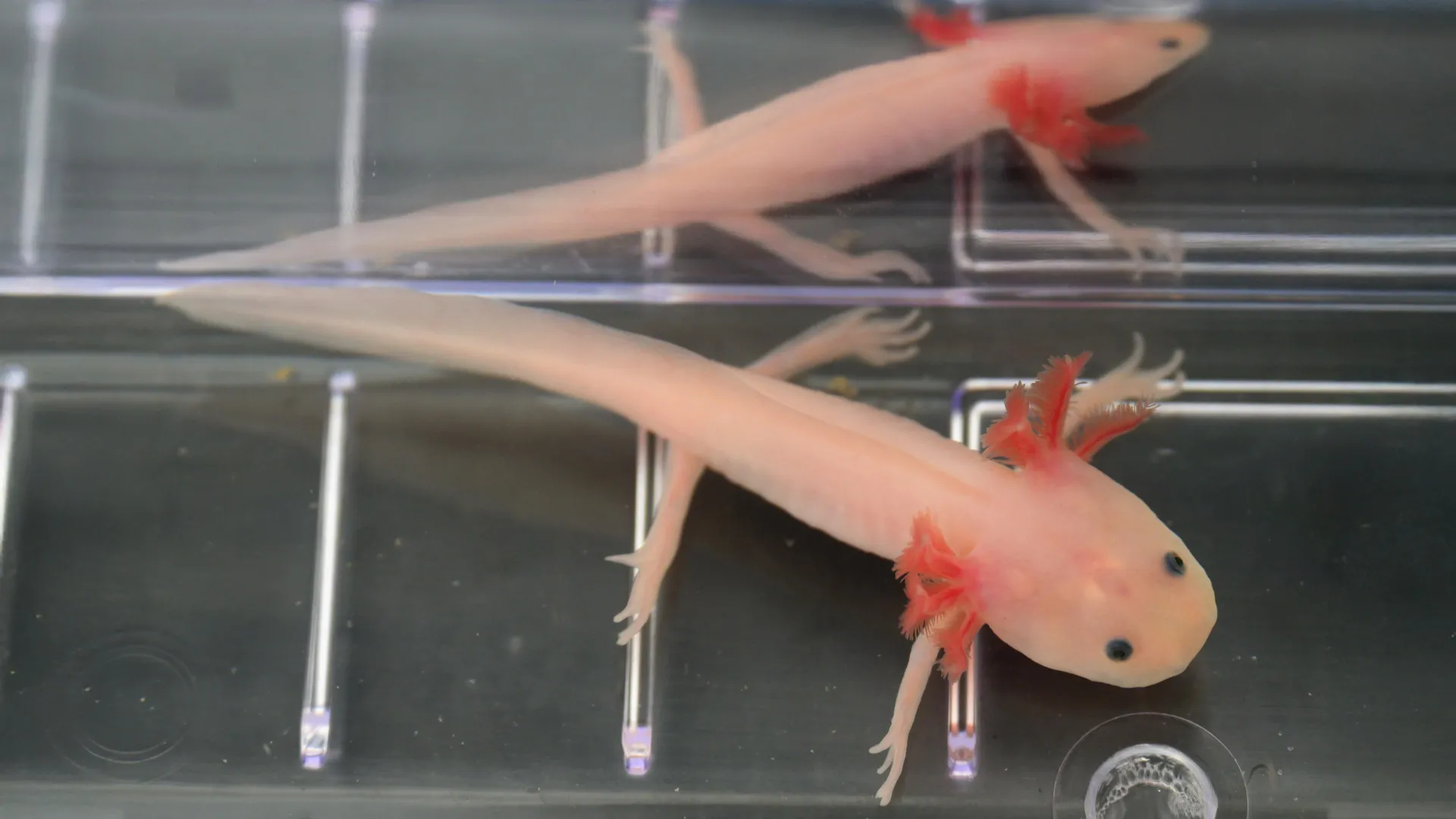
The Mexican axolotl ( Ambystoma mexicanum ) is renowned for its unparalleled regenerative abilities. These amphibians can regrow not only entire limbs with perfect fidelity but also their tails, spinal cord tissue, and even complex organs such as the heart, brain, lungs, liver, and jaw. Their extraordinary capacity for regeneration has made them a cornerstone in developmental biology and regenerative research for decades.
Zebrafish ( Danio rerio ) are another powerful model organism in regeneration studies. They possess the remarkable ability to repeatedly regrow damaged tail fins, a process that can be observed and quantified with relative ease. Beyond fin regeneration, zebrafish can also repair significant damage to their heart, brain, spinal cord, kidneys, retinas, and pancreas, showcasing a broad spectrum of regenerative potential.
Mice ( Mus musculus ), while not possessing the same dramatic regenerative capabilities as axolotls or zebrafish, were included in this study because they are mammals, making them genetically more similar to humans. This mammalian connection is crucial for translating findings to potential human applications. Mice exhibit a limited form of regeneration, notably the ability to regrow the tips of their digits. This observation is particularly relevant because humans, under specific conditions, can also regrow fingertips if the nailbed remains intact after an injury, allowing for the regeneration of skin, flesh, and bone.
Uncovering the Shared Genetic Language of Regeneration
The collaborative research team focused on identifying conserved genetic pathways that are activated during the regeneration process in all three species. Their breakthrough came with the discovery that a specific group of genes, known as the SP genes, appear to play a pivotal role.
Specifically, the researchers observed that in all three species, the regenerating epidermis, or skin tissue, activates two key genes: SP6 and SP8. This finding suggested that these genes are not unique to one organism’s regenerative machinery but are part of a more universal biological program. Following this initial discovery, the team delved deeper into understanding the precise functions of SP6 and SP8 in the context of regeneration.
Within Currie’s lab at Wake Forest, the research was supported by Biology Ph.D. student Tim Curtis Jr. and undergraduate Elena Singer-Freeman, a Goldwater Scholar and a candidate for a 2025 graduation in biochemistry and molecular biology. Their contributions were instrumental in the experimental work involving axolotls.
CRISPR Reveals the Critical Role of SP Genes in Limb Regrowth
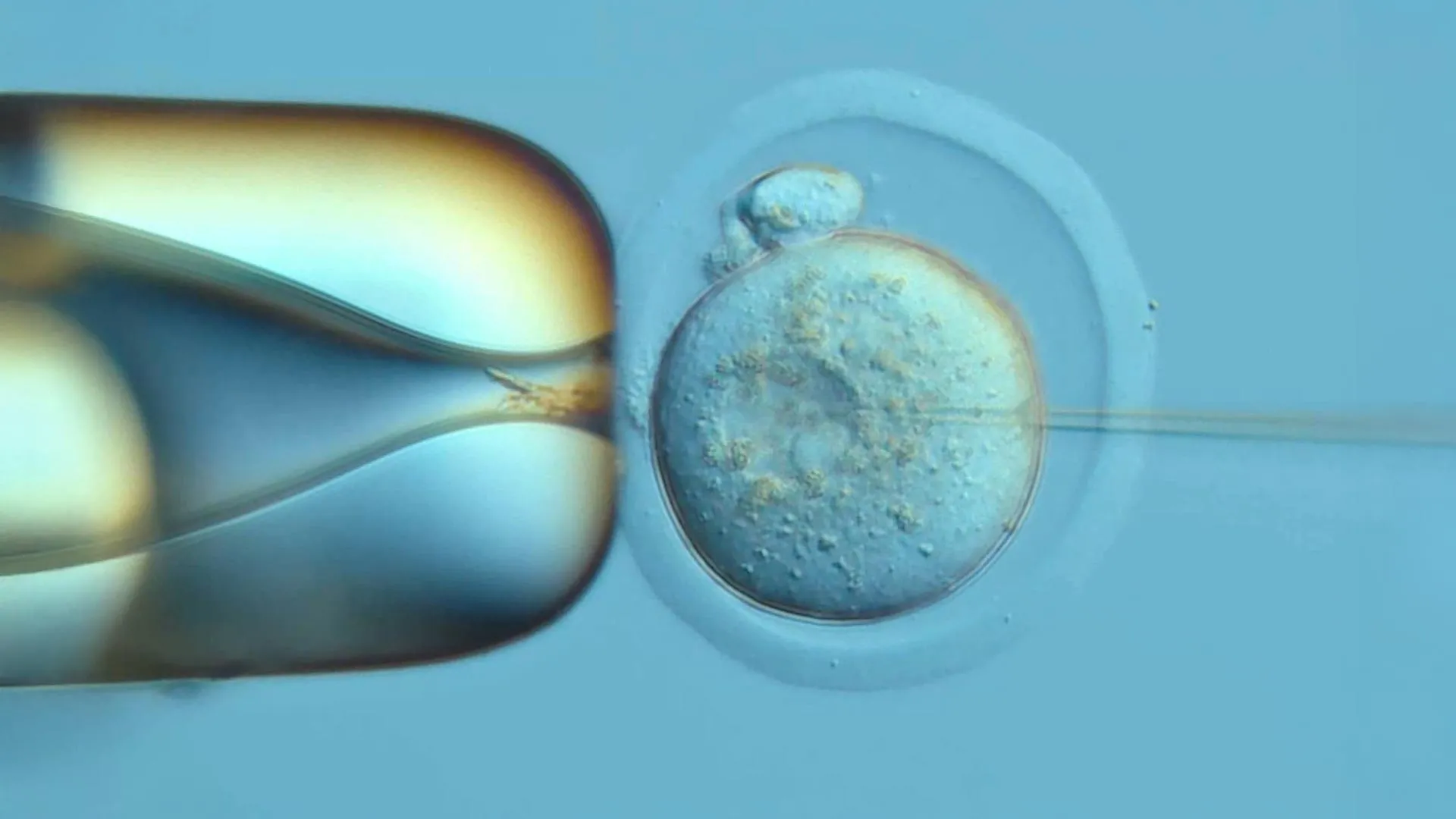
To precisely elucidate the function of these SP genes, the researchers employed advanced gene-editing technologies. Using CRISPR-Cas9, a revolutionary tool that allows for precise modifications to DNA, Currie’s team targeted the SP8 gene in axolotls. By effectively removing SP8 from the axolotl genome, they were able to observe the consequences on limb regeneration.
The results were striking. Axolotls lacking the SP8 gene were unable to properly regenerate their limb bones. This indicated that SP8 is not merely involved in the process but is critically important for the skeletal component of limb regrowth. Similar observations were made in mice. When SP6 and SP8 were experimentally inactivated in regenerating digits, the mice exhibited significant defects, mirroring the problems seen in the axolotls.
These findings provided compelling evidence that SP6 and SP8 are essential components of the genetic toolkit required for effective limb and digit regeneration across these diverse species.
Gene Therapy: Mimicking Nature’s Repair Mechanisms
Building upon the understanding of the SP genes’ critical role, David A. Brown’s lab at Duke University took the next crucial step: exploring the potential for gene therapy. Leveraging the insights gained from zebrafish, which possess robust regenerative capabilities, Brown’s team designed a viral gene therapy vector. This therapy was based on a known tissue regeneration enhancer previously identified in zebrafish research.
The therapeutic approach involved delivering a signaling molecule called FGF8. FGF8 is a crucial protein that is normally activated downstream of SP8. By delivering FGF8 directly to the site of injury in mice, the researchers aimed to bypass the need for the endogenous SP genes and stimulate the regenerative process.
The experimental treatment yielded promising results. In mice with damaged digits, the FGF8 gene therapy encouraged bone regrowth and partially restored some of the regenerative abilities that were lost when the SP genes were absent. This demonstrated the potential to therapeutically mimic the signaling pathways that are naturally orchestrated by the SP genes.
While human limbs do not possess the same innate regenerative capacity as salamander limbs, the researchers are optimistic that future therapies could be engineered to emulate some of the biological mechanisms controlled by these SP genes. "We can use this as a kind of proof of principle that we might be able to deliver therapies to substitute for this regenerative style of epidermis in regrowing tissue in humans," explained Professor Currie. This suggests that by understanding and manipulating these conserved genetic pathways, it might be possible to trigger regenerative processes in human tissues that are currently incapable of significant regrowth.
The Road Ahead: Towards Human Limb Regeneration
Despite the significant progress, the researchers are keen to emphasize that this work is still in its nascent stages. Extensive further research and validation will be required before findings in animal models can be translated into safe and effective therapies for humans. The complexity of human biology and the intricacies of limb regeneration present substantial challenges that will necessitate years of dedicated study.
Nevertheless, Professor Currie views this research as laying a crucial foundation for future advancements in regenerative treatments. "Scientists are pursuing many solutions for replacing limbs, including bioengineered scaffolds and stem cell therapies," he elaborated. "The gene-therapy approach in this study is a new avenue that can complement and potentially augment what will surely be a multi-disciplinary solution to one day regenerate human limbs." This highlights the understanding that regenerative medicine will likely involve a multifaceted approach, integrating various scientific disciplines and technological innovations.
Furthermore, Professor Currie underscored the profound importance of interdisciplinary and interspecies collaboration in scientific discovery. "Many times, scientists work in their silos: we’re just working in axolotl, or we’re just working in mouse, or just working in fish," he observed. "A real standout feature of this research is that we work across all these different organisms. That is really powerful, and it’s something that I hope we’ll see more of in the field." This emphasis on cross-species comparative research is a key takeaway, suggesting that understanding the common threads in biological processes across different life forms can accelerate breakthroughs that benefit humanity. The ability to synthesize knowledge from the extraordinary regenerative capabilities of amphibians, the adaptable repair mechanisms of fish, and the mammalian model of mice, has clearly unlocked a new level of understanding.
The journey from identifying conserved genes to developing human therapies will undoubtedly be long and arduous, involving rigorous preclinical testing, human clinical trials, and regulatory approvals. However, the identification of the SP gene family as a central orchestrator of regeneration across diverse species represents a significant leap forward, offering a tangible and scientifically grounded hope for a future where limb regeneration in humans is no longer confined to the realm of science fiction. This groundbreaking research serves as a testament to the power of comparative biology and collaborative scientific endeavor in addressing some of humanity’s most pressing medical challenges.