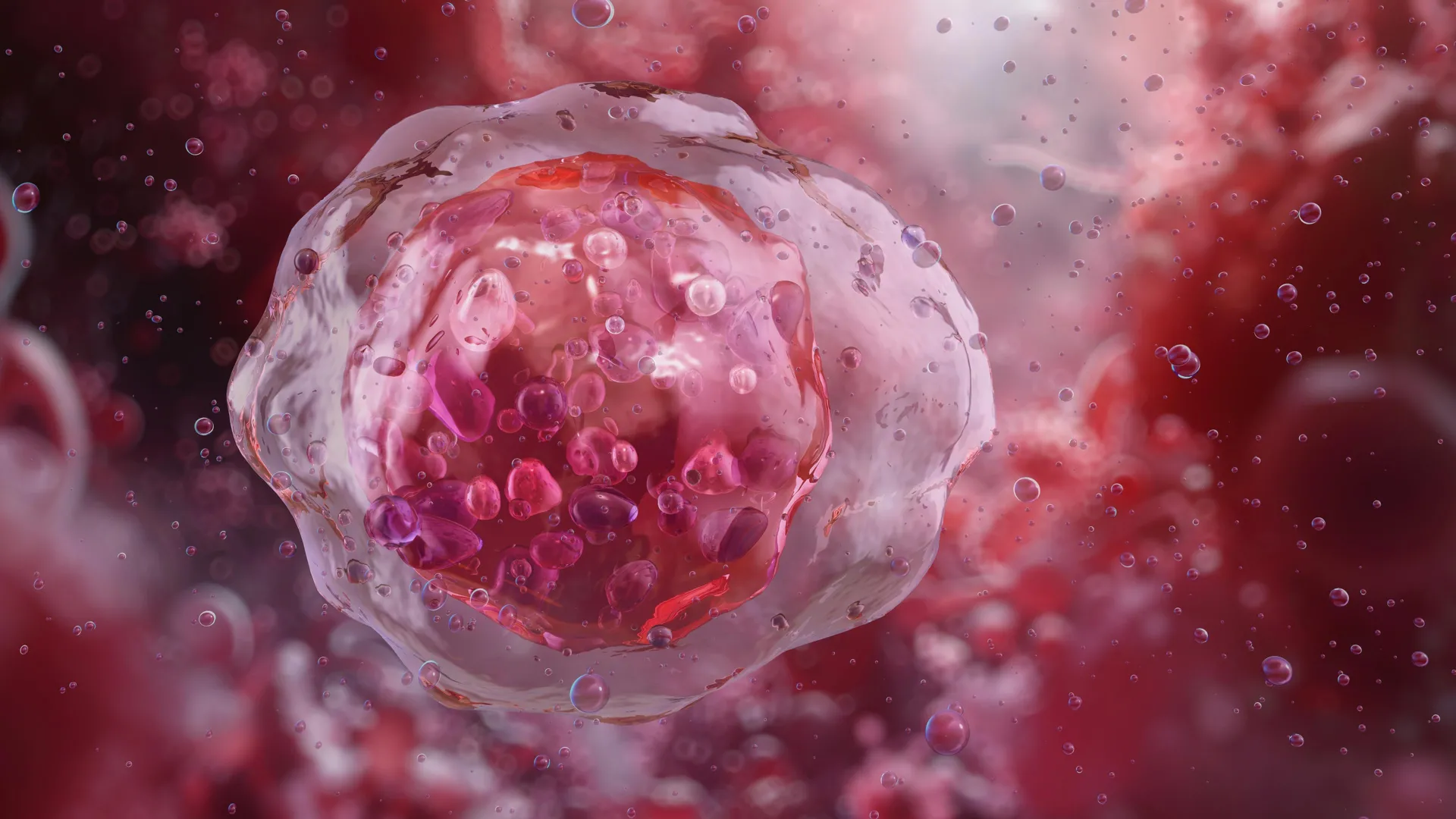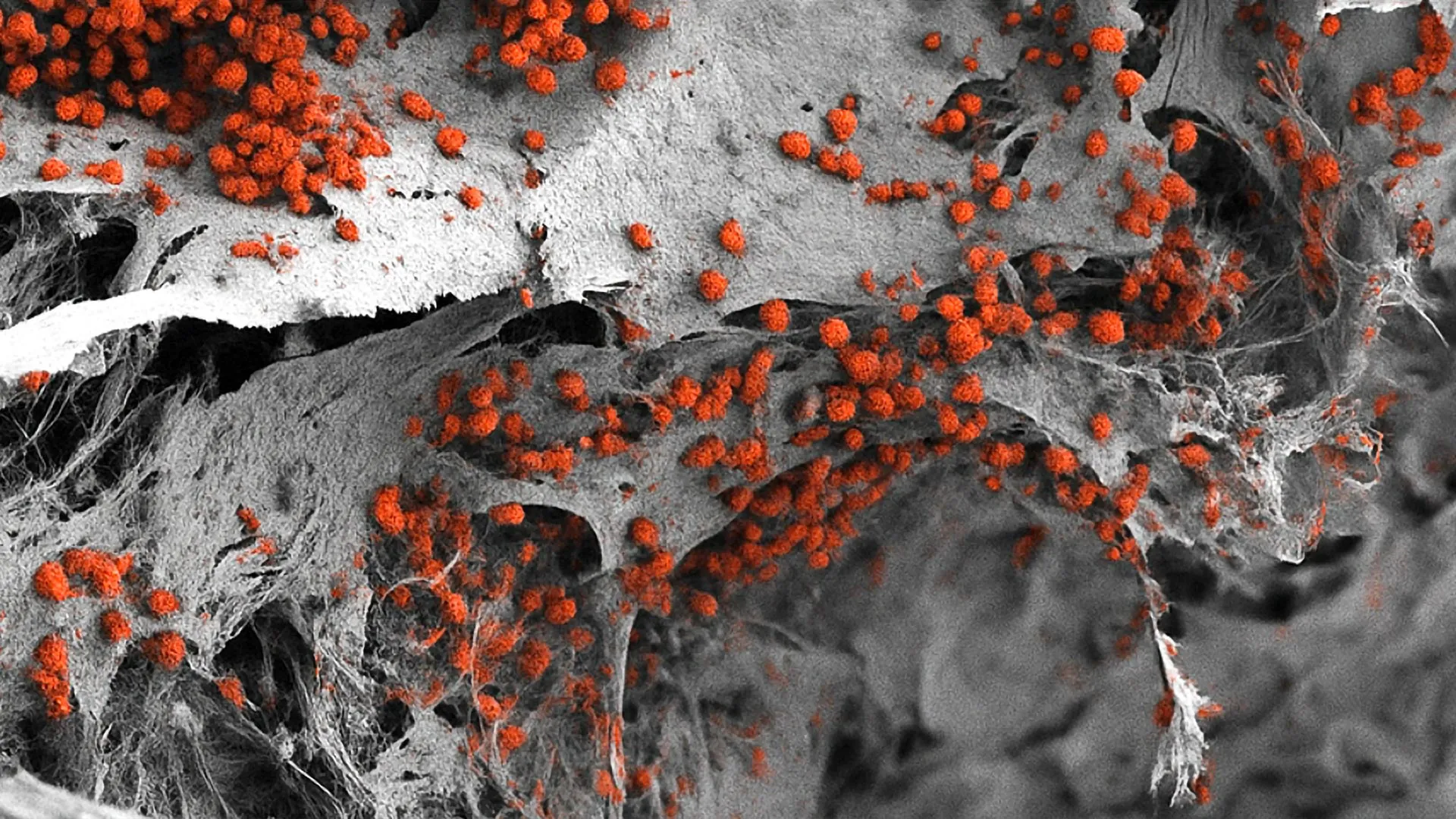
In a significant paradigm shift for the field of cell biology, researchers at Stanford Medicine have identified that glucose, the primary sugar utilized for energy by nearly every living cell, serves a dual purpose as a master regulator of tissue differentiation. This process, where undifferentiated stem cells transform into specialized cells that constitute various bodily tissues, was previously thought to be driven primarily by complex protein signaling cascades. However, the new study, published in the journal Cell Stem Cell, reveals that glucose dictates the fate of these cells not through its breakdown for energy, but by acting as a direct signaling molecule in its intact form.
The discovery challenges decades of biological dogma which viewed glucose almost exclusively as a fuel source. By binding directly to specific proteins that govern gene expression, glucose functions as a biochemical switch, determining when and how a cell matures into its final specialized state. This "undercover double life" of the world’s most common sugar has profound implications for understanding human development, as well as managing chronic conditions like diabetes and aggressive cancers characterized by a lack of cellular differentiation.
A Serendipitous Finding in Skin Stem Cell Research
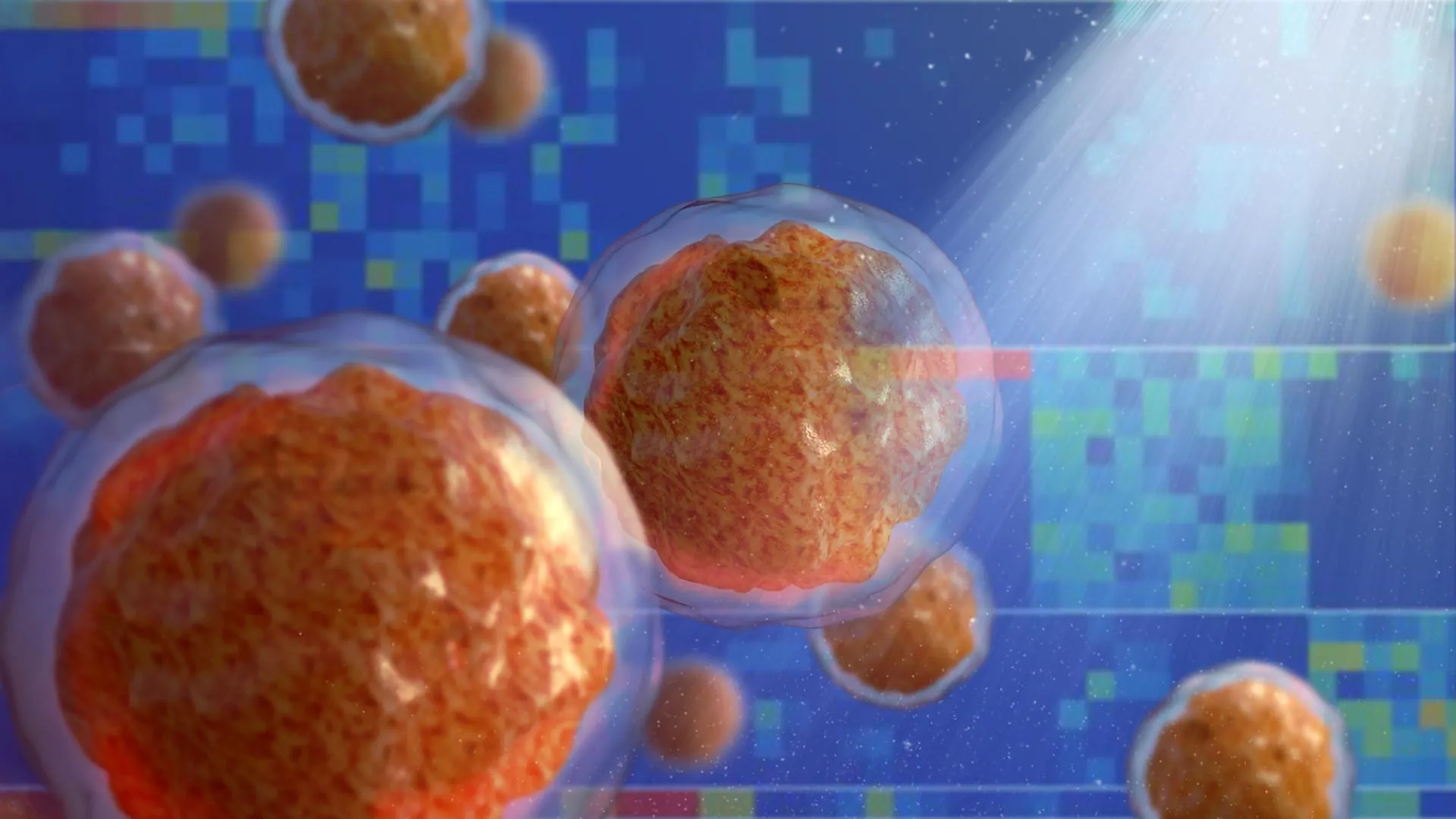
The research team, led by senior author Paul Khavari, MD, PhD, the Carl J. Herzog Professor in Dermatology and chair of the department, did not initially set out to study glucose. The investigation began as a broad exploration into the various molecules that drive the maturation of human skin. Using a combination of high-throughput screening and mass spectrometry, the researchers tracked the fluctuations of thousands of biomolecules as skin stem cells transitioned into mature keratinocytes—the cells that form the protective outer layer of the human epidermis.
The team hypothesized that molecules increasing in concentration during this transition would likely be the drivers of differentiation. Upon analyzing the data, they identified 193 candidate molecules. While many were known proteins and signaling factors, the second most elevated molecule on the list was glucose. This finding was initially met with skepticism within the laboratory.
According to Dr. Khavari, the team expected glucose levels to decrease as cells differentiated. As stem cells mature, they typically divide less frequently and enter a state closer to senescence, which usually correlates with lower metabolic and energy requirements. Finding a significant spike in glucose levels as cells moved from an undifferentiated state to a specialized one suggested a role for the sugar that had nothing to do with cellular "fueling."
Validating the Glucose Spike: A Multi-Tissue Phenomenon
To ensure the validity of their surprising discovery, the Stanford researchers spent several years conducting exhaustive follow-up experiments. They utilized fluorescent and radioactive glucose analogs to measure the uptake of the sugar in real-time. They also employed biological sensors designed to glow in response to specific concentrations of glucose within the cell.
The results were consistent across various testing environments. As differentiation progressed, the cells’ internal glucose sensors glowed with increasing intensity, confirming a deliberate accumulation of the sugar. To determine if this was a unique characteristic of skin cells or a more universal biological mechanism, the team expanded their scope to include other human tissue types, such as developing bone, fat, and white blood cells. They also utilized genetically engineered mice to observe the process in vivo.
In every tissue type examined, the researchers observed the same pattern: glucose levels rose sharply as cells began to differentiate. Further investigation revealed that this increase was managed by the cell through a two-pronged approach: increasing the production of glucose transporters to bring more sugar in from the extracellular environment and simultaneously decreasing the export of glucose back out of the cell.
Decoupling Energy Production from Cellular Signaling
The most critical turning point in the study occurred when the researchers attempted to separate the metabolic function of glucose from its potential signaling function. They grew human skin organoids—complex, lab-grown tissues that mimic the structure of real skin—in a medium containing glucose analogs that the cells are unable to break down or "catabolize."
In traditional biological models, these cells should have failed to differentiate due to a lack of energy. However, the organoids treated with non-metabolizable glucose differentiated normally, just as they would in the presence of standard glucose. This provided definitive proof that the physical presence of the glucose molecule itself, rather than the energy released from its chemical bonds, was the catalyst for tissue maturation.
When the researchers intentionally lowered glucose levels, they observed a massive disruption in cellular behavior. Over 3,000 genes were affected by the glucose deficiency, many of which were essential for the protein synthesis required for skin differentiation. This confirmed that glucose acts as a "broadcast signal" throughout the cell, providing a universal cue for the genome to begin the transition from a stem cell to a specialized tissue cell.
The Mechanistic Link: Glucose and the IRF6 Protein
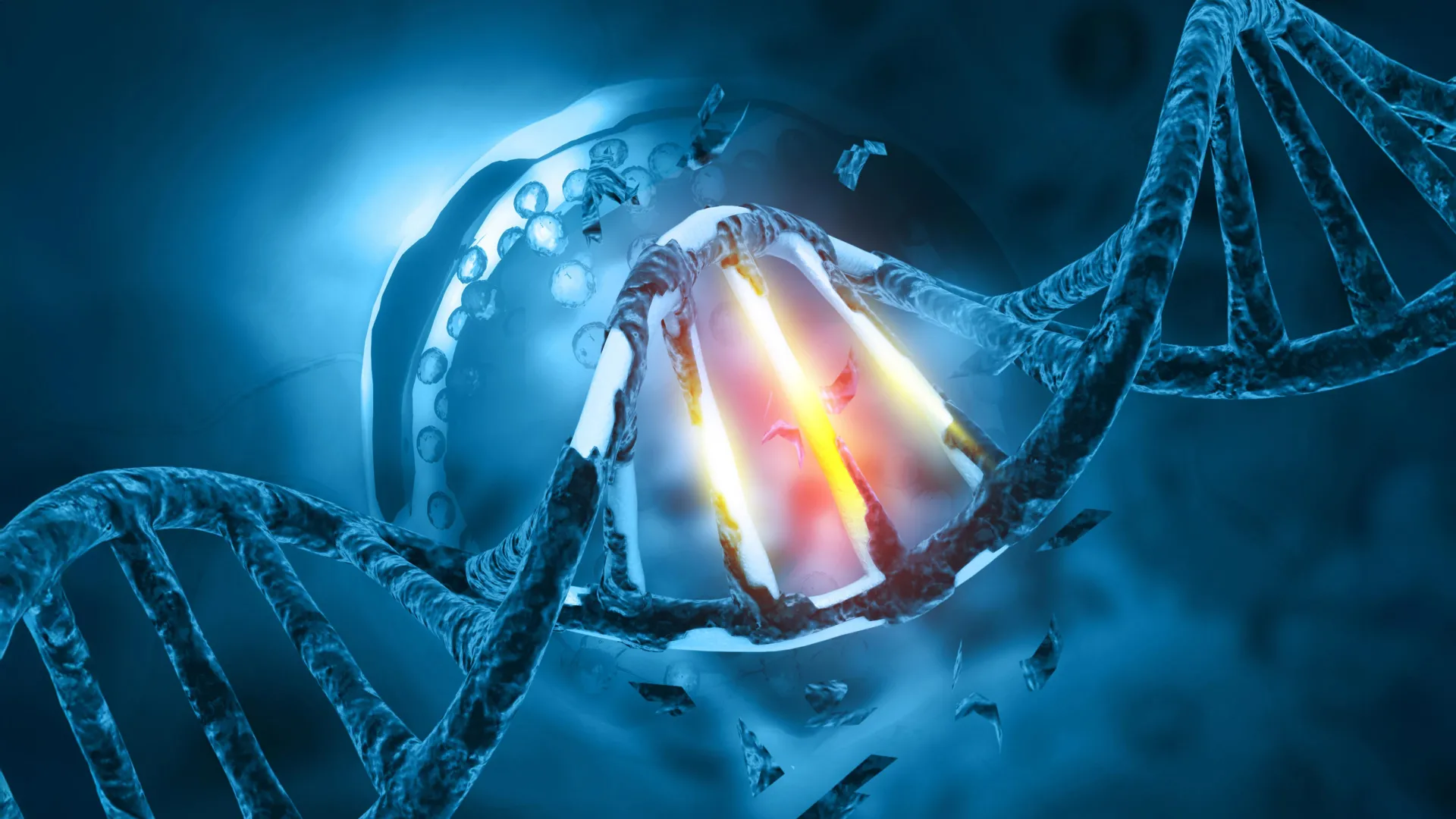
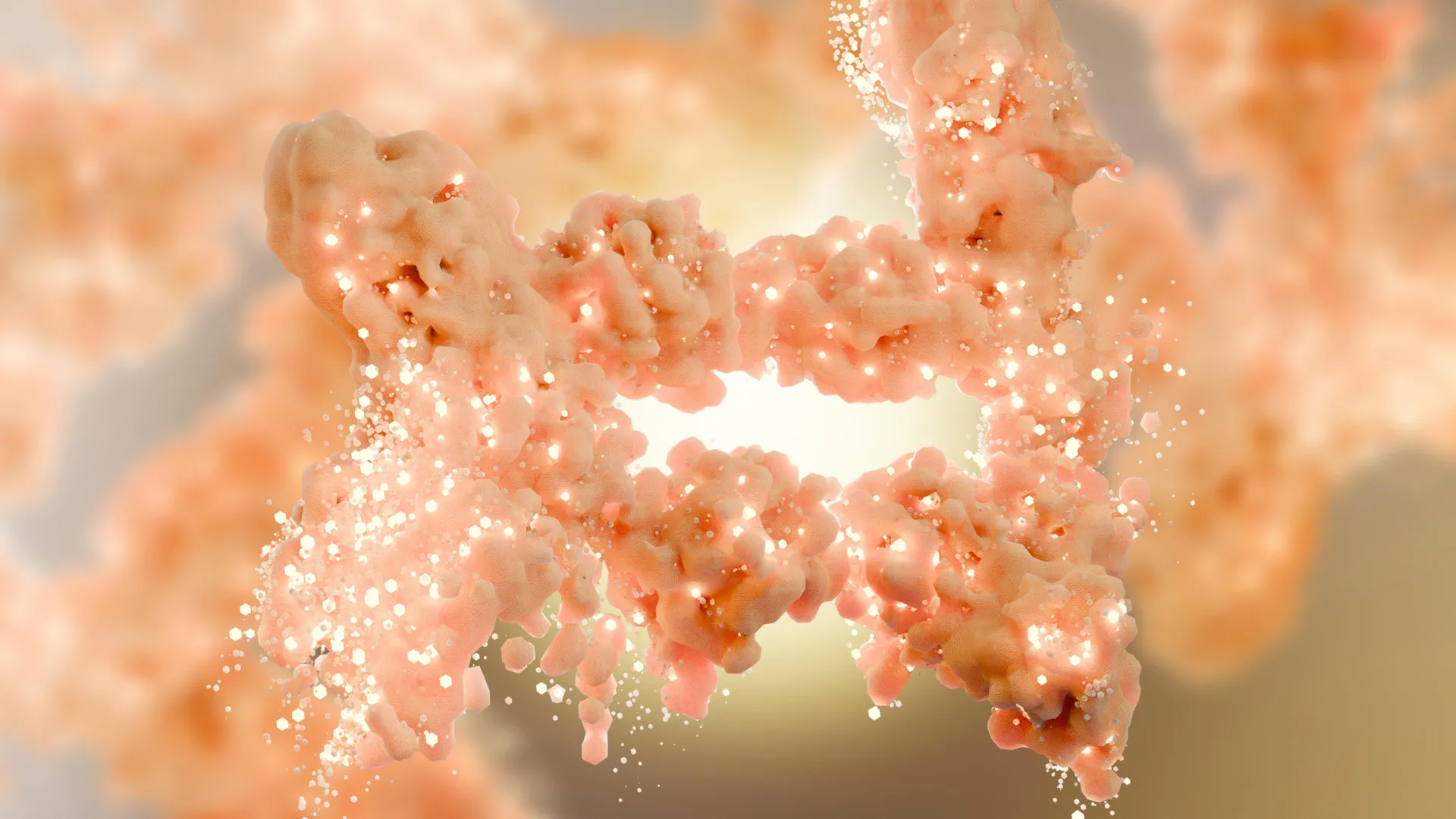
The researchers sought to identify exactly how a simple sugar could influence complex gene expression. They discovered that once glucose levels rise within the cell, the sugar binds to hundreds of different proteins. One of the most significant interactions identified was with a protein called IRF6 (Interferon Regulatory Factor 6).
IRF6 is a well-known transcription factor that plays a vital role in the development of the skin, limbs, and face. Mutations in the gene that produces IRF6 are known to cause Van der Woude syndrome, which results in cleft lip and palate. The Stanford study found that when glucose binds to IRF6, it induces a conformational change—essentially changing the protein’s shape. This structural shift allows IRF6 to more effectively regulate the genes responsible for driving cellular differentiation.
Dr. Khavari compared this mechanism to a fire alarm. While most cellular signals are highly targeted and travel along specific pathways (like a telephone call to a specific department), glucose acts like a building-wide alarm. When glucose levels rise, the signal is felt everywhere simultaneously, activating a suite of proteins like IRF6 to coordinate a massive, cell-wide shift in function.
Implications for Diabetes and Wound Healing
The discovery offers a potential explanation for why individuals with diabetes often suffer from impaired wound healing and poor tissue regeneration. Diabetes is characterized by chronically high levels of blood sugar, but the disease often disrupts how that sugar is transported into and utilized by specific cells.
If glucose is a master regulator of differentiation, then the dysregulation of glucose levels in diabetic patients likely "muffles" or distorts the signals required for skin and tissue to repair themselves. By understanding the specific proteins that glucose binds to, such as IRF6, researchers may be able to develop targeted therapies that bypass the metabolic insulin pathways to directly stimulate tissue repair in diabetic patients.
A New Frontier in Cancer Research
The Stanford study also holds significant promise for oncology. One of the hallmarks of cancer is the presence of "undifferentiated" cells—cells that have lost their specialized function and reverted to a primitive, rapidly dividing state. These undifferentiated cells are often the most aggressive and resistant to treatment.
Historically, researchers have noted the "Warburg Effect," where cancer cells consume vast amounts of glucose. While this was long assumed to be solely for the purpose of fueling rapid growth, the Stanford findings suggest a more complex relationship. It is possible that cancer cells manipulate glucose signaling to prevent differentiation, thereby remaining in a stem-like, proliferative state.
Furthermore, some glucose analogs have already shown efficacy in preclinical cancer trials. While they were originally designed to "starve" cancer cells of energy, this new research suggests their actual mechanism of action might be forcing immature cancer cells to differentiate into specialized cells, which naturally stop dividing and eventually die. This approach, known as differentiation therapy, aims to "tame" cancer cells rather than simply killing them with toxic chemotherapy.
Timeline of the Discovery and Future Outlook
The study represents the culmination of several years of intensive research. Following the initial serendipitous finding during high-throughput screening, the team spent approximately three to four years conducting the validation experiments required to overturn the existing metabolic consensus. The research was supported by substantial funding from the National Institutes of Health (NIH) and the U.S. Department of Veterans Affairs Office of Research and Development, reflecting the high level of interest in the intersection of metabolism and stem cell biology.
Looking forward, the Khavari lab and other researchers in the field are likely to investigate other small biomolecules that have been previously dismissed as "passive" metabolites. The discovery that glucose—the most basic of biological building blocks—has such a sophisticated regulatory role suggests that other sugars, amino acids, and lipids may also be performing "undercover" signaling duties.
"This finding is a springboard for research on the dysregulation of glucose levels, which affects hundreds of millions of people worldwide," Dr. Khavari noted. He emphasized that the study opens an entirely new field of "metabolic signaling," where the focus shifts from how cells eat to how cells "think" and organize themselves based on the nutrients available to them.
As science continues to peel back the layers of cellular operation, the humble glucose molecule has moved from the role of a simple coal-like fuel to that of a sophisticated conductor of the biological orchestra. This shift in understanding may soon lead to a new generation of treatments for some of the most challenging diseases in modern medicine.