The fundamental link between physical activity and skeletal health has long been recognized by the medical community, yet the precise biological mechanisms that allow bone tissue to "sense" and respond to mechanical movement have remained largely elusive. In a landmark study that could redefine the treatment of age-related bone degradation, researchers from the Department of Medicine at the School of Clinical Medicine, LKS Faculty of Medicine, the University of Hong Kong (HKUMed), have identified a specific protein that functions as the body’s internal exercise sensor. This discovery, published in the prestigious journal Signal Transduction and Targeted Therapy, identifies the protein Piezo1 as the critical mediator that translates physical forces into bone-strengthening signals. By decoding this molecular pathway, the research team has opened a new frontier in the development of "exercise mimetics"—pharmacological interventions designed to replicate the physiological benefits of exercise for individuals who are physically unable to perform it.
The Global and Local Burden of Osteoporosis
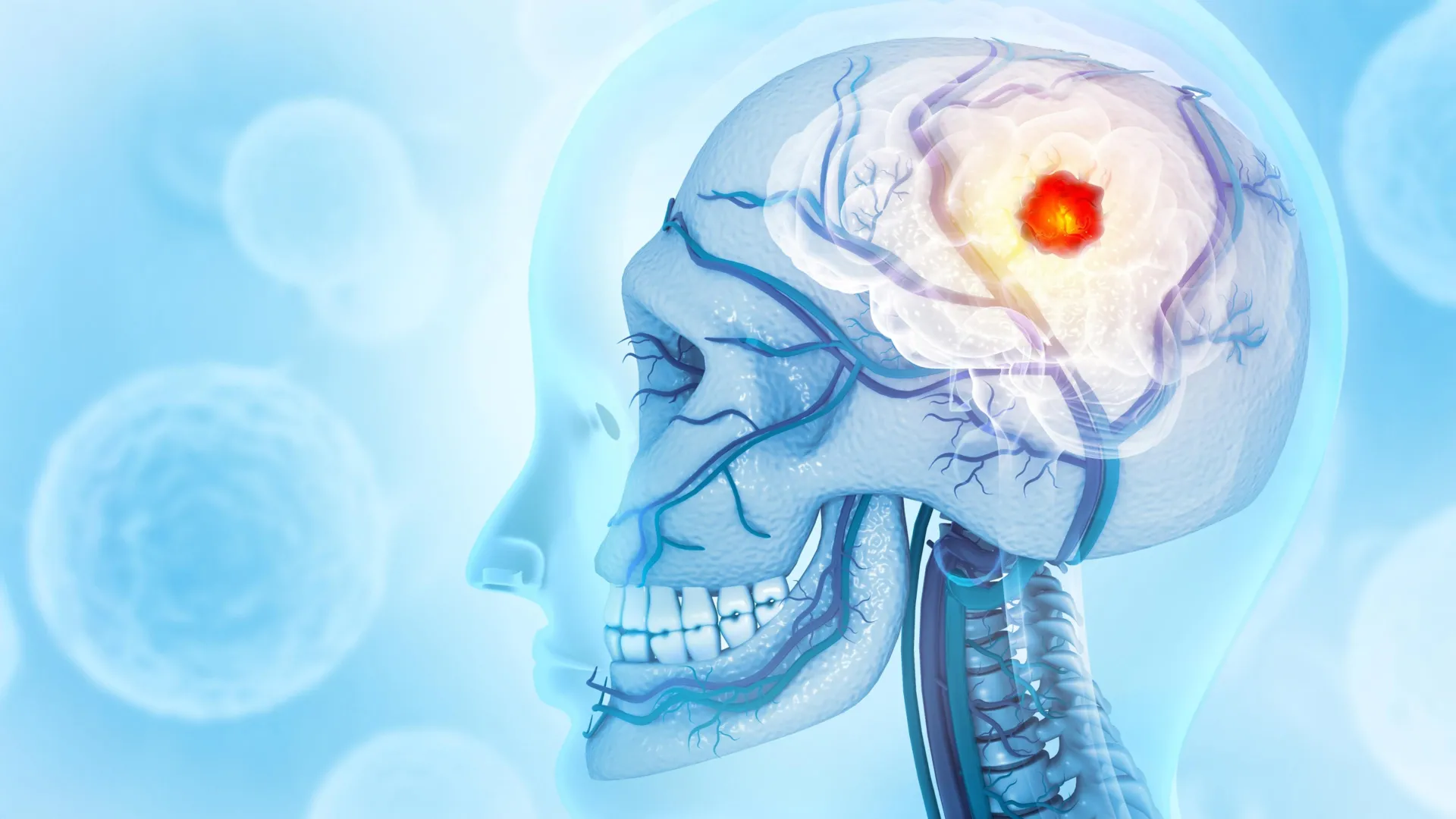
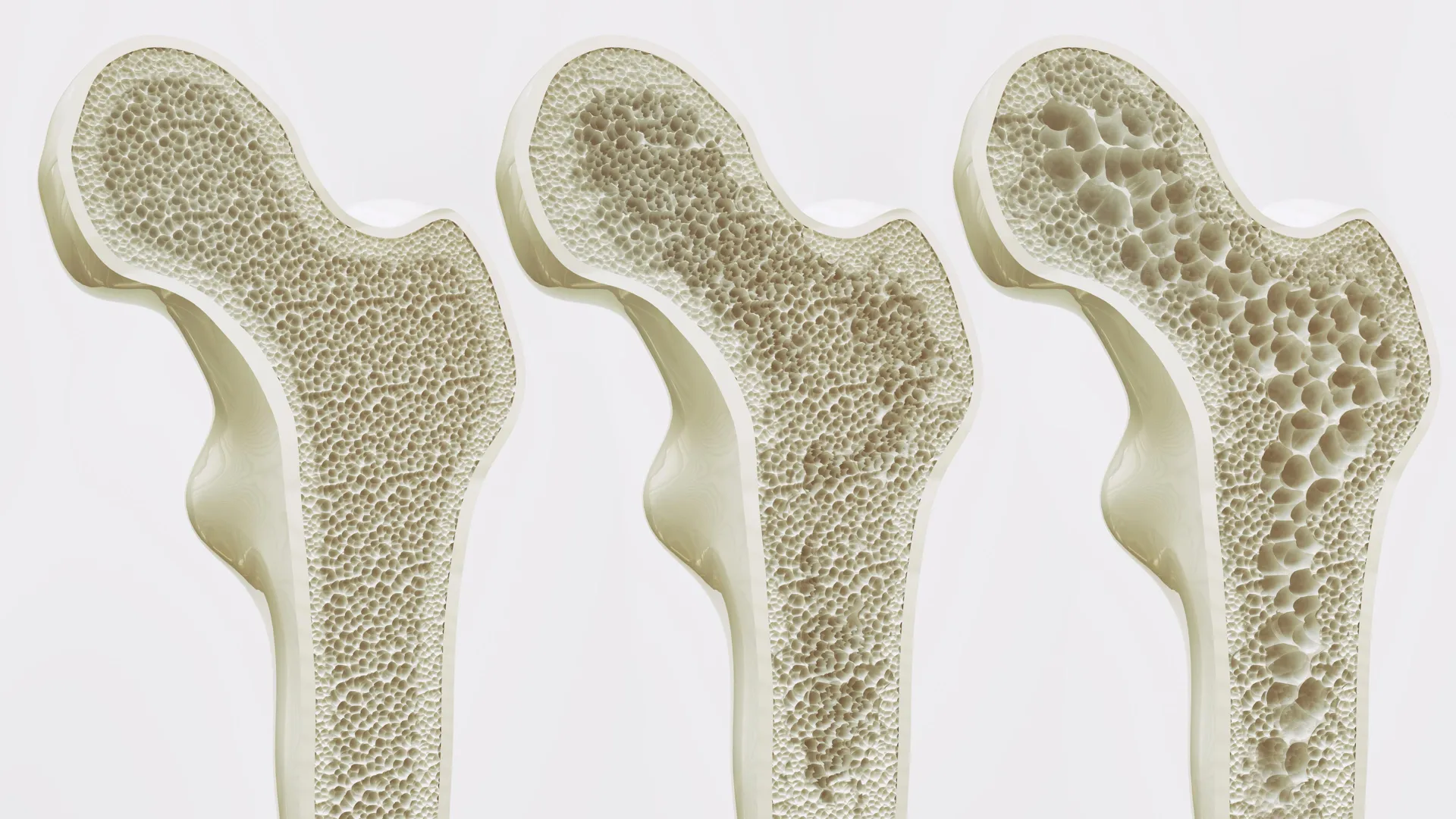
Osteoporosis is frequently characterized as a "silent epidemic" because bone loss occurs without symptoms until a fracture takes place. The scale of the problem is vast; according to data from the World Health Organization (WHO), approximately one in three women and one in five men over the age of 50 will suffer an osteoporotic fracture during their lifetime. These injuries are not merely orthopedic concerns; they are major drivers of morbidity and mortality among the elderly. Hip fractures, in particular, are associated with a 20-24% mortality rate within the first year following the injury.
In Hong Kong, the implications are particularly acute due to the city’s rapidly aging demographic. Local statistics indicate that osteoporosis affects approximately 45% of women and 13% of men aged 65 and older. As the population continues to age, the strain on the public healthcare system is expected to intensify. Fractures often lead to a permanent loss of independence, requiring long-term nursing care and significantly reducing the quality of life. Current therapeutic options, while effective for many, often come with side effects or require a level of physical mobility that many high-risk patients—such as those who are bedridden or suffer from severe frailty—cannot maintain.
The Biological Switch: Bone vs. Fat
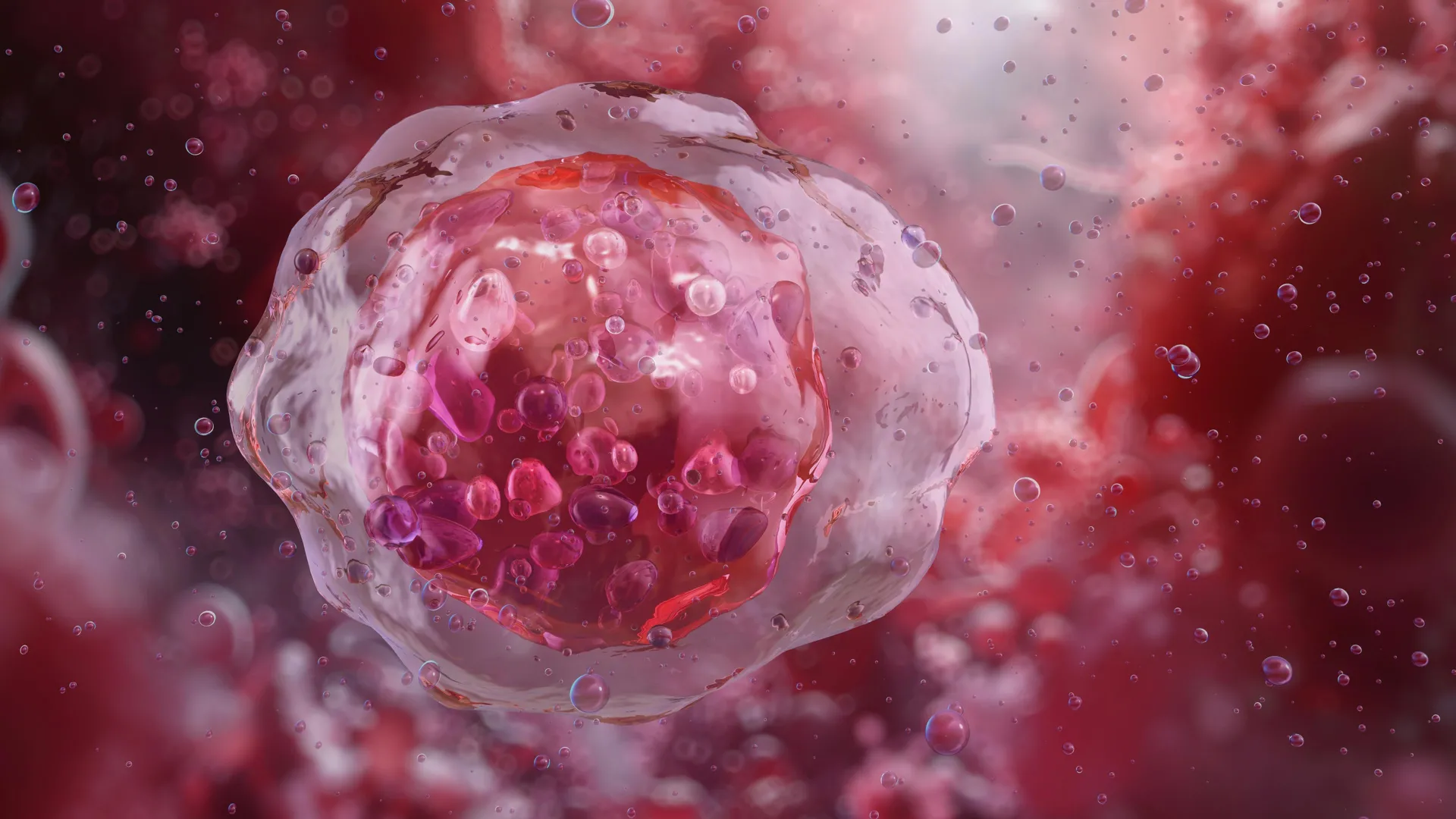
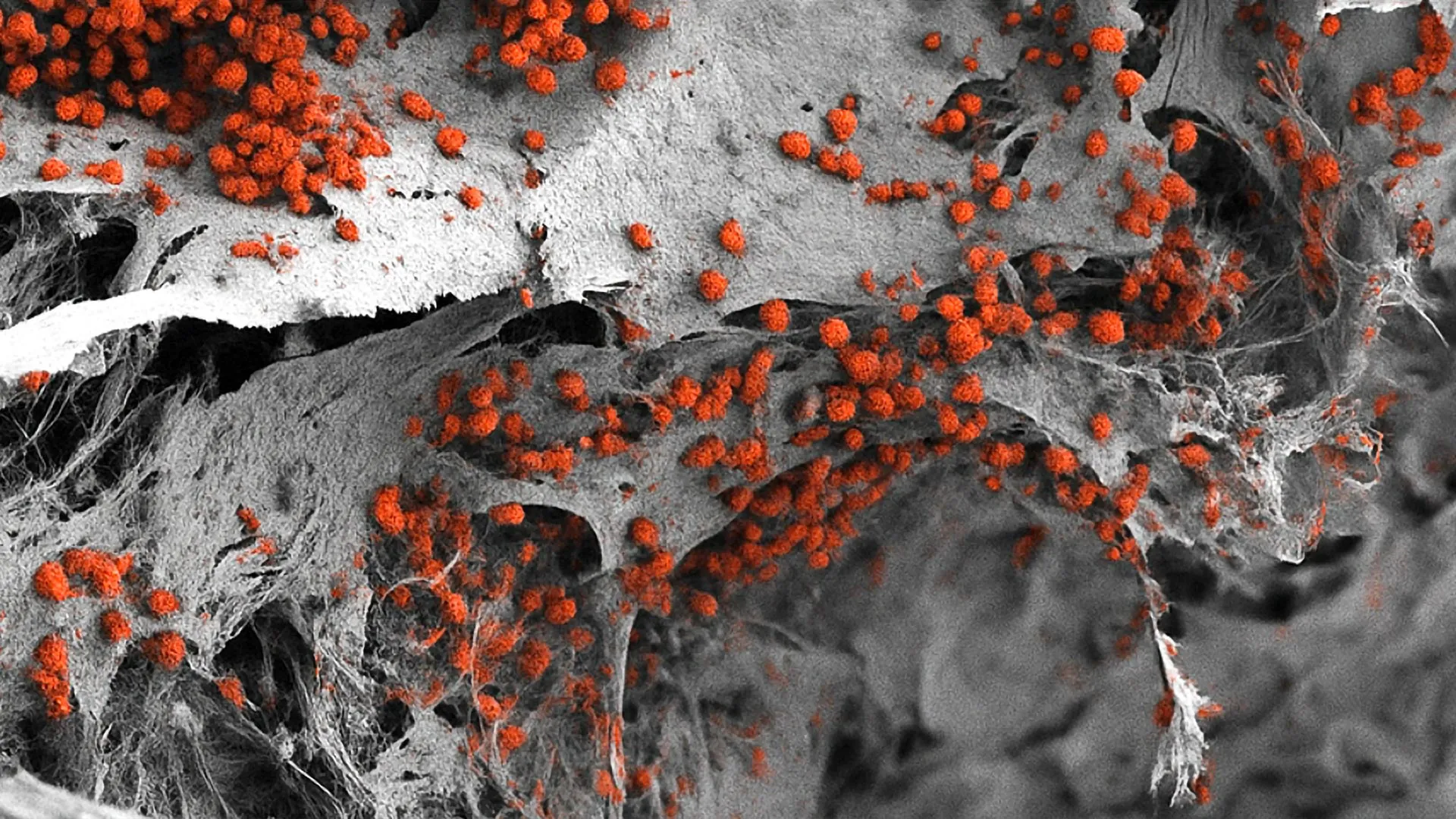
To understand the HKUMed discovery, it is necessary to examine the internal environment of the bone marrow. Within the marrow reside mesenchymal stem cells (MSCs), which possess the remarkable ability to differentiate into various types of tissue. In a healthy, active individual, these stem cells are predominantly directed to become osteoblasts, the cells responsible for building new bone. This process is heavily influenced by mechanical loading—the pressure and tension placed on bones during walking, running, or weight-bearing exercise.
However, the aging process disrupts this delicate equilibrium. As humans age, the biological "switch" in the bone marrow shifts. Instead of producing bone-building cells, the mesenchymal stem cells increasingly differentiate into adipocytes, or fat cells. This phenomenon, known as marrow adipose tissue (MAT) accumulation, creates a double-edged sword: it reduces the density of the bone while simultaneously crowding out healthy bone-forming environments. The result is a porous, weakened skeletal structure that is highly susceptible to fractures even from minor falls or routine movements.
Identifying Piezo1: The Mechanical Sensor
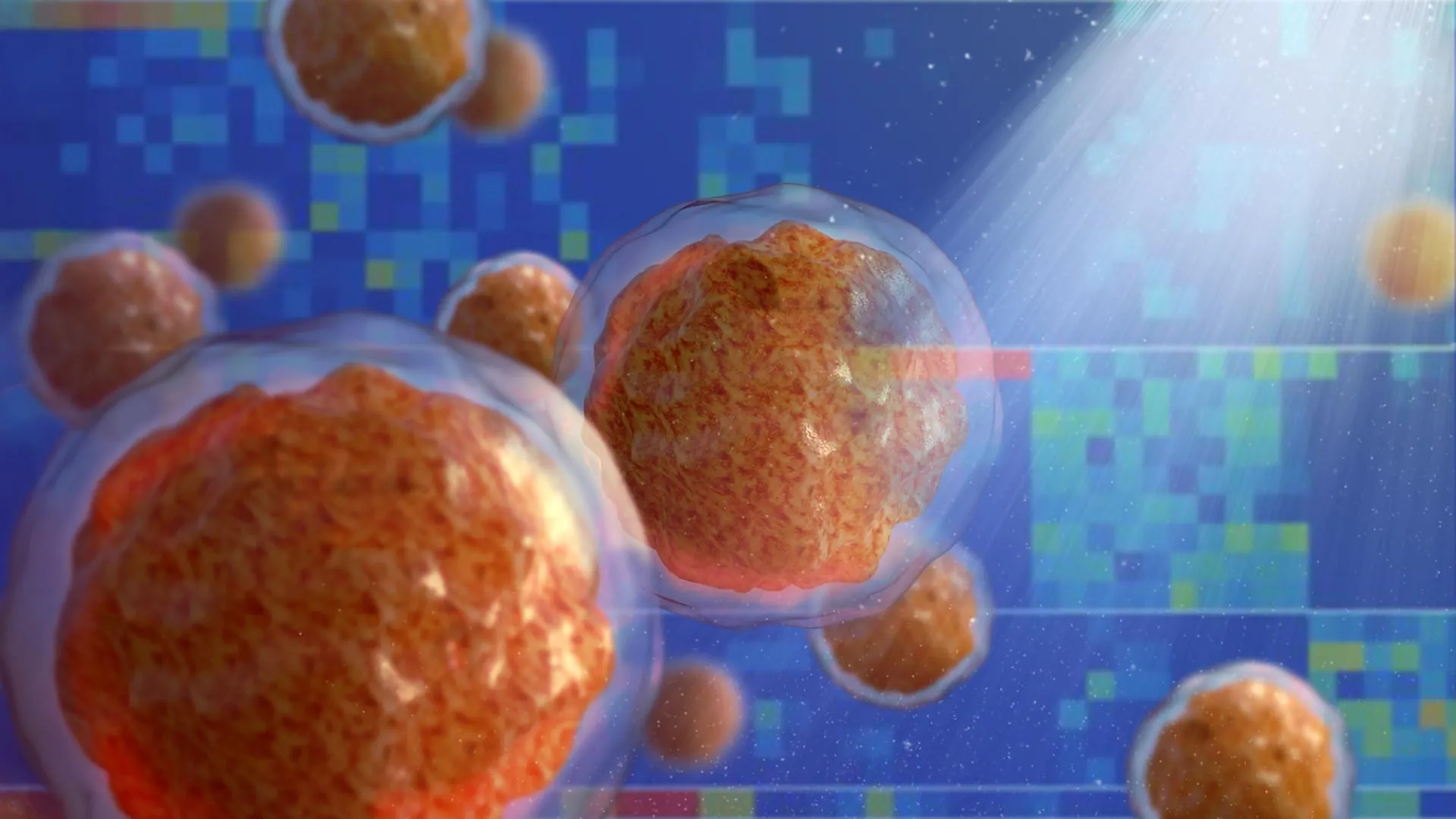
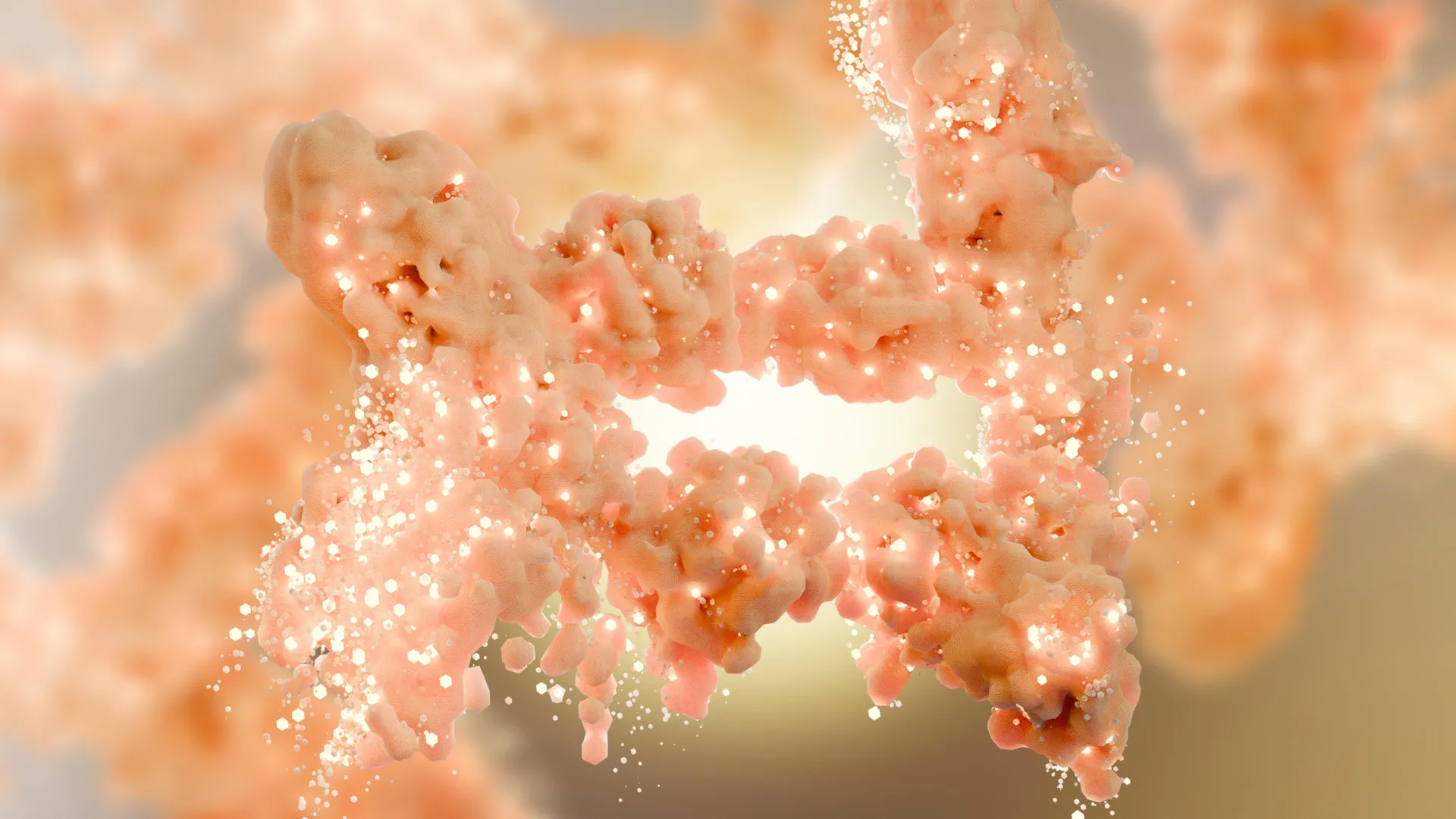
The HKUMed research team, led by Professor Xu Aimin, Director of the State Key Laboratory of Pharmaceutical Biotechnology, sought to identify the specific trigger that tells these stem cells to become bone instead of fat. Through a series of sophisticated experiments involving both mouse models and human stem cell cultures, the team identified the protein Piezo1. Located on the surface of mesenchymal stem cells, Piezo1 acts as a mechanosensitive ion channel.
When a person moves, the physical stress creates fluid shear stress and pressure within the bone marrow. Piezo1 detects these forces and undergoes a structural change that allows ions to flow into the cell, triggering a cascade of chemical signals. In the HKUMed study, the researchers demonstrated that when Piezo1 is activated through movement, it actively suppresses the genes responsible for fat production and promotes the expression of bone-forming genes.
Conversely, the study found that when Piezo1 was genetically removed or inactivated in mouse models, the results were devastating for bone health. Even with regular activity, the "knockout" mice showed a significant increase in bone marrow fat and a rapid decline in bone density, mimicking the effects of advanced aging or prolonged bed rest. This confirmed that Piezo1 is not just a participant in the process but the primary sensor required for exercise to have any effect on bone density.
Deciphering the Inflammatory Signaling Pathway
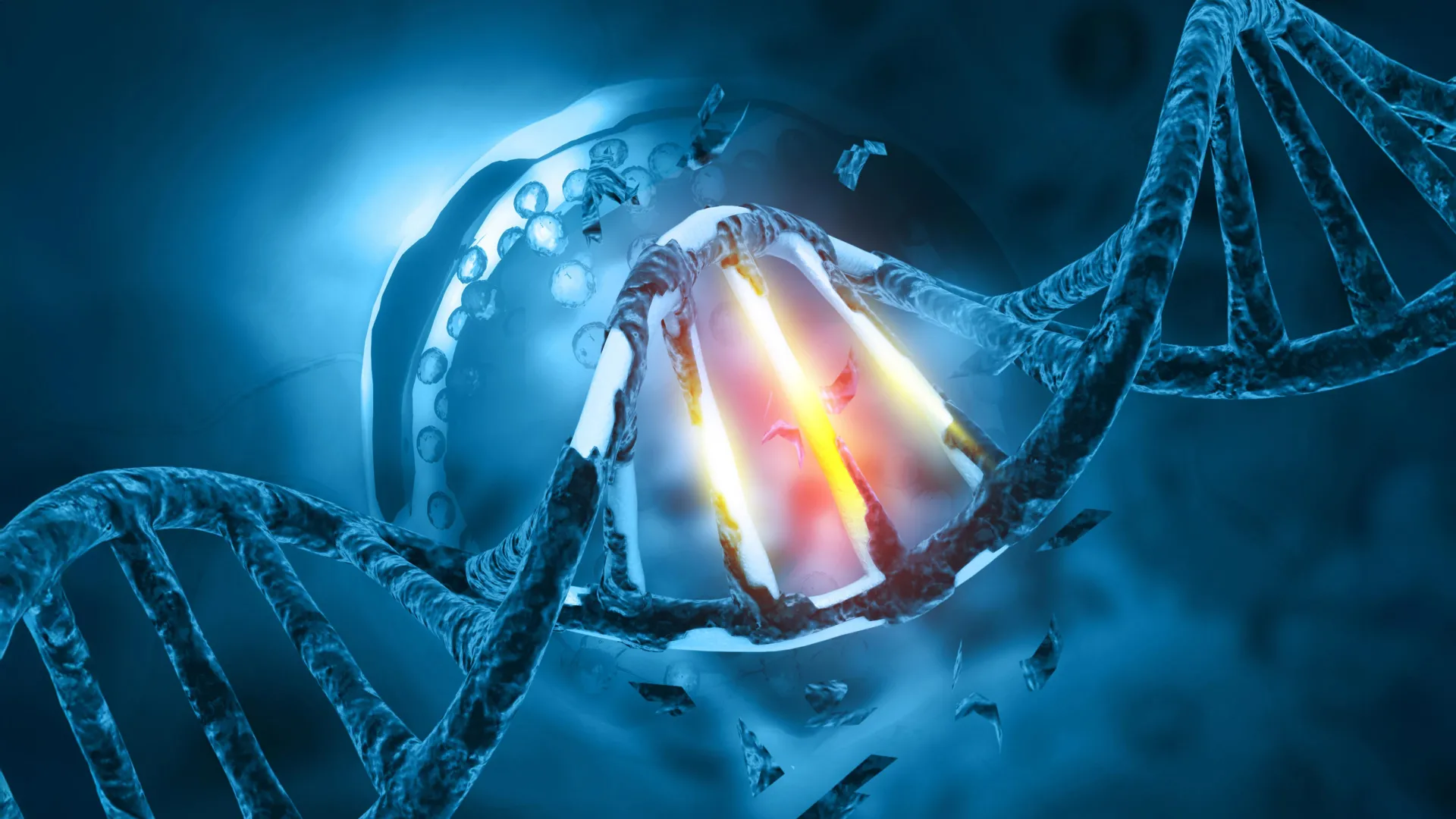
The research went a step further by identifying the downstream consequences of a lack of Piezo1 activity. The team discovered that when Piezo1 is inactive, the bone marrow environment becomes increasingly pro-inflammatory. Specifically, the absence of this protein triggers the release of two key inflammatory signals: Ccl2 and lipocalin-2.
These signals act as chemical messengers that further push mesenchymal stem cells toward fat production while simultaneously inhibiting the growth of new bone tissue. This creates a self-perpetuating cycle of deterioration. By introducing inhibitors to block Ccl2 and lipocalin-2 in their models, the researchers were able to partially restore bone health, suggesting that the Piezo1 pathway controls a complex regulatory network that maintains the "youthfulness" of the skeletal system.
The Emergence of Exercise Mimetics
The most significant implication of this research is the potential for "exercise mimetics." These are drugs designed to activate the Piezo1 pathway chemically, effectively "tricking" the bones into believing the body is undergoing vigorous physical activity.
"We have essentially decoded how the body converts movement into stronger bones," explained Professor Xu Aimin. "By activating the Piezo1 pathway, we can mimic the benefits of exercise at the molecular level. This is a critical step toward finding a way to replicate the benefits of exercise for those who simply cannot move."
This development is particularly relevant for several vulnerable populations:
- The Bedridden and Frail: Patients recovering from major surgery or those with mobility-limiting conditions who cannot perform weight-bearing exercises.
- Chronic Illness Patients: Individuals with heart or lung conditions that prevent them from reaching the exertion levels required to stimulate bone growth.
- Astronauts: Prolonged exposure to microgravity leads to rapid bone loss because the Piezo1 sensors are not being stimulated by gravity or movement. Exercise mimetics could mitigate this risk during long-duration space missions.
Collaborative Research and Global Expertise
The study was a highly collaborative effort, reflecting the global nature of modern medical breakthroughs. Alongside Professor Xu Aimin and Dr. Wang Baile of HKUMed, the project involved Professor Eric Honoré, a renowned expert from the Institute of Molecular and Cellular Pharmacology at the French National Centre for Scientific Research (CNRS).
Professor Honoré emphasized that this research offers a promising strategy that moves beyond traditional physical therapy. The collaboration allowed the team to combine HKUMed’s expertise in endocrinology and metabolism with the French team’s deep understanding of molecular and cellular pharmacology. The study received support from a wide array of prestigious funding bodies, including the Research Grants Council of Hong Kong, the National Natural Science Foundation of China, and the French National Research Agency, underscoring the international scientific community’s recognition of the study’s importance.
Future Outlook: From Laboratory to Clinic
While the identification of Piezo1 is a major milestone, the transition from laboratory discovery to a commercially available treatment involves several rigorous stages. The HKUMed team is currently focused on translating these findings into clinical applications. The next steps involve identifying small molecules or compounds that can safely and effectively target Piezo1 in humans without causing off-target effects in other tissues where Piezo proteins might be present, such as the lungs or blood vessels.
Industry analysts suggest that the market for osteoporosis treatments is ripe for innovation. Current therapies, such as bisphosphonates, primarily work by slowing down the breakdown of old bone (antiresorptive), rather than actively stimulating the formation of new bone (anabolic). A Piezo1-based therapy would represent a new class of anabolic treatment that works in harmony with the body’s natural mechanical sensing systems.
Conclusion: A New Paradigm for Aging
The discovery of the Piezo1 "exercise sensor" represents a paradigm shift in how we approach age-related physical decline. For decades, the medical advice for bone health has been simple: "Move it or lose it." While this remains true for the general population, the HKUMed study provides a biological lifeline for those for whom "moving it" is no longer an option.
By uncovering the molecular bridge between physical movement and cellular response, the researchers have provided a blueprint for a future where the frailty associated with aging is no longer an inevitability. As this research moves into the clinical phase, it carries the potential to reduce the global burden of fractures, preserve independence for millions of older adults, and fundamentally change our understanding of the relationship between our environment, our movement, and our internal biology.