Scientists have uncovered evidence that evolution has relied on the same genetic "cheat sheet" for more than 120 million years, raising the possibility that life on Earth may be more predictable than once believed. This groundbreaking discovery, focusing on the intricate world of butterfly and moth mimicry, suggests that evolutionary pathways are not entirely random but can follow remarkably conserved genetic instructions across vast stretches of time and evolutionary distance. The findings, published in the esteemed journal PLoS Biology, offer a profound new perspective on the mechanisms driving biological diversity and adaptation.
The Unfolding Mystery of Mimicry
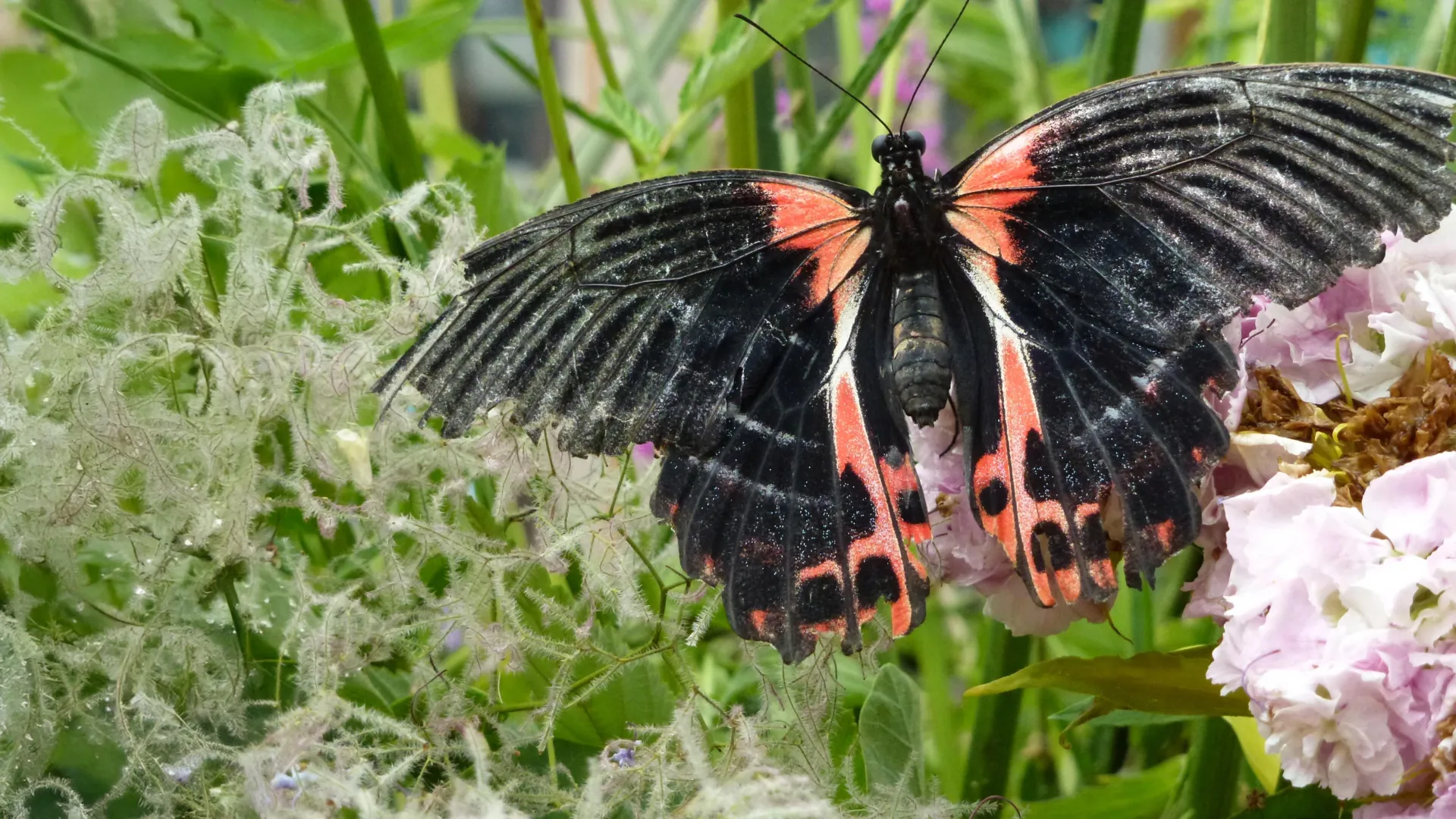
For decades, biologists have been captivated by the phenomenon of mimicry, particularly the striking similarities in wing coloration observed between seemingly unrelated butterfly and moth species. This visual deception, where one species evolves to resemble another, typically for protection, has been a powerful testament to the selective pressures exerted by predators. A classic example involves toxic species evolving bright, conspicuous patterns to advertise their unpalatability. Other, harmless species then evolve to mimic these warning signals, gaining protection by tricking predators into avoiding them as well.
The research, spearheaded by an international consortium of scientists from the University of York and the Wellcome Sanger Institute, delved into the genetic underpinnings of these shared warning patterns. Their investigation focused on a diverse array of butterflies and moths inhabiting the vibrant rainforests of South America. Despite their significant evolutionary divergence, many of these species exhibit uncannily similar wing colorations, all serving as potent deterrents to avian predators. The central question that propelled this research was: what genetic mechanisms are at play that allow such distantly related organisms to converge on identical visual defenses?
Unearthing the Genetic Toolkit
The research team meticulously examined seven distinct butterfly lineages and a day-flying moth species. Their goal was to pinpoint the specific genes responsible for producing these shared, visually warning color patterns. The results were nothing short of remarkable. Across these evolutionarily disparate groups, the scientists discovered a consistent reliance on a core set of just two genes: ivory and optix. These genes, it appears, are fundamental to the development of the precise pigment deposition and structural coloration that create the mimetic patterns.
Crucially, the study revealed that evolution has not necessarily been tinkering with the genes themselves – the fundamental coding sequences. Instead, the primary engine of change has been directed at the regulatory elements associated with these genes. These regulatory regions, often metaphorically described as "genetic switches," dictate when and where a gene is expressed, and to what extent. In essence, evolution has been rewiring the control panels of these ancient genes rather than redesigning the genes themselves.
Within the butterfly species studied, the researchers observed consistent modifications in these regulatory switches, leading to the repeated evolution of similar color patterns. However, the moth species presented a particularly intriguing evolutionary strategy. It employed an "inversion mechanism" – a substantial segment of its DNA being flipped backward – to achieve a color pattern that closely mirrored one seen in a butterfly lineage. This discovery highlights the ingenuity of evolutionary processes, demonstrating that even drastic genomic rearrangements can be harnessed to achieve conserved functional outcomes.
A Predictable Evolutionary Trajectory
Professor Kanchon Dasmahapatra, a lead researcher from the University of York’s Department of Biology, emphasized the significance of these findings. "Convergent evolution, where many unrelated species independently evolve the same trait, is a common phenomenon observed across the tree of life," he stated. "However, it is relatively rare for us to have the opportunity to investigate the precise genetic basis of such convergent traits in such detail."
Professor Dasmahapatra further elaborated on the implications of their research: "By investigating seven butterfly lineages and a day-flying moth, we have demonstrated that evolution can be surprisingly predictable. What’s more, we’ve found that butterflies and moths have been repeatedly employing the exact same genetic tricks to achieve similar color patterns. This has been happening consistently since the age of the dinosaurs, a period stretching back over 120 million years." This longevity and consistency in genetic tool usage underscore a level of predictability in evolution that was previously not fully appreciated.
The research suggests that the evolutionary process is not a completely haphazard affair. Instead, it appears to favor the repurposing and fine-tuning of established genetic pathways, especially when they yield effective solutions to environmental challenges, such as predator avoidance.
The Enduring Advantage of Warning Colors
The persistent reappearance of similar warning color patterns is intrinsically linked to their effectiveness in deterring predators. Professor Joana Meier of the Wellcome Sanger Institute explained the ecological imperative behind these visual signals. "These distantly related butterflies and the moth are all toxic and distasteful to birds that attempt to prey upon them," she noted. "They have evolved to look very much alike because if birds have already learned that a specific color pattern signifies ‘do not eat, we are toxic,’ it provides a significant advantage for other species to display the same warning colors." This shared visual language among prey species creates a collective defense mechanism, amplifying the learning effect in predators.
Professor Meier added, "Our findings reveal that these particular warning colors are exceptionally advantageous. It appears to be relatively straightforward to evolve these same color patterns due to the highly conserved genetic basis that has been maintained over more than 120 million years." This conserved genetic foundation acts as a readily available blueprint, enabling rapid and repeated evolution of effective warning signals across different lineages.
Implications for Predicting Evolutionary Futures
The realization that evolution often follows well-trodden genetic routes carries significant implications for our ability to anticipate future biological adaptations. If nature frequently reuses the same biological solutions, then understanding these recurring genetic pathways could empower scientists to predict how species might respond to a rapidly changing global environment.
The accelerating pace of climate change, habitat fragmentation, and the introduction of invasive species are all potent evolutionary pressures. The ability to forecast how organisms will adapt to these challenges is crucial for conservation efforts, ecological management, and even for understanding the potential emergence of new diseases or pest resistances.
If evolutionary history provides a reliable guide, then identifying the "genetic cheat sheets" used for critical adaptations, such as predator avoidance, disease resistance, or adaptation to new food sources, could allow scientists to make more informed predictions about which species are likely to thrive, which may struggle, and what new traits might emerge. This could revolutionize fields ranging from biodiversity conservation to the development of novel agricultural strategies.
A Deeper Look at the Genetic Mechanism
The ivory and optix genes play critical roles in the development of insect pigmentation. The ivory gene is often involved in the production of specific pigments, such as melanins, which contribute to dark coloration. The optix gene, a member of the homeobox gene family, is a transcription factor that plays a vital role in patterning and development, including the specification of wing veins and the regulation of pigment production.
The discovery that evolution has primarily acted upon the regulatory sequences controlling these genes is a key insight. These regulatory elements, often located far from the gene’s coding region, can include enhancers, silencers, and promoters. By altering the binding sites for transcription factors within these regulatory regions, evolution can fine-tune the expression of ivory and optix – turning them on or off at specific times during development, in particular tissues, or at different levels. This fine-tuning allows for the precise placement and intensity of pigment deposition, leading to the complex and often beautiful patterns observed on butterfly and moth wings.
The inversion mechanism observed in the moth is a testament to the genome’s plasticity. Chromosomal inversions can have profound effects on gene expression by altering the proximity of genes to regulatory elements or by disrupting existing regulatory networks. In this instance, the inversion appears to have effectively rewired the expression of ivory and optix to produce a mimetic pattern, demonstrating a powerful, albeit different, route to achieving a similar evolutionary outcome.
The Age of Dinosaurs Connection
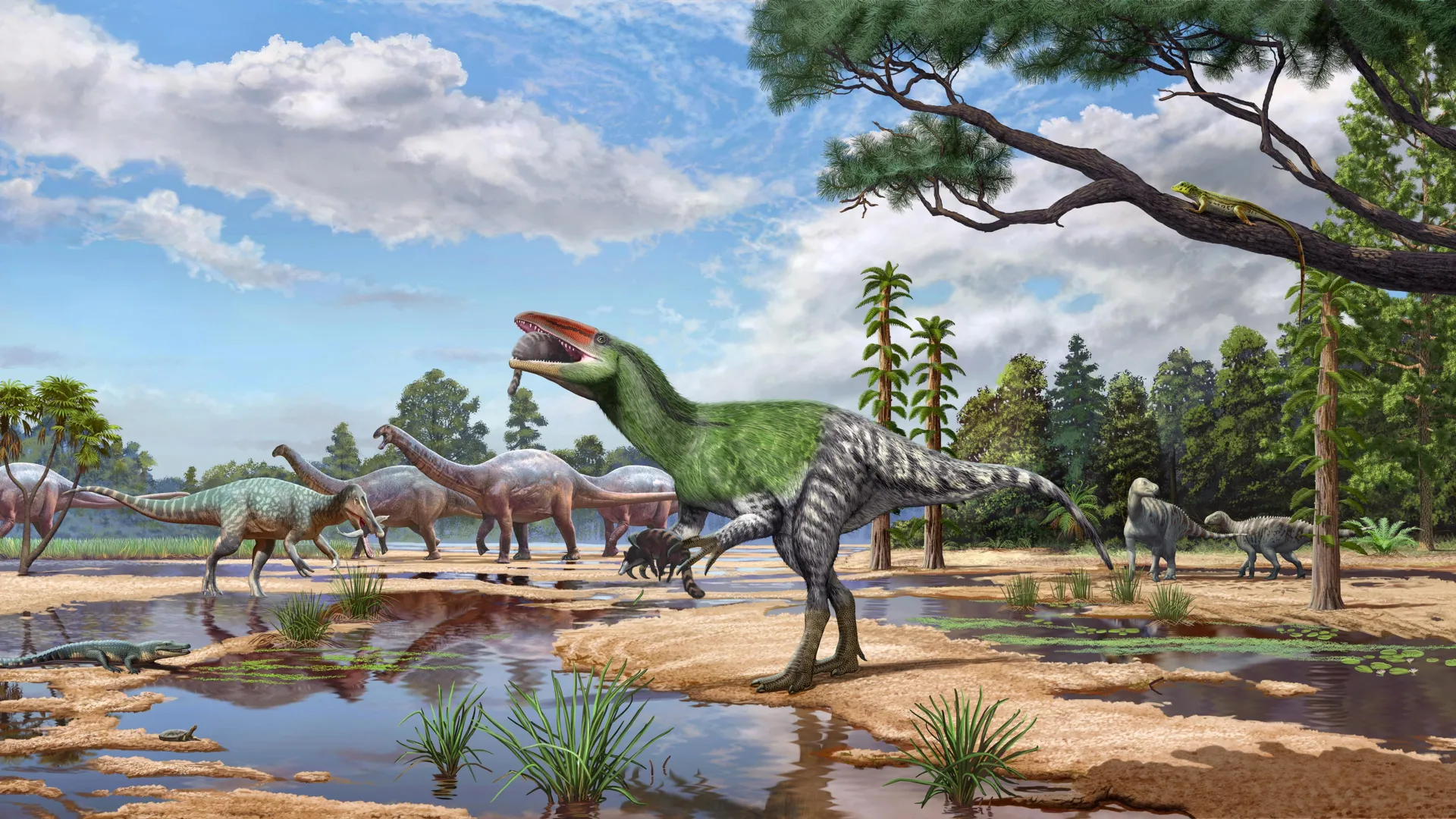
The researchers’ assertion that this genetic "cheat sheet" has been in use since the age of the dinosaurs is particularly striking. This era, spanning from approximately 252 to 66 million years ago, was dominated by reptiles, including the lineage that would eventually give rise to birds. The presence of birds as significant predators during the Mesozoic era likely provided a strong selective pressure for the evolution of effective anti-predator defenses, such as mimicry, in the insect world. The fact that the fundamental genetic machinery for these defenses remains so similar between modern butterflies and moths suggests a long-standing evolutionary arms race.
Broader Implications for Evolutionary Biology
This research challenges the notion that evolution is purely a process of random mutation followed by selection. While mutation is undoubtedly the source of genetic variation, the recurring use of specific genes and regulatory pathways suggests that the search space for effective solutions is not infinite. Certain genetic architectures may be inherently more amenable to generating beneficial traits, leading to their repeated recruitment across diverse lineages.
This perspective aligns with the concept of "evolvability" – the capacity of a biological system to generate novel, adaptive variation. Genes and regulatory networks that are inherently flexible and responsive to selective pressures are more likely to be conserved and repeatedly utilized. The ivory and optix genes, with their crucial roles in pigment development and patterning, appear to be prime examples of such evolvable genetic components.
The study opens avenues for further research into other traits exhibiting convergent evolution. Are there similar "genetic cheat sheets" at play in the evolution of camouflage, antibiotic resistance in bacteria, or the development of complex physiological systems? Answering these questions could provide a more comprehensive understanding of the predictability and underlying logic of evolution.
Future Directions and Conservation
The implications for conservation are substantial. By understanding which genetic pathways are most likely to be reused for adaptation, conservationists can better identify species that may be at risk and potentially predict their adaptive responses to environmental change. For instance, if a species is facing novel disease pressures, understanding its existing genetic toolkit for immune response might help predict its capacity to evolve resistance.
Furthermore, this research could inform efforts to protect and restore biodiversity. By recognizing the evolutionary constraints and predispositions that shape life, we can develop more effective strategies for managing ecosystems and ensuring the long-term survival of species in a rapidly changing world. The ancient blueprint of life, it seems, holds valuable clues for navigating its future.