The annual national conference of the American Diabetes Association (ADA) this week served as a dual stage: a vibrant forum for groundbreaking advancements in GLP-1 receptor agonist therapies from pharmaceutical giants like Eli Lilly, Novo Nordisk, AstraZeneca, and Pfizer, and concurrently, the site of an unusual and forceful suppression of scientific protest. While researchers unveiled promising clinical and preclinical data poised to redefine the treatment landscape for diabetes, obesity, and related comorbidities, the conference was overshadowed by an incident where several experts were removed by police for distributing an editorial critical of the Trump administration’s science policies.
The convergence of cutting-edge medical science and a confrontation over scientific integrity underscored the complex environment in which modern research operates, highlighting both its profound potential and its vulnerability to political currents. The ADA conference, a pivotal event in endocrinology, annually attracts thousands of clinicians, researchers, and industry professionals, serving as a bellwether for the future of diabetes care and metabolic health. This year, however, the discourse extended beyond clinical trial results to encompass the very principles of scientific freedom and open debate.
A Storm of Dissent: Researchers Removed Amidst Policy Criticisms
The controversy erupted shortly before a scheduled address by Jay Bhattacharya, the director of the National Institutes of Health (NIH), a figure often associated with controversial public health stances during the previous administration. A group of prominent researchers began circulating copies of an editorial that had been published in Diabetes Care, the ADA’s own flagship journal. Titled "Misguided Brushes of a Pen Continue to Dismantle," the editorial served as a scathing critique of the Trump administration’s science policies, specifically detailing the detrimental effects of funding cuts, the politicization of scientific agencies, and other actions that reportedly hampered diabetes research and public health initiatives. The decision to publish such a pointed critique in a journal directly affiliated with the ADA itself signaled a deep concern within the scientific community regarding the integrity and independence of research.
Among those actively distributing the editorial were Aaron Kelly, a professor of pediatrics at the University of Minnesota, and Justin Ryder, another leading researcher. Their actions were a deliberate attempt to draw attention to what they perceived as existential threats to the scientific enterprise, using the high-profile platform of the ADA conference to amplify their message.
The chronology of events unfolded rapidly, escalating from a polite request to a forceful removal. Initially, security staff approached the researchers, asking them to step outside and attempting to confiscate the papers. Kelly recounted to The New York Times that this initial interaction quickly intensified. Undeterred, the researchers attempted to re-enter the convention center through a different entrance, demonstrating their resolve to continue their protest. However, they were met by a reinforced presence of event security personnel and uniformed police officers. The researchers were explicitly informed that any further attempt to enter the premises would be considered trespassing and would result in arrest.
The repercussions for the protesting scientists were immediate and severe. Conference organizers subsequently informed five of the researchers involved that their participation in the conference was terminated. This punitive measure was particularly impactful as some of these individuals were scheduled to present their own research findings, effectively silencing their scientific contributions alongside their political dissent.
Implications for Scientific Freedom and Discourse
This incident sparked a broader discussion within the scientific community regarding the boundaries of free speech at professional conferences and the appropriate response to dissent, especially when it targets governmental science policy. While conference organizers typically prioritize maintaining order and ensuring the smooth flow of scheduled events, the removal of accredited researchers for distributing peer-reviewed material from the host organization’s own journal raised questions about academic freedom and the potential chilling effect on future critiques of policy.
Critics of the ADA’s handling of the situation argued that, as a leading scientific body, it has a responsibility to foster open debate, even on politically sensitive topics that directly impact scientific funding and integrity. Supporters of the organizers’ actions might point to the need to maintain a focused, non-political environment for scientific exchange and to enforce established event protocols. Regardless of perspective, the incident served as a stark reminder of the increasing intersection between science, policy, and public discourse, underscoring the challenges faced by scientific institutions in navigating these complex waters. The scientific community often prides itself on its commitment to evidence-based discussion and the critical evaluation of information, and the events at the ADA conference will undoubtedly fuel ongoing debates about how best to uphold these values in an era of heightened political polarization.
The GLP-1 Revolution: A New Era in Metabolic Health
Shifting from the political to the purely scientific, the ADA conference also served as a stage for an impressive array of new data on GLP-1 receptor agonists and related multi-agonists, signaling a robust and competitive landscape in the treatment of type 2 diabetes, obesity, and their associated complications. These drugs, which mimic the action of glucagon-like peptide-1, have already transformed patient care by improving glycemic control, inducing significant weight loss, and offering cardiovascular benefits. The latest presentations showcased efforts to enhance efficacy, broaden therapeutic applications, and improve convenience.
The global market for GLP-1 agonists is projected to reach unprecedented levels, driven by the escalating prevalence of obesity and type 2 diabetes worldwide. Analysts estimate the market could exceed $100 billion by the end of the decade, making the "GLP-1 wars" a central focus for major pharmaceutical companies vying for market share with increasingly potent and versatile compounds.
Eli Lilly’s Retatrutide: A Triple Agonist with Expansive Potential
Eli Lilly, a trailblazer in diabetes care, presented highly anticipated Phase 3 results for its triple agonist, retatrutide. This novel compound targets three key receptors: GLP-1, glucose-dependent insulinotropic polypeptide (GIP), and glucagon. This multi-pronged mechanism is hypothesized to provide a more comprehensive metabolic benefit than single or dual agonists.
The data presented underscored retatrutide’s remarkable efficacy, particularly in weight reduction. Participants on the highest dose achieved an average body weight loss of 28.3% over an 80-week treatment period. This figure positions retatrutide as a potential leader in the weight management space, surpassing even the impressive results seen with current market leaders like Lilly’s own tirzepatide (Zepbound, a GLP-1/GIP dual agonist, which showed an average weight reduction of approximately 22.5% in its pivotal trials) and Novo Nordisk’s semaglutide (Wegovy, a GLP-1 agonist, which showed about 15% weight loss).
Beyond weight loss, retatrutide demonstrated significant improvements in other obesity-related comorbidities. It reduced knee osteoarthritis pain by up to 73.1%, a remarkable finding given the strong link between obesity and the progression of this debilitating joint condition. Obesity places increased mechanical stress on joints and contributes to systemic inflammation, exacerbating osteoarthritis. A treatment that can address both the underlying obesity and its painful manifestations represents a significant leap forward.
Furthermore, retatrutide showed a 60.6% reduction in the severity of moderate-to-severe obstructive sleep apnea (OSA), another common and serious complication of obesity. OSA, characterized by recurrent episodes of airway collapse during sleep, affects millions globally and is associated with increased risks of cardiovascular disease, stroke, and impaired quality of life. The potential for retatrutide to substantially improve OSA severity offers a new therapeutic avenue for a condition that often requires mechanical ventilation (CPAP) or surgical interventions.
In patients with type 2 diabetes, retatrutide also delivered robust glycemic control, reducing HbA1c by up to 2%. Critically, up to 90% of participants achieved an HbA1c below 7%, aligning with the ADA’s general target for optimal diabetes management. The drug also showed favorable effects on lipid profiles and blood pressure, reducing triglycerides by up to 41%, non-HDL cholesterol by 24.2%, and systolic blood pressure by 12.3 mmHg, further highlighting its comprehensive cardiometabolic benefits.
Ania Jastreboff, the lead investigator, emphasized the broader implications of these findings, stating, “These findings demonstrate what may be possible when we treat obesity and impact overall health, and what this could mean for people living with obesity and its related complications.” The tolerability profile of retatrutide was generally consistent with other GLP-1s, with common adverse effects including gastrointestinal issues such as nausea, diarrhea, constipation, and vomiting. A notable, albeit less common, adverse event was dysesthesia (abnormal sensation), which has been observed to a limited extent with related drugs. Lilly is expected to move swiftly towards regulatory filings given these compelling Phase 3 results.
Novo Nordisk’s CagriSema: A Dual-Action Contender
Novo Nordisk, another dominant player in the GLP-1 market, presented comprehensive Phase 3 results for CagriSema, a novel fixed-dose combination therapy comprising cagrilintide (an amylin analog) and semaglutide (a GLP-1 receptor agonist). Amylin is a naturally occurring hormone that plays a role in glucose control and satiety, complementing the actions of GLP-1.
The "REIMAGINE" program, a series of Phase 3 trials, demonstrated that CagriSema achieved significant reductions in both HbA1c and body weight compared to its individual components and placebo. Martin Holst Lange, executive vice president, chief scientific officer, and head of Research and Development at Novo Nordisk, highlighted the drug’s potential: “With these findings, CagriSema has the potential to be the first amylin and GLP-1 combination therapy that addresses blood glucose control with reductions in bodyweight for people living with type 2 diabetes.”
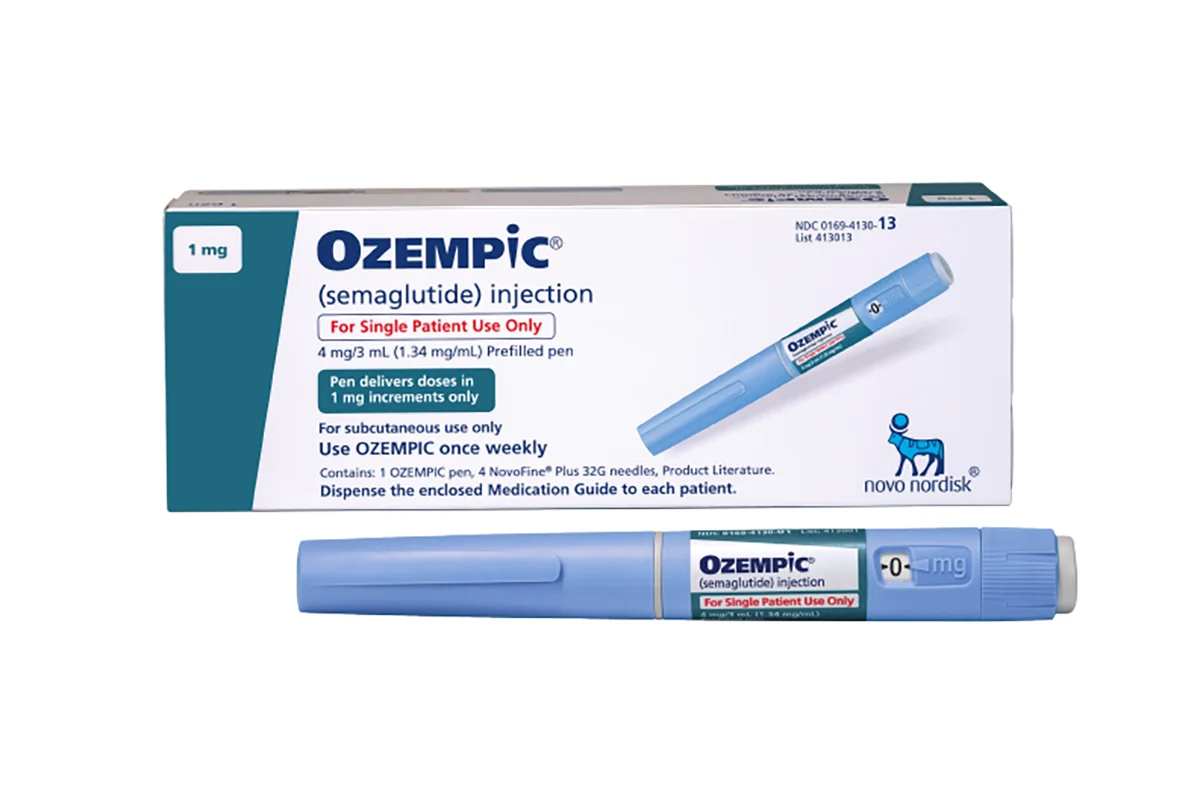
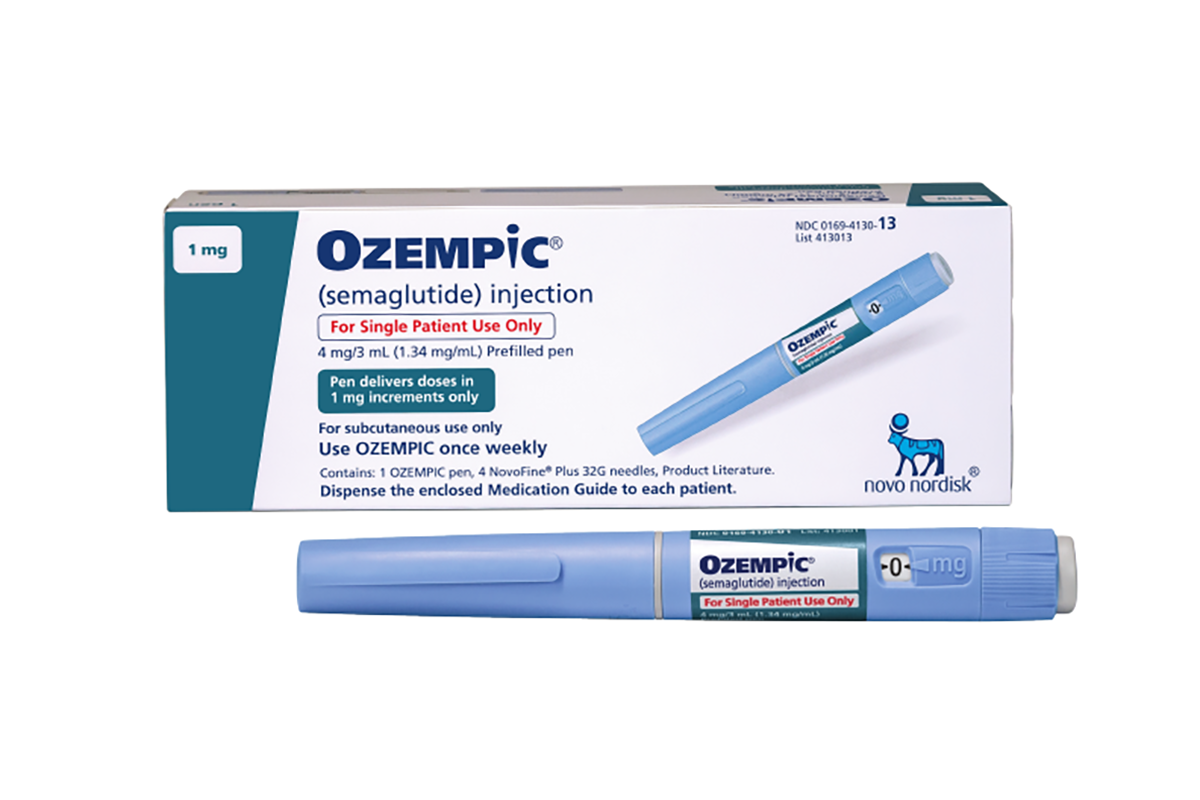
Specifically, when compared head-to-head with semaglutide (Ozempic) monotherapy, CagriSema exhibited superior efficacy. The highest dose of CagriSema led to a 14.2% reduction in body weight after 68 weeks, outperforming the 10.2% reduction achieved with the same dose of semaglutide alone. This comparative advantage against Novo Nordisk’s own blockbuster GLP-1 positions CagriSema as a strong next-generation option.
However, the competitive landscape is fierce. Earlier this year, another Phase 3 trial revealed that CagriSema was numerically inferior to Eli Lilly’s Zepbound (tirzepatide) in terms of weight loss. In that specific trial, CagriSema achieved a 23% weight loss after 84 weeks of treatment, whereas tirzepatide resulted in a 25.5% reduction. Lange addressed this during an investor call, explaining that Zepbound had "performed unusually well on efficacy compared to what has typically been reported in most previous trials of a similar nature." This statement underscores the tight competition and the often-variable nature of clinical trial outcomes, where subtle differences in study design, patient populations, and even statistical methodology can influence headline results. For context, a separate Phase 3 trial of tirzepatide in adults with pre-diabetes and obesity showed an average weight reduction of 22.9% on the highest dose, indicating some variability but consistently high efficacy for Lilly’s drug.
The Expanding Frontier: Oral GLP-1s and Extended Dosing
The conference also featured significant progress in developing more convenient forms of GLP-1 therapies, specifically oral formulations and once-monthly injectable options, addressing key patient preferences for ease of administration.
Oral GLP-1s: Balancing Convenience and Efficacy
Oral delivery of peptide-based drugs like GLP-1s has historically been challenging due to their susceptibility to degradation in the gastrointestinal tract and poor absorption. Recent advancements in formulation science are overcoming these hurdles, bringing oral GLP-1s closer to widespread clinical use. While typically showing less dramatic weight loss than their injectable counterparts, the convenience of a pill can significantly improve patient adherence.
AstraZeneca presented promising results for its oral GLP-1, elecoglipron. The drug achieved an 11.8% weight reduction over 36 weeks and lowered HbA1c by 1.9% at 26 weeks, with an impressive 90% of patients reaching an HbA1c below 7%. These results are robust for an oral agent, signaling its potential as a convenient and effective option. Elecoglipron will now advance to Phase 3 trials for both obesity and type 2 diabetes, with additional evaluations planned for its cardiovascular and kidney outcomes, a standard expectation for new metabolic drugs given the high comorbidity rates.
Ascletis also showcased data for its oral candidate, ASC30, reporting up to 7.7% weight loss at week 13 in Phase 2 trials. A key differentiator for ASC30 appears to be its tolerability profile, with approximately half the rate of vomiting observed compared to orforglipron, another oral GLP-1 in development. Additionally, Ascletis highlighted preclinical findings for its oral amylin receptor agonist, demonstrating selectivity for the human amylin type 1 receptor comparable to eloralintide, suggesting a potential for future oral combination therapies.
Pfizer’s Berobenatide: The Promise of Monthly Dosing
Pfizer unveiled data for berobenatide, a once-monthly GLP-1 receptor agonist, addressing the need for less frequent injections, which could greatly enhance patient compliance and quality of life. In Phase 2b trials, berobenatide achieved a substantial 15.9% weight loss at 32 weeks and a 2.2% reduction in HbA1c at 18 weeks. These efficacy numbers are highly competitive, especially for a monthly dosing regimen.
Jim List, chief internal medicine officer at Pfizer, emphasized the strategic importance of this compound: “These data highlight the potential for berobenatide to be the first approved monthly GLP-1 RA peptide and support our extensive Phase 3 program that includes 10 studies for chronic weight management and obesity-related comorbidities.” The company’s commitment is evident in its robust Phase 3 pipeline, which includes the VESPER-6 study investigating monthly maintenance dosing for berobenatide in adults with obesity or overweight, and the SOLIS-1 Phase 2b study exploring weekly and monthly maintenance dosing of an ultra-long-acting amylin analog (PF-3945) both as a monotherapy and in combination with berobenatide. This demonstrates Pfizer’s ambition to carve out a significant niche in the GLP-1 market through dosing convenience and potentially combination strategies.
Broader Impact and Future Trajectories
The ADA conference in 2026 underscored a pivotal moment in metabolic medicine. The advancements in GLP-1-based therapies, particularly the emergence of multi-agonists and innovative delivery methods, promise to revolutionize the treatment paradigm for millions suffering from type 2 diabetes and obesity. The expanded therapeutic indications, now extending to conditions like osteoarthritis and sleep apnea, highlight the profound systemic impact of these drugs beyond glycemic control and weight management, offering hope for comprehensive health improvements.
The intensified competition among pharmaceutical giants is driving rapid innovation, pushing the boundaries of efficacy and convenience. As more potent and user-friendly options become available, the challenge will shift to ensuring equitable access and affordability for these transformative, yet often high-cost, therapies. Health systems globally will grapple with integrating these new treatments into care pathways and managing their long-term economic implications.
Simultaneously, the controversy surrounding the removal of dissenting researchers served as a stark reminder that scientific progress does not occur in a vacuum. The integrity of research, the freedom to critique policy, and the right to open discourse are fundamental pillars of the scientific enterprise. The incident at the ADA conference will likely prompt further reflection within scientific organizations about their role in protecting these principles, even when faced with uncomfortable or politically charged topics.
In essence, the 2026 ADA conference was a microcosm of the dynamic forces shaping modern medicine: breathtaking scientific innovation driven by relentless competition, juxtaposed with the persistent, often challenging, interplay between science, policy, and advocacy. The outcomes from these new therapies hold immense promise for patients, while the ethical and political dimensions of scientific engagement continue to evolve.