


The landscape of psychiatric medicine is undergoing a fundamental shift as researchers move away from purely symptomatic assessments toward objective biological markers. A groundbreaking study published in The Journals of Gerontology, Series A: Biological Sciences and Medical Sciences has identified a significant link between the biological aging of specific white blood cells and the emotional and cognitive symptoms of depression. By focusing on the epigenetic "clocks" of monocytes—immune cells that play a critical role in the body’s inflammatory response—scientists have discovered a potential blood-based roadmap for identifying depression, particularly in high-risk populations. This research, led by the NYU Rory Meyers College of Nursing, suggests that the "wear and tear" on the immune system may provide a more accurate reflection of a patient’s mental state than physical symptoms alone.
The Limitations of Current Diagnostic Frameworks
For decades, the diagnosis of Major Depressive Disorder (MDD) has relied almost exclusively on clinical interviews and patient self-reporting. While tools like the Diagnostic and Statistical Manual of Mental Disorders (DSM-5) provide a structured framework, they are inherently subjective. Doctors often face the challenge of "diagnostic overshadowing," where physical symptoms like fatigue, insomnia, or appetite changes are attributed to underlying chronic illnesses rather than mental health conditions.
According to the World Health Organization, depression affects approximately 280 million people globally and is a leading cause of disability. In the United States, nearly one in five adults experiences a depressive episode in their lifetime. Despite its prevalence, the lack of a definitive laboratory test—similar to a glucose test for diabetes or a lipid panel for heart disease—means that many patients remain undiagnosed or are prescribed treatments that do not align with their specific biological profile. The NYU study seeks to fill this void by moving toward "precision psychiatry," an approach that uses biological data to tailor interventions to the individual.
Methodology: Deciphering the Epigenetic Clock
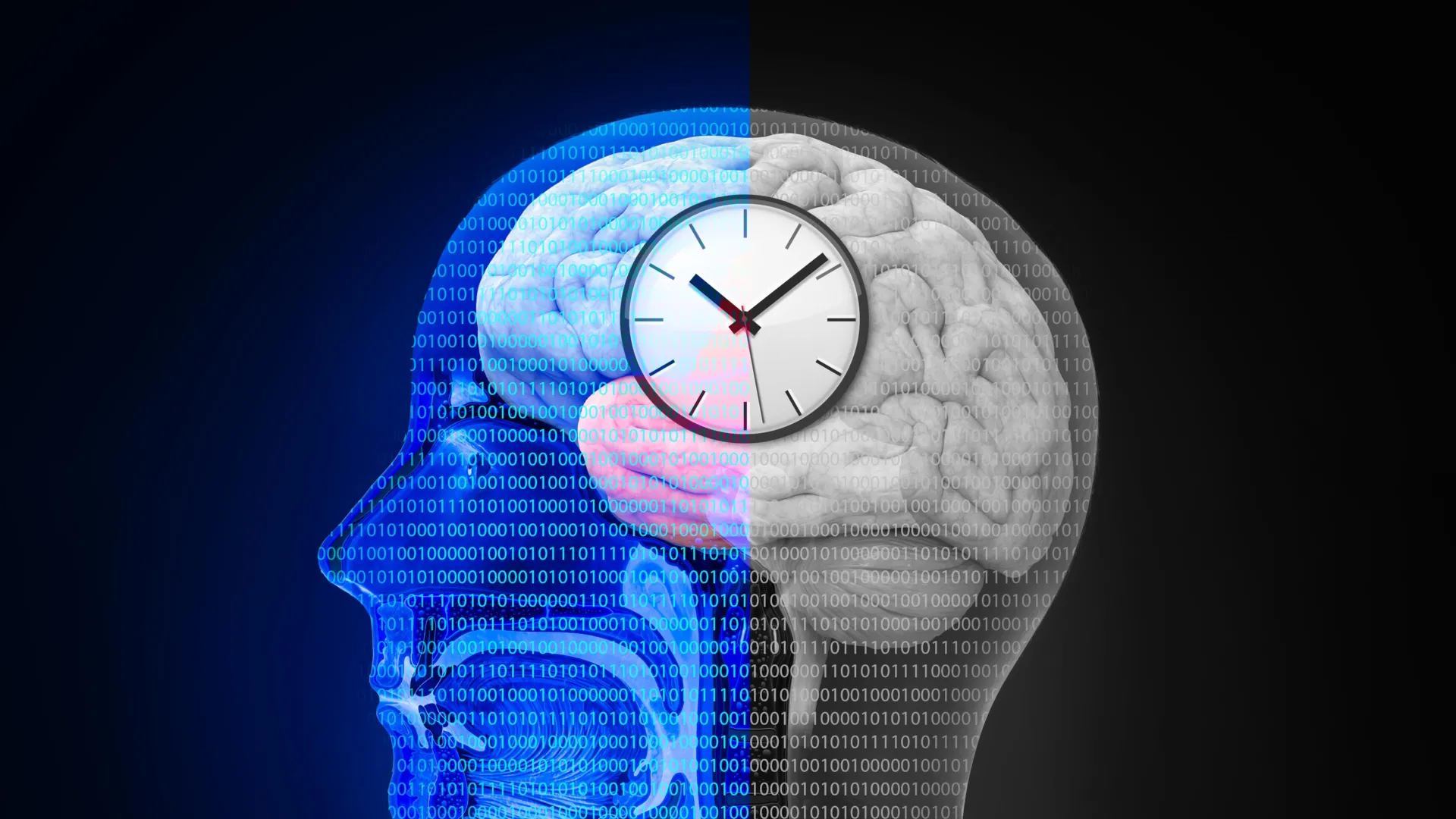
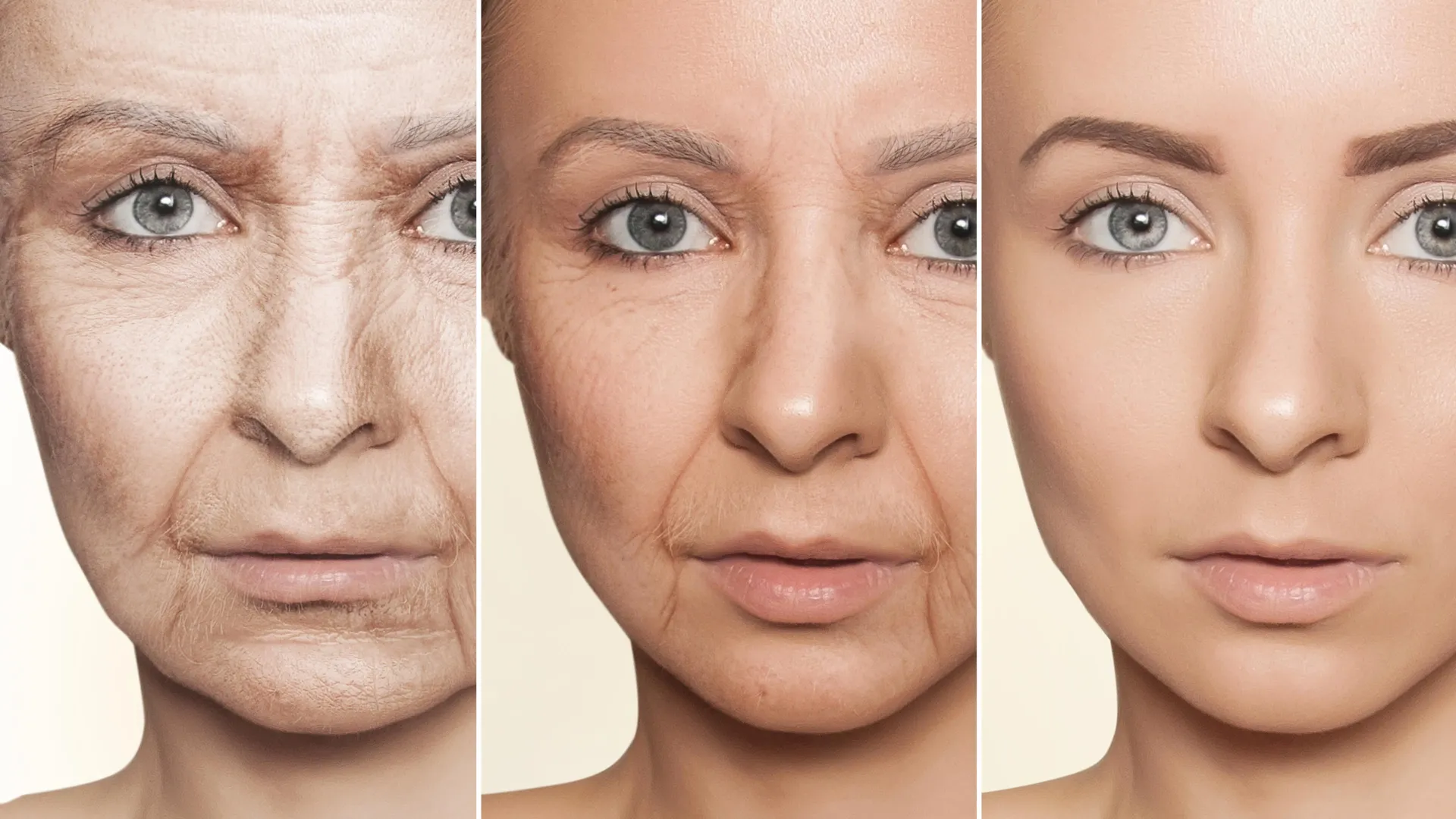
The research team, spearheaded by Assistant Professor Nicole Beaulieu Perez, utilized advanced genomic tools known as epigenetic clocks. Unlike chronological age, which measures time since birth, biological age measures the functional decline of cells and tissues. This is determined by analyzing DNA methylation—chemical changes to the DNA molecule that act as "switches," turning genes on or off in response to environmental stressors, lifestyle factors, and chronic illness.
The study analyzed data from 440 women participating in the Women’s Interagency HIV Study (WIHS), a long-running multicenter investigation into the impact of HIV on women’s health. The cohort included 261 women living with HIV and 179 who were HIV-negative. This demographic is particularly significant because individuals with immune-compromising conditions are statistically more likely to experience depression, often exacerbated by chronic inflammation and the social stressors associated with chronic disease management.
To measure depression, researchers employed the Center for Epidemiologic Studies Depression Scale (CES-D). This 20-item questionnaire is unique because it allows researchers to separate "somatic" symptoms (such as restless sleep and physical exhaustion) from "non-somatic" or cognitive-emotional symptoms (such as feelings of failure, hopelessness, and anhedonia).
Findings: Why Monocytes Hold the Key
The most striking revelation of the study was the specificity of the biological markers. The researchers tested two types of epigenetic clocks: a general clock that measures aging across various cell types and a specialized clock focused exclusively on monocytes.
Monocytes are a type of white blood cell that serves as the "first responders" of the immune system. They are known to travel from the blood into the brain, where they can contribute to neuroinflammation—a process increasingly linked to mood disorders. The study found that accelerated aging in monocytes was strongly correlated with non-somatic symptoms of depression. Women who reported high levels of hopelessness, anhedonia (the inability to feel pleasure), and feelings of failure showed significantly "older" monocytes than their chronological age would suggest.
Crucially, this link was found in both women with and without HIV. However, the broader, multi-cell epigenetic clock showed no significant association with depression. This suggests that the biological signature of depression is not a systemic "whole-body" aging process but is instead concentrated within specific pathways of the immune system.
The Intersection of HIV, Inflammation, and Mental Health
The inclusion of women living with HIV provided a critical layer of context. For this population, depression is more than a mental health concern; it is a clinical barrier to survival. Depression is one of the primary reasons patients struggle with antiretroviral therapy (ART) adherence. When a patient misses doses of ART, their viral load can increase, leading to drug resistance and a decline in overall health.
"For women with HIV who may be experiencing depression, we want to better understand what’s going on and catch it earlier so that it doesn’t harm their whole overall health," Dr. Perez noted.
The study’s findings flip a long-standing clinical assumption on its head. In patients with chronic illnesses like HIV, physical symptoms like fatigue are often dismissed as side effects of the disease or its treatment. By showing that monocyte aging is linked specifically to the emotional and cognitive aspects of depression, the research provides a way to "see" depression even when it is masked by the physical toll of another illness.
Data and Statistical Insights
The statistical strength of the study lies in its ability to differentiate between symptom categories. In the analyzed cohort:
- Non-Somatic Correlation: The p-values associated with monocyte aging and cognitive-emotional symptoms were statistically significant across both HIV-positive and HIV-negative groups.
- Somatic Independence: Physical symptoms like sleep disturbances and appetite changes did not show a consistent correlation with accelerated epigenetic aging, suggesting these symptoms may be driven by different biological mechanisms or environmental factors.
- Immune Activation: Previous studies have shown that people with depression often have elevated monocyte counts. This study goes further by demonstrating that it is not just the quantity of these cells that matters, but their biological quality and "age."
Expert Reactions and the Shift Toward Precision Care
While the scientific community has reacted with optimism, experts caution that these markers are not yet ready for the local doctor’s office. The transition from a research setting to a clinical diagnostic tool requires rigorous validation across larger, more diverse populations, including men and various age groups.
Dr. Perez emphasized the "aspirational goal" of mental health: combining subjective patient experiences with objective biological data. This "precision mental health care" model would allow for:
- Earlier Intervention: Detecting biological changes before a full clinical depressive episode manifests.
- Targeted Pharmacotherapy: Identifying which patients might respond better to anti-inflammatory treatments versus traditional SSRIs (Selective Serotonin Reuptake Inhibitors).
- Monitoring Treatment Efficacy: Using blood tests to see if a treatment is successfully "slowing" or reversing the biological aging of immune cells.
"I think about the adage, ‘What gets measured gets managed,’" Perez said. "Our findings bring us a step closer to this goal… by providing a biological framework that could guide future diagnosis and treatment."
Broader Implications for Public Health and Policy
The implications of this research extend beyond the lab. If depression can be identified through a blood test, it could significantly reduce the stigma associated with the condition. Viewing depression as a measurable biological state—akin to high blood pressure—may encourage more individuals to seek help.
Furthermore, there is an economic argument for this research. The American Psychiatric Association estimates that depression costs the U.S. economy over $210 billion annually in lost productivity and healthcare expenses. A more accurate, biological diagnostic tool could reduce the "trial and error" phase of finding effective antidepressants, which currently lasts months or even years for many patients.
Future Research and Chronology of Development
The study is part of a broader timeline of discovery in the field of "immunopsychiatry." Over the last decade, the link between the immune system and the brain has become a focal point of neurological research.
- 2013-2018: Early studies established that inflammation markers like C-reactive protein (CRP) are elevated in some depressed patients.
- 2019-2022: Development of more refined epigenetic clocks (like GrimAge) allowed for better estimation of biological mortality and morbidity.
- 2024: The NYU study narrows the focus to specific immune cell subsets (monocytes), providing the most granular look yet at the cellular aging-depression link.
The research was a collaborative effort involving experts from Yale University, Johns Hopkins University, Albert Einstein College of Medicine, and several other leading institutions. It was supported by grants from the National Institute of Mental Health and the National Institute on Minority Health and Health Disparities.
As scientists continue to decode the chemical "switches" on our DNA, the line between physical and mental health continues to blur. The discovery that our immune cells carry the chronological scars of our emotional struggles marks a pivotal moment in the quest to treat the mind through the body. While the journey toward a standard "depression blood test" continues, the biological framework provided by Dr. Perez and her colleagues offers a new sense of hope for millions of patients waiting for a diagnosis that finally matches their internal reality.















Leave a Reply