On August 13, 2026, the artificial intelligence community witnessed a monumental shift in how developer tooling is distributed and constructed when DeepSeek quietly open-sourced an advanced agent runtime known as DeepSeek Harness, accessible via the command-line interface under the moniker dsh. Unlike traditional AI application releases that typically target end-users with pre-packaged workflows, DeepSeek Harness represents a fundamental restructuring of how autonomous software agents are built. By decentralizing every layer of the agent architecture into independent, swappable components, the repository captured an unprecedented level of developer interest, surging to roughly 50,000 GitHub stars within its first twelve hours. This velocity defied conventional metrics for software tooling launches, climbing to approximately 92,000 stars by hour twenty-eight, and ultimately surpassing 186,000 stars alongside more than 20,000 forks within its first ten days of public availability.
Background Context and the Open Infrastructure Movement
The debut of DeepSeek Harness does not occur in a vacuum; rather, it forms part of a calculated trajectory by DeepSeek toward open-source democratization within the artificial intelligence ecosystem. In January 2025, the organization disrupted global markets by releasing DeepSeek-R1, widely recognized as the first open, MIT-licensed frontier-class reasoning model originating from outside traditional Western laboratory ecosystems. Trained at a fraction of the capital expenditure required for comparable proprietary models, DeepSeek-R1 fundamentally challenged prevailing industry assumptions regarding the economic barriers to frontier AI development.
With the introduction of DeepSeek Harness, the organization has applied this same philosophy one layer higher in the technology stack. Instead of limiting its open-source contributions to model weights, DeepSeek has provided foundational infrastructure for agentic workflows. Crucially, the repository was published simultaneously with its official announcement rather than undergoing prolonged pre-launch marketing cycles or restricted beta phases. This transparency has resonated deeply with developers who have grown fatigued by walled gardens and proprietary software ecosystems governing agentic toolsets.
Architectural Breakdown: Everything is a Plugin
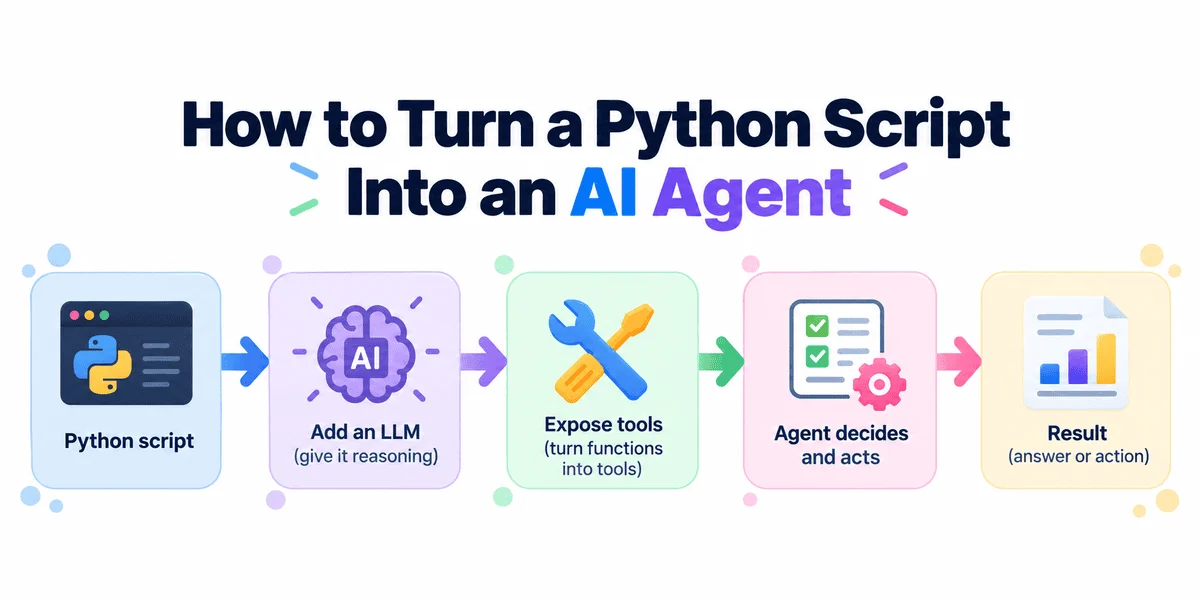
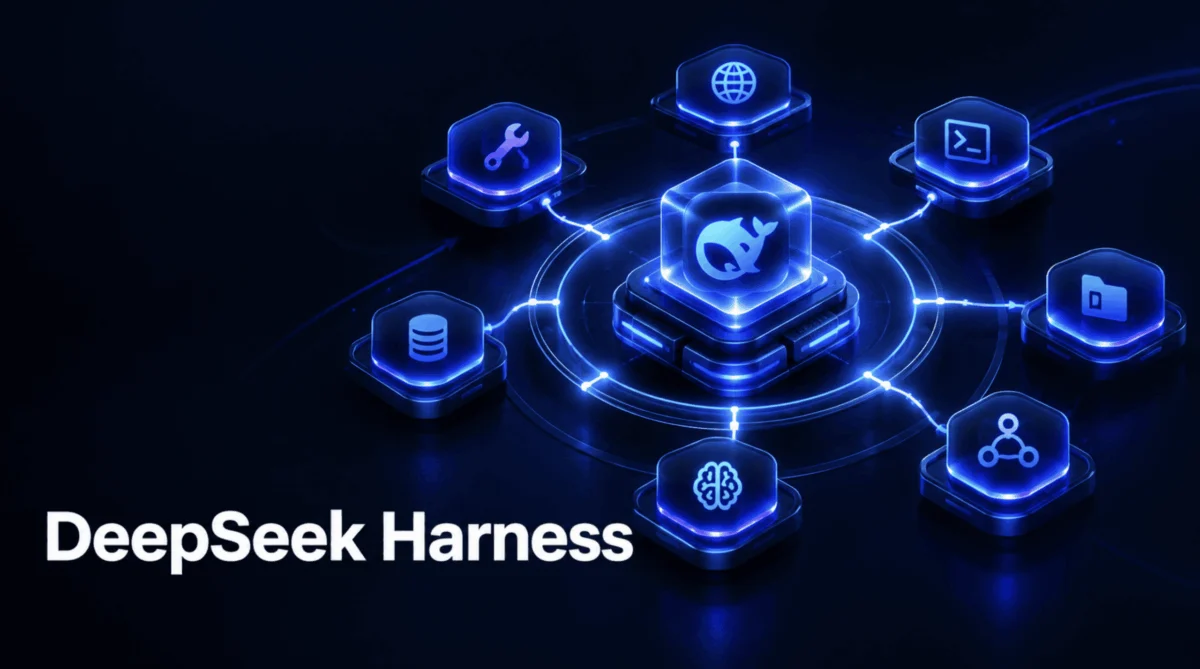
The core architectural innovation championed by DeepSeek Harness is its uncompromising commitment to modularity. Every functional layer of an autonomous agent—including the foundational model adapter, the tool registry, session logging mechanisms, the execution sandbox, the user interface, and even the core agent execution loop itself—operates as an independent plugin.
This design is anchored by Cordis, a mature plugin framework boasting a verifiable four-year production track record within the Koishi chatbot ecosystem prior to its adoption by DeepSeek. Rather than inventing an unproven framework specifically for the launch, the engineering team leveraged robust, battle-tested infrastructure. Furthermore, the design is formalized in an accompanying academic publication titled A Programming Paradigm for Spatiotemporal Composability, providing a theoretical foundation rarely seen in standard AI tooling releases.
To evaluate the practical implementation of this architecture, developers can inspect the framework via its npm package distribution. Executing a version check confirms active maintenance, while diagnostic commands such as --dump-default-config reveal the underlying composition of standard profiles. When executed against the default web profile, the system prints 152 separately named, independently swappable plugins. These range from high-level interface components like @deepseek-ai/dsh-client-ui-approval and @deepseek-ai/dsh-client-plan to specialized utilities such as the scheduling module, which ships pre-configured but disabled by default.
This granular design philosophy ensures that individual UI panels and backend services maintain strict separation of concerns, permitting developers to modify, replace, or remove features without destabilizing the broader runtime environment.
Chronology of the Release and Initial Adoption
The timeline surrounding the release of DeepSeek Harness highlights the viral nature of modern open-source software distribution:
- August 13, 2026: DeepSeek releases the repository for DeepSeek Harness on GitHub and distributes the runtime via npm, initiating immediate global discovery.
- First 12 Hours: The repository accumulates approximately 50,000 stars, driven by technical discussions across developer forums and social media platforms.
- Hour 28: Community adoption accelerates, pushing the star count past 92,000 as early adopters begin publishing custom configuration profiles and third-party plugins.
- Day 10: Cumulative engagement passes 186,000 stars and 20,000 forks, accompanied by the emergence of independent community directories cataloging dozens of specialized plugins.
- Ongoing Phase: The project remains classified as a developer preview, with minor version iterations addressing configuration schemas, error handling, and credential management.
Practical Usability and Developer Experience
Despite its massive popularity, industry analysts emphasize that DeepSeek Harness is not yet a polished, out-of-the-box coding assistant designed to replace daily workflow applications like Claude Code or Codex. Executing the CLI in headless mode without a pre-configured API key yields a precise, structured diagnostic warning—MISSING_CREDENTIAL: llm-deepseek: no API key for provider route "deepseek-official"—rather than an opaque application crash. This attention to developer experience underscores the deliberate engineering discipline governing the project’s current preview state.
The most profound structural divergence from legacy agent frameworks lies in the treatment of the agent loop. In conventional architectures, altering the core reasoning mechanics requires modifying compiled binaries or navigating rigid internal abstractions. Within DeepSeek Harness, the agent loop itself resides inside an ordinary, swappable package. Developers can substitute the execution logic with the same ease as changing a user interface theme or a session database driver.
Broader Industry Implications and Future Outlook
The rapid ascent of DeepSeek Harness signals a maturation point in the software engineering tooling landscape. As artificial intelligence agents transition from experimental novelties to core production infrastructure, the demand for transparent, customizable runtimes has intensified. By providing a composable foundation built on proven open-source principles, DeepSeek has lowered the barrier for teams seeking to engineer bespoke agentic systems without vendor lock-in.
While the ecosystem remains in its infancy—evidenced by early third-party plugin repositories cataloging fewer than a hundred community contributions—the architectural precedent has been established. For software engineers specializing in agent infrastructure, backend architecture, and workflow automation, DeepSeek Harness offers a compelling glimpse into the future of modular AI development. As the project progresses beyond its developer preview status, its long-term viability will depend on the sustained growth of its open-source contributor ecosystem and the ongoing stability of its underlying plugin framework.