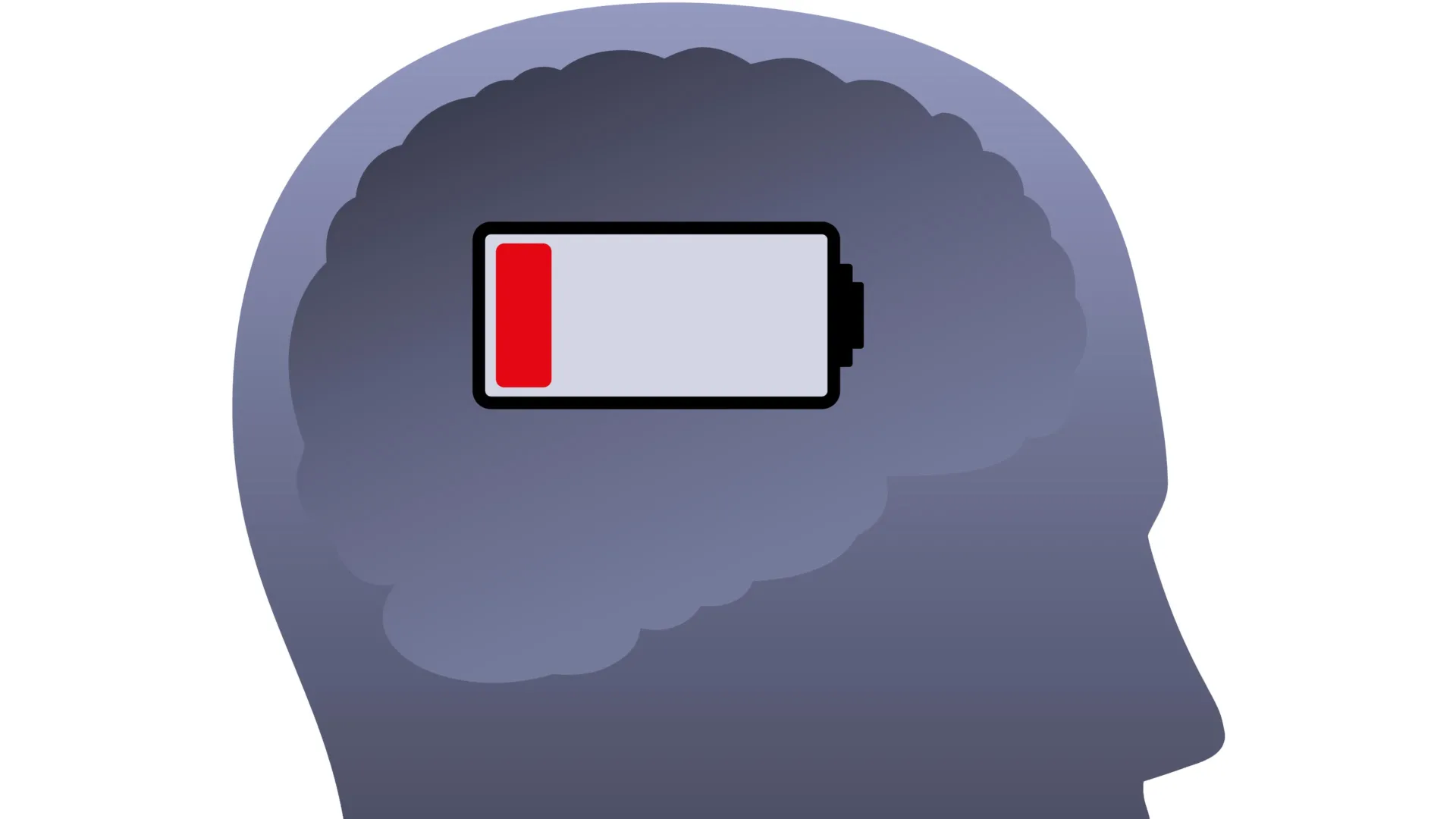
For decades, cancer survivors have reported a cloud of mental fog following treatment, a phenomenon colloquially termed "chemo brain." This condition, clinically recognized as cancer-related cognitive impairment (CRCI), manifests as persistent difficulties with memory, executive function, and attention. New research published in CANCER, a peer-reviewed journal of the American Cancer Society, indicates that two accessible interventions—regular physical exercise and low-dose ibuprofen—may offer a viable path toward mitigating these debilitating side effects. The Phase II clinical trial, led by researchers at the University of Rochester and the Wilmot Cancer Institute, suggests that while exercise provides the most robust benefits, anti-inflammatory medication may also play a supportive role in preserving cognitive health during intensive cancer treatments.
Understanding the Scope of Cancer-Related Cognitive Impairment
Chemotherapy-related cognitive impairment is far from a niche concern; it is a pervasive issue affecting a significant majority of the oncology population. Estimates suggest that as many as 80% of patients undergoing chemotherapy experience some degree of cognitive decline. These symptoms often persist long after the physical cycles of chemotherapy have concluded, hindering a patient’s ability to return to work, manage household responsibilities, or maintain social connections.
The symptoms of "chemo brain" are multifaceted. Patients frequently report an inability to multitask, a shortened attention span, and a frustrating struggle to recall common words or names. In a clinical setting, these are measured through performance-based assessments that evaluate processing speed, verbal memory, and executive control. The biological underpinnings of CRCI are thought to be rooted in systemic inflammation. Chemotherapy agents, while effective at killing malignant cells, often trigger a cascade of pro-inflammatory cytokines that can cross the blood-brain barrier, leading to neuroinflammation and oxidative stress within the central nervous system.
The Phase II Clinical Trial: Methodology and Intervention Groups
Recognizing the inflammatory nature of CRCI, a team of researchers led by Michelle C. Janelsins, PhD, MPH, designed a Phase II clinical trial to test the efficacy of two distinct anti-inflammatory approaches. The study focused on whether physical activity and a common non-steroidal anti-inflammatory drug (NSAID) could independently or synergistically protect the brain.
The study enrolled 86 cancer patients who were actively receiving chemotherapy and had reported subjective cognitive difficulties. To ensure a rigorous evaluation, the participants were randomly assigned to one of four experimental cohorts for a duration of six weeks:
- EXCAP + Low-Dose Ibuprofen: This group participated in a structured exercise program while taking daily low-dose ibuprofen.
- EXCAP + Placebo: This group participated in the exercise program but received a placebo pill.
- Low-Dose Ibuprofen Only: This group took the medication but did not engage in the structured exercise regimen.
- Placebo Only: This control group received a placebo pill and no exercise intervention.
The exercise component utilized the Exercise for Cancer Patients (EXCAP) protocol. Developed at the University of Rochester, EXCAP is a home-based, low-to-moderate intensity program. It involves a progressive regimen of walking and resistance band exercises, specifically designed to be manageable for patients experiencing the fatigue and physical strain of active chemotherapy.
Analysis of Cognitive Performance and Behavioral Outcomes
The results of the six-week trial provided compelling evidence for the neuroprotective qualities of exercise. Patients in the EXCAP + Placebo group demonstrated a statistically significant improvement in attention-based tasks compared to the control group. These improvements were not merely subjective; they were reflected in standardized cognitive assessments designed to measure focus and mental agility.
Interestingly, the group receiving only low-dose ibuprofen also showed gains in attention scores over the placebo group. This suggests that the anti-inflammatory properties of ibuprofen may help dampen the systemic inflammation that contributes to mental fatigue. However, the benefits of exercise appeared to be more consistent across multiple metrics.
A unique aspect of this study was the inclusion of observer-reported outcomes. Researchers sought to determine if the cognitive improvements were noticeable to those in the patients’ immediate social circles. Participants in both the EXCAP + ibuprofen and EXCAP + Placebo groups showed marked improvement on measures assessing whether friends, family members, or coworkers had observed cognitive lapses. This data point is crucial, as it validates that the interventions translate into real-world functional benefits that are perceptible to others.
The Complex Role of Ibuprofen and Mixed Results
While the trial yielded positive news regarding attention and external observations, the results for ibuprofen were not universally beneficial. Specifically, patients who took ibuprofen showed less improvement in short-term verbal memory compared to those who did not take the medication.
This discrepancy highlights the complexity of neuro-inflammation and the brain’s response to NSAIDs. While ibuprofen reduces inflammation by inhibiting cyclooxygenase (COX) enzymes, the specific pathways involved in memory formation may be sensitive to these changes in ways that attention-based pathways are not. Dr. Janelsins noted that these mixed findings necessitate further investigation to determine the optimal timing and dosage of anti-inflammatory medications in a cancer care context.
Chronology of Research and the Evolution of Supportive Care
The search for a "cure" for chemo brain has evolved significantly over the last two decades. In the early 2000s, cognitive complaints were often dismissed as secondary effects of depression or general fatigue. However, by the 2010s, advanced neuroimaging began to show physical changes in the white and gray matter of the brains of chemotherapy patients, providing objective proof of the condition.
The EXCAP program itself represents years of iterative research into how physical activity can be tailored for oncology. Previous studies had already established that exercise could reduce cancer-related fatigue and improve mood. This latest Phase II trial marks a pivotal shift toward utilizing exercise as a specific clinical intervention for cognitive preservation.
The timeline for this specific study reflects a growing trend in oncology toward "supportive care" research—prioritizing the quality of life during and after treatment with the same rigor as the treatment of the primary tumor. The transition from Phase II to Phase III trials, which the researchers are currently planning, will involve larger, more diverse patient populations to confirm these preliminary findings.
Institutional Perspectives and Expert Analysis
The findings have been met with cautious optimism within the oncology community. Dr. Michelle C. Janelsins, the lead author and a prominent figure at the Wilmot Cancer Institute, emphasized the importance of finding accessible solutions for patients.
"We are encouraged by the findings of this trial that suggest possible benefits of both interventions for some cognitive domains," Janelsins stated. She highlighted that the pronounced effect of exercise is particularly notable given the "multiple health benefits of exercise for cancer survivors," which include improved cardiovascular health and reduced muscle atrophy.
Independent experts in neuro-oncology have noted that the study’s design is particularly strong because it uses both performance-based assessments (objective tests) and patient-reported outcomes (subjective experience). This dual approach addresses the long-standing gap between what a patient feels and what a clinical test can detect.
Broader Implications for Cancer Survivorship and Policy
The implications of this research extend beyond the clinical setting and into the realms of workplace policy and insurance coverage. If exercise and low-cost medications like ibuprofen can be proven to maintain cognitive function, the economic impact could be substantial. Patients who maintain cognitive sharpness are more likely to stay employed during treatment or return to the workforce sooner, reducing the financial toxicity often associated with a cancer diagnosis.
Furthermore, the study underscores the need for a multidisciplinary approach to cancer care. Oncology teams are increasingly being encouraged to include physical therapists and exercise physiologists as core members of the treatment team. If physical activity is viewed as a "prescription" for brain health rather than just a lifestyle suggestion, insurance providers may eventually be moved to cover structured exercise programs for cancer patients.
Future Directions and Clinical Recommendations
Despite the promising results, the researchers urge a degree of caution. Dr. Janelsins advised that patients should not begin a new exercise or medication regimen without consulting their oncology team. The interactions between NSAIDs and certain chemotherapy drugs can be complex, and physical activity must be calibrated to a patient’s specific physical condition and cardiovascular health.
Future research is expected to delve into several key areas:
- Dosage and Duration: Determining how many minutes of exercise per week are required to achieve the maximum cognitive benefit.
- Biological Markers: Analyzing blood samples from participants to see if there is a direct correlation between reduced cytokine levels and improved test scores.
- Long-term Efficacy: Tracking patients for years post-treatment to see if the cognitive benefits of early intervention persist into long-term survivorship.
As the medical community continues to refine its understanding of the "chemo brain," this study stands as a significant milestone. It moves the conversation from merely acknowledging a problem to providing evidence-based, accessible strategies for protecting the minds of those fighting cancer. The results suggest that for many, the path to mental clarity during chemotherapy may involve a combination of staying active and targeted anti-inflammatory support, offering hope for a higher quality of life throughout the recovery journey.