Researchers from the Department of Medicine at the School of Clinical Medicine, LKS Faculty of Medicine, University of Hong Kong (HKUMed) have achieved a landmark breakthrough in the field of mechanobiology by identifying a specific biological process that explains how physical activity maintains bone density. The discovery centers on a protein known as Piezo1, which functions as the body’s internal "exercise sensor," allowing bone tissue to perceive and respond to physical movement. This finding, published in the prestigious journal Signal Transduction and Targeted Therapy, provides a foundational understanding of the molecular link between mechanical force and skeletal health, potentially paving the way for a new class of drugs known as "exercise mimetics." These medications could replicate the physiological benefits of physical activity for individuals who are physically unable to exercise, such as the elderly, bedridden patients, and those suffering from chronic debilitating illnesses.
The Global and Local Burden of Osteoporosis
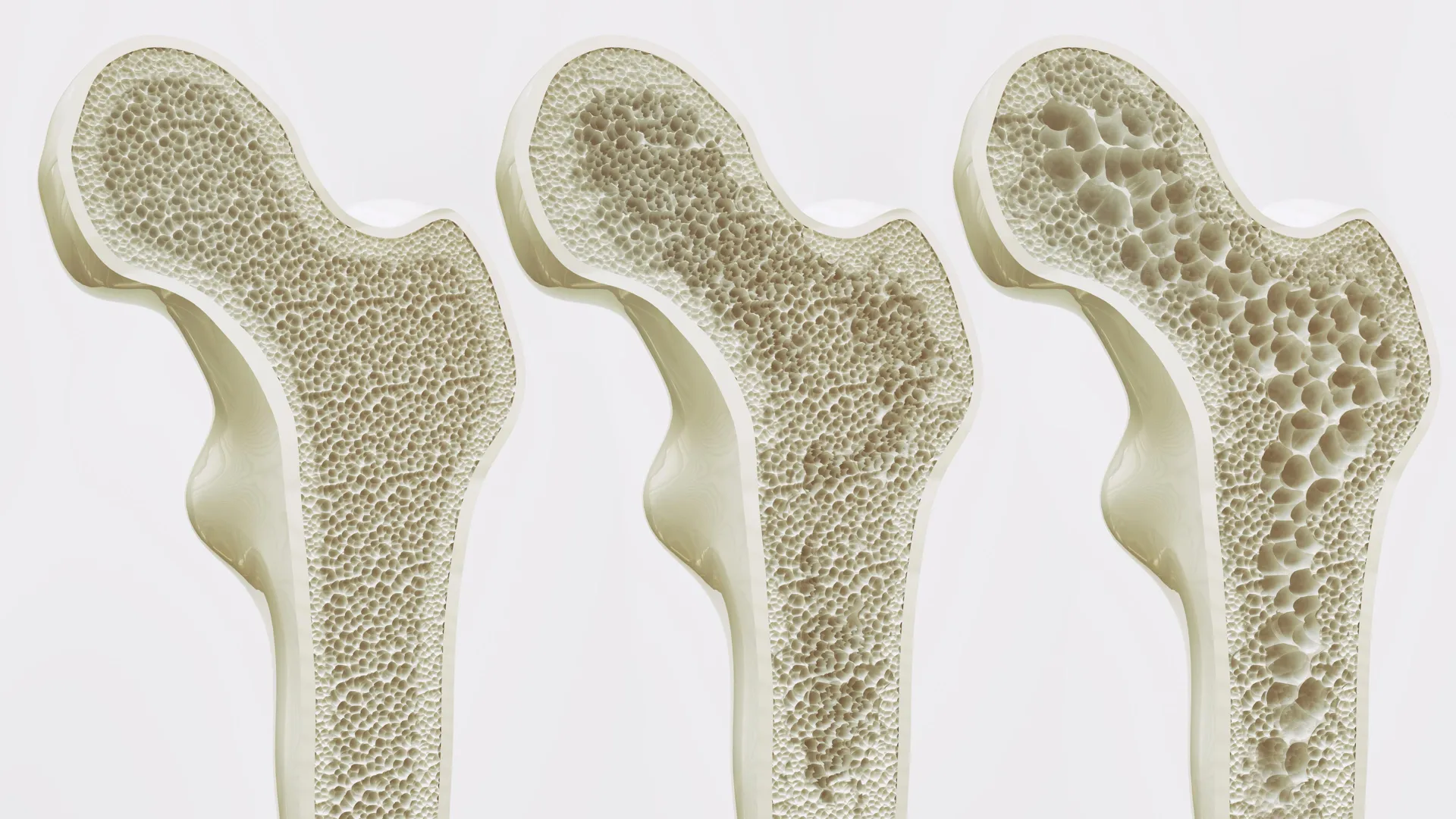
Osteoporosis is often described as a "silent epidemic" because bone loss typically occurs without symptoms until a fracture happens. The global health implications of this condition are staggering. According to data from the World Health Organization (WHO), osteoporosis affects hundreds of millions of people worldwide. Statistics indicate that approximately one in three women and one in five men over the age of 50 will suffer an osteoporotic fracture in their lifetime. These injuries are not merely physical setbacks; they are life-altering events. For many elderly patients, a hip or spinal fracture leads to chronic pain, permanent disability, and a significant loss of independence. In many cases, the complications arising from such fractures—such as pneumonia or blood clots due to immobility—can be fatal.
In Hong Kong, the challenge is particularly acute due to the territory’s rapidly aging population. Local health data reveals that osteoporosis affects roughly 45% of women and 13% of men aged 65 and older. As the demographic shift toward an older population continues, the strain on the public healthcare system is expected to intensify. The cost of acute care, rehabilitation, and long-term nursing for fracture patients represents a massive economic burden. Current therapeutic options, while effective for some, often come with side effects or require a level of physical activity that many high-risk patients simply cannot maintain. This creates a therapeutic gap that the HKUMed research team sought to bridge by looking at the cellular level of bone maintenance.
The Cellular Tug-of-War: Bone versus Fat
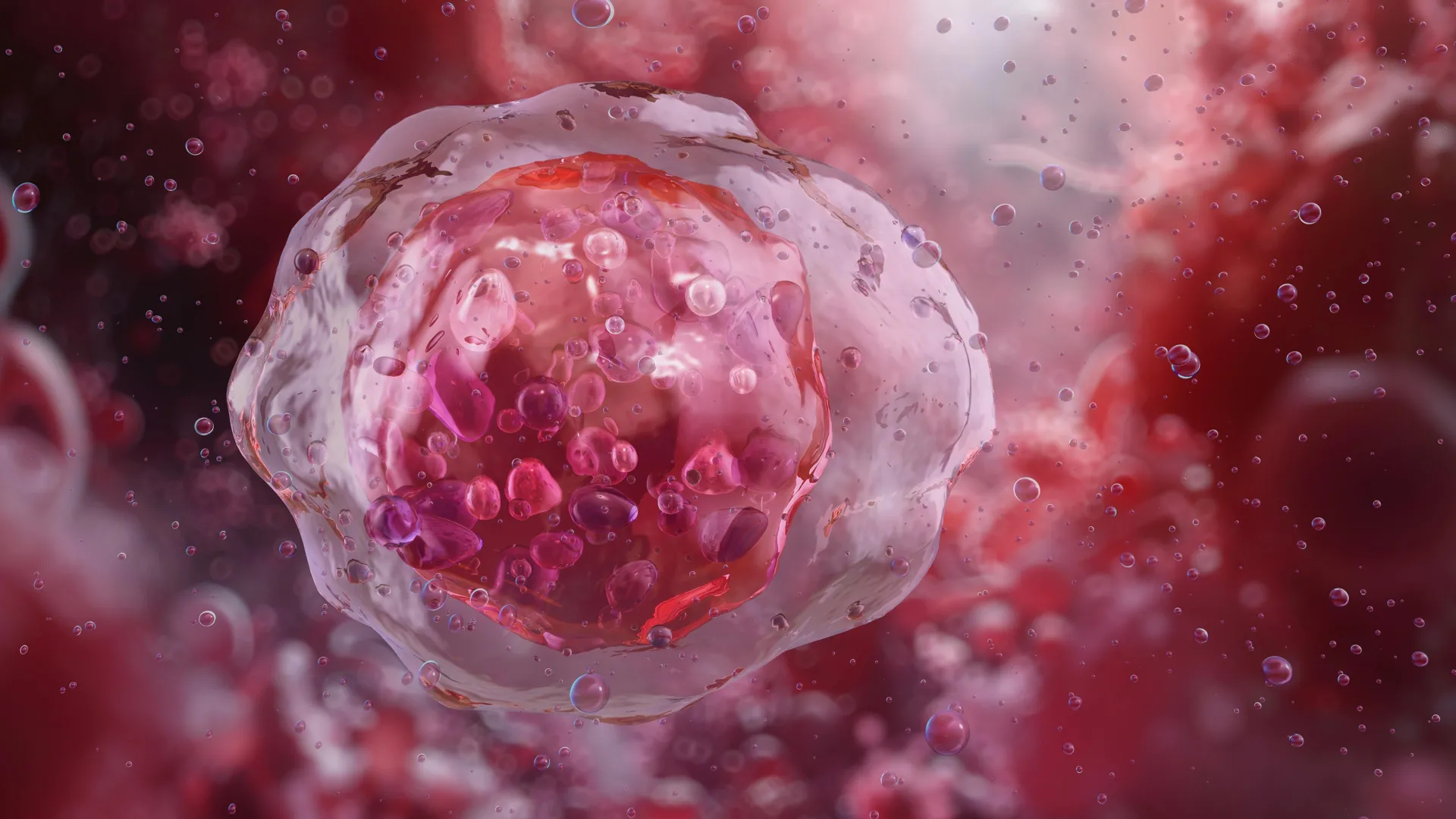
To understand the significance of the Piezo1 discovery, it is necessary to examine the environment inside the bone marrow. Bone marrow contains a vital population of cells known as mesenchymal stem cells (MSCs). These are "multipotent" cells, meaning they have the capacity to differentiate into various types of tissue, including bone-forming cells (osteoblasts) and fat cells (adipocytes).
In a healthy, active individual, the mechanical stresses placed on the skeleton through walking, running, and weight-bearing exercises signal these stem cells to become bone tissue. This keeps the skeleton dense and strong. However, the aging process disrupts this delicate equilibrium. As humans age, or when they become sedentary due to illness, the biological "switch" flips. Instead of creating new bone, the mesenchymal stem cells increasingly differentiate into fat cells.
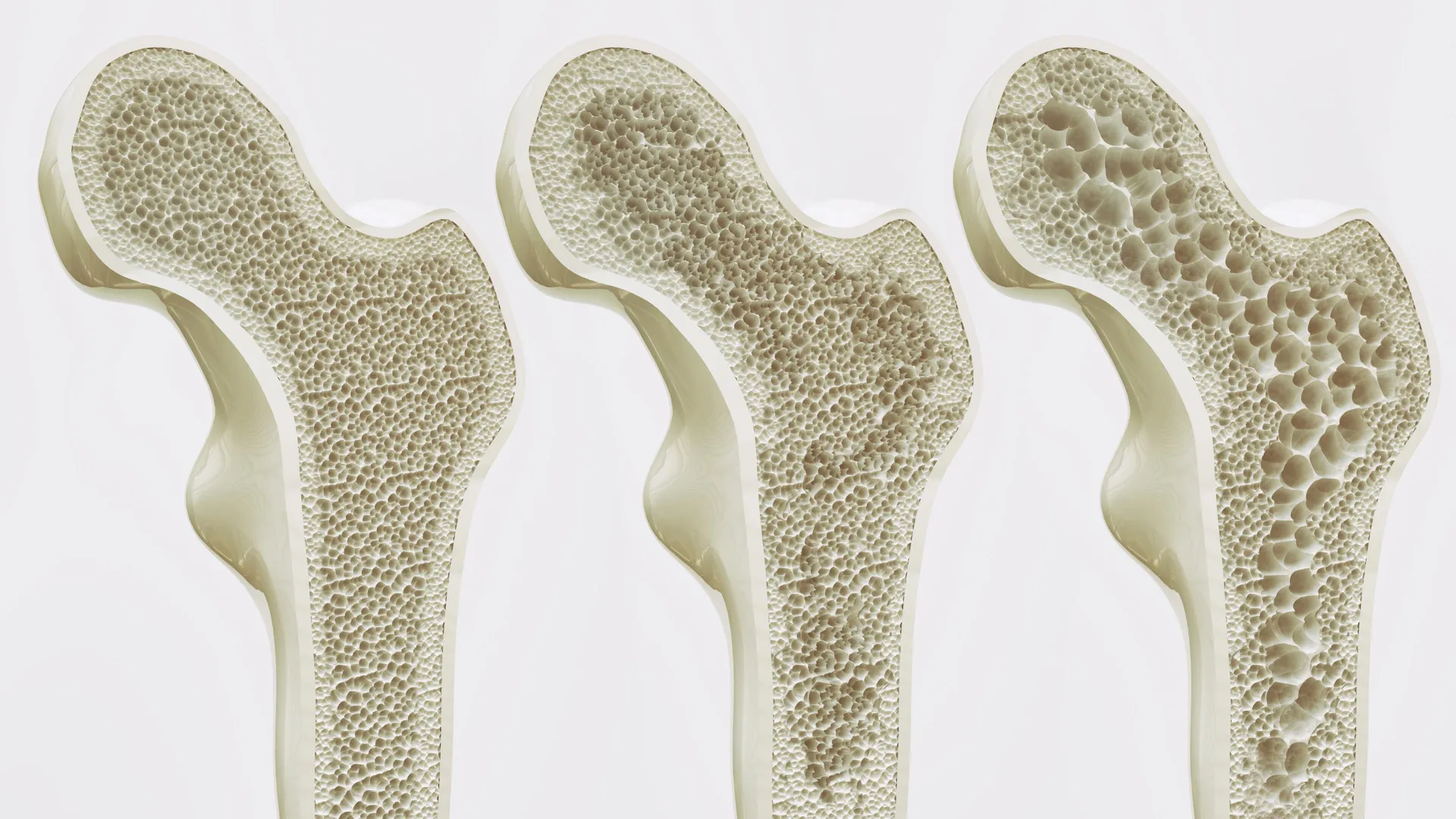
This accumulation of marrow fat is a hallmark of skeletal aging. As fat cells crowd out healthy bone tissue, the bones become increasingly porous and brittle—a state known as "marrow adiposity." This process creates a destructive cycle: weaker bones lead to less movement, and less movement accelerates the conversion of stem cells into fat, further weakening the bones. Until now, the exact molecular "sensor" that told the cells to choose bone over fat remained elusive.
Identifying Piezo1 as the Mechanical Sensor
The HKUMed research team, led by Professor Xu Aimin, Director of the State Key Laboratory of Pharmaceutical Biotechnology, utilized a combination of mouse models and human stem cell cultures to investigate how cells sense force. They focused their attention on Piezo1, a protein located on the surface of mesenchymal stem cells. Piezo1 is a mechanosensitive ion channel, a type of protein that opens in response to physical pressure or stretching, allowing ions to flow into the cell and trigger biological signals.
Through a series of sophisticated experiments, the researchers demonstrated that Piezo1 acts as the primary intermediary between physical exercise and bone formation. When mice in the study engaged in physical activity, the Piezo1 channels on their stem cells were activated. This activation sent a signal to the cell to suppress the pathways that lead to fat formation and instead promote the genetic program for bone growth.
Conversely, the team conducted "loss-of-function" experiments where Piezo1 was genetically removed or inhibited. In these cases, even if the subjects were active, the bones failed to strengthen. Without Piezo1, the stem cells defaulted to fat production, leading to rapid bone loss and increased fragility. The researchers also discovered that the absence of Piezo1 triggered the release of specific inflammatory markers, namely Ccl2 and lipocalin-2. These signals further exacerbated the problem by actively pushing stem cells toward fat production and interfering with the bone-building process.
Implications for "Exercise Mimetics" and Future Therapeutics
The identification of the Piezo1 pathway is a significant step toward the development of "exercise mimetics." These are pharmacological agents designed to trigger the same biochemical pathways that are normally activated by physical exertion. For a patient who is paralyzed, suffering from severe sarcopenia (muscle wasting), or recovering from major surgery, these drugs could "trick" the skeletal system into believing the body is undergoing vigorous exercise.
Professor Xu Aimin emphasized the transformative potential of this research. "Osteoporosis and age-related bone loss affect millions worldwide, often leaving elderly and bedridden patients vulnerable to fractures and loss of independence," he stated. "Current treatments rely heavily on physical activity, which many patients simply cannot perform. This study is a critical step towards finding a way to replicate the benefits of exercise at the molecular level."
Dr. Wang Baile, Research Assistant Professor at HKUMed and co-leader of the study, highlighted the importance for vulnerable populations. He noted that for individuals who are frail or suffer from chronic illnesses, the ability to maintain bone mass through a pill or injection could mean the difference between a high quality of life and a cycle of injury and hospitalization. "Our findings open the door to developing drugs that chemically activate the Piezo1 pathway to help maintain bone mass and support independence," Dr. Wang explained.
Collaborative Research and Academic Synergy
The study was a highly collaborative effort, involving experts from across the globe. Alongside the HKUMed team, Professor Eric Honoré from the Institute of Molecular and Cellular Pharmacology at the French National Centre for Scientific Research (CNRS) played a pivotal role. Professor Honoré, who also serves as a Visiting Professor at HKUMed, noted that the research offers a strategy that goes far beyond traditional physical therapy.
"This offers a promising strategy beyond traditional physical therapy," Honoré remarked. "In the future, we could potentially provide the biological benefits of exercise through targeted treatments, thereby slowing bone loss in vulnerable groups such as bedridden patients or those with limited mobility, and substantially reducing their risk of fractures."
The research was supported by a wide array of prestigious funding bodies, reflecting its international importance. These include the Research Grants Council of Hong Kong, the Health Bureau of the HKSAR Government, the National Key R&D Program of China, and the National Natural Science Foundation of China. International support came from the Human Frontier Science Program, the French National Research Agency, and several French medical foundations, as well as the Macau Science and Technology Development Fund.
Future Outlook: From the Laboratory to the Clinic
While the discovery of Piezo1 is a breakthrough, the transition from laboratory findings to a clinical treatment is a complex process. The HKUMed team is currently focused on the next phase of research: identifying specific chemical compounds that can safely and effectively activate the Piezo1 protein in humans without causing adverse side effects in other tissues.
The potential applications of this research extend beyond osteoporosis. The field of mechanobiology is exploring how Piezo1 and similar proteins affect other systems in the body, such as the cardiovascular system and muscle tissue. If a universal "exercise mimetic" can be developed, it could revolutionize the treatment of various conditions associated with sedentary lifestyles and aging.
For now, the HKUMed study provides a vital piece of the puzzle in the fight against bone disease. By decoding the molecular language of movement, researchers have moved one step closer to ensuring that the benefits of a healthy, active lifestyle can be shared by everyone, regardless of their physical limitations. The team’s work serves as a testament to the power of interdisciplinary collaboration in solving some of the most pressing health challenges of the 21st century. As the world’s population continues to age, such innovations will be essential in maintaining public health and individual dignity for the elderly and the infirm.