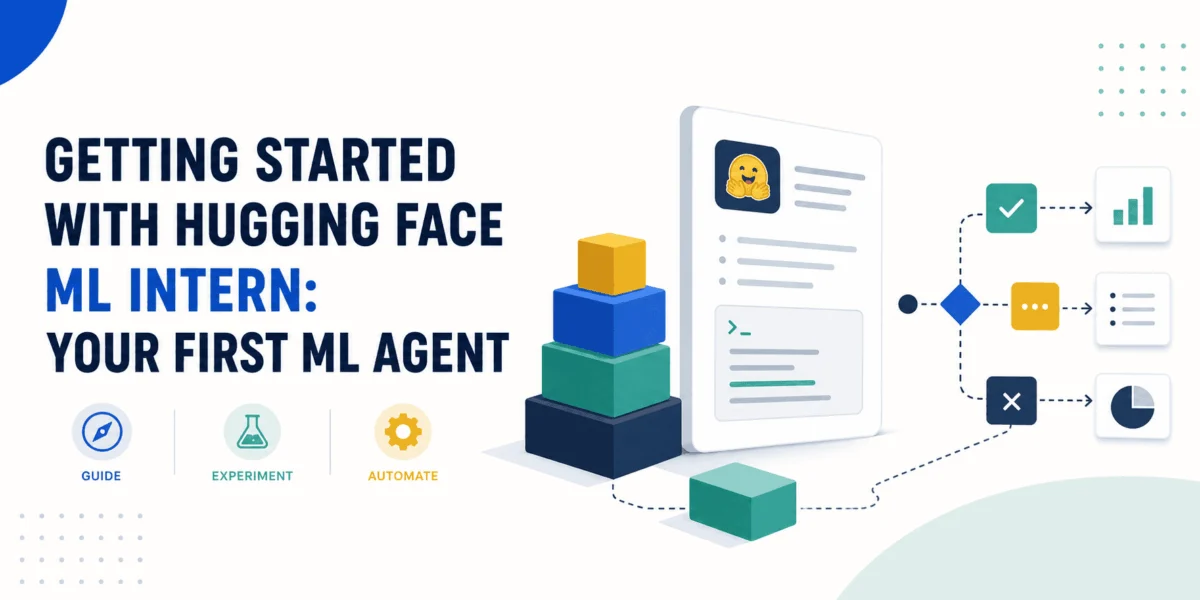
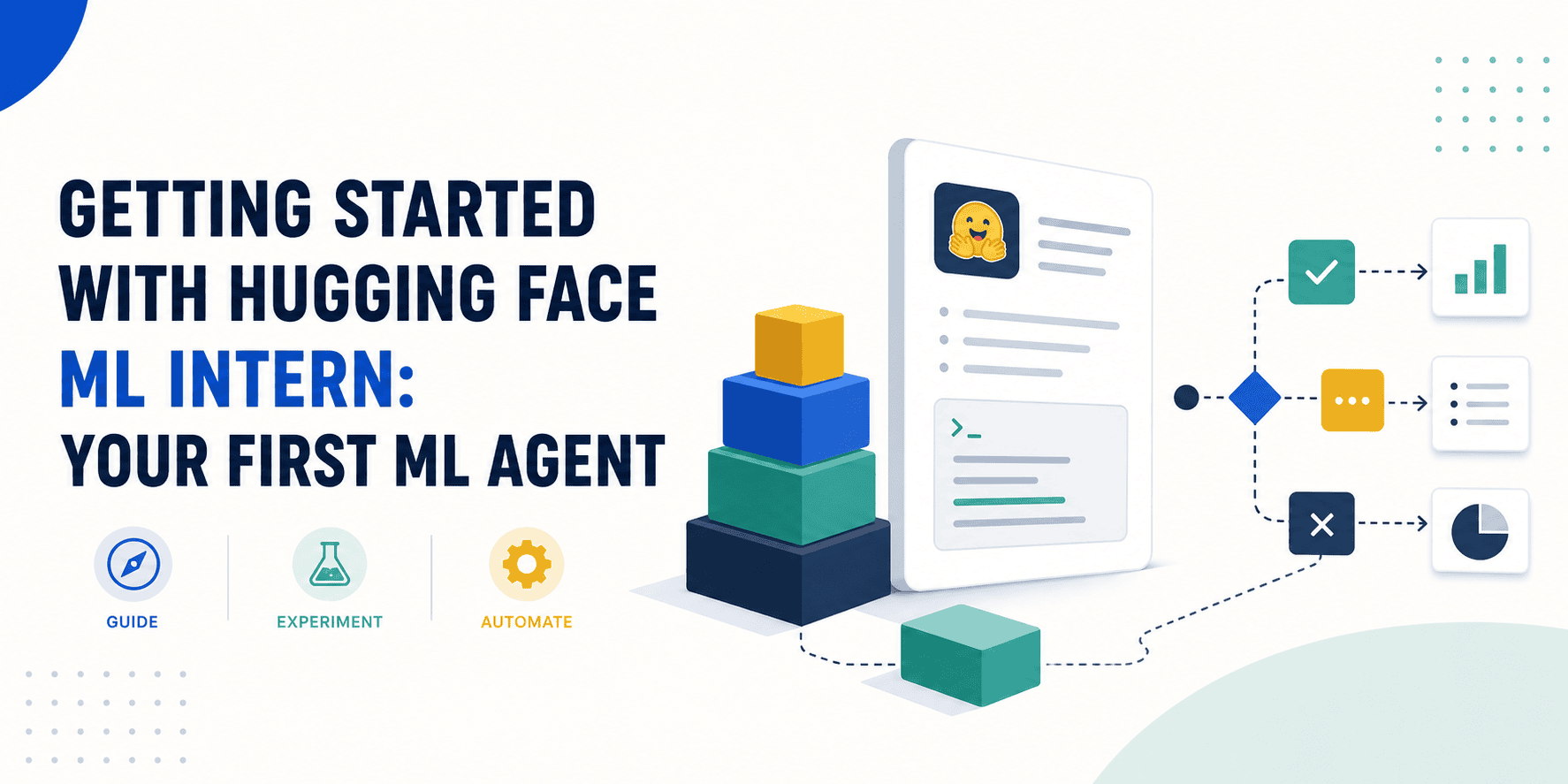
Hugging Face, a leading force in the open-source artificial intelligence community, has launched ML Intern, an innovative open-source command-line interface (CLI) agent aimed at significantly accelerating the machine learning development lifecycle. This new tool is engineered to bridge the notorious gap between conceptualizing an ML model and achieving a deployable, trained checkpoint, a process that often consumes considerable time and resources for developers and researchers. By enabling users to articulate complex machine learning tasks in plain English, ML Intern automates many of the repetitive and time-consuming steps typically handled by junior machine learning engineers, thereby freeing up experienced professionals to focus on higher-level research and strategic decisions.
Addressing the Bottlenecks in Machine Learning Development
The journey from an initial machine learning idea to a production-ready model is fraught with challenges, often characterized by iterative cycles of data preparation, model selection, infrastructure setup, training, evaluation, and refinement. Industry reports frequently highlight that a significant portion of an ML engineer’s time — sometimes up to 80% — is spent on mundane tasks such as data cleaning, environment configuration, and debugging scripts rather than core algorithmic innovation. This operational overhead can lead to project delays, increased costs, and a slower pace of innovation. ML Intern directly confronts these inefficiencies by automating tasks like documentation review, GitHub repository searches for reference implementations, script generation, launching GPU training jobs, monitoring experiments, and publishing final models. This automation is critical in an era where the demand for rapid iteration and deployment of AI solutions is constantly escalating across industries.
Hugging Face’s Integrated Ecosystem as a Foundation
ML Intern is not a standalone application but is deeply embedded within the extensive Hugging Face ecosystem, leveraging its robust infrastructure end-to-end. This integration is a cornerstone of its effectiveness. For instance, the agent can scour research papers on both the Hugging Face Hub and arXiv, seamlessly interact with datasets hosted on the Hub, initiate Graphics Processing Unit (GPU) training jobs via Hugging Face Jobs, log and track experiment metrics using Trackio, and ultimately publish trained models back to the Hub. This seamless connectivity ensures that ML Intern can manage the entire workflow within a cohesive environment, eliminating the need for manual transitions between disparate tools and platforms. Underpinning its operation is the smolagents framework, with model calls intelligently routed through Hugging Face Inference Providers or local endpoints, offering flexibility and cost control to users. This strategic integration reinforces Hugging Face’s commitment to providing a comprehensive, open-source platform that supports the entire ML lifecycle.
An Iterative Workflow for Real-World ML Research
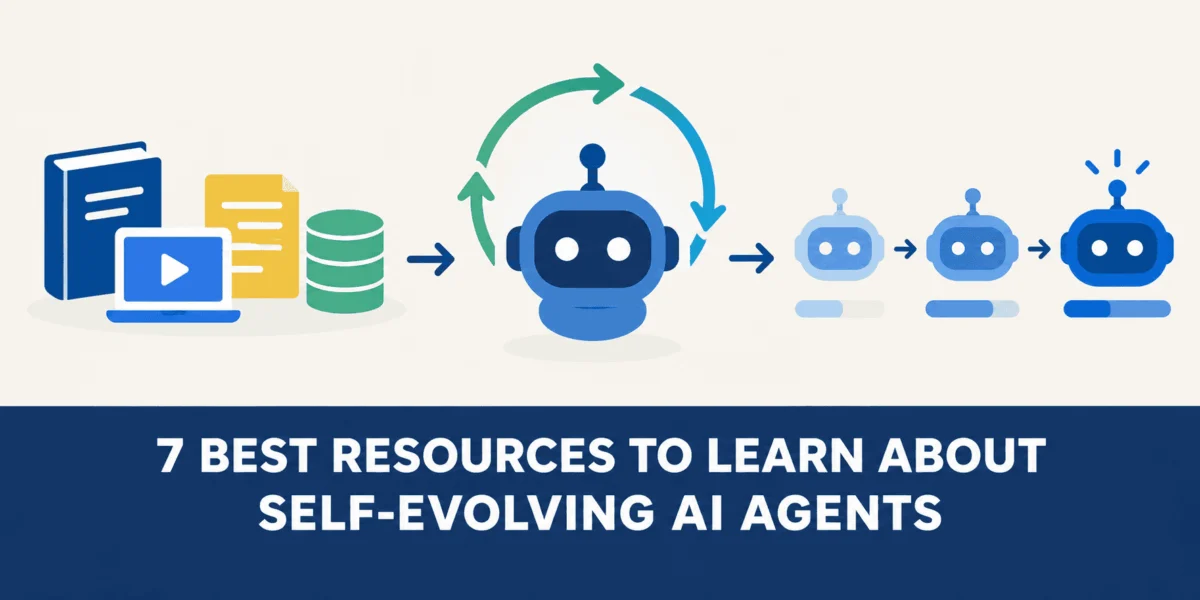
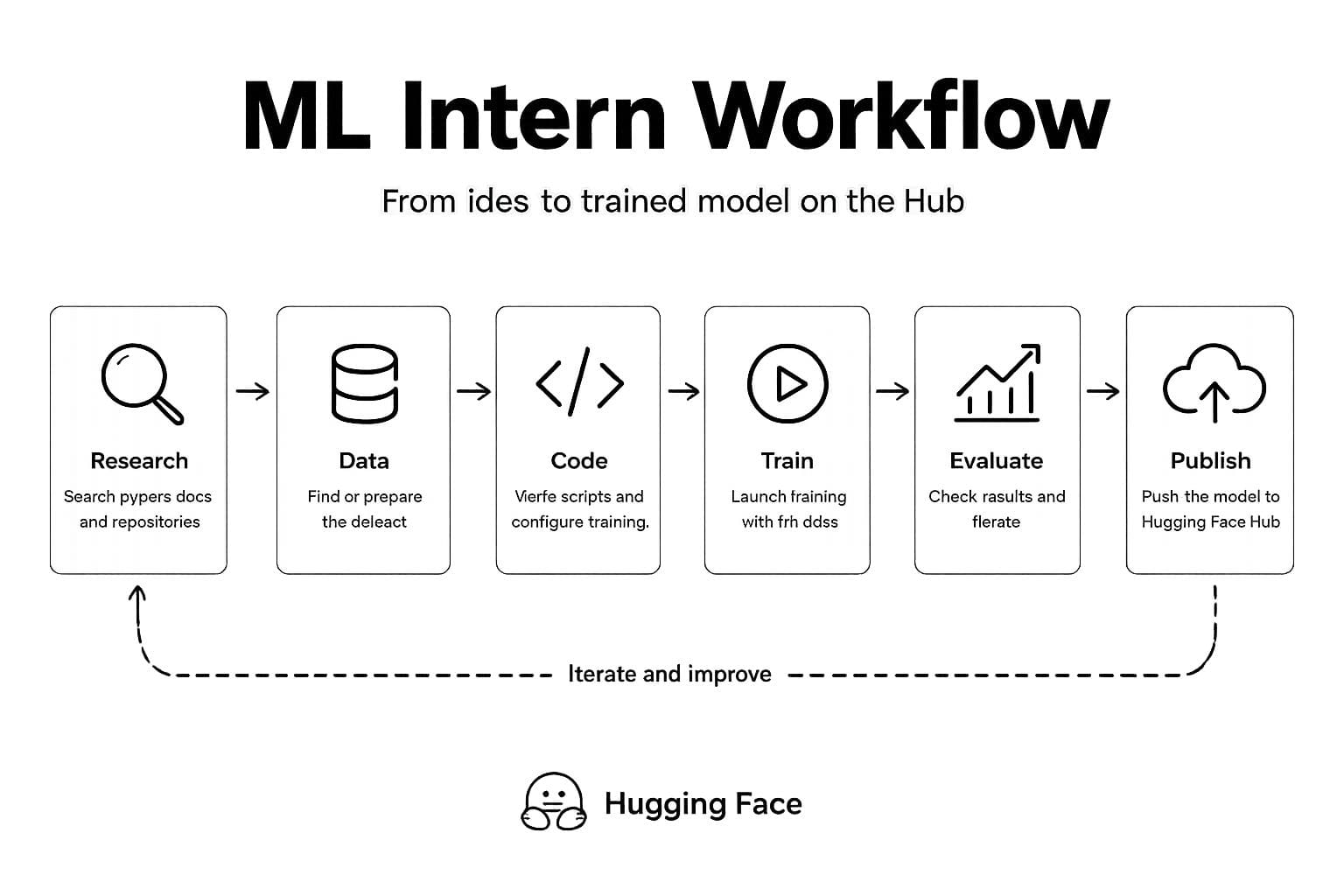
Unlike traditional chatbots or code generators that often provide a single response and stop, ML Intern is designed for an iterative, goal-oriented workflow. Machine learning research is inherently non-linear; it involves continuous learning, adaptation, and refinement. An engineer might read a paper, chase citations, find a suitable dataset, rewrite data loaders multiple times, initiate training, discover an evaluation flaw, rectify it, and then retrain. ML Intern mirrors this real-world research paradigm through a continuous loop comprising Research, Data, Code, Train, Evaluate, and Publish stages. This iterative capability is crucial for tackling complex problems that require multiple steps and adjustments. For example, if an initial training run yields unsatisfactory results, the agent can analyze the logs, propose modifications to the code or data pipeline, and initiate a new training cycle, all while keeping the user informed. This systematic approach ensures that the agent persists in its objective until a satisfactory outcome is achieved or an explicit iteration limit is met.
Performance Validation and Early Successes
Initial benchmarks provide compelling evidence of ML Intern’s potential. Hugging Face reported that the agent demonstrated significant improvement on GPQA, a challenging benchmark designed to test scientific reasoning. In less than 10 hours, using a small Qwen model, ML Intern improved its performance from approximately 10% to 32%. While this specific benchmark targets scientific reasoning, the substantial leap in performance within a relatively short timeframe underscores the agent’s robust capabilities in multi-step problem-solving and iterative learning. This is a critical indicator that ML Intern is not merely a tool for generating isolated scripts but a sophisticated agent capable of sustained, goal-directed activity, adapting its strategy based on intermediate results. These early results suggest a paradigm shift in how research and development teams can approach complex ML tasks, potentially compressing development timelines dramatically.
Accessibility and Implementation
To begin leveraging ML Intern, users need a Hugging Face account, Python installed, and uv, a modern Python package installer and resolver. Essential for operation are two API tokens: HF_TOKEN and GITHUB_TOKEN. The HF_TOKEN grants access to the Hugging Face Hub, Inference Providers, GPU sandboxes, and training jobs, with Write permission recommended for full functionality, including model uploads. The GITHUB_TOKEN is used by the agent to search public GitHub repositories for reference implementations, requiring Fine-grained token access with read-only permissions. Detailed guides for creating these tokens are available on the official Hugging Face and GitHub documentation pages, ensuring secure and controlled access to necessary resources.
Installation is straightforward, typically involving cloning the huggingface/ml-intern repository from GitHub, navigating into the directory, and executing uv sync followed by uv tool install -e .. Once installed, ml-intern becomes globally accessible. For seamless operation, users are advised to configure their HF_TOKEN and GITHUB_TOKEN as environment variables, either in a .env file or directly within their shell environment. This setup ensures that the agent can authenticate and interact with the required services without manual intervention during each session.
Flexible Operational Modes: Interactive and Headless
ML Intern offers two distinct operational modes tailored to different user needs: interactive and headless.
Interactive Mode provides a conversational interface, allowing users to describe tasks in natural language. The agent then plans its steps, seeks approval before executing potentially risky operations (like launching a GPU job), and provides real-time updates on its progress. This mode is ideal for exploration, debugging, and situations where human oversight and iterative guidance are beneficial. Users can even dynamically switch underlying models mid-conversation using commands like /model. This human-in-the-loop approach fosters trust and allows developers to steer the agent’s actions, making it highly effective for initial experimentation or complex tasks requiring nuanced decisions.
Headless Mode, conversely, is designed for automated, hands-off execution. Users provide a single prompt, and the agent proceeds to auto-approve all actions, running until the task is completed or a predefined iteration limit is reached. This mode is particularly valuable for integrating ML Intern into continuous integration (CI) workflows, nightly experiments, or large-scale automation where human intervention is not desired. Flags such as --max-iterations to cap the budget, --no-stream for cleaner logs in CI environments, and --sandbox-tools for specific testing scenarios enhance its utility for automated pipelines.
For instance, a simple task like "Find the rotten_tomatoes dataset on the Hub and write a short Python script that loads it with datasets and prints the first example. Save it to /tmp/load_dataset.py. Do not run training." demonstrates the agent’s capability. In interactive mode, the agent provides detailed context, including dataset specifics, script functionality, and execution instructions, allowing for follow-up questions. In headless mode, the agent executes the task autonomously, confirming completion and providing a concise summary of the outcome, including the generated script and its verified functionality.
Leveraging Local Models for Enhanced Control and Privacy
A significant feature of ML Intern is its compatibility with locally hosted models, offering an alternative to relying solely on Hugging Face Inference Providers or external API services. This capability is particularly beneficial for users concerned about data privacy, API costs, or those with specific hardware configurations. By connecting to an OpenAI-compatible server running locally, ML Intern can leverage popular local inference frameworks such as Ollama, vLLM, and Llama.cpp. This flexibility means users can specify models like ollama/llama3.1:8b or vllm/meta-llama/Llama-3.1-8B-Instruct directly in their commands.
Custom endpoints can be configured via environment variables like LOCAL_LLM_BASE_URL and LOCAL_LLM_API_KEY. While local models offer greater control and potentially reduced costs, it’s important to note that the reasoning capabilities of smaller, locally run models might be insufficient for highly complex, multi-step training pipelines. They are well-suited for exploration and script drafting, but for intensive agent loops, models with more advanced reasoning headroom are often recommended, balancing local control with computational power.
Under the Hood: The Iterative Loop and Tooling
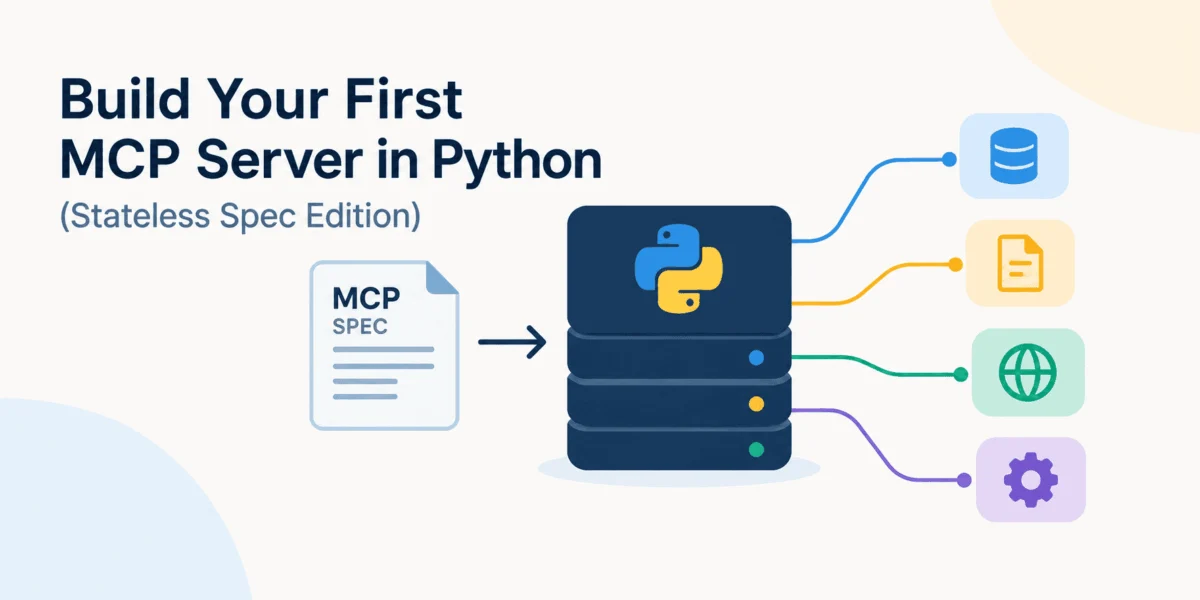
The internal mechanism of ML Intern revolves around an iterative loop, capable of executing up to 300 turns by default. In each turn, the agent processes information, formulates a plan, selects and executes appropriate tools, and evaluates the results before deciding on the next step. This process is orchestrated by a powerful set of built-in tools that span the entire Hugging Face ecosystem, including access to documentation, datasets, model repositories, research papers, and job management utilities. Beyond Hugging Face’s offerings, it also integrates GitHub search for broader code references, local file operations, and various planning helpers. The architecture is extensible, allowing users to attach additional tools through the Model Context Protocol (MCP). A critical component of its design is a "doom loop detector," which intelligently identifies and prevents repeated tool calls with identical arguments, a common pitfall in autonomous coding agents, ensuring efficient progress.
For debugging and understanding the agent’s decision-making process, every session can be auto-uploaded to a private dataset on the user’s Hugging Face Hub account (username/ml-intern-sessions). These session traces are formatted for the Agent Trace Viewer, a powerful debugging tool that allows users to inspect every reasoning step the agent took. This transparency is invaluable for identifying where an agent might have made a suboptimal decision, enabling developers to refine prompts or tools for improved performance. Users also have granular control over trace sharing, with options to keep sessions private or make them public, or even disable trace uploads entirely via configuration settings, addressing privacy and data management concerns.
Broader Implications and the Future of ML Engineering
ML Intern represents a significant step towards the democratization of machine learning, making advanced capabilities more accessible to a wider audience, including those with less specialized ML engineering expertise. By automating the foundational, often repetitive tasks, it enables individuals and smaller teams to embark on sophisticated ML projects that might otherwise be out of reach due to resource constraints or skill gaps. This shift will likely redefine the role of the ML engineer, moving their focus from low-level scripting and infrastructure management to higher-order problem-solving, architectural design, model interpretability, and strategic oversight. Engineers can dedicate more time to understanding the nuances of their data, developing novel algorithms, and ensuring the ethical deployment of AI systems, rather than grappling with boilerplate code.
While ML Intern offers transformative potential, Hugging Face emphasizes that it is a powerful tool designed to augment human judgment, not replace it. The ultimate responsibility for interpreting training logs, validating evaluations, and making critical research decisions still rests with the human expert. It serves as an intelligent assistant, streamlining the initial setup and iterative refinement phases, but the critical thinking and contextual understanding required for groundbreaking research remain firmly in the human domain. As AI agents continue to evolve, tools like ML Intern will play an increasingly pivotal role in accelerating scientific discovery and technological innovation, fostering a collaborative ecosystem where human ingenuity is amplified by intelligent automation. The ongoing development of ML Intern, with community contributions and feedback, promises further enhancements and expanded capabilities, solidifying its position as a key enabler in the future of machine learning development.