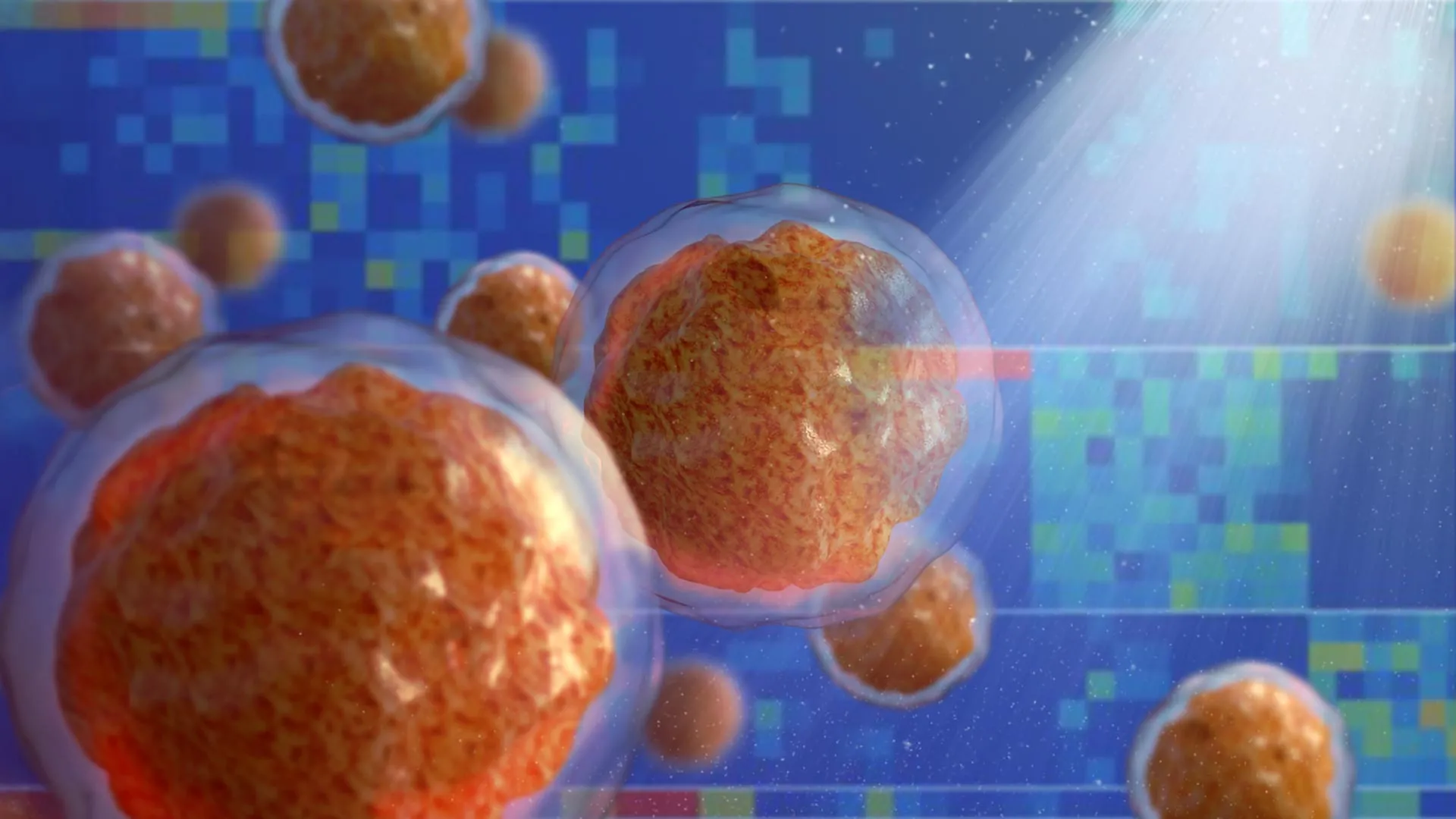
Every second, the human bone marrow performs a monumental task, generating millions of new blood and immune cells to sustain the body’s complex physiological needs. This relentless process of renewal is governed by a sophisticated and delicate ecosystem where hematopoietic stem cells (HSCs) reside within specialized niches, supported by stromal cells and regulated by a precise network of immune signals. However, recent scientific inquiries have revealed that this vital balance is far more precarious than previously understood. As the human body ages, the bone marrow environment undergoes a profound and often silent transformation that can pave the way for life-threatening malignancies.
An international research initiative, co-led by experts from the European Molecular Biology Laboratory (EMBL), the University of Basel, and University Medical Center (UMC) Mainz, has now provided a comprehensive map of these hidden changes. Their findings, published in a landmark study, suggest that chronic inflammation within the bone marrow microenvironment—rather than just the mutations within the stem cells themselves—acts as a primary driver for the progression of pre-leukemic states. This shift in perspective offers a new paradigm for understanding how age-related blood disorders develop and highlights potential avenues for early intervention that could prevent the onset of aggressive leukemias.
The Silent Evolution of Clonal Hematopoiesis
The study focuses on a condition known as clonal hematopoiesis of indeterminate potential (CHIP). For decades, CHIP was viewed largely as a statistical inevitability of aging. It occurs when a single mutated hematopoietic stem cell begins to outcompete its neighbors, leading to a genetically distinct population of blood cells. While individuals with CHIP typically show no outward symptoms and maintain normal blood counts, the underlying biological shift is significant. Data indicates that CHIP is present in approximately 10% to 20% of adults over the age of 60, with the prevalence climbing to nearly 30% in those over 80.
Despite its "indeterminate potential" label, CHIP is far from benign. Clinical data has long established that individuals harboring these clones face a tenfold increase in the risk of developing hematologic malignancies. Perhaps more surprisingly, the presence of CHIP is also associated with a doubled risk of cardiovascular disease and a higher rate of all-cause early mortality. The transition from CHIP to more severe conditions, such as myelodysplastic syndrome (MDS), marks a critical clinical threshold. MDS is characterized by inefficient blood cell production and a progressive failure of the bone marrow to function. In the demographic of adults over 70, MDS affects up to 20 in every 100,000 individuals. Critically, about 30% of MDS cases evolve into acute myeloid leukemia (AML), a rapid and frequently fatal form of cancer.
Mapping the Bone Marrow Niche with Single-Cell Precision
To unravel the complexities of this transition, the research team, co-led by Judith Zaugg of EMBL and the University of Basel, and Borhane Guezguez of UMC Mainz, conducted an exhaustive molecular and spatial analysis of human bone marrow. The study utilized samples from the BoHemE cohort, a collaborative effort involving the National Center for Tumor Diseases (NCT) Dresden. The researchers employed a multi-omic approach, integrating single-cell RNA sequencing, biopsy imaging, and proteomics to create a high-resolution map of the marrow in healthy donors, CHIP carriers, and MDS patients.
A pivotal challenge in this research was the ability to distinguish mutated cells from healthy ones within the same sample. To solve this, the team utilized "SpliceUp," a computational tool developed by co-lead author Maksim Kholmatov in collaboration with researchers from the Karolinska Institute. SpliceUp identifies mutated cells by detecting abnormal RNA-splicing patterns, allowing the researchers to observe how mutated clones interact with their surrounding environment.
The analysis revealed a startling discovery: the bone marrow microenvironment, or "niche," begins to remodel itself long before the appearance of clinical symptoms. The team identified a specific population of inflammatory mesenchymal stromal cells (iMSCs) that gradually replace the healthy stromal cells responsible for supporting stem cell health. This cellular turnover suggests that the "soil" of the bone marrow becomes toxic, favoring the expansion of mutated "seeds" while suppressing normal blood formation.
The Inflammatory Feedback Loop and the Role of iMSCs
The research highlights a sophisticated and destructive communication network that takes hold within the aging marrow. Unlike healthy stromal cells, the newly identified iMSCs produce high levels of interferon-induced cytokines and chemokines. These signaling molecules act as a beacon for interferon-responsive T cells. Once these T cells migrate into the bone marrow, they further stimulate the iMSCs, creating a self-sustaining "feed-forward" loop of chronic inflammation.
This inflammatory environment has several detrimental effects. First, it disrupts the normal signaling required for healthy hematopoietic stem cell renewal. Second, it contributes to vascular changes within the marrow, altering the physical structure of the niche. Most notably, the researchers found that in the context of MDS, stem cells lose the ability to trigger the production of CXCL12 by stromal cells. CXCL12 is a vital protein that acts as an anchor, signaling blood cells to settle and mature within the bone marrow.
"It was quite surprising to see the lack of a direct inflammatory effect that we could attribute to the mutant cells," noted Maksim Kholmatov. Instead, the study suggests that the broader ecosystem—the T cells and the stromal compartments—is what truly shapes the progression of the disease. This finding implies that the malignancy is not just a product of a "broken" cell, but a consequence of a "broken" environment that actively supports the survival of mutated clones over healthy ones.
Implications for Preventive Oncology and Geriatric Care
The identification of the bone marrow niche as a central player in disease evolution opens the door to entirely new therapeutic strategies. Currently, treatment for conditions like MDS or AML often focuses on eradicating the malignant cells through chemotherapy or bone marrow transplantation. However, these findings suggest that if the underlying inflammatory environment remains unchanged, the risk of relapse or poor graft function remains high.
The research points toward the use of anti-inflammatory drugs or therapies that modulate interferon signaling as a means of preserving marrow function in older adults. By targeting the iMSCs and the associated T-cell response, clinicians might be able to "reset" the niche, making it less hospitable to mutated clones and more supportive of healthy blood production. This approach represents a shift toward preventive oncology, where the goal is to intercept the disease during the CHIP or early MDS phase before it can transform into AML.
Furthermore, the specific molecular signatures of iMSCs and interferon-responsive T cells could serve as early-warning biomarkers. Routine screening of bone marrow microenvironments in high-risk elderly populations could allow for the identification of those whose "niche" is undergoing inflammatory remodeling, providing a window for early intervention.
The Broader Context: Inflammaging and Systemic Health
The study’s findings extend beyond the realm of hematology, contributing to the growing body of research on "inflammaging." This term describes the low-grade, chronic, systemic inflammation that characterizes biological aging and serves as a common denominator for various age-related pathologies, including neurodegeneration, metabolic syndrome, and cardiovascular disease.
The bone marrow is now being recognized not just as a site of blood production, but as a central hub for systemic inflammatory aging. The inflammatory signals generated in the marrow can enter the general circulation, contributing to the systemic inflammation that drives atherosclerosis and other vascular conditions. This explains why individuals with CHIP are at a significantly higher risk for heart attacks and strokes; the inflammatory cells produced in the remodeled bone marrow contribute to the instability of arterial plaques.
Professor Judith Zaugg emphasized the importance of longitudinal studies to further validate these findings. "It will be crucial to study these processes over time," Zaugg stated. She also noted the implications for stem cell transplantation, suggesting that the bone marrow niche may retain a "memory" of its previous diseased state. Understanding this memory is essential for improving the success rates of transplants, as a "pro-inflammatory memory" in the niche could hinder the ability of new, healthy donor cells to thrive.
A Collaborative Milestone in Hematological Research
This research was published alongside a complementary study led by Marc Raaijmakers from the Erasmus MC Cancer Institute, which also examined the MDS bone marrow microenvironment. Together, these studies provide a comprehensive and unified view of how inflammatory remodeling dictates the early phases of bone marrow disease.
The international scope of the project—involving collaborators from Germany, Switzerland, Sweden, France, and the United States—underscores the global urgency of addressing age-related blood disorders. Funding for the study was provided by a diverse group of organizations, including the European Research Council (ERC), the Swiss National Foundation, and the José Carreras Leukämie-Stiftung.
As the global population ages, the prevalence of CHIP and MDS is expected to rise significantly, placing an increasing burden on healthcare systems. By shifting the focus from the mutated cell to the cellular ecosystem, this research provides a roadmap for future therapies that do not just treat leukemia, but prevent it from taking root in the first place. The discovery of iMSCs and their role in the inflammatory feedback loop marks a definitive step toward mastering the complexities of the bone marrow and ensuring healthier aging for millions.