The human bone marrow is a site of frantic and essential biological activity, tasked with the constant generation of millions of fresh blood and immune cells every second. This vital process of hematopoietic renewal relies on a delicate orchestration between hematopoietic stem cells (HSCs), specialized supportive stromal cells, and a complex signaling network. However, new research published in Nature Communications reveals that this equilibrium is far more fragile than previously understood. An international team of scientists has identified a significant cellular shift within the bone marrow microenvironment—often referred to as the "niche"—that occurs long before the clinical onset of blood cancers or bone marrow failure. This discovery shifts the focus of hematological research from the mutated cells themselves to the inflammatory "soil" in which they reside, offering new pathways for early intervention and the prevention of leukemia.
The Silent Evolution of Clonal Hematopoiesis
As the human body ages, the bone marrow becomes a battlefield for cellular dominance. Chronic inflammation, environmental stressors, and the natural accumulation of somatic mutations can disrupt the communication channels between stem cells and their surroundings. One of the most prevalent manifestations of this disruption is Clonal Hematopoiesis of Indeterminate Potential (CHIP). This condition is characterized by the expansion of mutated hematopoietic stem cells that, while not yet cancerous, possess a competitive advantage over healthy cells.
Data indicates that CHIP is a hallmark of biological aging, appearing in approximately 10 to 20% of adults over the age of 60 and nearly 30% of those over 80. While individuals with CHIP are typically asymptomatic, the condition is far from benign. Clinical studies have shown that CHIP increases the risk of developing hematological malignancies, such as leukemia, by tenfold. Perhaps more surprisingly, it also doubles the likelihood of cardiovascular disease and contributes to overall early mortality.
The progression from CHIP to more severe conditions like Myelodysplastic Syndrome (MDS) represents a critical failure of the bone marrow’s regenerative capacity. MDS, which affects roughly 20 in every 100,000 adults over the age of 70, leads to the production of malformed or dysfunctional blood cells. For approximately 30% of MDS patients, the disease evolves into Acute Myeloid Leukemia (AML), an aggressive cancer with high mortality rates. Until now, the exact role of the bone marrow environment in fostering this transition has remained a biological "black box."
Mapping the Molecular Landscape of the Bone Marrow Niche
To unravel these complexities, a high-level collaboration was formed between the European Molecular Biology Laboratory (EMBL), the University of Basel, and University Medicine Mainz (UMC Mainz). Co-led by Judith Zaugg and Borhane Guezguez, the research team conducted an exhaustive molecular and spatial analysis of human bone marrow samples. These samples were sourced from the BoHemE cohort study, a collaborative effort with the National Center for Tumor Diseases (NCT) Dresden.
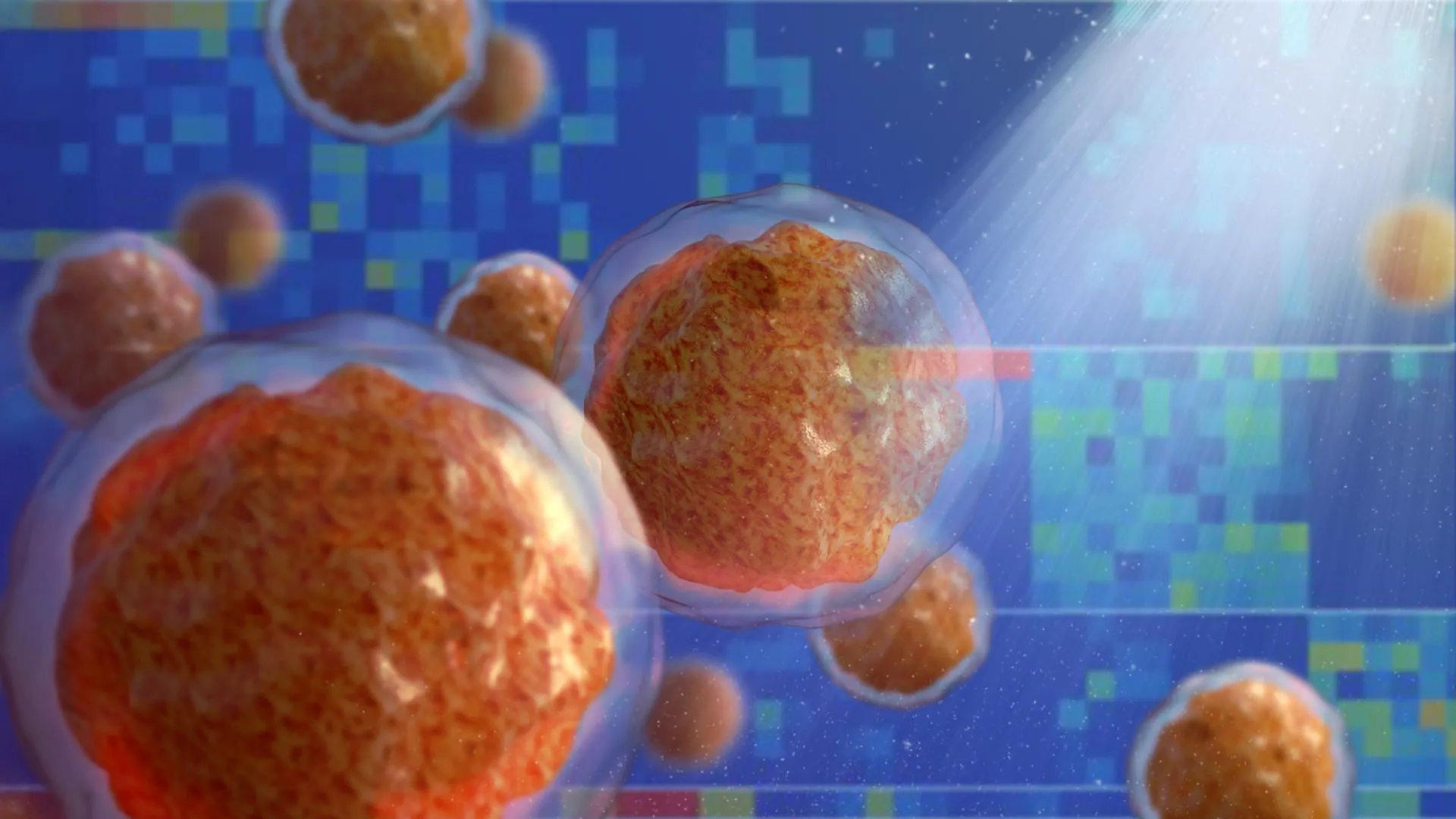
The researchers employed a multi-omic approach, combining single-cell RNA sequencing, biopsy imaging, and proteomics to create a high-definition map of the marrow. By comparing healthy donors, individuals with CHIP, and patients diagnosed with MDS, the team was able to pinpoint the exact moment the microenvironment begins to fail.
The analysis revealed a startling transformation: the gradual replacement of healthy mesenchymal stromal cells (MSCs)—the primary supporters of stem cell health—with a specialized population of inflammatory mesenchymal stromal cells (iMSCs). "I was surprised to observe such pronounced remodeling of the bone marrow microenvironment already in individuals with CHIP," noted Judith Zaugg, co-senior author and Professor at Basel University. This finding suggests that the "niche" is compromised much earlier in the disease cycle than previously hypothesized.
The Inflammatory Feed-Forward Loop
The transition from healthy MSCs to iMSCs marks a fundamental change in the bone marrow’s chemistry. Unlike their healthy counterparts, iMSCs produce high concentrations of interferon-induced cytokines and chemokines. These signaling molecules act as a chemical beacon, attracting and activating interferon-responsive T cells.
Once these T cells enter the bone marrow, they exacerbate the inflammatory state, creating a "feed-forward loop." This self-sustaining cycle of inflammation not only disrupts the production of normal blood cells but also causes structural changes to the marrow’s vascular system. The result is an environment that is hostile to healthy stem cells but conducive to the survival and expansion of mutated clones.
One of the most significant discoveries of the study was the identified failure of MDS stem cells to trigger the production of CXCL12. This specific signal is essential for directing blood cells to settle and remain within the bone marrow. "This failure may help explain why the bone marrow stops working properly," explained Karin Prummel, co-lead author and EMBL postdoc. Without proper signaling, the architectural integrity of the bone marrow collapses, leading to the inefficient cell production characteristic of MDS.
Technological Innovation in Mutation Detection
A major challenge in studying CHIP and MDS has been the difficulty of distinguishing between mutated and non-mutated cells within a single tissue sample, as they often look identical under a microscope. To solve this, the team utilized "SpliceUp," a sophisticated computational tool developed by co-lead author Maksim Kholmatov.
By detecting abnormal RNA-splicing patterns—a common byproduct of the mutations found in MDS—SpliceUp allowed the researchers to separate the "bad actors" from the healthy cells in single-cell datasets. This precision revealed that the inflammatory response in the bone marrow was not necessarily triggered directly by the mutated cells. Instead, the entire microenvironment shifts toward an inflammatory state, suggesting that the "niche" itself becomes a driver of the disease rather than a passive observer.
"It was quite surprising to see the lack of a direct inflammatory effect that we could attribute to the mutant cells," said Kholmatov. "However, when viewed in the context of changes in the T cell and stromal compartments, it underlines the importance of the bone marrow microenvironment in shaping disease progression."
Broader Implications for "Inflammaging" and Systemic Health
The implications of this research extend far beyond the realm of hematology. The study provides a concrete model for "inflammaging"—the chronic, low-grade inflammation that characterizes the aging process and contributes to a host of age-related diseases.
The bone marrow is now being viewed as a central hub for systemic inflammatory aging. Because the immune cells generated in the marrow circulate throughout the body, the inflammatory remodeling of the marrow niche can have ripple effects on cardiovascular health and metabolic function. This explains the long-observed link between CHIP and the increased risk of heart attacks and strokes. By understanding how to stabilize the bone marrow microenvironment, scientists may unlock new ways to combat the broader effects of biological aging.
A New Frontier in Preventive Therapy
The identification of iMSCs and interferon-responsive T cells provides researchers with new therapeutic targets. Rather than focusing solely on eradicating mutated stem cells—which can be difficult and carry significant side effects—doctors may eventually be able to treat the environment that supports them.
Possible interventions include:
- Anti-inflammatory Regimens: Utilizing existing or new anti-inflammatory drugs to break the feed-forward loop in the bone marrow.
- Interferon Modulation: Therapies designed to normalize interferon signaling could preserve marrow function in older adults with CHIP.
- Biomarker Screening: Using the molecular signatures of iMSCs to identify patients at the highest risk of progressing from CHIP to leukemia.
"Our findings reveal that the bone marrow microenvironment actively shapes the earliest stages of malignant evolution," said Borhane Guezguez of UMC Mainz. "As advances in molecular profiling allow us to detect pre-leukemic states years before clinical onset, understanding how stromal and immune cells interact provides a foundation for preventive therapies that intercept disease progression before leukemia develops."
Future Research and the "Memory" of the Niche
While the current study provides a comprehensive cross-sectional view of bone marrow remodeling, the researchers emphasize the need for longitudinal studies to observe these changes over time. One area of particular concern is the "memory" of the bone marrow niche.
When patients undergo bone marrow or stem cell transplants, the malignant cells are replaced with healthy ones, but the surrounding niche often remains. "We are now investigating to what extent the niche retains a ‘memory’ of disease, which could shape how it responds to new, healthy stem cells," said Zaugg. If the inflammatory environment persists after a transplant, it may hinder the success of the treatment or encourage the development of new mutations.
This research was published alongside a complementary study by Marc Raaijmakers of the Erasmus MC Cancer Institute, also in Nature Communications. Together, these papers represent a significant leap forward in our understanding of how the internal environment of our bones dictates the health of our blood and the longevity of our lives. By shifting the perspective from the seed to the soil, medical science may finally have the tools to stop leukemia before it starts.