The National Aeronautics and Space Administration (NASA) has successfully restored and enhanced its Cold Atom Lab (CAL) aboard the International Space Station (ISS), marking a significant milestone in the study of quantum physics. This facility, which functions as the first quantum physics laboratory in Earth’s orbit, is now back in full operation following a series of hardware upgrades designed to push the boundaries of what is possible in the realm of ultracold atomic research. By leveraging the unique environment of microgravity, the Cold Atom Lab allows scientists to observe the behavior of matter at temperatures colder than any known location in the natural universe, providing a window into the strange and often counterintuitive laws of quantum mechanics.
The facility’s return to operation follows the arrival of a new, more sophisticated science module delivered via a commercial resupply mission on April 11. This upgrade represents the fourth major enhancement to the laboratory since its initial installation in 2018, underscoring NASA’s commitment to maintaining a cutting-edge platform for fundamental science. Researchers are now utilizing the facility to conduct experiments that are physically impossible on Earth, where the constant pull of gravity limits the duration and scale of quantum interactions.
The Quantum Frontier and the Fifth State of Matter
At the heart of the Cold Atom Lab’s mission is the exploration of quantum science, which examines the behavior of energy and matter at the scale of atoms and subatomic particles. In the macroscopic world governed by classical physics, objects have definite positions and predictable trajectories. However, at the quantum level, atoms can exhibit wave-like properties, exist in multiple states or locations simultaneously—a phenomenon known as superposition—and even pass through one another.
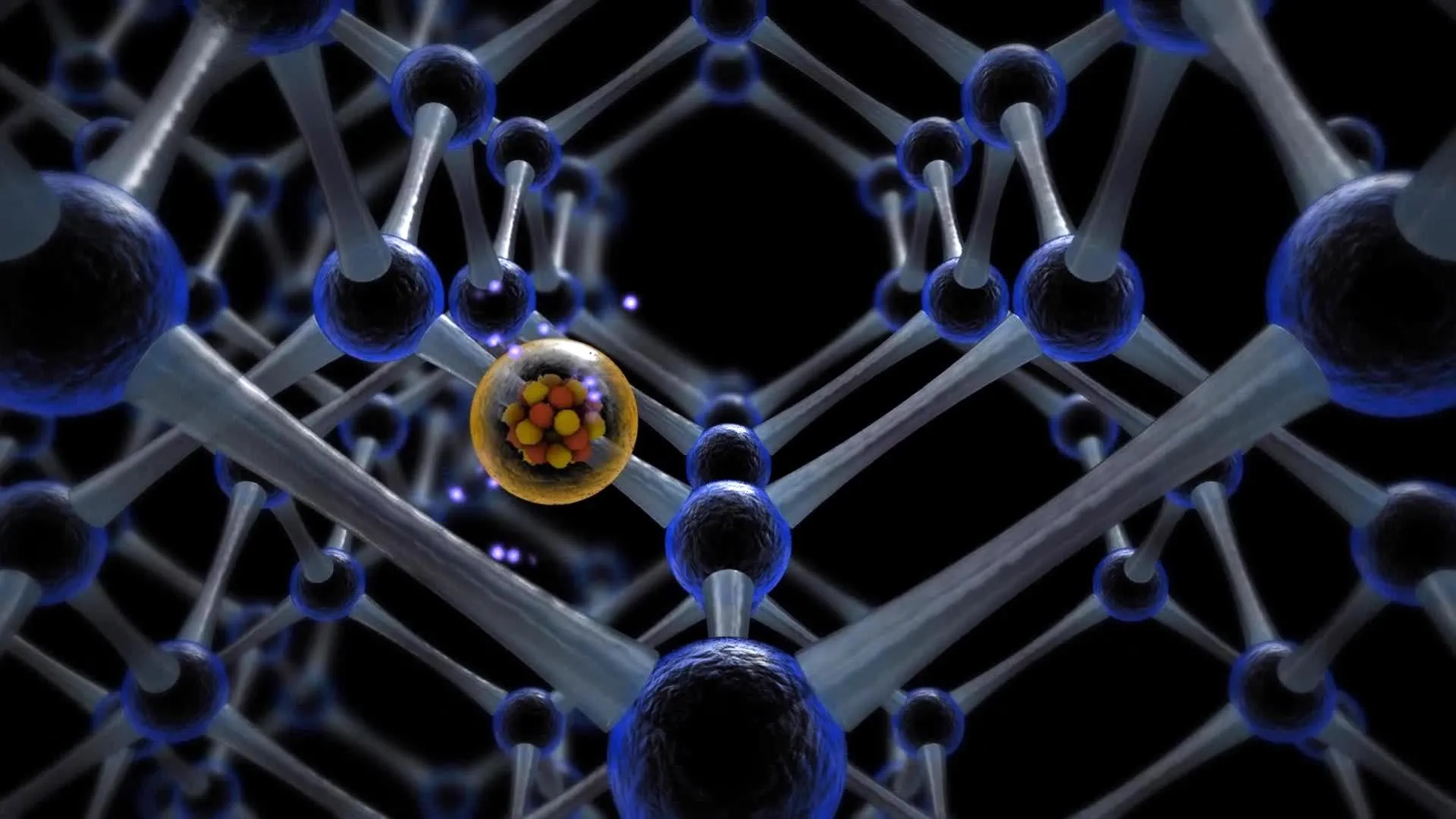
The Cold Atom Lab achieves these conditions by cooling atoms to temperatures just a fraction of a degree above absolute zero, which is approximately minus 459 degrees Fahrenheit (minus 273 degrees Celsius). At these extreme lows, the thermal motion of atoms nearly ceases, allowing them to coalesce into a singular quantum state known as a Bose-Einstein Condensate (BEC).
First predicted by Satyendra Nath Bose and Albert Einstein in the 1920s and produced in a laboratory for the first time in 1995, a BEC is often described as the "fifth state of matter." In this state, a cloud of atoms begins to act as a single "super-atom" or matter wave. While individual atoms are microscopic, a BEC is large enough to be observed with specialized imaging, yet it still follows the laws of quantum mechanics. The microgravity of the ISS allows these BECs to expand and persist for much longer periods than they would on Earth, where gravity would cause the atomic cloud to collapse toward the floor of the vacuum chamber within milliseconds.
A Chronology of Innovation: From 2018 to the Present
The journey of the Cold Atom Lab began in May 2018, when it was launched to the ISS aboard a Northrop Grumman Cygnus spacecraft. It was designed to be a compact, remotely operated facility, roughly the size of a small refrigerator, capable of being controlled by scientists at NASA’s Jet Propulsion Laboratory (JPL) in Southern California.
Since its activation, the lab has been a site of continuous evolution:
- 2018: The lab successfully created the first Bose-Einstein Condensates in orbit, proving that quantum hardware could survive the rigors of launch and operate in a space environment.
- 2020: An upgrade allowed for the study of "atom interferometry," a technique that uses the wave nature of atoms to make ultra-precise measurements of gravity.
- 2021-2022: Enhancements focused on the ability to create dual-species condensates, involving both rubidium and potassium atoms, to study how different elements interact in a quantum state.
- 2024: The latest upgrade introduced a redesigned science module with improved magnetic traps and atom sources, significantly expanding the experimental capabilities for the five international research teams currently utilizing the facility.
Technical Specifications and the Cooling Process
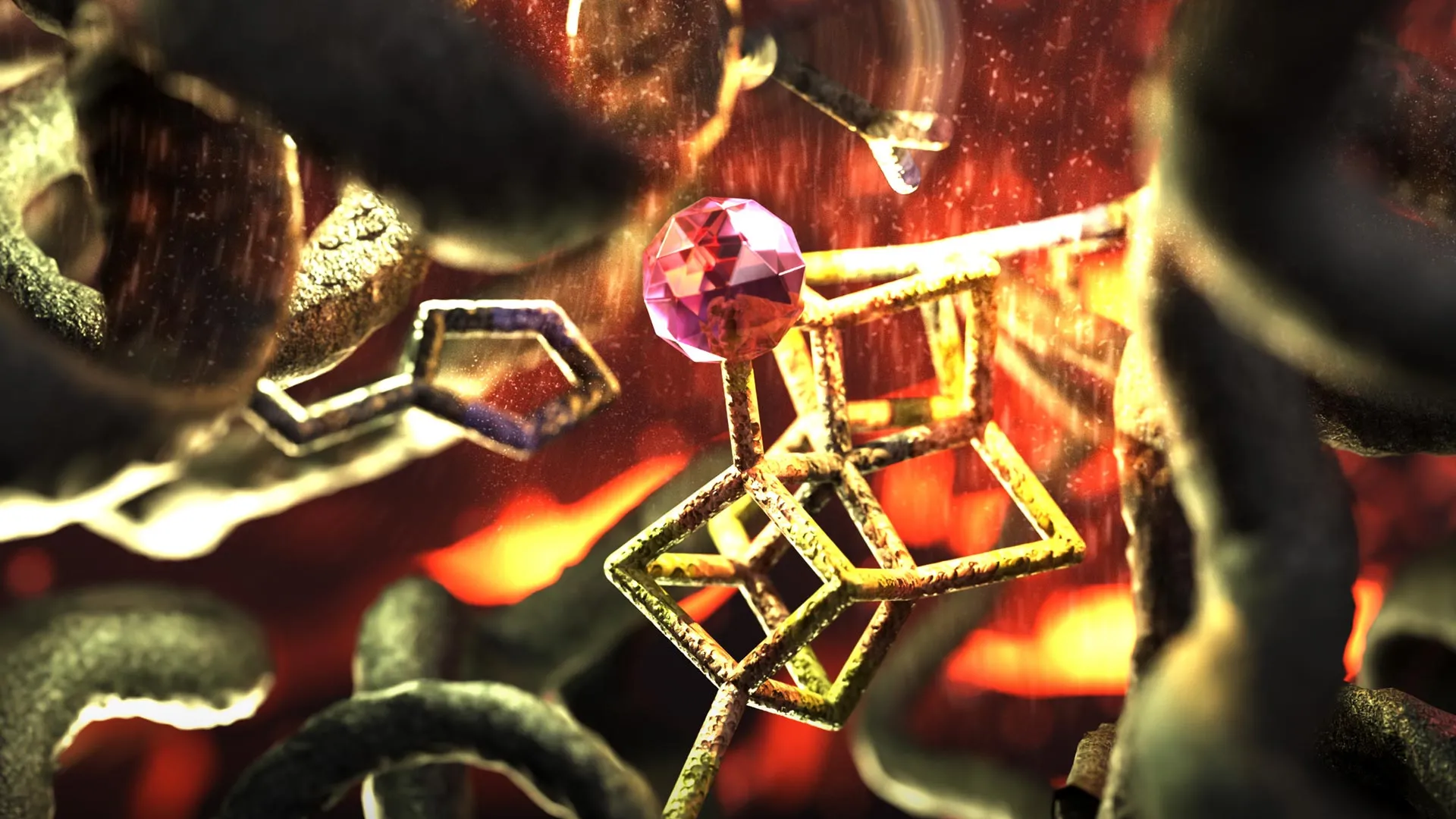
The process of creating the coldest environment in the known universe within a compact space station rack is an engineering marvel. The Cold Atom Lab utilizes a multi-stage cooling process that begins with intense heat. Strips of rubidium or potassium metal are heated to approximately 750 degrees Fahrenheit (400 degrees Celsius) inside a vacuum chamber to create a gaseous cloud of atoms.
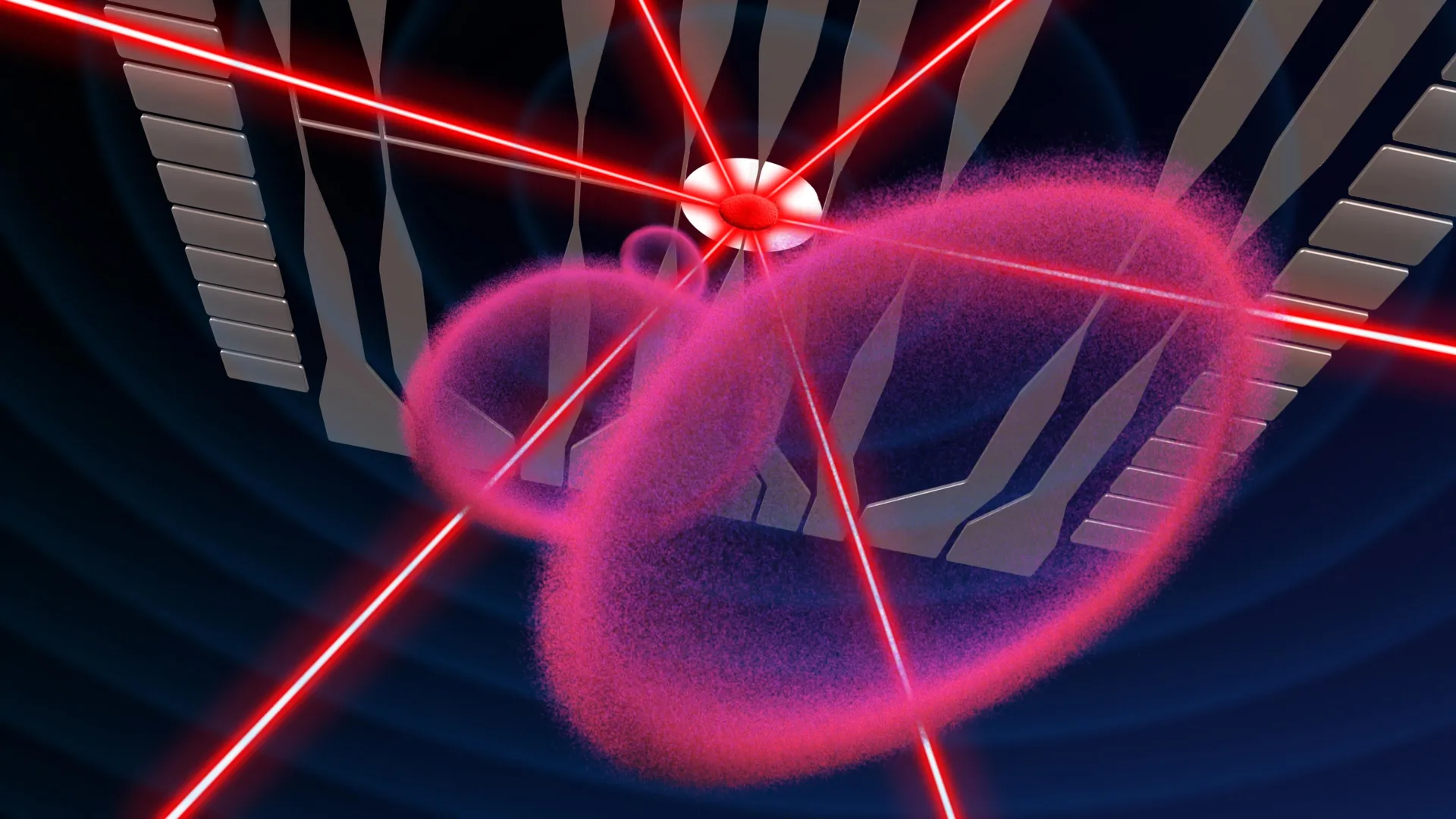
Once the gas is formed, the laboratory employs a technique known as laser cooling. Scientists use precisely tuned laser beams to bombard the atoms from multiple directions. When an atom absorbs a photon from the laser, it receives a tiny "kick" in the opposite direction of its motion, causing it to slow down. This process, often referred to as "optical molasses," reduces the kinetic energy of the atoms, effectively lowering their temperature from hundreds of degrees to just above absolute zero in a matter of seconds.
Following the laser cooling stage, magnetic fields are used to "trap" the atoms in a specific location. To reach the final temperatures required for BEC formation, the lab uses evaporative cooling. By lowering the intensity of the magnetic trap, the most energetic (warmest) atoms are allowed to escape, leaving behind only the coldest atoms. In the microgravity of the ISS, these atoms can be held in this state for up to 10 seconds, compared to the fraction of a second possible in terrestrial laboratories.
The Significance of the Latest Upgrades
The April 2024 upgrade is particularly significant due to the introduction of a redesigned magnetic trap. This new hardware allows researchers to manipulate the shape of the quantum gas clouds with unprecedented precision. Instead of simple spherical clouds, scientists can now mold the BECs into rings, shells, or other complex geometries. This capability is essential for studying "bubble" geometries of quantum gases, which are impossible to maintain on Earth because the atoms would settle at the bottom of the bubble due to gravity.
Furthermore, the new metal atom sources provide a more consistent and reliable supply of gas for experiments, ensuring that the lab can run more frequently and with higher throughput. Kamal Oudrhiri, the project manager for Cold Atom Lab at JPL, noted that this upgrade represents the closest humans have come to "controlling the boundary of the quantum world." By pushing this boundary, NASA is not only advancing theoretical physics but also maturing the hardware required for future space-based quantum sensors.
Quantum 2.0: Implications for Future Technology
The work being done aboard the ISS is part of what scientists call the "Quantum 2.0" revolution. While the first quantum revolution in the 20th century led to the development of transistors, lasers, and Medical Resonance Imaging (MRI), the second revolution focuses on the direct manipulation of individual quantum states.
Ethan Elliott, the deputy project scientist for the Cold Atom Lab, emphasized that the facility is demonstrating the reliability of quantum technology in space. This has profound implications for several fields:
- Navigation and Timing: Quantum sensors could lead to clocks that are orders of magnitude more accurate than current atomic clocks, enabling deep-space navigation in areas where GPS signals do not exist.
- Gravity Sensing: Matter-wave interferometers can detect minute changes in gravitational fields. This could be used to map the interior of planets, find underground water resources on Earth, or detect the presence of dark matter.
- Fundamental Physics: By observing how gravity affects quantum waves over long periods, researchers hope to find clues that could lead to a "theory of everything," reconciling the differences between general relativity and quantum mechanics.
Institutional Collaboration and Global Research
The Cold Atom Lab is a collaborative effort managed by the California Institute of Technology (Caltech) and operated by NASA’s JPL. It is sponsored by the Biological and Physical Sciences (BPS) division of NASA’s Science Mission Directorate. Currently, the lab supports five international teams of scientists, including Nobel laureates and leading researchers from across the globe.
The BPS division’s mission is to utilize the space environment to conduct "transformative science." By removing the variable of gravity, researchers can isolate physical processes that are otherwise masked. The data gathered from the Cold Atom Lab is shared with the global scientific community, fostering an environment of international cooperation in the pursuit of high-stakes physics.
Conclusion: A Gateway to Deep Space Exploration
The successful upgrade and reactivation of the Cold Atom Lab represent more than just a technical achievement; it is a strategic step forward for NASA’s long-term goals. As the agency prepares for the Artemis missions to the Moon and eventual human exploration of Mars, the development of highly sensitive quantum instruments will be vital. These tools will provide the precision necessary for safe navigation through the cosmos and the scientific sensitivity required to unlock the mysteries of other worlds.
By maintaining U.S. leadership in space-based quantum technology, NASA is ensuring that the International Space Station remains a premier destination for world-class science. As the Cold Atom Lab continues its mission, it will likely yield discoveries that not only redefine our understanding of the universe’s fundamental nature but also provide the technological foundation for the next century of human achievement in space.