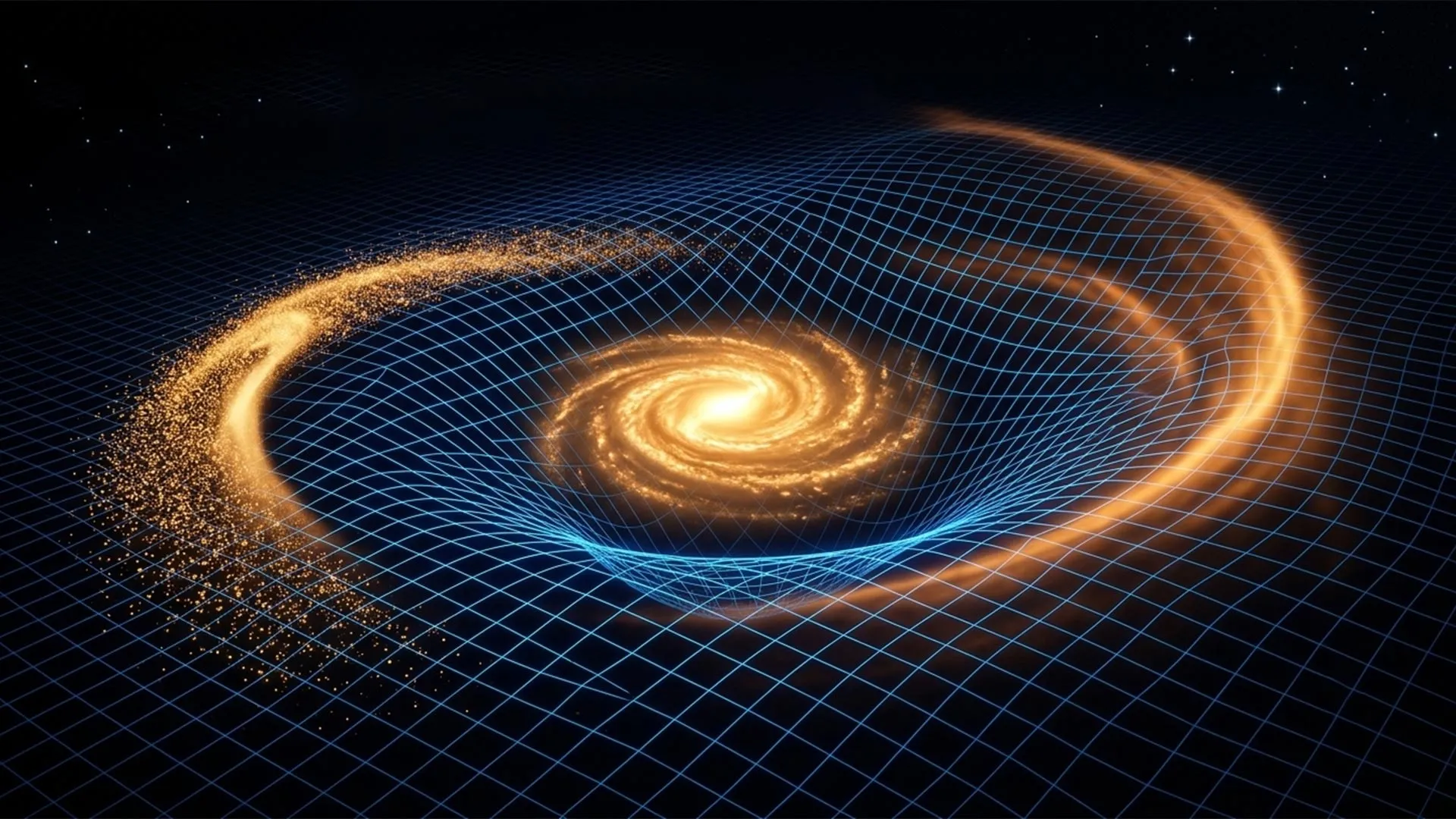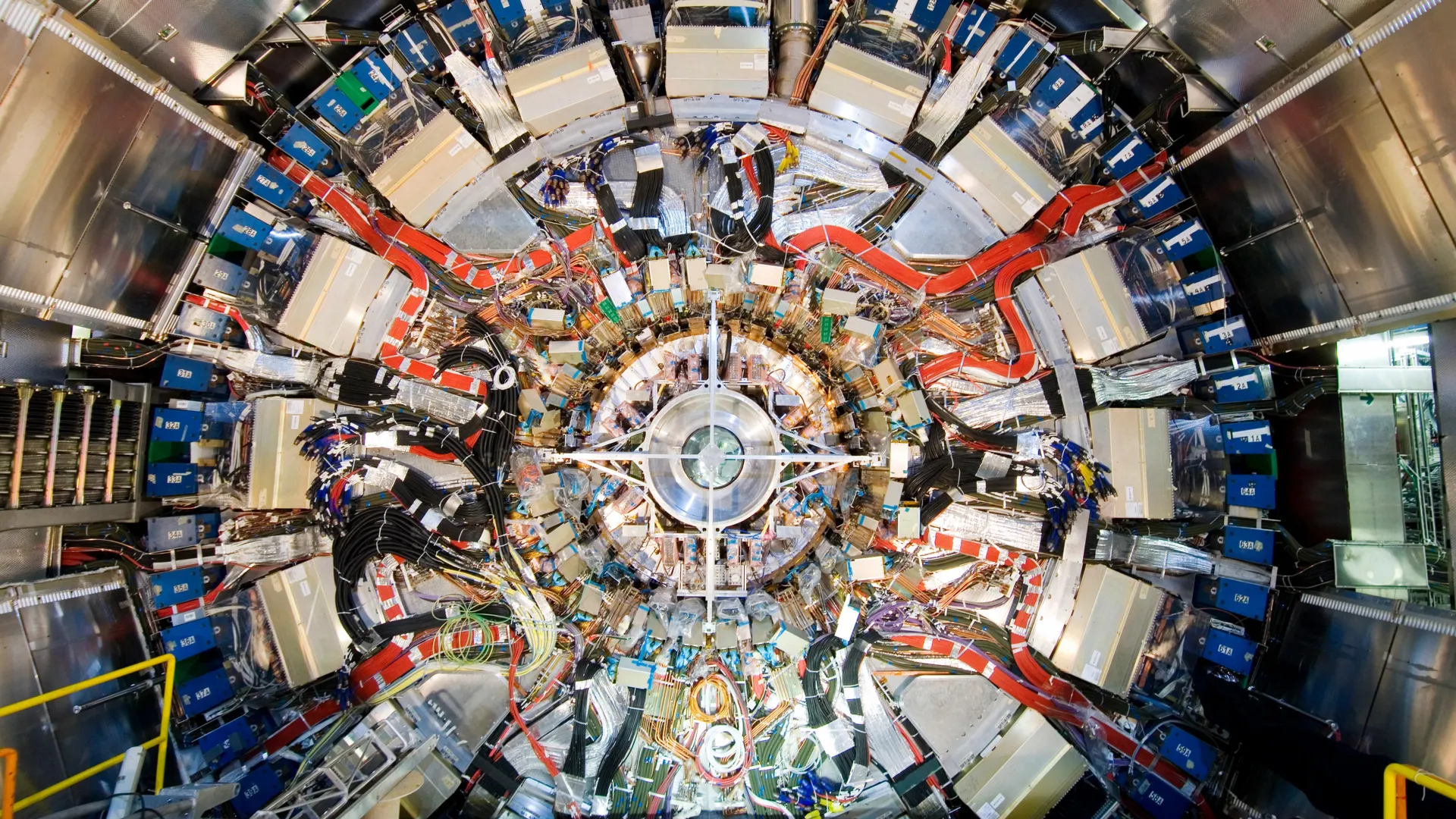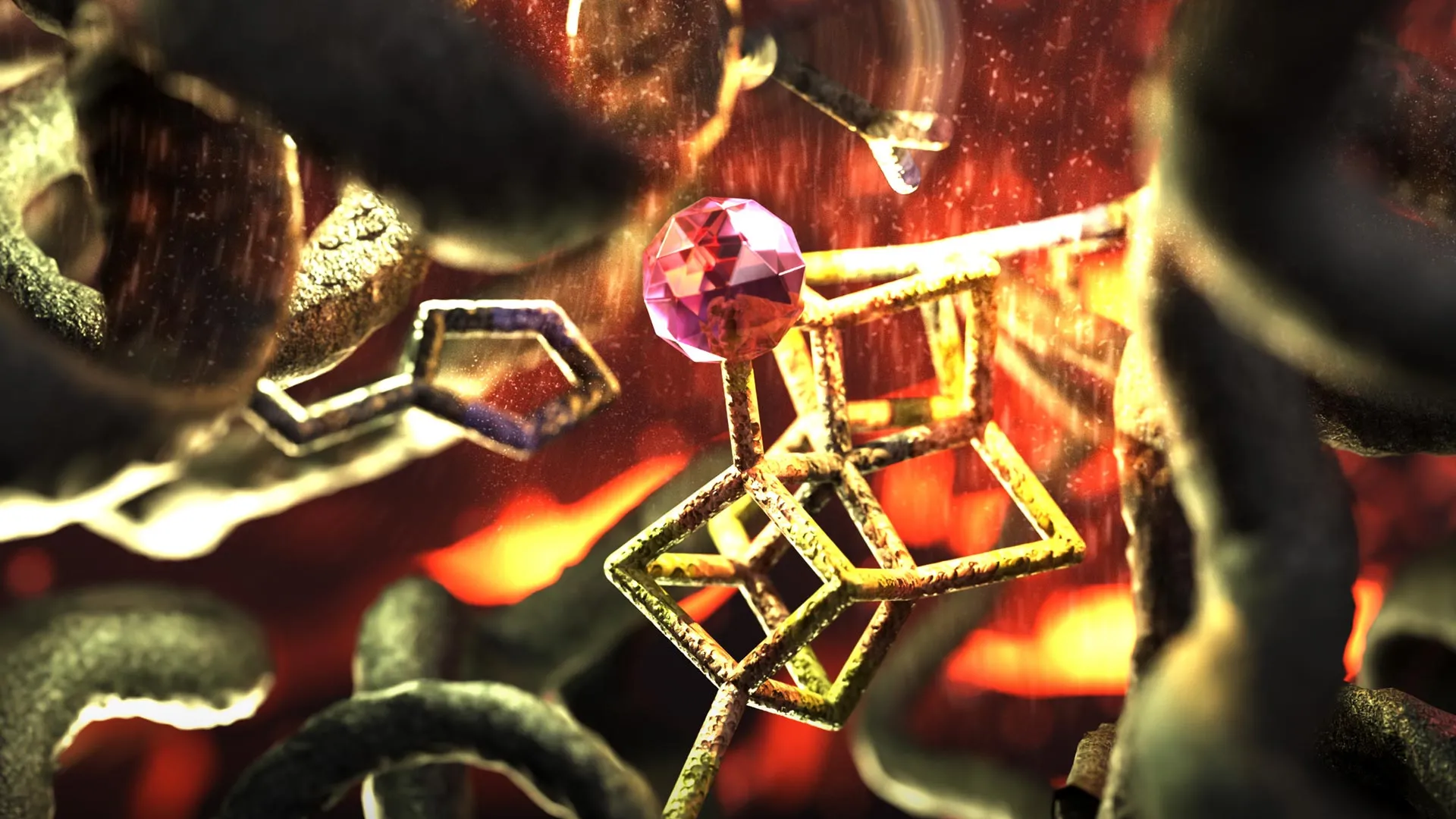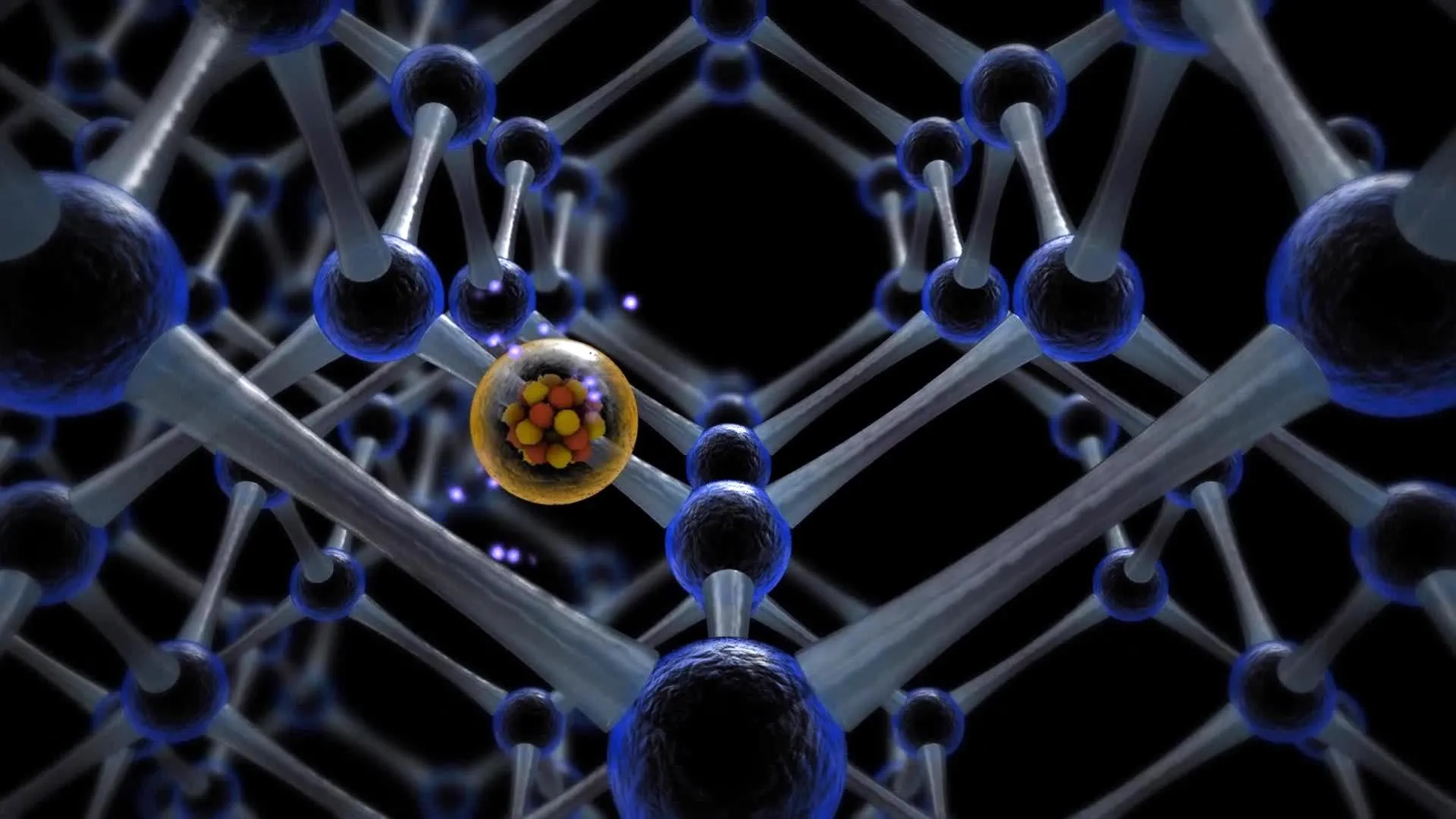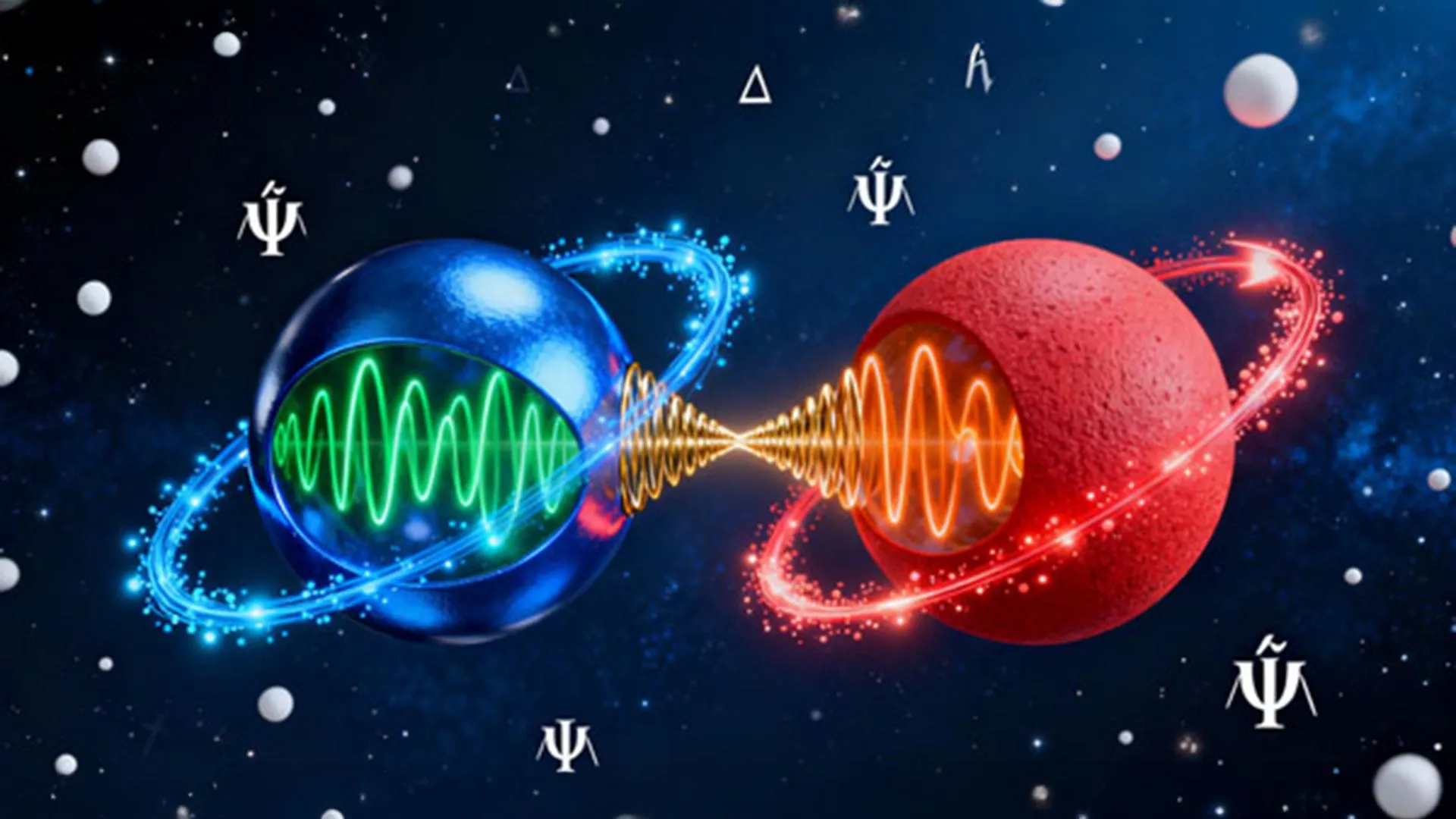
In a significant advancement for the field of quantum acoustics and signal processing, a team of theoretical physicists at the RIKEN Center for Quantum Computing (RQC) has unveiled a novel theoretical framework designed to achieve one-way quantum synchronization of phonons. Phonons, which are the quantized units of mechanical vibration or sound, have long been considered a promising medium for quantum information processing. However, their sensitivity to external disturbances has historically limited their practical application. The new proposal from RIKEN researchers Franco Nori, Adam Miranowicz, and Deng-Gao Lai addresses these limitations by introducing a method that remains highly effective despite the presence of environmental noise and fabrication imperfections, marking a pivotal shift toward the realization of robust quantum hardware.
The Mechanics of Nonreciprocity in Modern Technology
To understand the importance of the RIKEN proposal, one must first consider the role of nonreciprocity in classical and quantum systems. In the context of physics and engineering, a reciprocal system is one where a signal travels between two points with the same efficiency regardless of the direction. While this is the default state for most physical systems, it is often undesirable in high-stakes technological applications. For instance, in telecommunications and radar systems, engineers use nonreciprocal components like isolators and circulators to ensure that signals move in a specific direction. These "one-way streets" prevent reflected signals from returning to the source, which would otherwise cause interference or damage sensitive equipment.
In the quantum realm, achieving nonreciprocity is exponentially more complex. Researchers aim to create devices where quantum states—such as the phase and amplitude of a particle’s vibration—can be transferred from system A to system B without a corresponding transfer from B to A. This is known as nonreciprocal quantum synchronization. When two quantum oscillators synchronize, they "lock" their rhythms together, a phenomenon that is foundational for precise timekeeping, secure communications, and coordinated quantum computing tasks. However, achieving this synchronization in a strictly one-way fashion has remained a "holy grail" for physicists seeking to build scalable quantum networks.
Historical Challenges and the Evolution of Quantum Synchronization
The journey toward one-way quantum synchronization has been fraught with technical hurdles. For decades, the primary challenge has been the inherent fragility of quantum states. Quantum systems are notoriously susceptible to decoherence, a process where interaction with the surrounding environment causes the quantum information to leak out, effectively turning a quantum state into a classical one.
Earlier theoretical models for nonreciprocal synchronization often relied on highly idealized conditions. These models assumed perfectly identical components and a complete absence of thermal or acoustic noise. In reality, no two quantum devices are exactly alike due to "fabrication imperfections"—microscopic variations in the manufacturing process that alter the frequency or behavior of a component. Furthermore, "environmental noise" is omnipresent; even at temperatures near absolute zero, residual thermal energy can disrupt the delicate balance required for synchronization.
Previous attempts to solve these issues often involved complex "protection schemes," which required additional layers of hardware or sophisticated error-correction algorithms. While these schemes worked in theory, they added significant overhead to quantum systems, making them bulky, expensive, and difficult to scale. The RIKEN team’s breakthrough lies in their discovery that nonreciprocal synchronization does not necessarily require these external protections if the system is designed to be inherently robust.
A New Strategy: Merging Quantum Effects for Resilience
The RIKEN researchers developed a technique that combines two distinct quantum effects into a unified framework. While the specific mathematical details are rooted in advanced quantum mechanics, the core strategy involves using external influences—such as a laser (light) or a magnetic field—to break the symmetry of the system. By applying these influences from a specific direction, the team was able to induce a state where phonons in one oscillator would mirror the behavior of another, but only if the information flowed in the designated direction.
"Our strategy allows for the generation of nonreciprocal quantum resources that are not only effective but also durable," explains Franco Nori. The team utilized a theoretical model involving optomechanical or electromechanical systems, where mechanical vibrations are coupled to electromagnetic fields. By carefully tuning the interaction between these fields and the mechanical oscillators, they created a "topological" or "dynamical" barrier that permits information flow in one direction while suppressing it in the other.
The most striking aspect of this new method is its "fragile-to-robust" transition. In traditional setups, increasing the amount of noise or the degree of manufacturing imperfection leads to a rapid decay in synchronization quality. In the RIKEN model, however, the synchronization persists across a wide range of parameters. This suggests that the proposed system has an internal mechanism that compensates for errors, making it a viable candidate for real-world quantum processors.
Supporting Data and Theoretical Findings
The RIKEN study provides extensive data through numerical simulations to support the claim of robustness. The researchers tested their model against varying levels of "disorder"—the scientific term for manufacturing flaws. They found that even when the frequencies of the two synchronizing oscillators differed by a significant margin due to fabrication errors, the one-way synchronization remained stable.
Furthermore, the team analyzed the impact of thermal noise, which is the most common form of environmental interference in quantum systems. Their data indicated that the synchronization survived at temperatures significantly higher than what was previously thought possible for such delicate quantum effects. This resilience is quantified through a metric known as the "synchronization measure," which tracks how closely the phases of the two systems are linked. In the RIKEN model, this measure remained high even when the "noise-to-signal" ratio was increased, whereas conventional models showed a total collapse of synchronization under the same conditions.
"We were thrilled to discover that quantum synchronization persists even in the presence of substantial imperfections and noise," says Deng-Gao Lai. "Previously, this was thought to be impossible without employing complex protection schemes."
Official Responses and Scientific Implications
The announcement has garnered attention from the broader scientific community, particularly those working on the development of the "Quantum Internet." Quantum networking requires the transmission of quantum states over long distances, often through fiber optic cables or satellite links. Nonreciprocal components are essential for these networks to prevent signal loss and ensure that quantum information reaches its destination without being corrupted by back-reflection.
Industry analysts suggest that if the RIKEN theory can be successfully translated into physical prototypes, it could significantly lower the barrier to entry for quantum technology firms. By reducing the need for ultra-precise manufacturing and extreme environmental shielding, the cost of building quantum components could drop, accelerating the timeline for commercial quantum applications.
Adam Miranowicz emphasizes the practical necessity of this research: "Practical quantum technologies face critical challenges from random fabrication imperfections and environmental noise. These factors profoundly suppress—or even completely destroy—quantum resources in conventional approaches." By providing a way around these obstacles, the RIKEN team has shifted the focus from "how to protect quantum states" to "how to build quantum states that protect themselves."
Looking Ahead: Quantum Networking and Error-Resilient Processing
The RIKEN team is already planning the next phase of their research. Their primary goal is to move from theoretical modeling to experimental verification. This will likely involve collaborating with experimental physicists to build micro-scale devices—perhaps using silicon-on-insulator technology or superconducting circuits—to demonstrate one-way phonon synchronization in a laboratory setting.
The potential applications for this technology are vast. In the field of quantum computing, robust synchronization could lead to more reliable "clocks" for quantum processors, ensuring that all qubits (quantum bits) operate in perfect harmony. In the realm of sensing, one-way phonon devices could be used to create ultra-sensitive microphones or accelerometers that are immune to external vibrations, with applications ranging from deep-sea exploration to aerospace engineering.
Furthermore, the concept of "invisible cloaking" mentioned by Franco Nori refers to the ability of nonreciprocal systems to redirect signals around an object, making it "invisible" to certain types of sensors. While this remains a more futuristic application, the foundational work on one-way phonon flow brings it one step closer to reality.
As the global race for quantum supremacy continues, the ability to manage noise and imperfection will be the deciding factor in which technologies succeed. The RIKEN Center for Quantum Computing’s proposal offers a promising roadmap for building a new generation of quantum devices that are not just theoretically brilliant, but practically indestructible.
"By enabling robust nonreciprocal quantum synchronization, our research paves the way for realizing more reliable quantum processors and protected quantum resources," concludes Lai. "We’re now planning to explore applications in quantum networking and error-resilient quantum information processing."
This development marks a milestone in the transition of quantum mechanics from the laboratory to the industrial floor. As researchers continue to refine these methods, the once-silent world of phonons may soon become the backbone of a new, one-way highway for the information age.