In a groundbreaking discovery that promises to accelerate the development of novel cancer therapies, scientists have elucidated the intricate molecular mechanisms by which bacteria naturally produce multiple variations of potent anti-cancer drugs. This long-standing mystery, which has perplexed researchers for decades, unlocks a sophisticated biological "mix and match" system that could revolutionize drug discovery and engineering. The findings, published in the esteemed journal Nature Communications, reveal how these microbial factories achieve remarkable diversity and precision in synthesizing complex therapeutic compounds, including Romidepsin (Istodax), an FDA-approved medication for specific hematological malignancies.
Decades of Mystery: The Elusive Bacterial Drug Factory
For many years, the scientific community has harbored a significant ambition: to harness the power of bacterial enzymes for the de novo synthesis of new drug variants. This process, known as combinatorial biosynthesis, holds immense potential for creating a vast library of therapeutic molecules. However, progress has been consistently hampered by a fundamental lack of understanding regarding the intricate coordination and communication between the various enzymes involved in these complex biochemical pathways. Researchers understood that bacteria possessed the capability to produce diverse drug structures, but the precise "how" remained an enigma. This knowledge gap prevented scientists from effectively replicating and manipulating these natural systems for therapeutic benefit.
The challenge lay in the sheer complexity of the bacterial drug-making machinery. These pathways often involve massive multi-enzyme complexes, specifically hybrid Polyketide Synthase (PKS) and Nonribosomal Peptide Synthetase (NRPS) systems. These behemoths are responsible for assembling intricate molecules, such as depsipeptides, from a variety of building blocks, including amino acids and hydroxy acids, linked by both peptide and ester bonds. The variability in the final drug structure arises from subtle differences in how these enzymes interact and incorporate different substrates, a process that was poorly understood.
Cracking the Code: Docking Domains as Molecular Connectors
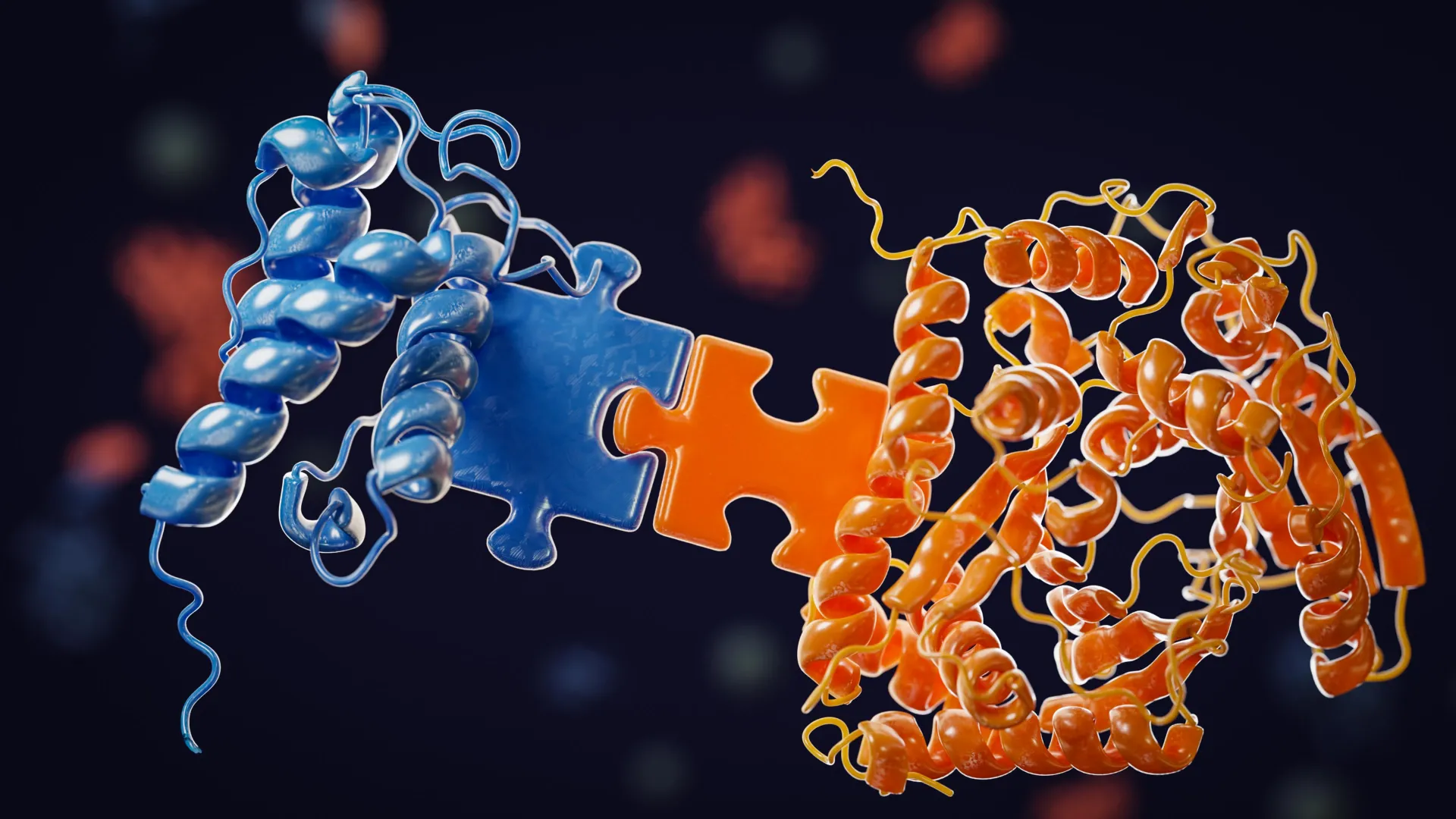
The breakthrough came with the identification of a crucial molecular component: ‘docking domains’. These specialized regions act as sophisticated connectors, bridging the core drug-building machinery with the enzymes responsible for adding specific chemical modifications or subunits. The researchers discovered that these docking domains possess a conserved connection point, a universal interface that allows them to interact flexibly with a multitude of different enzyme partners. This "molecular handshake" is the key to the bacteria’s ability to generate a family of closely related, yet distinct, anti-cancer compounds.
Dr. Munro Passmore, a Research Fellow in the Department of Chemistry at the University of Warwick and lead author of the study, articulated the significance of this finding. "For decades, we’ve known that bacteria can naturally produce multiple versions of powerful anti-cancer drugs, yet we had no idea how they achieved this," Dr. Passmore stated. "This work finally cracks that code. We’ve identified how the different enzymes communicate and cooperate to produce these drug variants, something that has eluded researchers because the system is so elegantly economical. It’s the breakthrough we needed to actually engineer these drugs ourselves."
This elegant economy refers to the efficiency with which bacteria can achieve structural diversity without requiring entirely new sets of enzymes for each variation. The modular nature of the docking domains allows for interchangeable partnerships, enabling a single enzymatic complex to participate in the synthesis of numerous related molecules. This "plug-and-play" system, as it can be conceptualized, allows for rapid adaptation and optimization of drug structures within the bacterial environment.
A Natural Blueprint for Drug Design
The implications of this discovery extend far beyond understanding bacterial metabolism. By deciphering nature’s blueprint, scientists can now reverse-engineer these processes in the laboratory, paving the way for the rational design of novel cancer therapies. Professor Greg Challis, the Monash Warwick Alliance Professor of Sustainable Chemistry at the University of Warwick and Monash University, emphasized this transformative potential. "This research gives us a blueprint to do what nature does, but better and faster," Professor Challis remarked. "By reverse-engineering nature’s evolutionary logic, we can now design synthetic pathways that generate new anti-cancer drug candidates with properties optimized for clinical use, such as superior potency, improved selectivity, fewer side effects. Our immediate goal is to build an expanded library of candidates for various cancers where new treatments are urgently needed. This discovery is moving us from understanding how the systems work to building new ones."
The newly identified compound, a close relative of the well-characterized FR-901375, is believed to have evolved from a related drug-producing pathway through a process of gene duplication and recombination over evolutionary time. This suggests that the bacterial systems are inherently dynamic and capable of generating novel therapeutic agents through natural selection. The study provides a compelling example of how evolutionary pressures can lead to the development of sophisticated biochemical machinery with significant medical relevance.
Targeting Cancer: The Role of HDAC Inhibitors
The class of anti-cancer medicines under investigation are known as HDAC inhibitors. These drugs function by blocking the activity of histone deacetylases (HDACs), a group of enzymes that play a critical role in regulating gene expression within cells. HDACs influence the accessibility of DNA to transcription machinery by modifying histone proteins, thereby controlling which genes are switched on or off. By inhibiting HDACs, these drugs can promote the expression of tumor suppressor genes and induce cancer cell death. Romidepsin (Istodax), a prominent example, is an FDA-approved HDAC inhibitor used in the treatment of specific types of T-cell lymphomas.
The historical context of FR-901375 is also noteworthy. This compound has been known to possess anti-cancer properties for decades, but the biological pathway responsible for its production in bacteria remained elusive until this recent study. The research successfully bridged this knowledge gap, providing a comprehensive understanding of how bacteria assemble this complex molecule. FR-901375, like other HDAC inhibitors in its structural family, belongs to the class of depsipeptides. These are cyclic molecules characterized by a unique arrangement of amino acids and a conserved hydroxy acid pharmacophore, linked by a combination of peptide and ester bonds.
Methodological Innovation: A Multidisciplinary Approach
To unravel the intricate workings of these bacterial drug factories, the research team employed a sophisticated, multidisciplinary approach. They integrated cutting-edge techniques from structural biology, biochemistry, genetics, and computational modeling. This synergistic approach allowed for a comprehensive examination of the molecular architecture, catalytic mechanisms, and genetic underpinnings of the drug synthesis pathways.
Specifically, the study involved:
- Structural Biology: Determining the three-dimensional structures of key enzymes and protein complexes involved in the synthesis pathway. This provides atomic-level detail of how the docking domains interact with their enzyme partners and how the substrates are processed.
- Biochemistry: Characterizing the enzymatic activities and reaction kinetics of the individual components and their collaborative function. This helps to understand the efficiency and specificity of each step in the drug assembly line.
- Genetics: Manipulating the genes encoding the enzymes and pathway components to confirm their roles and to study the effects of mutations on drug production. This allows for the precise identification of genes responsible for producing specific drug variants.
- Computational Modeling: Simulating molecular interactions and predicting the behavior of the enzyme complexes. This aids in understanding the dynamic nature of these systems and in designing rational modifications for drug engineering.
By combining these powerful methodologies, the scientists were able to piece together the complete puzzle, revealing the elegant communication network that underpins bacterial drug synthesis.
Broader Implications and Future Directions
The implications of this discovery are far-reaching, extending beyond the immediate development of new anti-cancer agents. The principles uncovered could be applied to the engineering of other complex natural products with therapeutic potential, such as antibiotics, antivirals, and immunosuppressants. The ability to precisely control and diversify the production of these molecules could lead to more efficient and sustainable manufacturing processes, reducing reliance on traditional extraction methods and potentially lowering production costs.
Furthermore, this research provides a valuable case study in the power of fundamental scientific inquiry. By delving into the basic biological processes of microorganisms, scientists have unearthed a mechanism with profound implications for human health. This underscores the importance of investing in curiosity-driven research, as unexpected discoveries can often yield the most transformative breakthroughs.
The immediate future for this research involves the practical application of these findings. The research team aims to construct synthetic pathways that mimic and enhance nature’s own drug-making capabilities. The goal is to generate an expanded library of drug candidates with optimized properties for clinical use, targeting a wide spectrum of cancers for which current treatments are limited or ineffective. This transition from understanding to actively building new therapeutic entities marks a significant leap forward in the fight against cancer. The successful application of this discovery could usher in a new era of precision medicine, where drugs are not only highly effective but also tailored to individual patient needs, minimizing side effects and maximizing therapeutic outcomes. The scientific community eagerly anticipates the next phase of this groundbreaking research.