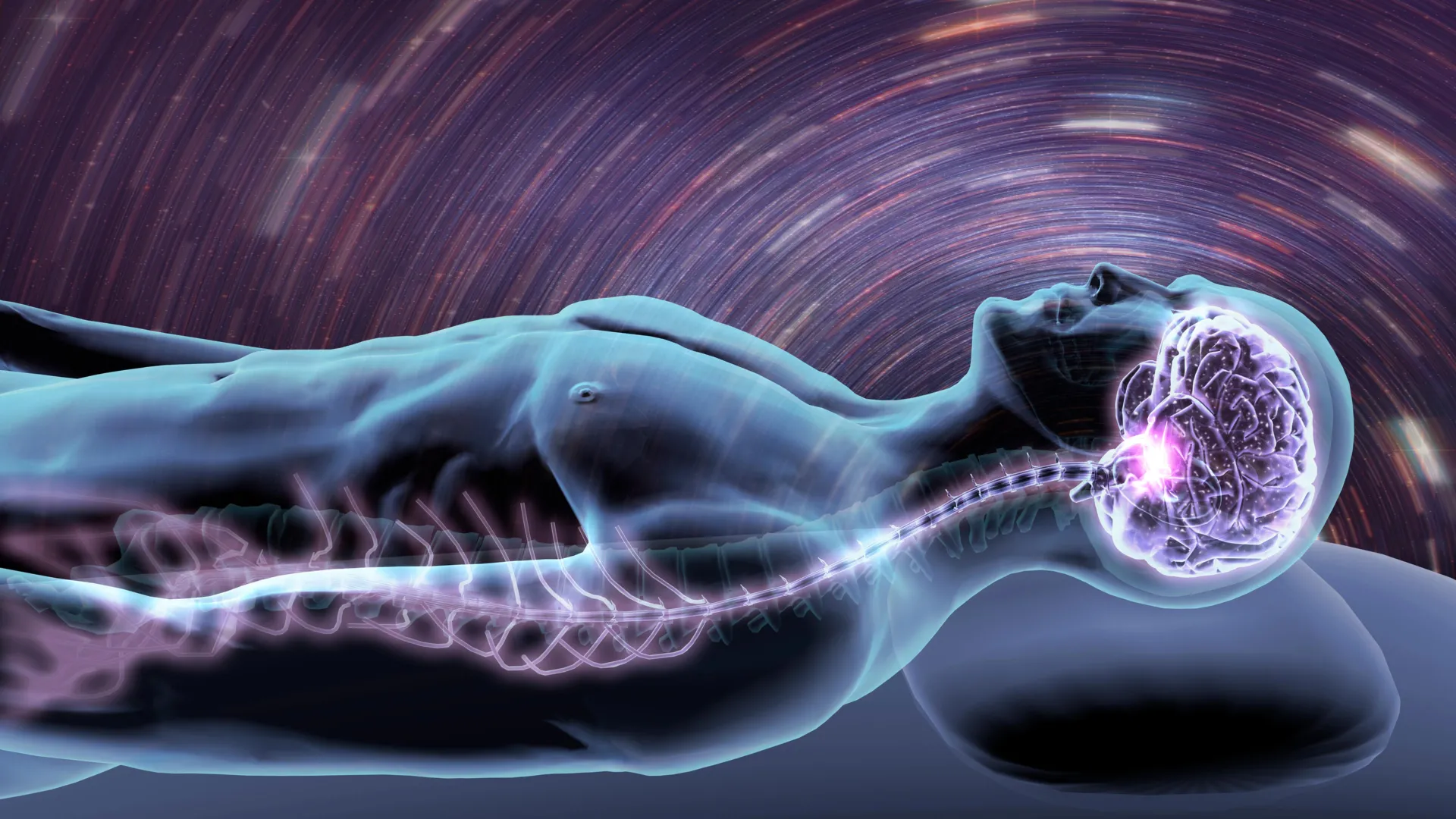
The biological necessity of sleep has long been understood through the lens of cognitive recovery and physical restoration, yet the precise mechanical interface between the brain’s sleep architecture and the endocrine system has remained one of neuroscience’s most persistent enigmas. Researchers at the University of California, Berkeley, have recently published a landmark study in the journal Cell that successfully maps the neural circuits responsible for governing growth hormone (GH) release during sleep. This discovery identifies a sophisticated feedback loop that not only explains why deep sleep is critical for physical development and metabolic health but also suggests new pathways for treating a spectrum of conditions ranging from obesity to neurodegenerative diseases like Alzheimer’s and Parkinson’s.
For decades, clinicians have observed a direct correlation between high-quality sleep—specifically the deep, slow-wave stages known as non-REM sleep—and the pulsatile secretion of growth hormone. Growth hormone is the primary driver of tissue repair, muscle protein synthesis, bone density maintenance, and lipid metabolism. In adolescents, it is the fundamental requirement for achieving genetic height potential. However, the "black box" of the hypothalamus had prevented scientists from seeing exactly how the brain’s sleep-wake centers communicate with the hormonal triggers. The UC Berkeley team has now illuminated this process, revealing that the relationship is not a one-way street but a dynamic, self-regulating system.
The Architecture of the Discovery
The research, led by postdoctoral fellow Xinlu Ding and senior author Yang Dan, a professor of neurobiology and an investigator with the Howard Hughes Medical Institute, focused on the hypothalamus. This ancient region of the brain serves as the command center for the autonomic nervous system and the endocrine system. Within this region, two specific types of neurons act as the "gas" and "brake" for growth hormone: growth hormone-releasing hormone (GHRH) neurons and somatostatin (SST) neurons.
Using advanced optogenetic techniques—a method that involves using light to control neurons that have been genetically sensitized to light—the researchers were able to observe these neurons in mice with unprecedented precision. Because mice share a highly conserved mammalian brain structure with humans, they provide an ideal model for studying the hypothalamic-pituitary axis. The study revealed that during REM (Rapid Eye Movement) sleep, both GHRH and somatostatin levels increase, leading to a significant surge in growth hormone. Conversely, during non-REM sleep, somatostatin levels drop while GHRH rises more modestly, creating a distinct, sustained pattern of hormone release.
This granular mapping provides the first "circuit-level" explanation for why sleep deprivation leads to metabolic dysfunction. When the sleep cycle is fragmented, these neurons cannot coordinate their firing patterns, leading to a precipitous drop in circulating growth hormone. This deficiency triggers a cascade of negative health outcomes, including increased insulin resistance and a decreased ability for the body to metabolize fats.
The Feedback Loop: A New Paradigm in Sleep Regulation
Perhaps the most surprising finding of the UC Berkeley study is the discovery of a feedback loop involving the locus coeruleus (LC). Located in the brainstem, the locus coeruleus is the brain’s primary source of norepinephrine, a chemical that regulates arousal, alertness, and the "fight or flight" response.
The researchers found that as growth hormone is released during sleep, it travels back to the brain and activates the locus coeruleus. Initially, this activation serves as a gentle nudge, gradually preparing the brain to transition from deep sleep toward wakefulness. However, the system contains a paradoxical "safety valve": if the locus coeruleus becomes over-stimulated, it can actually trigger a return to sleepiness, maintaining a delicate homeostatic balance.
"This suggests that sleep and growth hormone form a tightly balanced system," noted Daniel Silverman, a postdoctoral fellow and study co-author. "Too little sleep reduces growth hormone release, and too much growth hormone can in turn push the brain toward wakefulness. This balance is essential for growth, repair, and metabolic health."
This feedback mechanism suggests that growth hormone does more than just build muscle; it acts as a signaling molecule that tells the brain how much "restorative work" has been completed. This discovery redefines growth hormone as a neuro-modulator that helps manage the architecture of the sleep cycle itself.
Clinical Implications for Metabolic and Neurological Health
The implications of this research extend far beyond basic biology. According to data from the Centers for Disease Control and Prevention (CDC), approximately one-third of American adults report getting less than the recommended seven hours of sleep per night. This chronic sleep debt is a known driver of the obesity epidemic and the rising rates of Type 2 diabetes. By identifying the specific circuit that links sleep to growth hormone, scientists can now explore targeted therapies to mitigate these risks.
In the context of metabolic disease, growth hormone plays a vital role in regulating blood glucose levels and stimulating the breakdown of triglycerides in adipose tissue. When the sleep-GH circuit is disrupted, the body loses its ability to efficiently process sugar and fat, leading to weight gain and cardiovascular strain. The UC Berkeley team suggests that future treatments could involve "tuning" this neural circuit to restore normal hormone pulses in patients with chronic insomnia or shift-work sleep disorder.
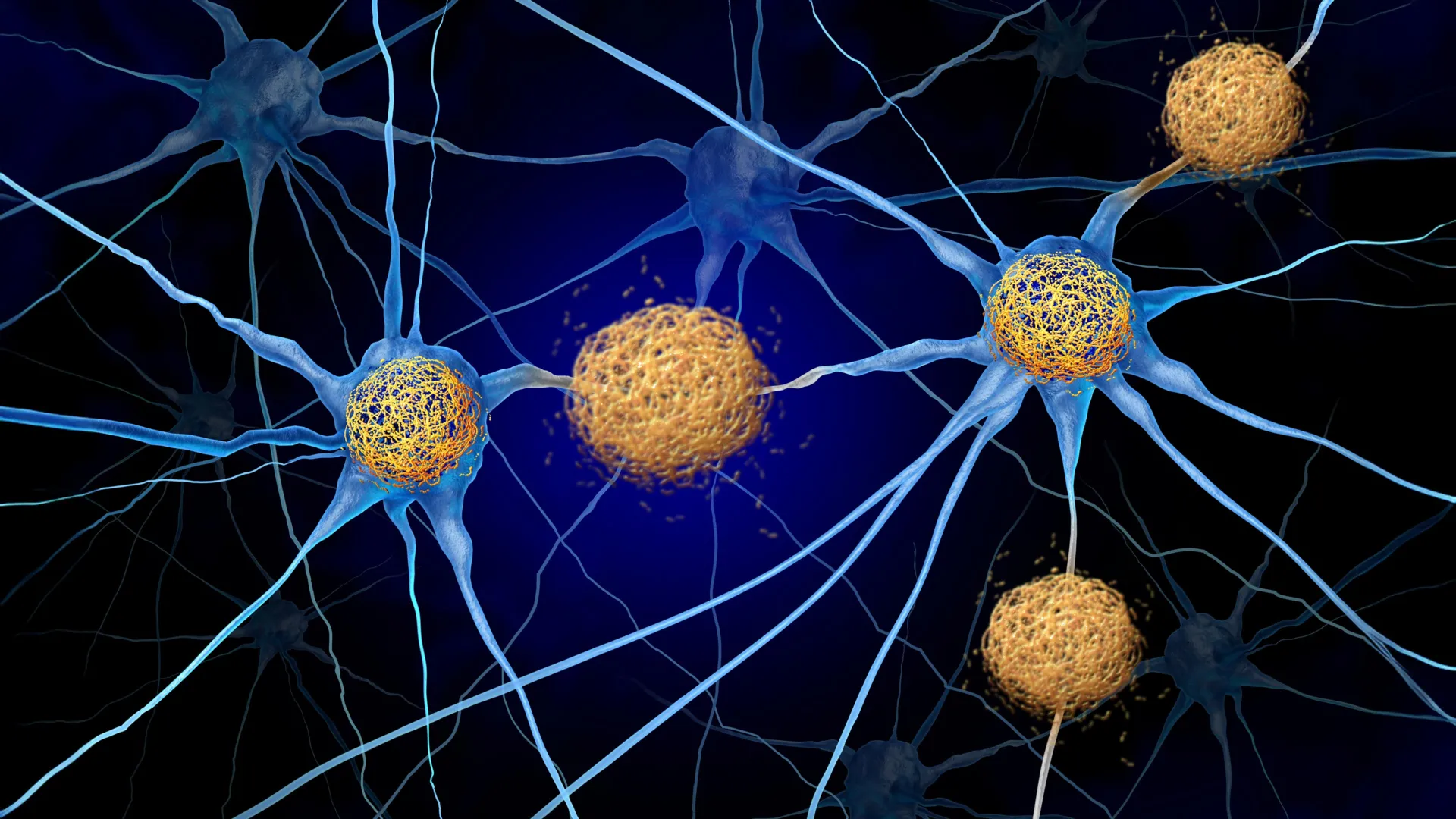
Furthermore, the connection to the locus coeruleus opens a new frontier in the study of neurodegenerative diseases. The LC is often one of the first areas of the brain to show signs of degeneration in patients with Alzheimer’s and Parkinson’s. Disruptions in the LC are linked to the cognitive decline and sleep disturbances characteristic of these conditions. By understanding how growth hormone interacts with the LC, researchers may be able to develop interventions that protect this brain region or restore its function, potentially slowing the progression of cognitive impairment.
Research Methodology and Data Analysis
The study utilized a sophisticated array of neurological tools to reach its conclusions. The researchers inserted electrodes into the brains of mice to record real-time neural activity while simultaneously monitoring growth hormone levels in the blood. Because mice are polyphasic sleepers—meaning they sleep in multiple short bursts rather than one long block—the researchers were able to gather a high volume of data points across hundreds of sleep-wake transitions.
Key data points from the study include:
- REM vs. Non-REM Dynamics: The surge of growth hormone during REM sleep was found to be significantly higher than previously hypothesized, suggesting that REM sleep plays a more active role in endocrine health than previously thought.
- Circuit Sensitivity: The GHRH neurons showed a high sensitivity to light stimulation, confirming their role as the primary trigger for the hormone cascade.
- Feedback Timing: The delay between growth hormone release and the activation of the locus coeruleus was consistent across subjects, indicating a hard-wired biological timing mechanism.
This rigorous approach allowed the team to move beyond the traditional "blood-draw" method of measuring hormones. By seeing the neurons fire in real-time, they could confirm that the brain’s activity preceded the hormonal shift, proving a causal link rather than a mere correlation.
Chronology of Sleep Science Evolution
To understand the weight of this discovery, it is helpful to look at the timeline of sleep research. For most of the 20th century, sleep was viewed as a passive state of "nothingness."
- 1953: The discovery of REM sleep by Nathaniel Kleitman and Eugene Aserinsky proved that the brain is highly active during certain stages of sleep.
- 1960s-70s: Researchers established the link between slow-wave sleep and the secretion of growth hormone through clinical observations.
- 1990s: The identification of somatostatin and GHRH provided the chemical basis for hormone regulation, but the "circuitry" remained unknown.
- 2024: The UC Berkeley study provides the final piece of the puzzle: the neural map and the feedback loop connecting the hypothalamus to the brainstem.
This progression marks a shift from observing symptoms to understanding the fundamental "wiring" of the human body.
Expert Reactions and Future Directions
The scientific community has responded to the study with cautious optimism. Independent neuroscientists have noted that while the mouse model is robust, the next challenge will be to verify these circuits in human subjects using non-invasive imaging techniques like functional MRI (fMRI) combined with endocrine monitoring.
"Understanding the neural circuit for growth hormone release could eventually point toward new hormonal therapies to improve sleep quality or restore normal growth hormone balance," said Silverman. He also highlighted the potential for experimental gene therapies that could target specific cell types within the locus coeruleus to "dial back" excitability in patients with psychiatric or neurological disorders.
Xinlu Ding emphasized the cognitive benefits of the discovery. "Growth hormone not only helps you build your muscle and bones and reduce your fat tissue, but may also have cognitive benefits, promoting your overall arousal level when you wake up," she said. This suggests that the "grogginess" many people feel after a night of poor sleep (sleep inertia) may be partially due to a failure in the growth hormone-mediated activation of the locus coeruleus.
Conclusion: A Foundation for Future Medicine
The work of the UC Berkeley team, supported by the Howard Hughes Medical Institute and the Pivotal Life Sciences Chancellor’s Chair fund, represents a significant leap forward in the field of neuro-endocrinology. By bridging the gap between the brain’s electrical activity and the body’s chemical signaling, the study provides a roadmap for a new generation of medical treatments.
As society continues to grapple with the health consequences of a 24/7, sleep-deprived culture, understanding the "basic circuit" of growth and repair is more than an academic exercise. It is a necessary step toward addressing the systemic health crises of the modern age. The discovery that sleep is a "tightly balanced system" reminds us that every hour of rest is an active investment in the body’s structural and metabolic integrity. Future research will undoubtedly build on this circuit map, potentially leading to a day when the metabolic ravages of poor sleep can be mitigated by precisely targeting the brain’s own restorative pathways.