Naked mole rats, with their unassuming appearance – small, wrinkled, and virtually hairless rodents – have long captivated scientists engaged in aging research. Their remarkable biology offers a compelling case study in resilience. These creatures defy typical mammalian aging, boasting lifespans of several decades, an extraordinary resistance to cancer, and a pronounced immunity to many age-related ailments that plague other species. Now, groundbreaking research from the University of Rochester has demonstrated that a key biological advantage of these subterranean dwellers can indeed be transferred to another mammal, offering a glimpse into a future of enhanced healthspan.
A Paradigm Shift in Aging Research: Gene Transfer Success
In a landmark study published in the prestigious journal Nature in 2023, researchers successfully transferred a gene responsible for the naked mole rat’s exceptionally high levels of high molecular weight hyaluronic acid (HMW-HA) into laboratory mice. The results were significant: the genetically modified mice exhibited improved health markers and a modest but notable extension of their median lifespan. This pioneering work suggests that the longevity mechanisms that have evolved in exceptionally long-lived species may not be confined to their native biological contexts but could potentially be adapted to benefit other mammals. The modified mice, compared to their control counterparts, lived healthier lives and experienced an approximate 4.4 percent increase in their median lifespan.
Dr. Vera Gorbunova, the Doris Johns Cherry Professor of biology and medicine at the University of Rochester, articulated the profound implications of this research. "Our study provides a proof of principle that unique longevity mechanisms that evolved in long-lived mammalian species can be exported to improve the lifespans of other mammals," she stated. This statement underscores the potential for interspecies transfer of biological traits that confer longevity and health.
The research team, led by Dr. Gorbunova and Professor Andrei Seluanov, a fellow biologist at Rochester, focused their efforts on a specific gene instrumental in the production of HMW-HA. This substance is found in remarkable abundance in naked mole rats and has been strongly correlated with their exceptional resistance to cancer, inflammation, and age-related decline.
The Enigma of the Naked Mole Rat: A Biological Marvel
To fully appreciate the significance of the University of Rochester’s findings, it is essential to understand why naked mole rats have become such a focal point for aging research. These small rodents, roughly the size of laboratory mice, possess an astonishing lifespan that sets them apart. They can live for up to 41 years, a duration nearly ten times longer than that of similarly sized rodents. This longevity alone is a compelling subject of study, but it is their apparent immunity to common age-associated diseases that truly sets them apart.
As naked mole rats mature, they seem to elude conditions that frequently afflict other mammals, including neurodegenerative disorders, cardiovascular diseases, arthritis, and cancer. For decades, Dr. Gorbunova, Dr. Seluanov, and a host of other researchers have been dedicated to unraveling the biological secrets behind this remarkable resilience.
One of the most significant discoveries has been the role of HMW-HA. Naked mole rats possess approximately ten times more HMW-HA than mice and humans. Earlier investigations by the Rochester team had revealed a crucial link: when HMW-HA was experimentally removed from naked mole rat cells, these cells exhibited a heightened propensity to form tumors. This observation posed a pivotal question: if HMW-HA confers resistance to cancer and age-related damage in naked mole rats, could this same protective mechanism be replicated in different species?
Engineering Longevity: The Gene Transfer Experiment
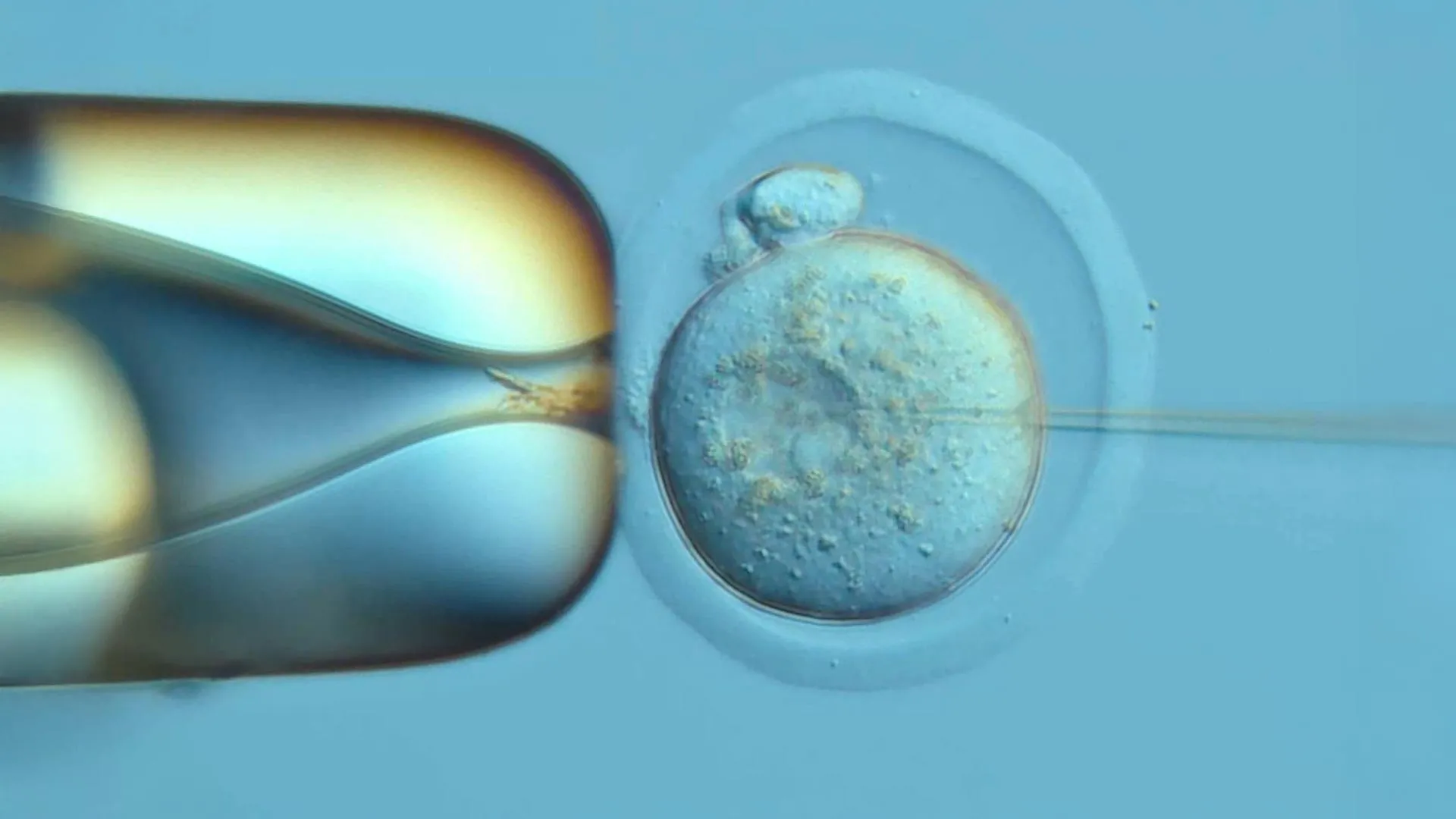
The University of Rochester team embarked on a rigorous experimental path to answer this question. They genetically engineered mice to carry the naked mole rat’s version of the hyaluronan synthase 2 gene. This gene is the biological blueprint for producing the protein responsible for synthesizing HMW-HA. While all mammals possess a version of hyaluronan synthase 2, the naked mole rat variant appears to be significantly more active, driving enhanced gene expression and, consequently, a greater production of the protective HMW-HA molecule.
The outcomes of this genetic modification were compelling. The engineered mice not only developed higher concentrations of hyaluronan in various tissues but also demonstrated significantly stronger protection against both spontaneous tumor formation and chemically induced skin cancer. The benefits, however, extended beyond cancer resistance. The mice harboring the naked mole rat gene exhibited improved overall health as they aged. They lived longer than their unmodified counterparts, experienced reduced inflammation across multiple tissues, and maintained better gut health.
The reduction in chronic inflammation is particularly noteworthy, as it is widely recognized as a hallmark of aging. The researchers hypothesize that HMW-HA may exert its broad protective effects, at least in part, by directly modulating the immune system. However, they acknowledge that further research is necessary to fully elucidate the precise mechanisms through which HMW-HA delivers such a wide array of health benefits.
Modest Gains, Monumental Implications: The Future of Healthspan
While the observed increase in median lifespan for the genetically modified mice was a modest 4.4 percent, the true significance of this research lies in its demonstration of successful interspecies transfer of a longevity-related mechanism. This finding transcends a mere study on mice and a single gene; it provides robust support for the hypothesis that the biological tools for enhanced longevity, honed by evolution in long-lived species, can be studied, adapted, and potentially utilized to improve health outcomes in other animals.
Dr. Gorbunova reflected on the decade-long journey from the initial discovery of HMW-HA in naked mole rats to this pivotal gene transfer study. "It took us 10 years from the discovery of HMW-HA in the naked mole rat to showing that HMW-HA improves health in mice," she stated. "Our next goal is to transfer this benefit to humans."
The researchers envision two primary avenues for achieving this ambitious goal in humans. One approach involves developing strategies to slow down the natural degradation of HMW-HA within the body. The other focuses on methods to increase the endogenous production of this beneficial molecule.
Dr. Seluanov provided an update on their ongoing efforts, stating, "We already have identified molecules that slow down hyaluronan degradation and are testing them in pre-clinical trials. We hope that our findings will provide the first, but not the last, example of how longevity adaptations from a long-lived species can be adapted to benefit human longevity and health." This indicates that tangible steps are already being taken to translate these laboratory findings into potential human applications.
Expanding the Naked Mole Rat Narrative: New Discoveries Emerge
The scientific fascination with naked mole rats has continued to yield new insights since the 2023 Nature study. In a 2025 study published in the journal Science, researchers identified another potential longevity mechanism involving cGAS, a protein more commonly known for its role in immune defense. While in humans and mice, cGAS can sometimes hinder DNA repair processes, the naked mole rat’s version appears to significantly enhance the ability of cells to repair DNA damage. This study revealed that specific alterations in the naked mole rat’s cGAS protein contributed to improved genome stability and delayed the onset of aging markers in experimental models.
This more recent discovery does not diminish the importance of the HMW-HA findings; rather, it reinforces a broader pattern. The exceptional longevity and health of naked mole rats are likely attributable to a complex interplay of multiple defense mechanisms. These include robust cancer resistance, effective inflammation control, superior DNA repair capabilities, and enhanced tissue protection.
For the field of human aging research, this multifaceted understanding is highly valuable. It suggests that a single "magic bullet" for eternal youth is unlikely. However, each new discovery provides scientists with an additional target for intervention, potentially leading to novel therapies for age-related diseases.
The 2023 gene transfer study remains a compelling testament to the power of cross-species biological insights. A survival strategy that evolved in one of nature’s most peculiar mammals has demonstrably helped mice resist disease, age more gracefully, and live longer. The ultimate challenge now lies in determining whether these remarkable biological adaptations can be safely and effectively translated to enhance human healthspan. The journey from understanding the naked mole rat’s secrets to improving human longevity is complex, but the path forward is becoming clearer with each scientific revelation.