

Thousands of years ago, on the Caribbean island of Hispaniola, a dramatic scene unfolded within the cool, dark confines of a cave. A giant barn owl, a formidable predator, brought its prey – a hutia, a sizable rodent endemic to the region – into its lair. The owl’s intention was clear: to feed its hungry young. The meal, as such events often do, concluded swiftly, leaving behind the skeletal remains of the unfortunate hutia scattered across the cave floor. Unbeknownst to the owl and its prey, this seemingly final act would set the stage for a remarkable biological phenomenon, a testament to nature’s persistent ingenuity. It was into this setting, long after the owl and hutia had vanished from the immediate scene, that a burrowing bee arrived, a tiny architect in search of a suitable place to establish its colony. This ancient tableau, preserved for millennia, has recently been unearthed by paleontologists, revealing an extraordinary story of life adapting to and utilizing the remnants of death.
The Cave as a Time Capsule: Unearthing an Ancient Ecosystem
The cave, identified as Cueva de Mono in the southern Dominican Republic, served as a veritable time capsule, preserving a unique snapshot of prehistoric life on Hispaniola. The island, situated in the Greater Antilles, has a rich and often isolated evolutionary history, leading to the development of endemic species like the hutia. These rodents, varying in size from that of a squirrel to a small rabbit, were once a significant component of the island’s fauna. The presence of a giant barn owl in this ecosystem underscores the intricate food webs that characterized the Caribbean before significant human impact. Giant barn owls, known for their impressive wingspans and hunting prowess, would have been apex predators in this environment, relying on readily available prey like hutias. The Cueva de Mono, with its sheltered environment and consistent prey availability, likely served as a long-term nesting and feeding site for generations of these owls. This consistent predatory activity over extended periods is crucial to understanding the abundance of hutia remains discovered within the cave.
The Bee’s Ingenious Solution: Fossilized Sockets as Nesting Sites
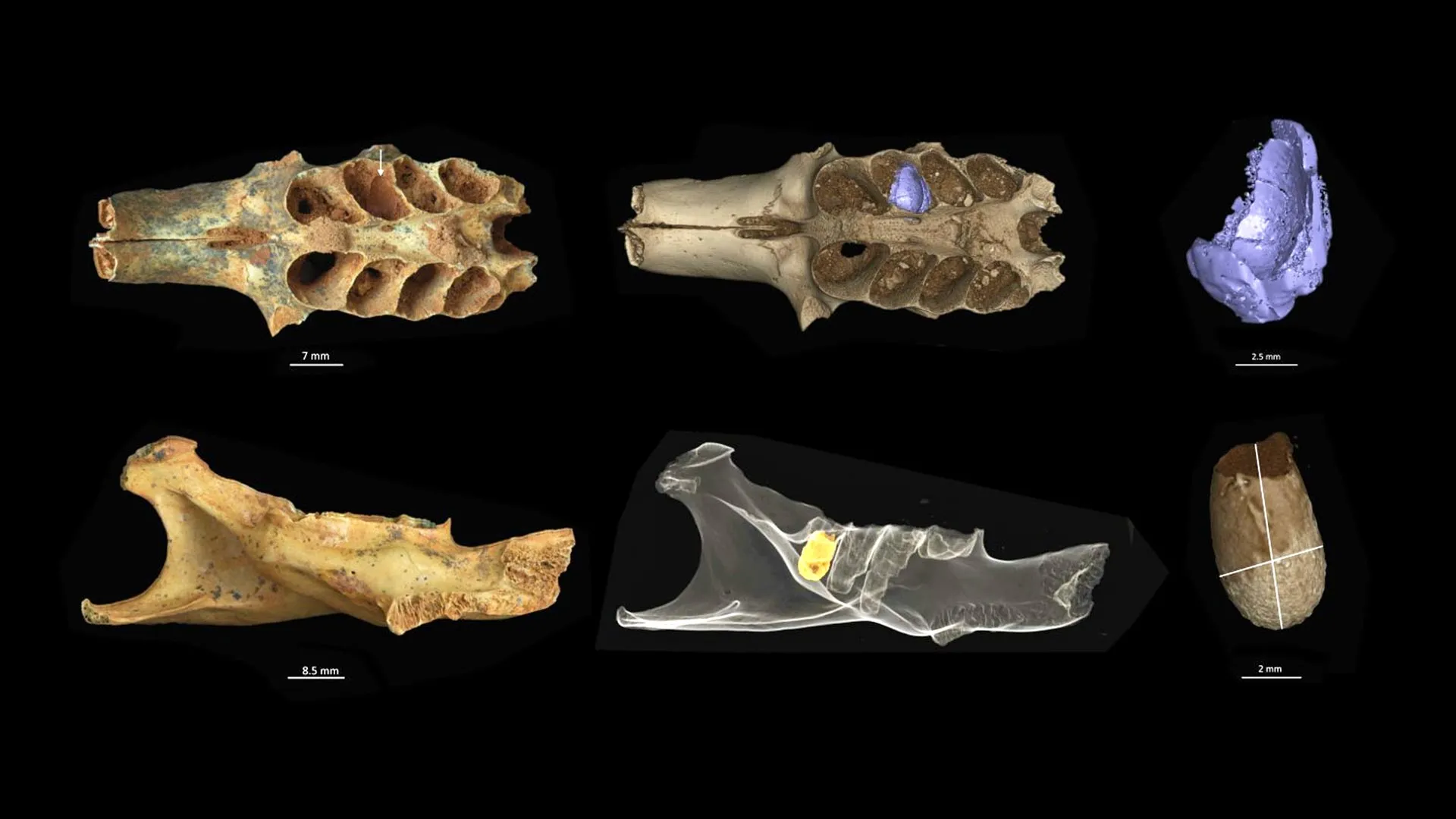
The narrative takes an unexpected turn with the arrival of the burrowing bee. Drawn to the cave’s dark recesses, the bee sought a secure location to construct its nest. Its initial exploration led it to the clay-rich silt that had accumulated on the cave floor. However, before it could excavate to the desired depth, it encountered the fossilized remains of the hutia. Instead of being deterred, the bee found an unexpected and highly advantageous resource. The hutia’s jawbones, once holding its powerful teeth, contained numerous small sockets known as alveoli. Though the teeth themselves were long gone, these hollow spaces remained intact. Crucially, their dimensions proved to be remarkably suitable for the bee’s nesting requirements.
This discovery by the bee was not an isolated incident. Over time, it appears that other bees, likely of the same species, discovered and utilized these naturally occurring cavities within the fossilized hutia jaws as ready-made nesting sites. This behavior represents a fascinating adaptation, where a living organism directly leverages the fossilized remains of another to ensure its own reproductive success. The smooth, stable interiors of these ancient sockets provided an ideal microhabitat, protected from the elements and potential predators, and requiring minimal effort for the bee to adapt for its brood.
A Chance Discovery: The Alveoli That Didn’t Fit the Mold
The revelation of this ancient nesting behavior might have been lost to time had it not been for the meticulous observation of paleontologist Lazaro Viñola Lopez. During his doctoral research at the Florida Museum of Natural History, Viñola Lopez was engaged in excavating fossils from the Cueva de Mono. His specific interest lay in the hutia species found there, as it was relatively rare in other parts of the island. The sheer quantity of hutia fossils unearthed suggested the cave’s long-standing role as an owl feeding station.
Typically, the process of fossil excavation involves thoroughly cleaning the specimens, which includes removing any sediment or debris from internal cavities like the alveoli. However, Viñola Lopez’s keen eye noticed something unusual. While examining the hutia jawbones, he observed one particular cavity that stood out. Unlike the rough, porous texture expected of bone, this alveolus possessed a remarkably smooth inner surface. This anomaly piqued his scientific curiosity, diverting him from the standard cleaning protocol.
From Wasp Nests to Bee Colonies: A Process of Elimination and Refinement
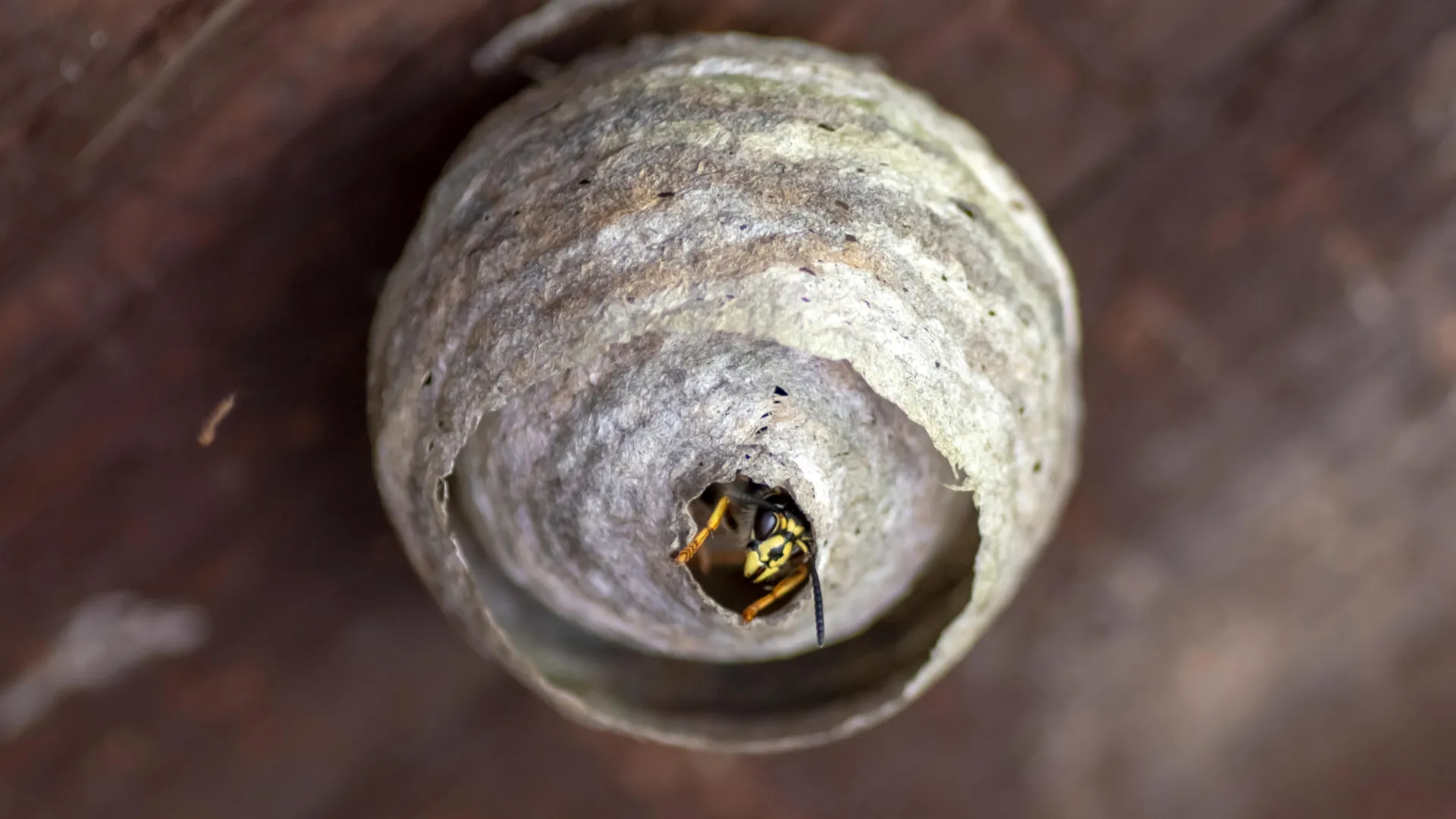
Viñola Lopez’s initial hypothesis regarding the smooth interior was rooted in prior experience. He recalled a similar observation made in Montana while working with dinosaur fossils, where he and colleagues had found wasp cocoons embedded within fossilized material. He initially surmised that the smooth cavities in the hutia jaws might also contain wasp nests. This belief was strong enough that he contemplated writing a brief scientific paper detailing the discovery of these potential wasp nests within the mandibles.
He shared this idea with his fellow doctoral student, Mitchell Riegler. Riegler, at first, expressed a degree of skepticism, viewing it as a niche project with limited scope. The idea was temporarily set aside. However, the opportunity to revisit the puzzle arose when Riegler accepted a challenge from a former mentor to write a scientific paper within a week. This spurred a collaborative effort between Viñola Lopez and Riegler, a back-and-forth intellectual exchange aimed at producing a publication.
Their investigation delved deeper. While examining the structures, they initially leaned towards the wasp nest hypothesis. However, upon consulting literature on ichnofossils – trace fossils that record biological activity such as footprints, burrows, or nests – they began to notice discrepancies. The characteristic rough texture of wasp nests, typically constructed from chewed plant matter and saliva, did not align with the smooth, polished surfaces they observed. This led them to reconsider their initial assessment.
Their research then turned towards bees. Burrowing bees, unlike wasps, often line their nests with a waxy secretion. This secretion serves multiple purposes, including waterproofing and creating a smooth, durable interior. The discovery of this characteristic waxy lining in the fossilized cavities provided a crucial piece of evidence. The smooth surfaces were not indicative of wasp construction but rather the meticulous work of burrowing bees. This realization significantly elevated the importance of their findings.
A Rare Behavior: Bees Utilizing Pre-Existing Fossil Structures
The shift from identifying wasp nests to recognizing bee nests marked a profound increase in the scientific significance of the discovery. While instances of insects nesting in bones have been documented, the behavior observed in Cueva de Mono was unprecedented in several key aspects. There is only one other known case of burrowing bees nesting within a cave environment, and critically, no prior reports documented bees utilizing pre-existing fossil structures without altering them. Previous research had described bees drilling into human bones, but this involved active excavation, not the passive occupation of natural cavities as observed in the hutia jaws.
Recognizing the rarity and importance of their findings, Viñola Lopez and Riegler expanded their research. They engaged with specialists in modern bee behavior and conducted an extensive review of scientific literature. Viñola Lopez even returned to the Cueva de Mono to conduct further geological analysis of the cave’s layers, seeking to understand the environmental conditions that might have favored such an unusual nesting strategy.
The research was not without its challenges. At one point, the cave faced a potential threat from a development project that aimed to convert the area into a septic tank. Fortunately, the plan was ultimately halted, but the researchers had to undertake an urgent "rescue mission" to recover as many valuable fossils as possible before any potential damage could occur. This effort proved successful, yielding a significant collection of specimens that further illuminated the bees’ nesting habits.
Beyond the Jawbones: Diverse Fossil Structures Become Bee Homes
The comprehensive study revealed that the bees’ nesting activities were not confined solely to the hutia jawbones. The researchers discovered evidence of their industriousness in a variety of fossilized structures. In one remarkable instance, a bee nest was found within the pulp cavity of a sloth tooth. Tree sloths, now extinct in the Caribbean, were once native to the region, and their fossilized remains provided another unexpected nesting substrate. Another nest was identified within a hutia vertebra, occupying the space that once housed the spinal cord.
Advanced imaging techniques, such as CT scans, provided further insights into the layering and reuse of these fossilized cavities. The scans revealed that some alveoli contained multiple, stacked nests, one nestled inside another like the iconic Russian nesting dolls. This demonstrated that if a cavity was empty, certain bees would not hesitate to reuse existing structures, further optimizing their nesting efforts. In one striking example, six distinct nests were found layered within a single hutia alveolus, showcasing a remarkable level of resourcefulness.
Karst Landscapes and the Drive for Suitable Nesting Grounds
The research team also proposed a compelling explanation for why these burrowing bees would resort to such unconventional nesting sites. The geological landscape surrounding the Cueva de Mono is characterized by karst topography. Karst regions are typically composed of soluble rocks like limestone, which are prone to erosion, resulting in a landscape with sinkholes, underground drainage systems, and a scarcity of stable soil.
Mitchell Riegler described the terrain as "sharp, edgy limestone" that has lost most of its natural soils. This harsh environment presents significant challenges for burrowing insects that rely on soil for nest construction. Any soil that does manage to accumulate on the surface is often susceptible to being washed away by rainfall, frequently draining into underground cave systems. These cave deposits, therefore, can create pockets of finer, more suitable material, potentially offering some of the only viable nesting conditions for burrowing bees in such a challenging environment. The stable, protected interiors of fossilized bones within these cave deposits would have offered a secure and readily available alternative to the difficult-to-excavate soil on the surface.
A Continuing Legacy: Unlocking More Cave Secrets
The work conducted at Cueva de Mono is far from over. The researchers are continuing to analyze other fossils recovered from the cave, with further publications anticipated in the future. Their findings, published in the prestigious journal Proceedings of the Royal Society B, offer a compelling narrative of life’s remarkable adaptability. This ancient cave, a silent witness to millennia of predator-prey interactions, has now revealed itself as a haven for a completely different form of life, one that ingeniously repurposed the remnants of the past to secure its future. The story of the owl, the hutia, and the bee serves as a powerful reminder that even in the most unexpected places, life finds a way to persist and evolve, leaving behind intricate legacies etched in stone for future generations to discover. The broader implications of this discovery extend to our understanding of paleoecology, insect behavior, and the long-term processes that shape ecosystems, highlighting the interconnectedness of life across vast stretches of time.











Leave a Reply