In a landmark study that bridges the gap between mechanical movement and molecular biology, a research team from the LKS Faculty of Medicine at the University of Hong Kong (HKUMed) has uncovered the specific biological mechanism that enables physical activity to strengthen human bones. The discovery identifies a protein known as Piezo1 as the primary "exercise sensor" within the bone marrow, a finding that could revolutionize the treatment of osteoporosis and other degenerative bone conditions. By decoding how the body translates physical strain into bone density, researchers are now looking toward the development of "exercise mimetics"—pharmacological interventions that could provide the skeletal benefits of a workout to those physically unable to perform one.
The study, led by Professor Xu Aimin, Director of the State Key Laboratory of Pharmaceutical Biotechnology at HKUMed, and published in the prestigious journal Signal Transduction and Targeted Therapy, addresses a critical challenge in geriatric medicine. As the global population ages, the incidence of fragility fractures is rising, creating an urgent need for therapies that can maintain bone health in patients who are bedridden, frail, or suffering from chronic illnesses that preclude vigorous physical activity.
The Global Burden of Osteoporosis and Bone Fragility
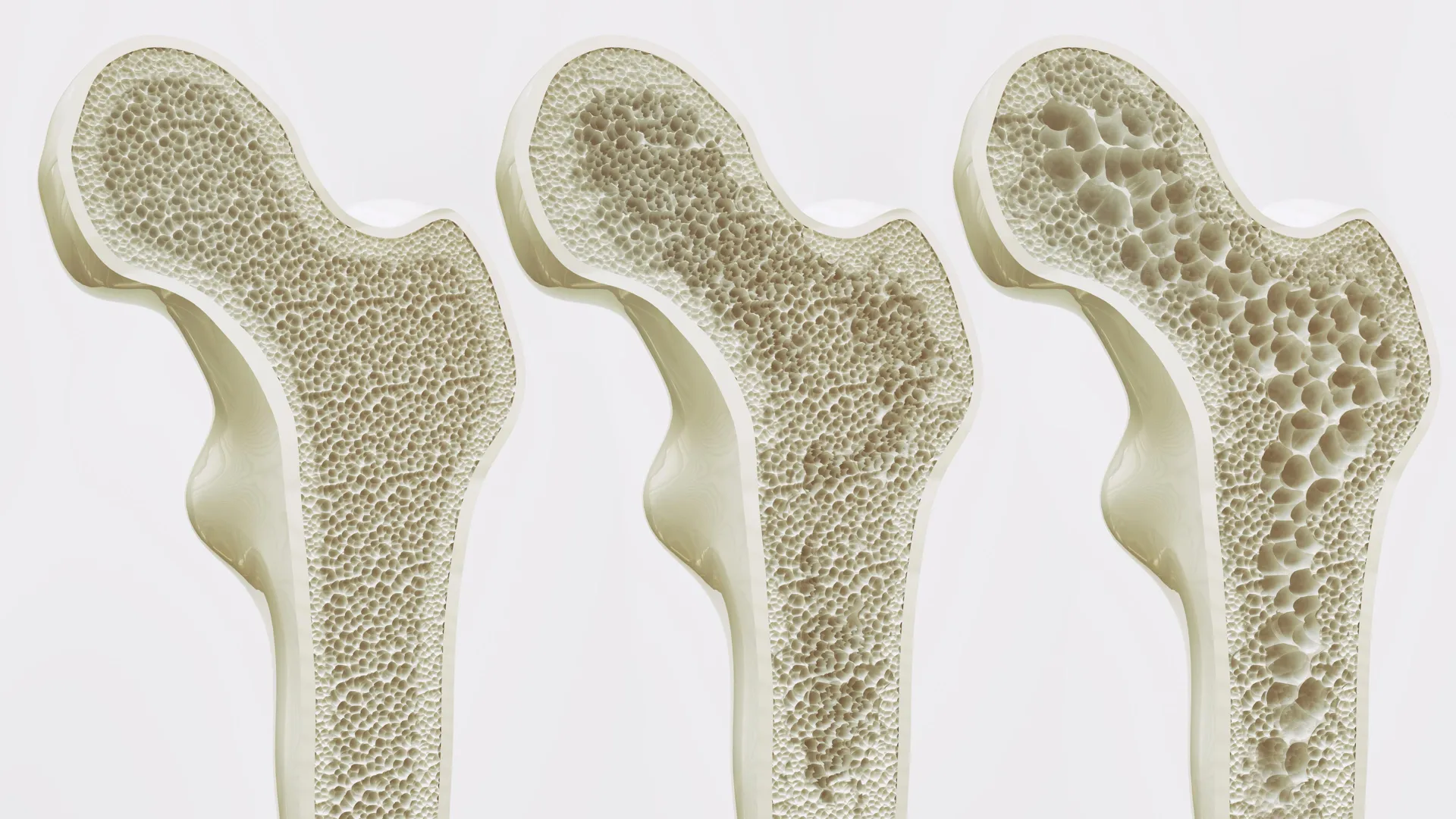
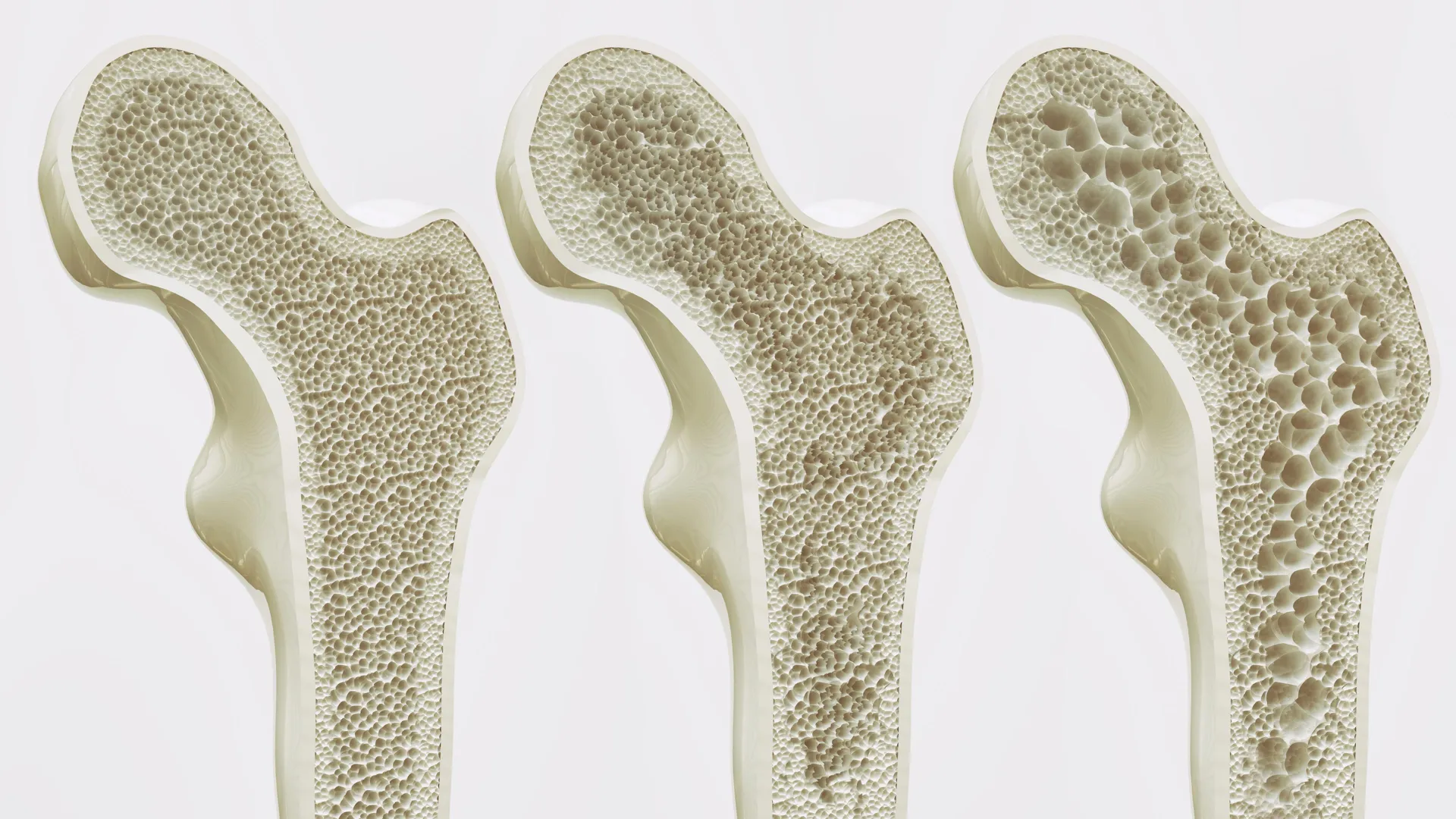
Osteoporosis is often described as a "silent epidemic" because bone loss occurs without symptoms until a fracture happens. According to the World Health Organization (WHO), the condition affects hundreds of millions of people worldwide. The statistics are stark: approximately one in three women and one in five men over the age of 50 will suffer an osteoporotic fracture in their remaining lifetime. These injuries are not merely painful; they are life-altering. Hip fractures, in particular, are associated with a 20% to 24% mortality rate within the first year following the injury.
In Hong Kong, the situation is particularly acute due to the city’s rapidly aging demographic. Local data indicates that osteoporosis affects 45% of women and 13% of men aged 65 and older. The resulting fractures place an enormous strain on the public healthcare system, requiring long-term hospitalization, rehabilitation, and often permanent assisted living. Current therapeutic options, while effective for some, largely rely on bisphosphonates or hormone-related therapies that slow bone resorption but do not necessarily replicate the regenerative power of physical exercise.
The Biological Shift: From Bone to Fat
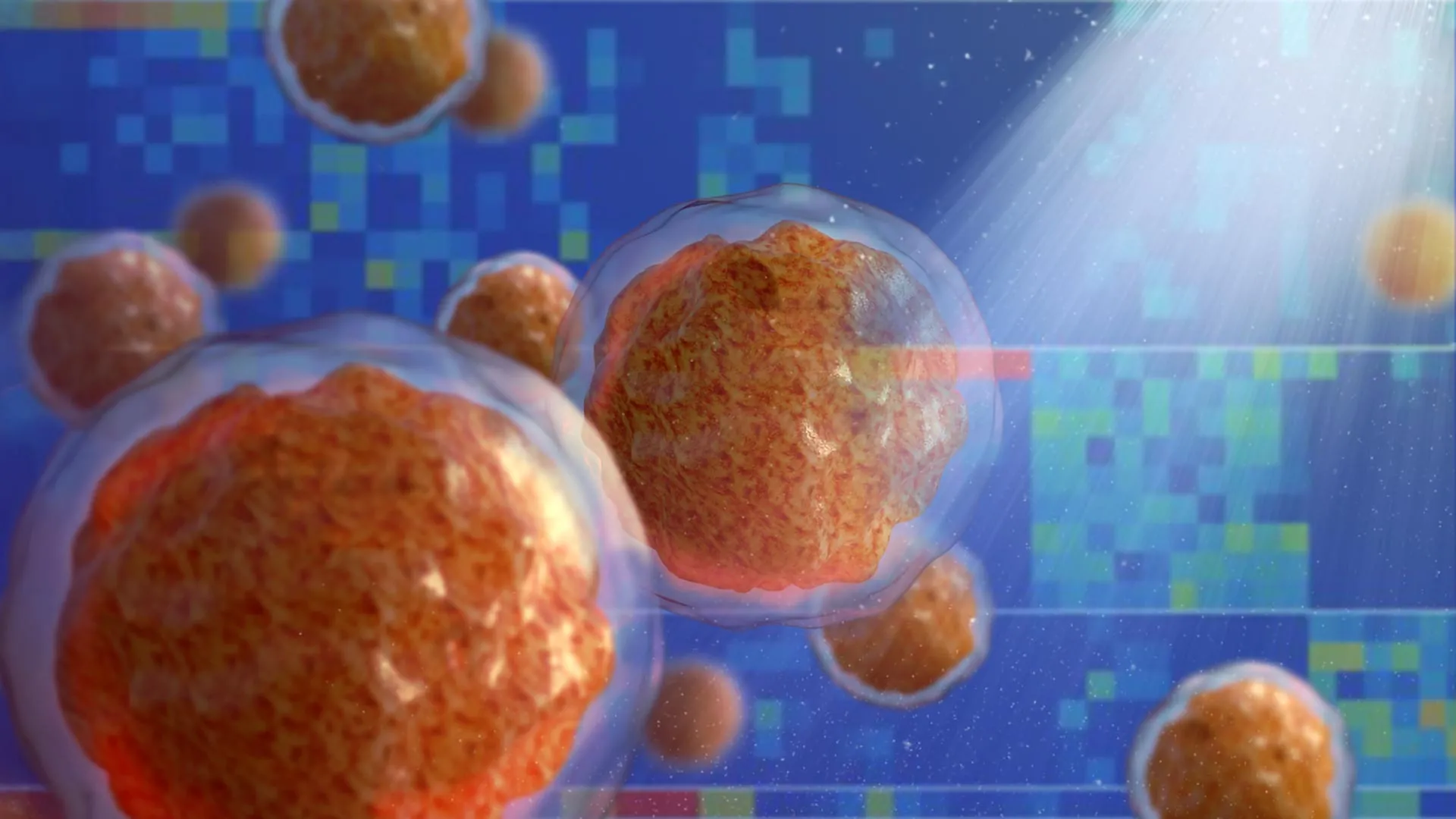
To understand the HKUMed breakthrough, one must first look at the internal environment of the bone marrow. Bones are not static structures; they are dynamic tissues constantly being remodeled. At the heart of this process are mesenchymal stem cells (MSCs). These versatile cells have the potential to differentiate into several types of tissue, primarily osteoblasts (bone-forming cells) or adipocytes (fat cells).
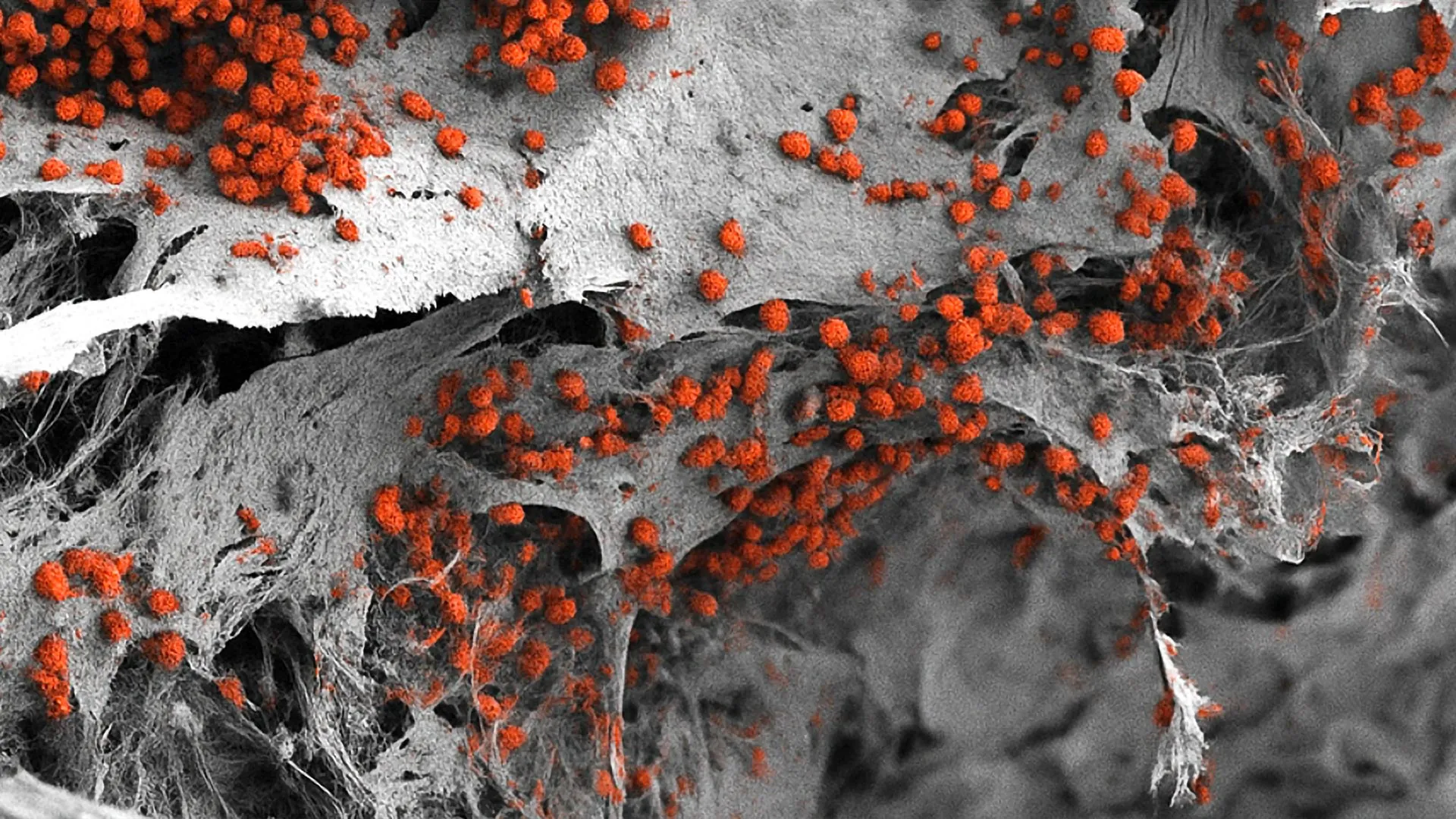
In a healthy, active individual, the mechanical stress of walking, running, or lifting weights sends signals to these stem cells, encouraging them to become bone-forming osteoblasts. However, as humans age, this balance shifts. The "lineage commitment" of these stem cells begins to favor the production of fat. As fat accumulates within the bone marrow—a process known as marrow adiposity—it crowds out healthy bone tissue and weakens the skeletal structure. This shift is a hallmark of age-related osteoporosis, making the bones more porous and prone to breakage.
Identifying the Sensor: The Role of Piezo1
The HKUMed team sought to identify the exact molecular "switch" that tells a stem cell to become bone instead of fat when the body moves. Through a series of sophisticated experiments involving mouse models and human stem cell cultures, they identified the Piezo1 protein.
Piezo proteins are a class of mechanosensitive ion channels that allow cells to sense and respond to physical pressure. The significance of Piezo channels was globally recognized in 2021 when the Nobel Prize in Physiology or Medicine was awarded for their discovery. The HKUMed study is the first to clearly delineate Piezo1’s role as the primary gatekeeper of bone-fat balance in the marrow.
The researchers found that Piezo1 sits on the surface of mesenchymal stem cells. When a person exercises, the mechanical forces—such as the impact of feet hitting the ground or the pull of muscles on bone—activate Piezo1. Once triggered, the protein initiates a signaling cascade that promotes osteogenesis (bone formation) while simultaneously suppressing adipogenesis (fat formation).
Experimental Evidence and Molecular Signaling
To confirm their findings, the research team utilized genetic "knockout" models where Piezo1 was removed from the stem cells of mice. The results were definitive: mice lacking the Piezo1 protein showed significantly accelerated bone loss and a massive increase in bone marrow fat, even when they were active. Without the sensor, the body could no longer "feel" the benefits of movement.
Furthermore, the study identified the downstream consequences of a lack of Piezo1. When the protein is inactive or absent, the stem cells begin to release specific inflammatory signals, namely Ccl2 and lipocalin-2. These molecules act as chemical messengers that further drive the transformation of stem cells into fat and interfere with the recruitment of bone-building cells. By blocking these inflammatory signals in their experimental models, the researchers were able to partially reverse the bone loss, suggesting a secondary pathway for future drug development.
The Dawn of Exercise Mimetics
The most profound implication of this research lies in the potential for "exercise mimetics." This term refers to a new class of drugs designed to trick the body into reacting as if it has undergone physical exertion.
"We have essentially decoded how the body converts movement into stronger bones," explained Professor Xu Aimin. "By activating the Piezo1 pathway, we can mimic the benefits of exercise at the molecular level. This is a critical step toward helping those who are physically unable to move but whose bones still require the regenerative signals that movement provides."
Dr. Wang Baile, Research Assistant Professor at HKUMed and co-leader of the study, emphasized the humanitarian impact of the discovery. "For a patient who is bedridden due to a stroke, a spinal cord injury, or extreme frailty, the lack of mechanical stimulation leads to rapid bone depletion. If we can provide a pharmacological agent that activates Piezo1, we can help maintain their bone mass and reduce the risk of secondary fractures that often occur during rehabilitation."
Collaboration and Future Directions
The study was a highly collaborative effort, involving experts from the French National Centre for Scientific Research (CNRS) and the University Côte d’Azur. Professor Eric Honoré, a team leader at the Institute of Molecular and Cellular Pharmacology in France, noted that this research offers a strategy that goes beyond traditional physical therapy. He suggested that in the future, targeted treatments could be used to slow bone loss in vulnerable groups, including astronauts experiencing bone density loss in microgravity environments.
The research team is now moving toward the next phase of development: identifying small molecules or compounds that can safely and effectively activate Piezo1 in humans. This process involves rigorous clinical trials to ensure that stimulating these pathways does not have unintended side effects in other tissues where Piezo1 may be present, such as the lungs or blood vessels.
Analysis of Implications for Healthcare Systems
The potential introduction of Piezo1-based therapies could have a transformative effect on global healthcare economics. The cost of treating osteoporotic fractures is staggering; in the United States alone, the annual cost is estimated to exceed $19 billion, a figure expected to rise as the "baby boomer" generation continues to age. In Asia, the number of hip fractures is projected to triple by the year 2050.
If "exercise mimetics" can reduce the fracture rate by even a small percentage, the savings in terms of hospital bed occupancy, surgical interventions, and long-term nursing care would be in the billions of dollars. More importantly, it would preserve the independence and quality of life for millions of elderly individuals, preventing the "fracture-disability-death" spiral that currently claims so many lives.
Conclusion
The identification of Piezo1 as the bone’s internal exercise sensor represents a major milestone in skeletal biology. By providing a clear molecular target, the researchers at HKUMed have laid the groundwork for a new era of osteoporosis treatment. While physical exercise remains the gold standard for maintaining health, this discovery offers a biological "safety net" for the most vulnerable members of society, ensuring that the life-sustaining benefits of movement are no longer out of reach for those confined to a bed or a wheelchair.
As the team continues to translate these laboratory findings into clinical applications, the medical community watches with hope. The prospect of a pill or injection that can provide the skeletal strength of a daily walk could be one of the most significant advancements in geriatric care of the 21st century.
The research was a multi-institutional effort supported by various grants, including the Research Grants Council of Hong Kong, the National Natural Science Foundation of China, and several French medical research foundations, reflecting the global importance of finding a solution to the crisis of age-related bone loss.