Every second, in the intricate theater of the human body, countless cells undergo a fundamental act of creation: division. This ceaseless process, essential for growth, repair, and reproduction, relies on a symphony of thousands of molecules orchestrating their actions with breathtaking precision. Yet, within this remarkable biological ballet, errors can occur, leading to unexpected breakdowns in cellular machinery. One such breakdown, Whole Genome Duplication (WGD), where a cell ends up with double the normal complement of DNA, has long been a subject of scientific inquiry, with recent research from Hokkaido University shedding crucial new light on how the specific mechanism of failure dictates the fate of these altered cells, with profound implications for understanding and treating diseases like cancer.
The Genesis of Whole Genome Duplication: A Cellular Copy-Paste Mishap
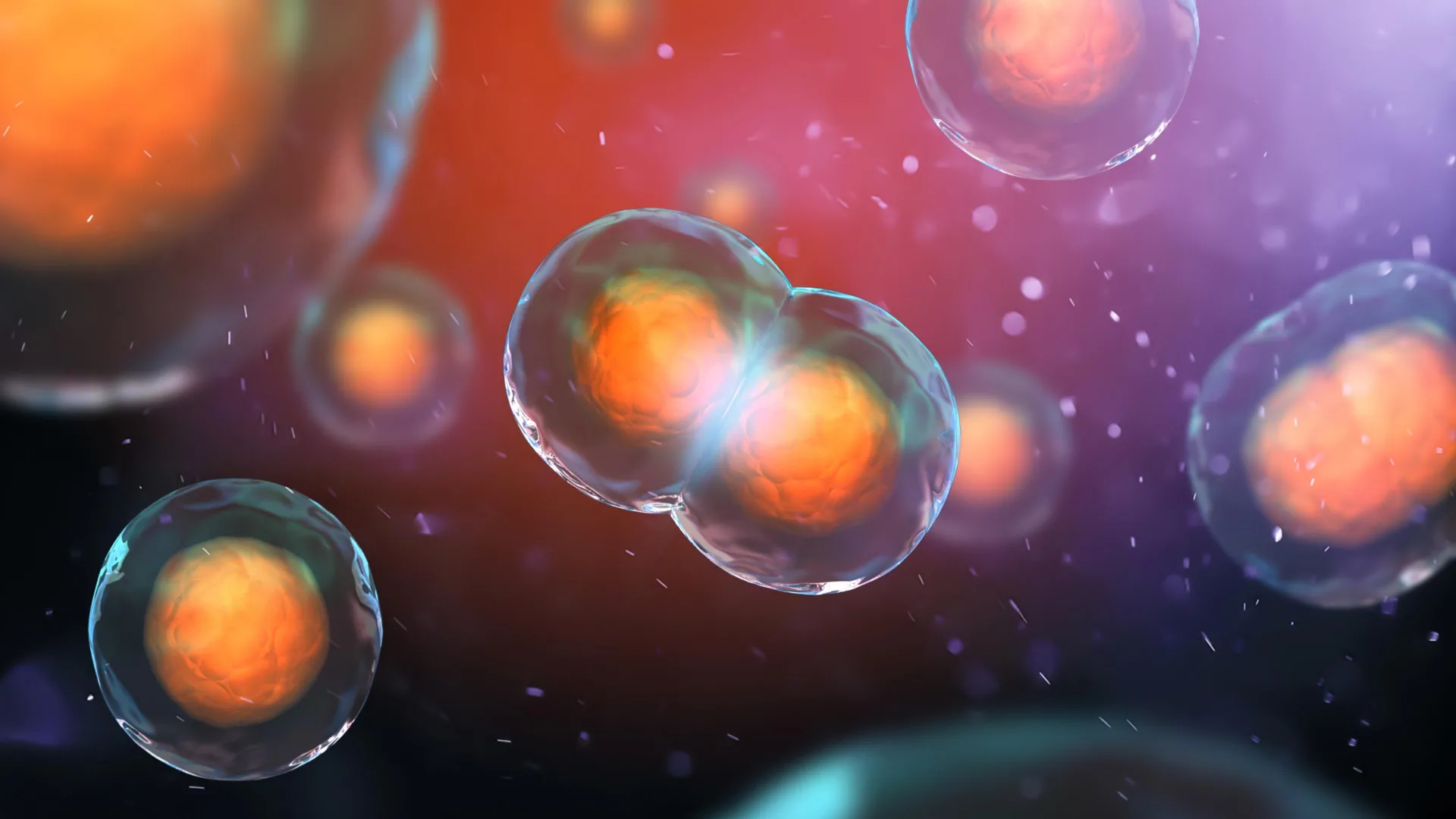
Before a cell can divide into two distinct daughter cells, it must meticulously replicate its entire genetic blueprint – its DNA. This ensures that each new cell receives an identical set of instructions for life. However, in certain instances, this critical DNA copying process can proceed without a hitch, only for the subsequent physical separation of the cell into two to falter. The consequence is a single cell now harboring twice the standard amount of genetic material, a condition scientifically termed Whole Genome Duplication (WGD).
To visualize this cellular misstep, imagine creating two perfect photocopies of an important document. Instead of placing each copy into its own separate folder, both are inadvertently placed back into the same folder. The document itself is intact, but the organization and intended separation have failed. Similarly, in WGD, the cell’s DNA is doubled, but the cell fails to divide properly, leaving it in a state of genetic excess.
The ramifications of WGD have been a known quantity in biological research for decades. Cells burdened with extra DNA can exhibit a range of aberrant behaviors. They may cease to function optimally, become dormant, undergo programmed cell death (apoptosis), transform into different cell types, accumulate damage associated with aging, or even contribute to the development and progression of diseases, most notably cancer. The variability in these outcomes has spurred scientific curiosity, prompting deeper investigations into the underlying causes and their differential impacts.
Two Distinct Pathways to Genetic Excess: Cytokinesis Failure vs. Mitotic Slippage
A pivotal question that has long occupied researchers is whether the specific manner in which a cell fails during division influences the subsequent behavior and characteristics of the resulting WGD cells. Addressing this, a dedicated team at Hokkaido University embarked on a detailed investigation to elucidate these differences. Their research, published in a leading scientific journal, zeroed in on two primary mechanisms that can lead to Whole Genome Duplication: cytokinesis failure and mitotic slippage.
Cytokinesis Failure: This pathway represents a near-complete division process. The cell successfully replicates its DNA and prepares its chromosomes for separation. However, at the very final stage, the physical constriction and division of the cytoplasm – the process known as cytokinesis – falters. The cell membrane fails to pinch off, leaving the cell as a single entity with two complete sets of chromosomes.
Mitotic Slippage: In contrast, mitotic slippage is an earlier disruption. The cell initiates the complex process of mitosis, which involves chromosome condensation and alignment. However, it exits this stage prematurely, before the chromosomes have been correctly segregated and prepared for distribution to nascent daughter cells. This early exit leads to an unequal distribution of genetic material, even as the cell may attempt to proceed towards division.
Associate Professor Ryota Uehara, the corresponding author of the study, articulated the long-standing gap in understanding: "While whole genome duplication occurs through multiple cellular processes, it has been unclear whether differences in the route affect the characteristics of the resulting cells." This research aimed to bridge that gap, providing empirical evidence to answer this crucial question. Despite both mechanisms resulting in cells with doubled DNA, the Hokkaido University team discovered that the long-term consequences are strikingly divergent.
The Survival Advantage: Chromosome Organization as the Deciding Factor
To unravel the differential outcomes of these two WGD-inducing pathways, the researchers employed sophisticated live-cell imaging techniques coupled with chromosome-specific labeling. These advanced methodologies allowed them to meticulously track the behavior and fate of cells in real-time after undergoing Whole Genome Duplication via either cytokinesis failure or mitotic slippage.
The findings were significant: cells that resulted from cytokinesis failure demonstrated a markedly higher degree of stability and a considerably greater probability of survival. Conversely, cells generated through mitotic slippage were frequently characterized by uneven chromosome distribution, a critical factor that drastically reduced their viability.
The linchpin responsible for these disparate survival rates, the study revealed, lies in the organization and distribution of chromosomes. In cases of mitotic slippage, the premature exit from mitosis often leads to chromosomes being parceled out unevenly between the prospective daughter cells. This severe genetic imbalance creates a highly unstable cellular environment, diminishing the cell’s capacity to persist. In stark contrast, during cytokinesis failure, even though the cell fails to split, the chromosomes themselves have typically been organized and segregated in a more balanced manner. This more equitable distribution allows the resulting WGD cell to maintain a greater degree of stability.
Further bolstering their conclusions, the researchers conducted an experiment where they experimentally enhanced chromosome separation in cells undergoing mitotic slippage. The results were dramatic: these intervention-treated cells exhibited a significant increase in their viability, underscoring the direct causal link between chromosome organization and cell survival in the context of WGD.
Implications for Cancer: A New Frontier in Therapeutic Strategies
The implications of these findings extend far beyond fundamental cell biology, particularly in the realm of cancer research and treatment. Whole Genome Duplication is not a rare occurrence in cancerous cells; it is, in fact, a common feature observed in a significant proportion of tumors. Moreover, certain cancer therapies, while aiming to eradicate malignant cells, can inadvertently trigger WGD as a side effect.
Cells that survive the process of WGD, even after being exposed to therapeutic agents, can retain their doubled DNA content and continue to proliferate. This persistence of abnormal, genetically altered cells can contribute to the recurrence of tumors, presenting a formidable challenge in cancer management.
The groundbreaking research from Hokkaido University suggests a novel avenue for therapeutic intervention. By focusing on the mechanisms that govern chromosome separation, it may be possible to develop strategies that prevent these abnormal WGD cells from surviving and propagating. If chromosome segregation can be effectively disrupted or corrected in WGD cells, their inherent instability could be exploited to induce their demise, thereby potentially hindering tumor growth and recurrence.
Professor Uehara emphasized the paradigm-shifting nature of their discovery: "There are different mechanisms through which whole genome duplication can occur, but their distinct impacts have largely been overlooked," he stated. "We challenged this conventional view by comparing cells formed through different mechanisms and found that these differences can influence cell behavior over the long term." This research moves beyond a monolithic understanding of WGD, highlighting the nuanced biological consequences that arise from different cellular failure modes.
Broader Context and Future Directions: A Timeline of Discovery and the Road Ahead
The understanding of cell division and its failures has evolved significantly over decades. Early microscopy allowed scientists to observe chromosomes and their movements during mitosis. The discovery of DNA as the genetic material in the mid-20th century provided the molecular basis for understanding replication and inheritance. The elucidation of the cell cycle, a series of events that leads to cell division, revealed the intricate checkpoints and regulatory mechanisms in place to ensure fidelity.
The identification of Whole Genome Duplication as a phenomenon with biological significance gained traction as researchers observed its prevalence in various biological contexts, including development, evolution, and disease. However, the precise cellular events leading to WGD and their differential consequences remained areas ripe for exploration.
The Hokkaido University study, conducted over a period of several years involving meticulous experimentation and data analysis, represents a significant milestone in this ongoing scientific narrative. It builds upon foundational knowledge of cell cycle regulation and chromosome dynamics, offering a more granular understanding of how specific errors in these processes can have profound downstream effects.
Timeline of Key Developments (Inferred):
- Mid-20th Century: Discovery of DNA and the elucidation of DNA replication as a precursor to cell division.
- Late 20th Century: Identification and characterization of the cell cycle and its key phases (M-phase, interphase). Recognition of errors in cell division as potentially pathological.
- Early 21st Century: Growing awareness of Whole Genome Duplication (WGD) as a recurring event in various biological systems, including cancer. Initial studies linking WGD to cellular instability and disease.
- Present: Hokkaido University study pinpoints specific WGD mechanisms (cytokinesis failure vs. mitotic slippage) and demonstrates their differential impact on cell survival and stability, with implications for cancer therapeutics.
The implications of this research are multifaceted and suggest several avenues for future investigation. Further studies could explore the specific molecular pathways that govern chromosome organization during mitotic slippage and identify potential drug targets to enhance this process. Investigating the long-term evolutionary consequences of WGD in different organisms could also provide valuable insights.
From a clinical perspective, the findings could lead to the development of diagnostic tools to identify patients whose tumors are particularly prone to WGD-induced recurrence, allowing for tailored treatment strategies. The identification of specific vulnerabilities in WGD cells, particularly those arising from mitotic slippage, could pave the way for novel therapeutic agents that selectively eliminate these problematic cells.
In essence, the work from Hokkaido University provides a critical piece of the puzzle in understanding the complex interplay between cell division fidelity, genetic integrity, and disease. By dissecting the nuanced ways in which cells can falter during replication and division, scientists are gaining powerful insights that could ultimately lead to more effective strategies for preventing and treating some of humanity’s most formidable health challenges. The meticulous observation of cellular breakdowns is not merely an academic exercise; it is a vital step towards harnessing the body’s own intricate machinery to combat disease.