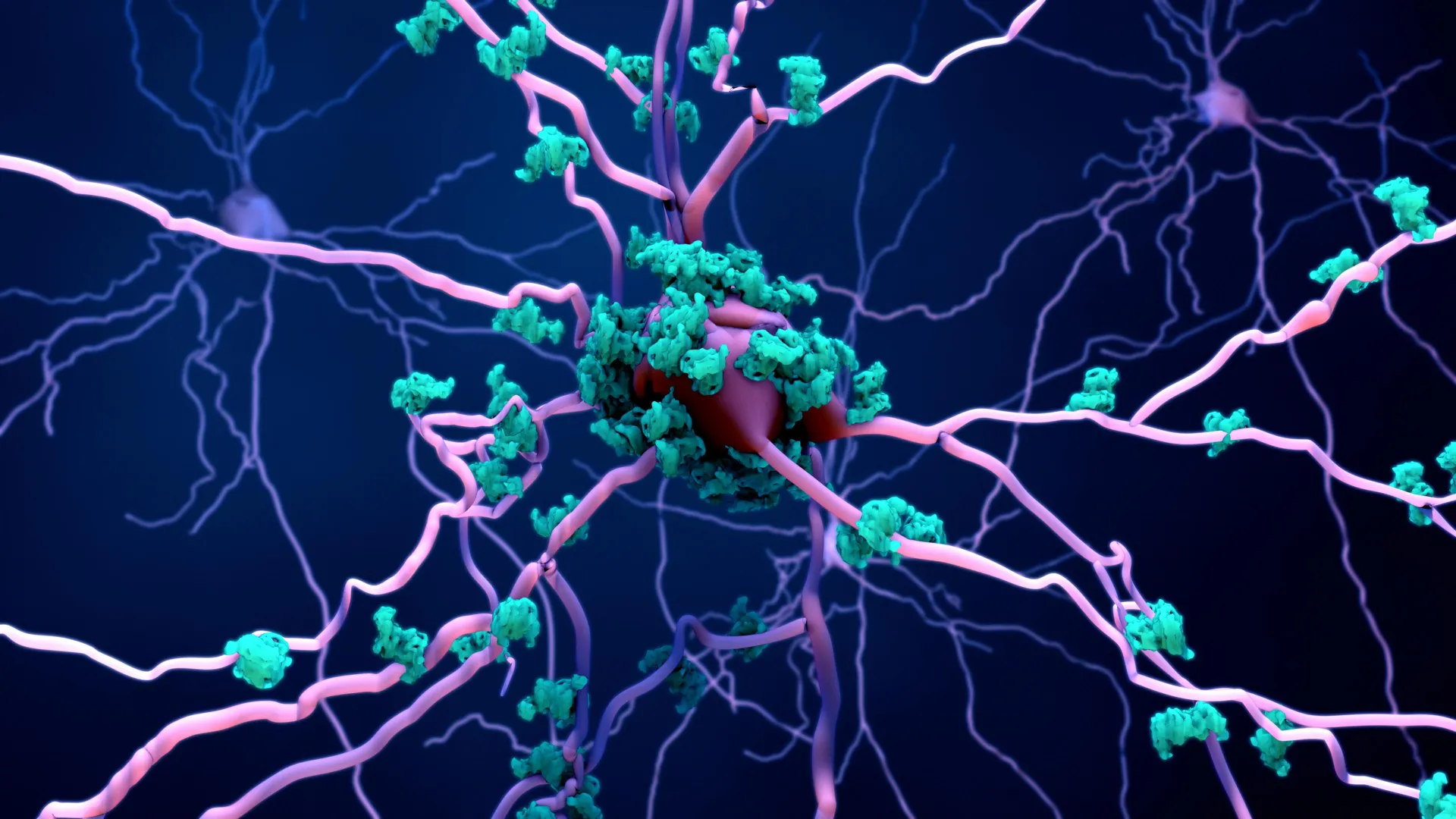
A multidisciplinary research team at ETH Zurich has announced the discovery of a novel experimental substance, currently designated as Compound 10, which demonstrates significant potential in slowing the progression of Alzheimer’s disease. In a study published in the peer-reviewed journal Cell Reports Medicine, researchers revealed that this compound targets a previously overlooked biological pathway, effectively reducing nerve cell loss and extending the lifespan of animal models. Unlike current treatments that primarily focus on clearing existing protein plaques, Compound 10 intervenes in the cellular mechanics that lead to mitochondrial failure and neuronal death, offering a fresh perspective on a disease that has long eluded a definitive cure.
The discovery is the culmination of nearly two decades of rigorous investigation led by Ursula Quitterer, Professor of Molecular Pharmacology at ETH Zurich. The research provides a compelling case for a new therapeutic target: the G protein-coupled receptor kinase 2, or GRK2. By stabilizing this protein and preventing its harmful accumulation, Compound 10 appears to break the destructive cycle that characterizes the early and middle stages of Alzheimer’s pathology.
The Role of GRK2 in Neurodegeneration
The foundation of this breakthrough lies in the study of GRK2, a regulatory protein found throughout the human body. Under healthy conditions, GRK2 is essential for cellular signaling and stress adaptation, particularly in high-energy organs like the heart and the brain. However, the ETH Zurich team discovered that in the context of Alzheimer’s disease, this protein undergoes a pathological transformation.
Inside the cells, GRK2 exists in two primary states: an active, functional form and an inactive form produced through specific cellular processes. The researchers found that in the brains of patients suffering from dementia, as well as in mouse models of the disease, the inactive version of GRK2 accumulates in excessive amounts. Rather than being cleared by the cell’s natural waste-management systems, these inactive proteins begin to clump together, forming aggregates.
These aggregates pose a direct threat to the cell’s survival by migrating to the mitochondria—the organelles responsible for producing the chemical energy (ATP) required for nerve cells to function. Professor Quitterer noted that these GRK2 clusters effectively "plug" the pores of the mitochondria. This blockage prevents the organelles from regulating energy flow and managing cellular stress, leading to a state of chronic energy deficiency and eventual cell death.
Identifying a Vicious Cycle of Pathology
One of the most significant findings of the ETH Zurich study is the link between GRK2 aggregates and amyloid beta, the protein fragment long considered a hallmark of Alzheimer’s disease. For decades, the "amyloid hypothesis" has dominated research, suggesting that the buildup of amyloid plaques is the primary driver of the disease. However, the ETH Zurich team’s research suggests a more complex, reciprocal relationship.
The accumulation of inactive GRK2 appears to stimulate the production of amyloid beta. In turn, the presence of amyloid beta increases the level of oxidative stress within the nerve cells, which triggers the formation of even more inactive GRK2. This creates a self-sustaining "vicious cycle" of neurodegeneration. As the mitochondria become increasingly compromised and amyloid levels rise, the brain’s ability to maintain cognitive function rapidly declines.
Compound 10 was specifically designed to interrupt this cycle. By preventing GRK2 molecules from aggregating, the compound ensures that mitochondria remain unobstructed. This stabilization not only preserves the energy supply to the neurons but also leads to a secondary reduction in the production of harmful amyloid beta deposits.
Experimental Results and Observed Benefits
The efficacy of Compound 10 was tested extensively in mouse models engineered to develop Alzheimer’s-like symptoms. The results were multifaceted, showing improvements not only in neurological health but also in systemic markers of aging.
In the treated mice, the researchers observed a marked reduction in nerve cell loss compared to the control group. Because the neurons remained functional for longer periods, the treated animals exhibited improved longevity. Beyond the brain, the compound appeared to provide protective benefits to the cardiovascular system, enhancing heart function which often declines in tandem with neurodegenerative conditions.
An unexpected but notable observation involved the physical signs of aging. The researchers found that mice treated with Compound 10 developed significantly fewer gray hairs as they aged compared to their untreated counterparts. While the cosmetic implications are secondary to the cognitive benefits, this observation suggests that the compound may have a broader impact on systemic mitochondrial health and the biological processes associated with senescence.
A Two-Decade Chronology of Research
The path to discovering Compound 10 was neither short nor direct. The project began approximately 20 years ago, sparked by a collaboration between ETH Zurich and Ain Shams University Hospital in Cairo. Professor Quitterer received brain tissue samples from patients who had undergone tumor surgeries, including individuals with and without dementia.
These human tissue samples allowed the team to observe the real-world behavior of GRK2 in the human brain, confirming that the protein’s inactivation and aggregation were not merely artifacts of laboratory models but were present in human pathology. The timeline of the research highlights the inherent difficulties in studying age-related diseases:
- Early 2000s: Initial acquisition of human brain tissue samples and identification of GRK2 as a protein of interest in dementia.
- 2010–2015: Extensive mapping of the GRK2 inactivation process and the discovery of its impact on mitochondrial pores.
- 2016–2020: Development of various experimental substances designed to inhibit GRK2 aggregation. Compound 10 emerges as the most promising candidate.
- 2021–2023: Long-term trials in aging mouse models. These trials required nearly two years each to allow the mice to reach the advanced age necessary for Alzheimer’s symptoms to manifest.
- 2024: Publication of findings in Cell Reports Medicine and the filing of a patent application for Compound 10.
Professor Quitterer emphasized that the slow pace of the research was a necessity of the field. "It’s all a great deal slower than in cancer research," she explained, noting that researchers must wait for the natural aging process of the subjects to observe the long-term effects of both the disease and the treatment.
Contextualizing Compound 10 in the Current Medical Landscape
The discovery of Compound 10 arrives at a pivotal moment in Alzheimer’s research. For years, the medical community has relied on drugs that either manage symptoms (such as cholinesterase inhibitors) or attempt to clear amyloid plaques from the brain (such as recently approved monoclonal antibodies). While these newer treatments represent progress, they often offer only modest delays in progression and can be associated with significant side effects, including brain swelling and micro-hemorrhages.
Compound 10 represents a shift toward "neuroprotection"—the effort to keep cells alive and functional by maintaining their internal health rather than just cleaning up external debris. By targeting the mitochondria and the GRK2 protein, the ETH Zurich team is addressing the "bioenergetic crisis" that many scientists believe is the true precursor to cognitive decline.
Medical analysts suggest that if Compound 10 successfully transitions to human trials, it could be used as a monotherapy or, more likely, in combination with existing amyloid-clearing drugs. A "cocktail" approach, similar to treatments for HIV or certain cancers, could target the disease from multiple angles: clearing plaques while simultaneously bolstering the internal resilience of the nerve cells.
Challenges and the Path to Human Trials
Despite the promising results in animal models, the transition from mice to men is a significant hurdle. Many compounds that show success in the lab fail in human clinical trials due to differences in metabolism, the complexity of the human blood-brain barrier, or unforeseen side effects.
Currently, ETH Zurich is seeking industrial partners to license the patent and provide the substantial funding required for clinical development. The next steps will involve:
- Toxicology Studies: Ensuring that long-term use of Compound 10 does not interfere with other essential functions of GRK2 in the body.
- Pharmacokinetics: Determining how the drug is absorbed and how effectively it crosses the human blood-brain barrier.
- Phase I Clinical Trials: Testing the safety of the compound in a small group of human volunteers.
The economic implications are also vast. With the global number of people living with dementia expected to rise to 139 million by 2050, the demand for effective treatments is at an all-time high. A drug that can successfully slow the progression of the disease could save healthcare systems billions of dollars in long-term care costs.
Conclusion and Future Outlook
The identification of GRK2 as a major contributor to dementia and the development of Compound 10 mark a significant milestone for ETH Zurich and the broader scientific community. By focusing on the structural integrity of mitochondria and the prevention of protein aggregation at a molecular level, this research offers a new strategy for combatting a disease that has devastated millions of families worldwide.
While Professor Quitterer and her team remain cautious, the data suggests that they have unlocked a critical piece of the Alzheimer’s puzzle. As the search for a partner to advance the drug continues, the focus remains on the ultimate goal: turning twenty years of laboratory success into a tangible treatment that can improve the quality of life for those facing the onset of dementia. The road ahead is long, but for the first time in years, the path toward a multi-targeted approach to Alzheimer’s therapy appears clearer.