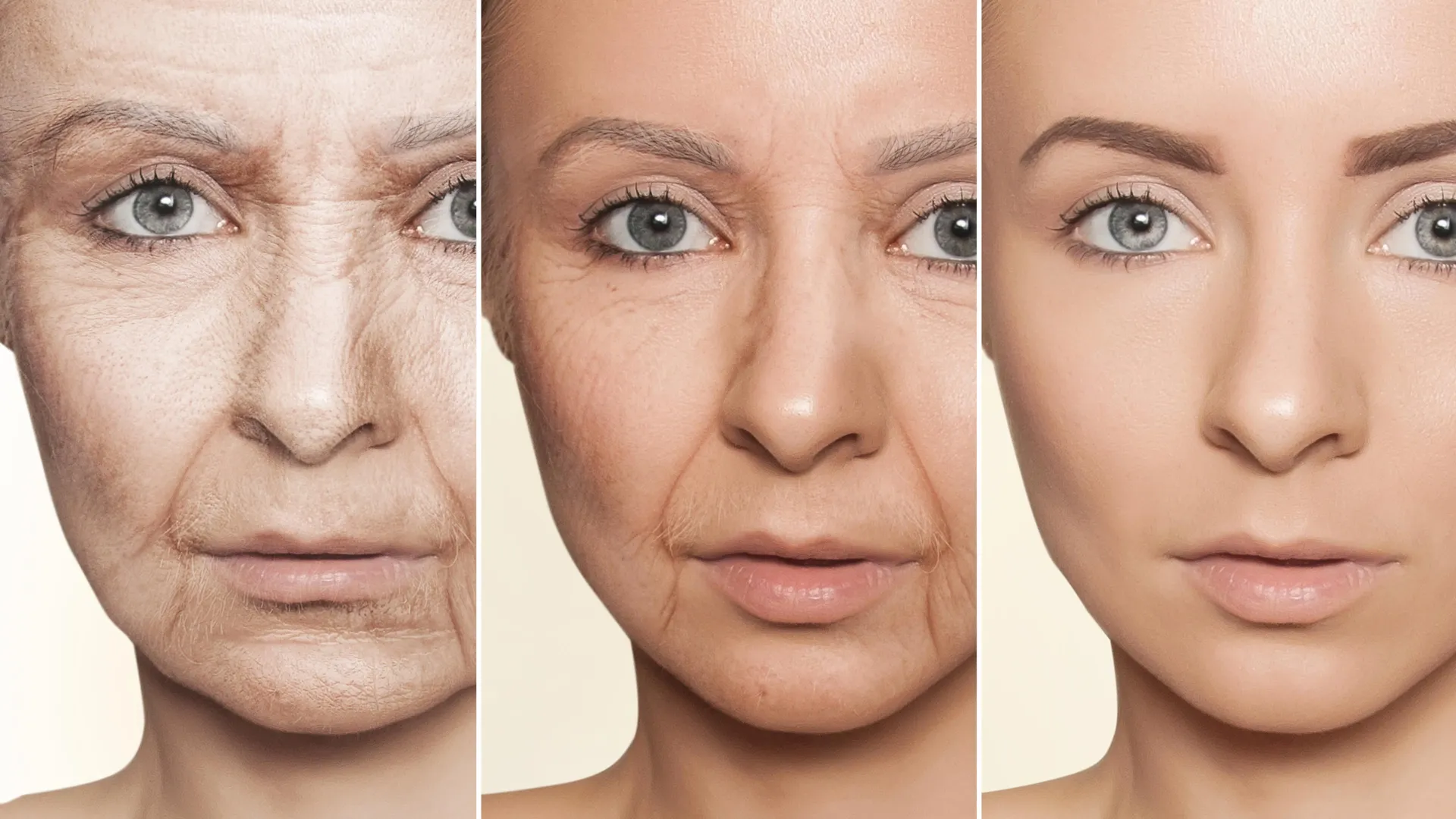
For decades, the prevailing scientific and social narrative surrounding the aging process has been one of inevitable decline, characterized by a steady erosion of both mental acuity and physical vitality. However, groundbreaking research from the Yale School of Public Health has fundamentally challenged this "deficit model" of aging, revealing that a significant portion of the older population actually experiences measurable improvements in their functional abilities over time. The study, led by renowned psychologist and gerontologist Becca R. Levy, suggests that the trajectory of later life is far more dynamic than previously understood, and that an individual’s psychological outlook on aging may be a primary driver of these unexpected gains.
The research, published in the peer-reviewed journal Geriatrics, utilized over a decade of data to demonstrate that nearly half of adults aged 65 and older achieved improvements in cognitive or physical function. This finding suggests that the human body and mind possess a "reserve capacity" for recovery and growth well into the eighth and ninth decades of life. By shifting the focus from population averages to individual trajectories, the Yale team has uncovered a hidden pattern of resilience that could redefine public health strategies and societal attitudes toward the elderly.
Methodology and the Scope of the Health and Retirement Study
To reach these conclusions, the research team analyzed a massive dataset from the Health and Retirement Study (HRS), a nationally representative, longitudinal survey of older Americans supported by the National Institute on Aging and the Social Security Administration. The study followed more than 11,000 participants over a 12-year period, providing a robust statistical foundation for observing long-term trends in health and capability.
The researchers focused on two primary metrics of functional health: global cognitive function and physical walking speed. Cognitive function was measured through a standardized series of assessments designed to evaluate memory, orientation, and executive processing. Physical function was assessed through gait speed, a metric often referred to by geriatricians as the "sixth vital sign." Walking speed is considered a critical indicator of overall health in older adults because it integrates multiple systems, including neurological health, muscular strength, and cardiovascular endurance. It is also a highly accurate predictor of future disability, hospitalization, and mortality.
By tracking these specific metrics over more than a decade, the researchers were able to see beyond temporary fluctuations, identifying sustained periods of improvement that lasted years. This longitudinal approach is significant because it allows scientists to distinguish between short-term recovery from acute illness and long-term upward trajectories in functional health.
Key Statistical Findings: A New Perspective on Resilience
The results of the study were striking in their departure from conventional wisdom. When analyzing the data, the researchers found that 45% of the participants showed measurable improvement in at least one of the two areas examined—cognition or physical function.
Breaking the data down further, the study revealed that approximately 32% of participants experienced cognitive improvements, while 28% saw gains in their physical function. These were not merely minor statistical anomalies; in many cases, the improvements were large enough to be categorized as "clinically meaningful," meaning they resulted in a noticeable difference in the individual’s daily life and independence.
Furthermore, when the researchers included participants who remained stable—meaning they did not decline—the results were even more encouraging. More than half of the study’s participants successfully avoided the cognitive deterioration that is often assumed to be a mandatory part of the aging process.
Professor Becca Levy noted that these positive trends are frequently obscured by traditional data analysis methods. When researchers look only at the average performance of a large group of older adults, the downward trend of those suffering from severe degenerative diseases often masks the upward progress of others. By focusing on individual trajectories, the Yale study highlights that decline is not a universal experience, but rather one of several possible paths.
The Psychological Catalyst: Stereotype Embodiment Theory
A central component of the Yale research was investigating why certain individuals improved while others declined. The researchers hypothesized that "age beliefs"—the internal attitudes and stereotypes an individual holds about growing older—might play a decisive role. This hypothesis is rooted in Levy’s "Stereotype Embodiment Theory," which posits that the age-related stereotypes people absorb from their culture and environment are eventually internalized and transformed into physical health outcomes.
The analysis confirmed a strong correlation: older adults who held more positive beliefs about aging at the start of the study were significantly more likely to show improvements in both cognitive performance and walking speed. This relationship remained statistically significant even after the researchers adjusted for other variables, such as age, sex, level of education, existing chronic diseases, depression, and the length of the follow-up period.
Levy’s previous work has already established that negative age stereotypes can have tangible biological consequences. Her past studies have linked pessimistic views of aging to poorer memory performance, increased cardiovascular stress, and even the presence of biomarkers associated with Alzheimer’s disease. This latest study provides the "flip side" of that coin, suggesting that positive beliefs can act as a protective factor and a catalyst for functional gains.
The Chronology of Aging Research and the Shift to Neuroplasticity
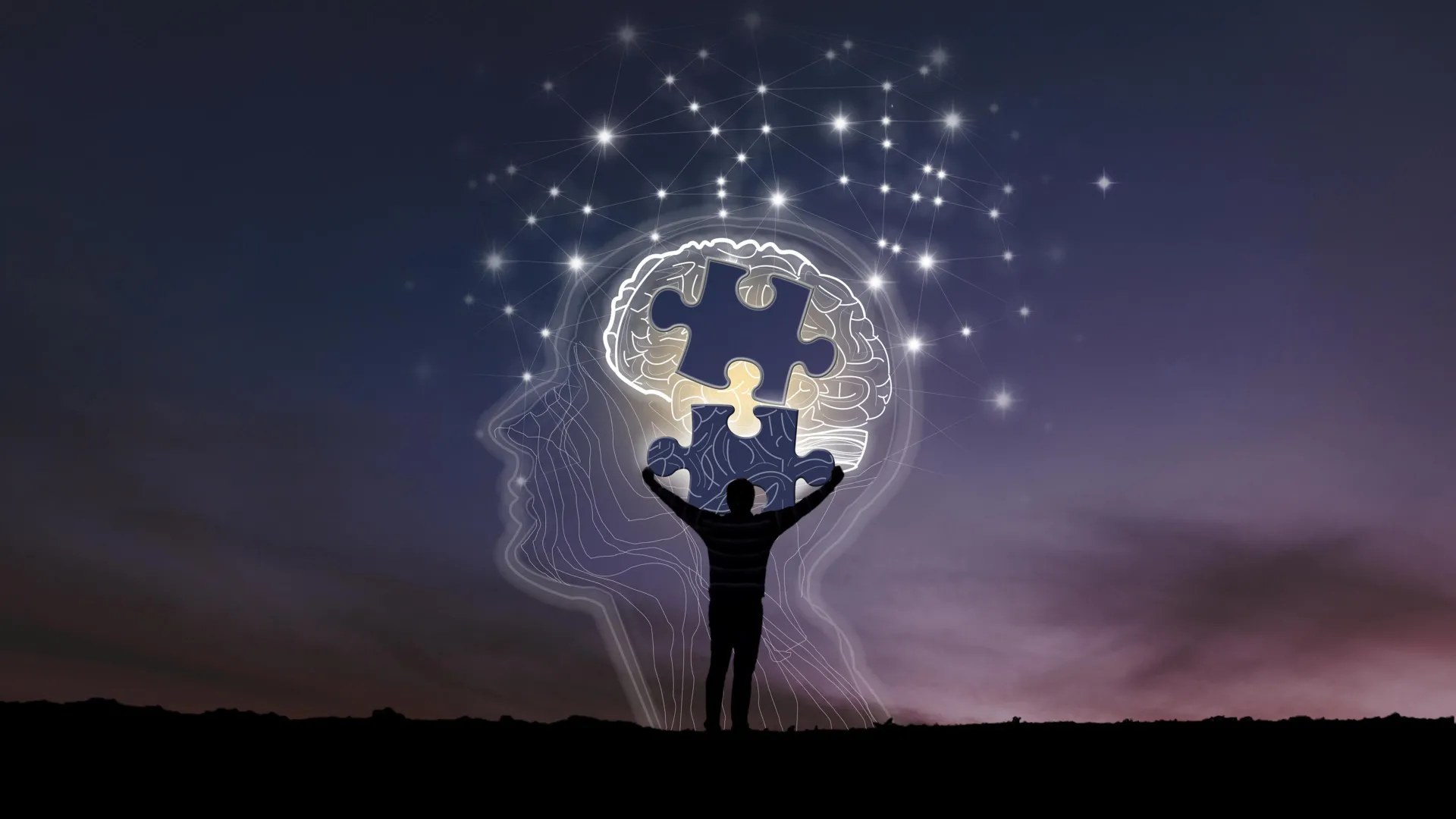
The Yale study arrives at a time of shifting paradigms within the field of gerontology. For much of the 20th century, the scientific community operated under the assumption that the adult brain was relatively "hard-wired" and that physical decline was a one-way street. However, the discovery of neuroplasticity—the brain’s ability to form new neural connections throughout life—began to change this outlook in the late 1990s and early 2000s.
The timeline of this research reflects a growing interest in "successful aging." In the early 2000s, studies began to show that exercise and cognitive training could slow decline. By the 2010s, research like Levy’s began to explore the socio-psychological factors that influence these biological processes. The current study represents a culmination of this work, moving the conversation from "slowing decline" to "achieving improvement."
This shift in understanding is supported by other recent findings in the field of epigenetics, which suggest that lifestyle factors and environmental influences—including psychological state—can influence gene expression. The Yale findings provide a macro-level view of how these microscopic biological processes manifest in the lived experience of thousands of older Americans.
Broader Implications for Public Health and Social Policy
The implications of the Yale study extend far beyond the laboratory, suggesting a need for a fundamental overhaul of how society approaches aging. If functional improvement is common and influenced by modifiable beliefs, then ageism is not just a social justice issue, but a public health crisis.
Public health experts and geriatricians suggest several key areas where these findings should influence policy:
- Combating Ageism: Because positive age beliefs are linked to better health, societal efforts to reduce ageist stereotypes in media, advertising, and the workplace could have a direct impact on the health and independence of the older population. Reducing the prevalence of "deficit-based" narratives about aging may help individuals maintain their "reserve capacity" for longer.
- Clinical Interventions: Healthcare providers could incorporate assessments of age beliefs into routine geriatric care. Interventions designed to help older adults identify and challenge negative self-stereotypes could become a standard part of rehabilitation and wellness programs.
- Preventive Care and Rehabilitation: The finding that even those with "normal" function can improve suggests that preventive care and physical therapy should not be reserved only for those who have suffered a major health event. Programs that encourage strength training, cognitive engagement, and social participation should be framed as opportunities for growth rather than just maintenance.
- Economic Impact: As the global population ages, the "Silver Tsunami" is often discussed in terms of the economic burden of care. However, if a significant portion of the older population can improve or maintain their function, the narrative shifts. Older adults who remain functionally healthy can continue to contribute to their communities and economies, potentially reducing long-term healthcare costs associated with disability.
Conclusion and Future Directions
The Yale study, supported by the National Institute on Aging and co-authored by Martin Slade of the Yale School of Medicine, serves as a powerful rebuttal to the fatalism often associated with the later stages of life. By demonstrating that nearly half of older adults experience functional gains, the research provides a scientific basis for hope and a roadmap for future interventions.
The researchers emphasize that age beliefs are "modifiable." Unlike genetic predispositions, the way an individual thinks about aging can be changed through education, mindfulness, and exposure to positive role models. This opens a new frontier in geriatric medicine where the mind is treated as a vital tool in the maintenance and improvement of the body.
As the scientific community continues to explore the mechanisms behind this "reserve capacity," the message for the public is clear: the story of aging is not a pre-written script of decline. For many, the later years can be a period of resilience, recovery, and unexpected growth, driven by a combination of biological potential and a positive psychological outlook. The challenge now lies in translating these findings into a societal framework that supports and encourages the potential for improvement in every stage of life.