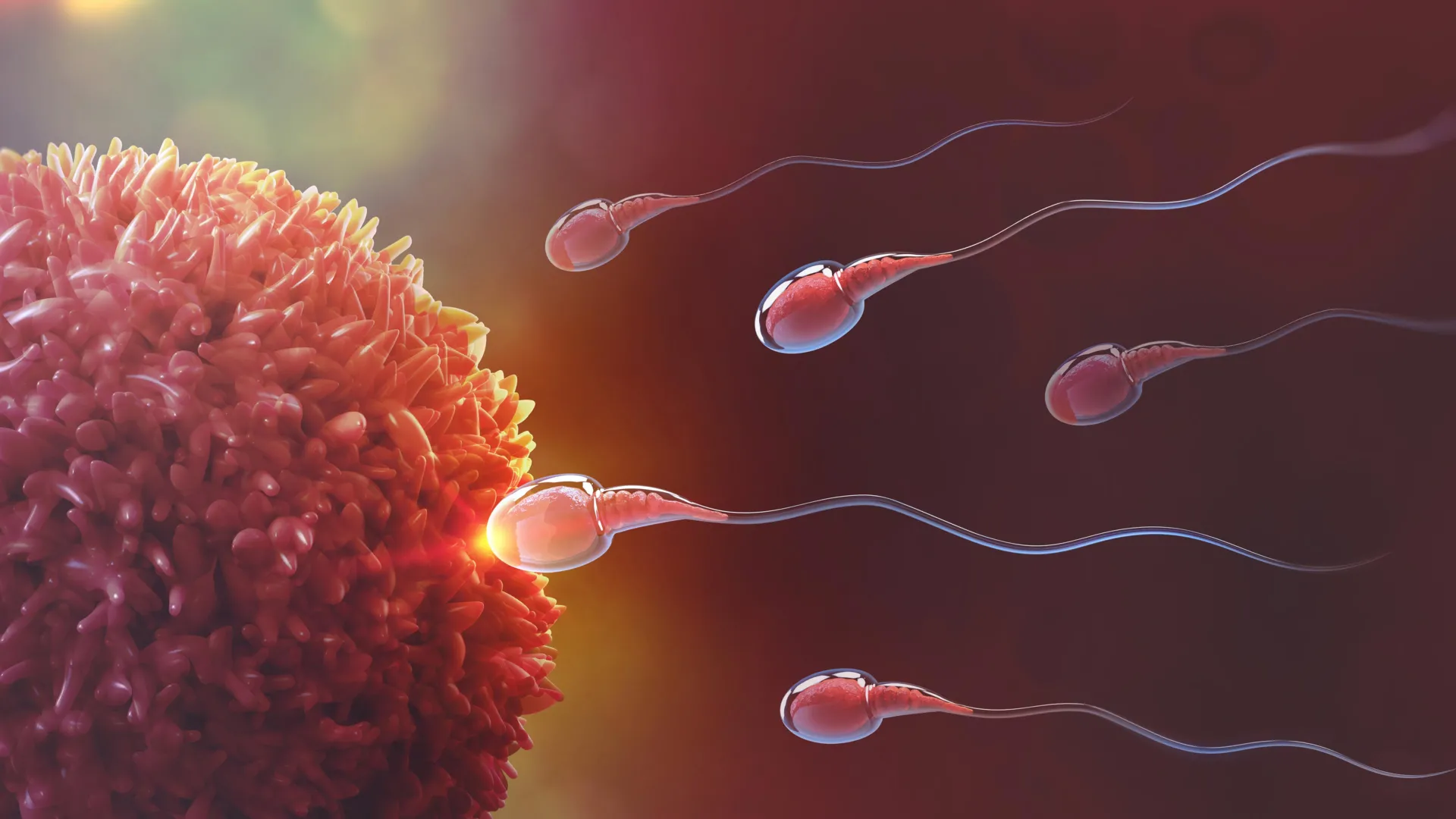
In a significant advancement for reproductive biotechnology, a research team at the University of Illinois Urbana-Champaign has successfully documented a transformative method to select viable sperm and sustain their longevity within a laboratory setting. This breakthrough, which mimics the natural protective environment of the female reproductive tract, addresses one of the most persistent challenges in in vitro fertilization (IVF): the rapid degradation of sperm quality once removed from the body. By utilizing specific complex sugars known as glycans, the researchers have created a platform that not only identifies the most robust sperm cells but also extends the window of time during which fertilization can occur, potentially revolutionizing both human reproductive medicine and global animal agriculture.
The Biological Inspiration: Mimicking the Oviduct
The success of any IVF procedure is fundamentally tied to the health and timing of the gametes involved. In natural conception, the fallopian tube—referred to as the oviduct in many animal species—serves as more than just a conduit for eggs and sperm. It acts as a sophisticated biological reservoir. For decades, scientists have observed that the oviduct possesses a unique ability to bind sperm and maintain its viability for several days, ensuring that live sperm are present when ovulation occurs. However, replicating this "storage" function in a laboratory dish has proven notoriously difficult.
David Miller, a professor in the Department of Animal Sciences at the University of Illinois and the senior author of the study, noted that the key to this longevity lies in the molecular interface between the sperm and the oviductal lining. In 2020, Miller’s team identified that glycans—complex carbohydrate chains—are the primary components responsible for capturing and preserving sperm cells within the oviduct. This discovery laid the groundwork for the current study, which sought to isolate a specific glycan that could be synthesized and applied to IVF protocols to stabilize sperm viability outside the body.
Identifying suLeX: The Molecular Anchor
To translate their 2020 discovery into a practical tool, Miller’s group collaborated with specialist chemists to screen hundreds of different oviductal glycans. Their objective was to find a molecule with a high affinity for binding sperm without damaging the cell membrane or inhibiting its eventual ability to fertilize an egg. After extensive testing, the team identified a specific trisaccharide known as sulfated Lewis X, or suLeX.
The researchers focused their primary testing on porcine (pig) sperm. This choice was strategic for two reasons. First, the pig reproductive system serves as an excellent biological model for human reproductive processes due to various physiological similarities. Second, the swine industry is a major stakeholder in IVF technology. In modern animal agriculture, the ability to produce high-quality embryos in vitro is essential for the rapid dissemination of superior genetics, which improves meat and dairy production efficiency.
One of the most significant hurdles in pig IVF is a phenomenon known as polyspermy. In a natural setting, the oviduct regulates the number of sperm that reach the egg, usually ensuring that only one sperm penetrates the outer layer. In a standard IVF dish, however, eggs are often overwhelmed by a high concentration of free-swimming sperm, leading to multiple sperm fertilizing a single egg. This results in inviable embryos with an abnormal number of chromosomes. The researchers hypothesized that by using suLeX to "anchor" sperm to a surface, they could create a controlled release or a more selective interaction, thereby reducing the incidence of polyspermy.
Experimental Methodology and Chronology
The study, published in the journal Scientific Reports, detailed a precise experimental timeline designed to test both the binding efficiency and the long-term viability of the sperm. The researchers coated the bottom of glass culture dishes with suLeX droplets. Sperm were then introduced to these dishes and given a 30-minute window to adhere to the glycan compounds.
A critical component of this methodology was the ability to "wash away" any sperm that did not bind to the suLeX. This left only the sperm that had successfully interacted with the glycan—presumably the healthiest and most "compatible" cells—anchored to the dish. To test the longevity of these bound cells, the researchers introduced eggs at four distinct intervals: 0, 6, 12, and 24 hours after the sperm had been anchored.
This chronological approach allowed the team to measure how the "fertile window" changed over time compared to traditional IVF methods, where sperm are simply mixed with eggs in a liquid medium without any protective binding agents.
Data Analysis: A Significant Leap in Efficiency
The results of the study provided clear evidence that suLeX-treated environments outperformed traditional methods across all metrics. At the 0-hour mark—representing immediate fertilization—the IVF efficiency (defined as the ratio of successfully fertilized zygotes to the total number of eggs) was 53% for the suLeX group. In contrast, the control group, which used a standard medium with no oviductal compounds, achieved only a 36% efficiency rate. Two other alternative control compounds were also tested, both yielding approximately 40% efficiency, further highlighting the specific effectiveness of suLeX.
The most striking data emerged from the delayed fertilization trials. As time progressed, the viability of sperm in all groups naturally declined, but the rate of decline was significantly slower in the suLeX-treated dishes.
- At 12 hours: The suLeX-bound sperm maintained a fertilization rate that far exceeded the control groups.
- At 24 hours: In the control group with no glycans, fertilization rates plummeted to a mere 1%, effectively ending the window of opportunity. However, the sperm bound to suLeX maintained a 12% fertilization rate.
While 12% may seem modest, in the context of reproductive biology, a twelve-fold increase in viability at the 24-hour mark is a monumental improvement. It suggests that the glycan environment provides a "slow-release" or "preservation" effect that keeps sperm functional long after they would have normally perished in a standard laboratory culture.
Solving the Polyspermy Problem
Beyond longevity, the suLeX platform addressed the issue of polyspermy. By anchoring the sperm to the glycan-coated surface, the researchers were able to reduce the density of free-swimming sperm that could simultaneously attack the egg.
"Because the sperm were bound securely to the glycan compound, we could reduce the overall number of sperm, which meant fewer cases where more than one sperm fertilized the eggs," David Miller explained. This precision is vital for the livestock industry, where the goal is to produce the highest number of healthy, viable embryos from a limited supply of high-value genetic material. By minimizing the "wastage" caused by polyspermy, producers can achieve better outcomes with lower sperm concentrations.
Implications for Animal Agriculture and Global Food Security
The practical applications for animal agriculture are immediate and economically significant. The dairy and beef industries increasingly rely on IVF to propagate cattle with "high-genetic-merit." These are animals bred for traits such as higher milk yield, better disease resistance, and more efficient feed conversion.
"There are companies, especially related to dairy cattle, that use IVF to produce and sell high-genetic-merit embryos that, after they are delivered, will produce milk more efficiently," Miller stated. By improving the success rate of these IVF procedures, the technology contributes to a more sustainable and efficient food supply chain. As global demand for protein increases, the ability to produce meat and milk with fewer resources—facilitated by superior genetics and better reproductive success—becomes a critical component of agricultural strategy.
Future Directions: The Human IVF Connection
While the current study focused on porcine models, the ultimate goal for many in the field is the application of glycan-IVF to human reproductive medicine. Human IVF is often plagued by "timing mismatches." For a successful pregnancy, both the egg and the sperm must be at a specific stage of maturation. However, eggs harvested from a patient may not always be ready for fertilization at the exact moment the sperm sample is prepared.
"Both eggs and sperm have to undergo a maturation phase before they’re ready for fertilization, so the timing is critical," Miller noted. "There’s variability in the time it takes sperm to complete their final major maturation step."
Currently, if sperm are ready but the eggs are not, the sperm may lose their potency before the eggs reach maturity. Conversely, if eggs are ready and sperm are not yet fully capacitated, the window may be missed. By using human-specific glycans to "store" sperm in the IVF dish, clinicians could potentially hold the sperm in a state of "suspended animation" or preserved readiness, waiting for the eggs to reach the optimal maturation point.
The researchers have not yet identified the specific glycans that bind human sperm with the same efficacy that suLeX binds pig sperm. Identifying these molecules is the next major frontier for the UIUC team. Once identified, the process of "glycan-IVF" could significantly increase the success rates of human fertility treatments, reducing the emotional and financial burden on patients who often undergo multiple rounds of expensive procedures.
Conclusion and Research Context
The study, titled "Porcine sperm bind to an oviduct glycan coupled to glass surfaces as a model of sperm interaction with the oviduct," represents a bridge between basic molecular biology and applied reproductive technology. Supported by the Eunice Kennedy Shriver National Institute of Child Health and Human Development, the research underscores the importance of interdisciplinary collaboration, involving animal scientists, genomic biologists, and chemists.
As the team moves forward, the focus will shift to clinical validation and the identification of the human glycan counterpart. If successful, the transition from suLeX in pigs to a human-equivalent glycan could redefine the standards of care in fertility clinics worldwide. For now, the University of Illinois has provided a robust proof of concept: that by looking to the natural wisdom of the oviduct, science can overcome the artificial limitations of the laboratory dish, giving life a better chance to begin.