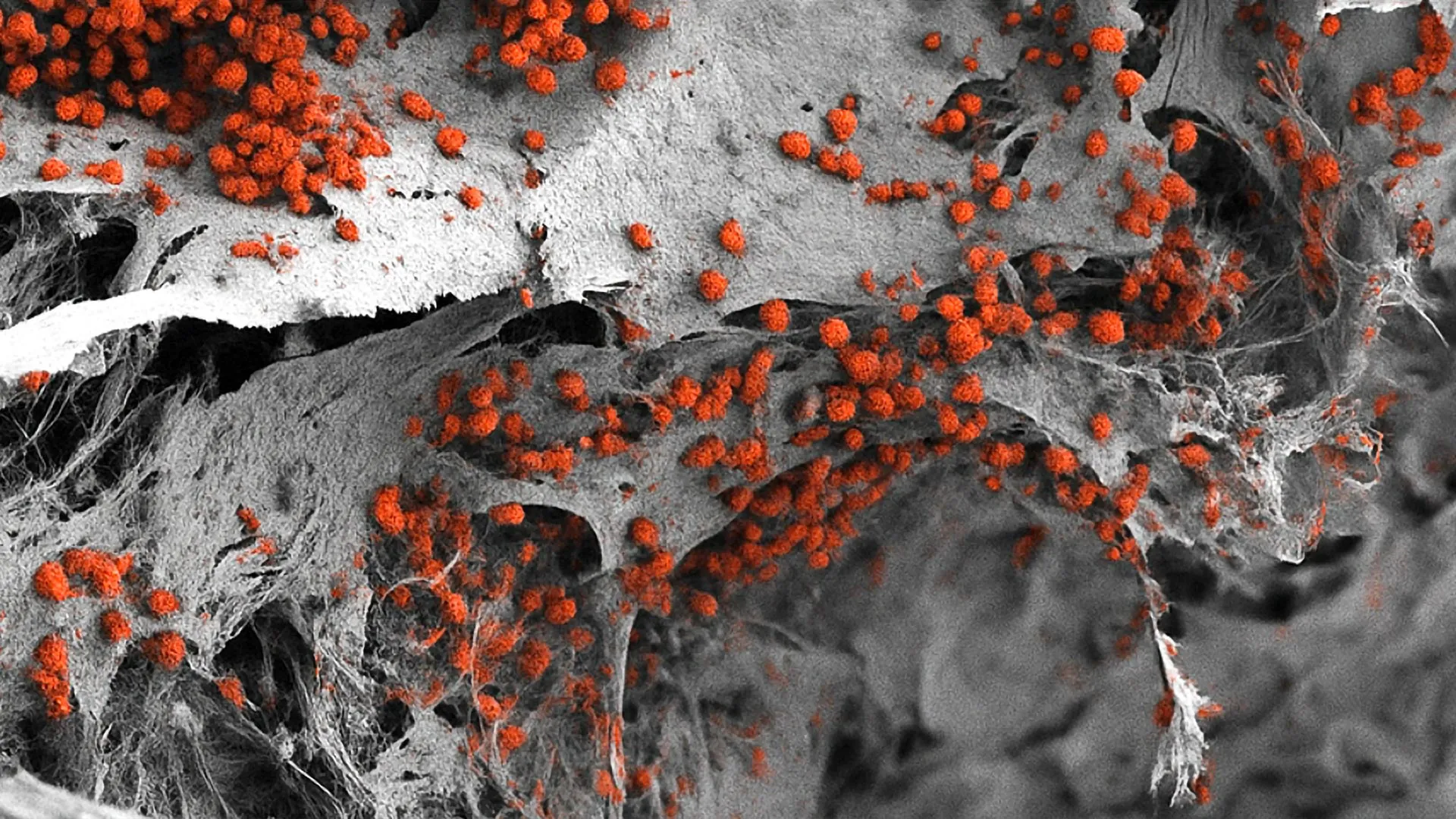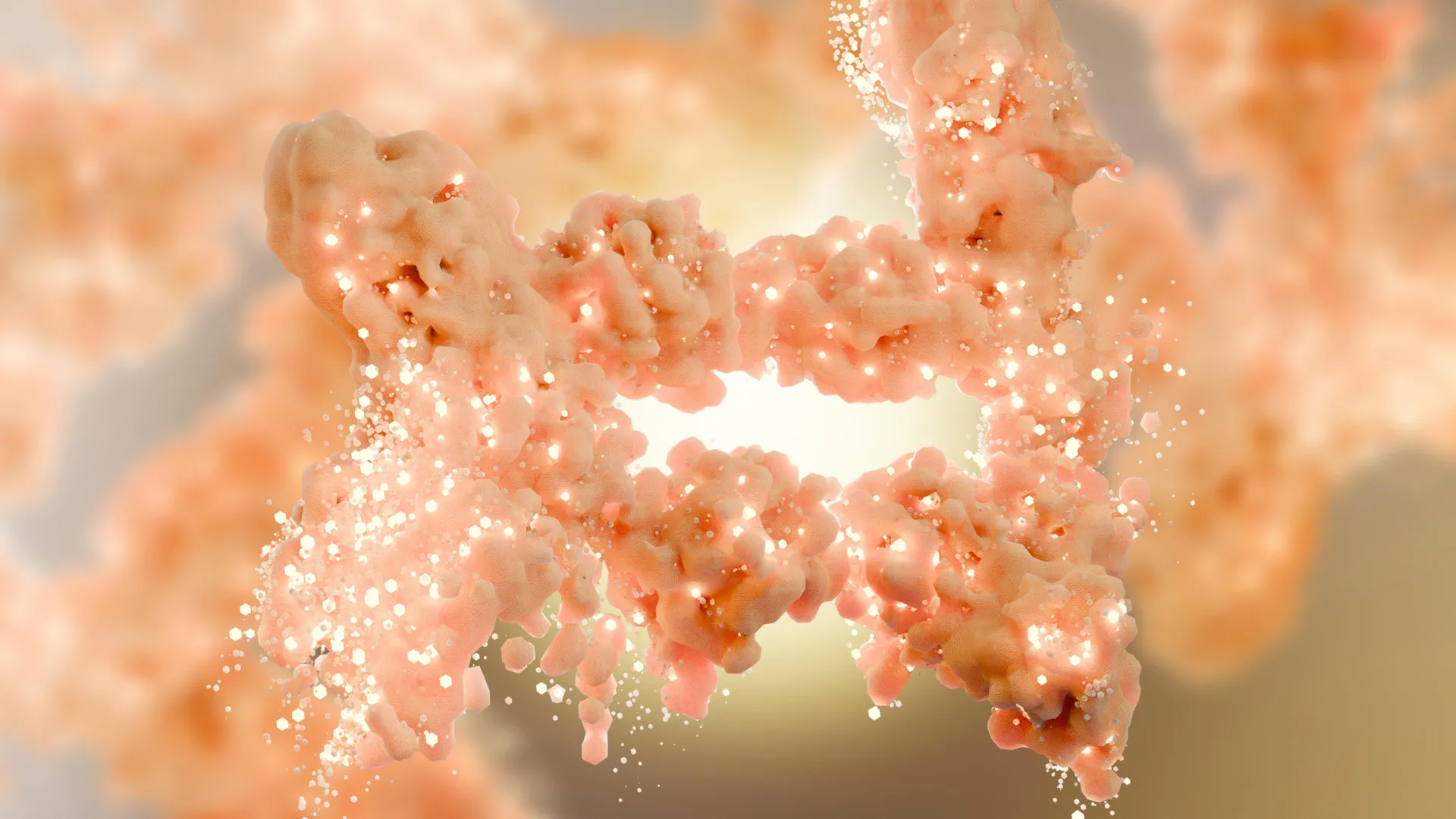
In a landmark study that could redefine the clinical approach to metabolic bone diseases, a team of researchers led by Professor Tomoki Nakashima at the Institute of Science Tokyo has identified a specific protein, Fam102a, as a master regulator of bone remodeling. The discovery, published in the journal Nature Communications on January 2, 2025, reveals that this protein plays a dual role in managing both the formation and resorption of bone tissue. By facilitating the movement of critical transcription factors into the cell nucleus, Fam102a ensures the structural integrity of the human skeleton, and its absence has been directly linked to the development of osteoporosis-like conditions. This breakthrough provides a new molecular target for pharmaceutical interventions designed to treat bone fragility and joint-related disorders.
The Biological Equilibrium of Bone Remodeling
The human skeleton is far from a static structure; it is a dynamic, living tissue that undergoes constant renewal through a process known as bone remodeling. This cycle relies on a delicate balance between two primary cell types: osteoblasts, which are responsible for synthesizing new bone matrix, and osteoclasts, which break down old or damaged bone tissue. Under healthy conditions, these two processes are tightly coupled, ensuring that bone mass remains stable while the tissue is repaired and strengthened.
However, when this equilibrium is disrupted—either through excessive bone resorption or insufficient bone formation—the result is a systemic loss of bone density. This pathological state, most commonly recognized as osteoporosis, renders the skeleton porous and brittle, significantly increasing the risk of debilitating fractures. According to global health data, osteoporosis affects over 200 million people worldwide, contributing to millions of fractures annually, particularly among aging populations. Despite the prevalence of the condition, current therapeutic options are often limited to targeting either the osteoclasts or the osteoblasts, rather than addressing the underlying regulatory factors that control both simultaneously.
Identifying Fam102a: A Chronology of Discovery
The journey toward identifying Fam102a began with a fundamental question in skeletal biology: Are there common regulatory factors that govern the differentiation of both osteoclasts and osteoblasts? While science has long understood the separate pathways for these cells, the "bridge" connecting their development remained elusive.
Professor Tomoki Nakashima and his team at the Faculty of Dentistry, Institute of Science Tokyo, initiated a multi-year project involving advanced genetic screening and molecular analysis. The research team began by analyzing gene expression patterns in mice that possessed specific alterations in their DNA sequences. They focused on cells that lacked key transcription factors—proteins that act as "on/off" switches for genetic information.
By comparing the expression profiles of these cells, the researchers noticed a recurring pattern. The gene encoding "family with sequence similarity 102 member A," or Fam102a, was consistently central to the regulatory networks of both bone-forming and bone-dissolving cells. This initial observation led the team to hypothesize that Fam102a was not merely a bystander but a critical conductor of the bone remodeling symphony.
The Mechanism of Nuclear Trafficking and Molecular Interaction
Once Fam102a was identified as a key player, the research shifted toward understanding the "how" behind its function. The team employed a variety of laboratory techniques, including co-immunoprecipitation assays, to observe how Fam102a interacted with other proteins within the cell.
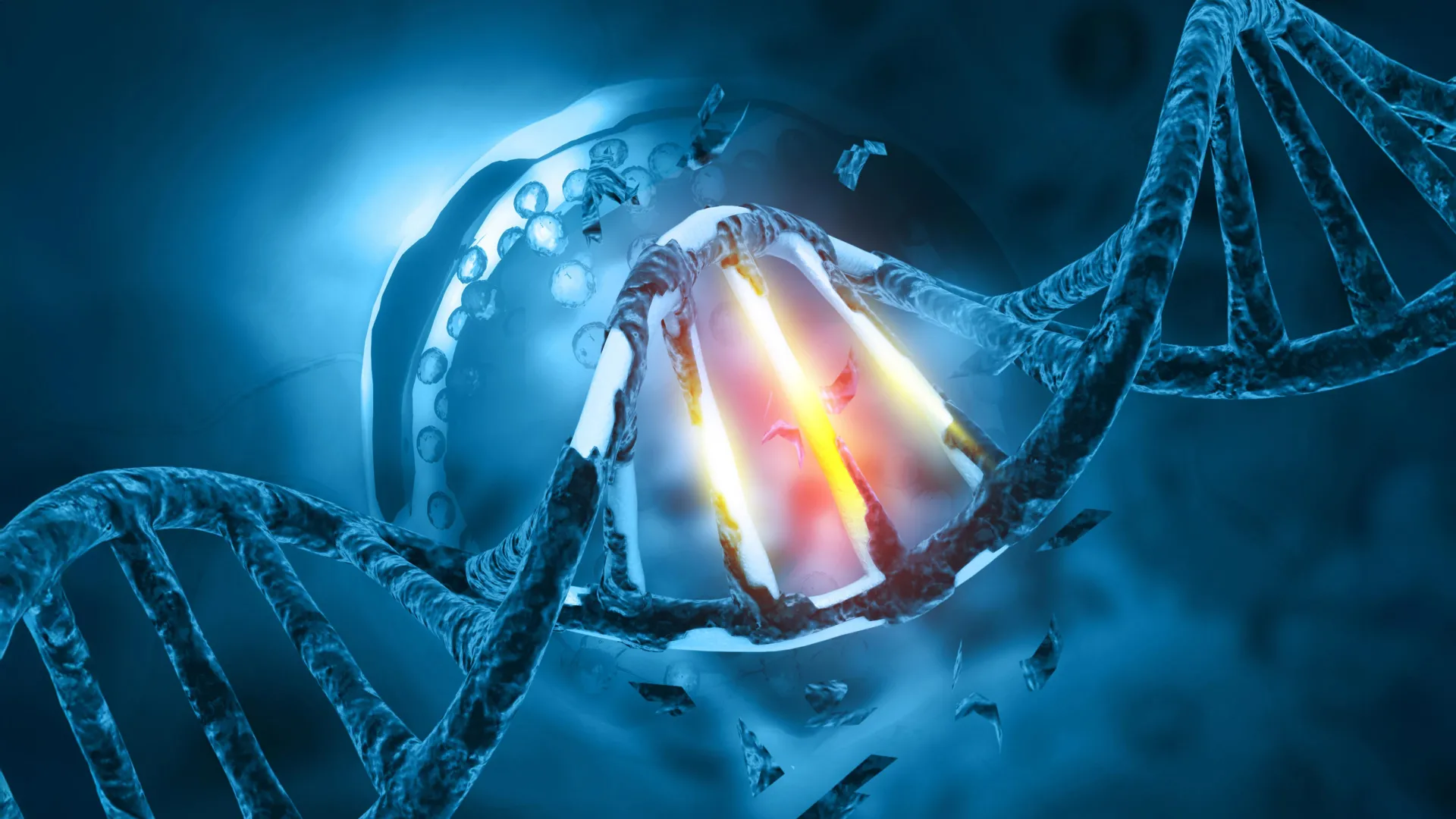
The study revealed that Fam102a acts as a facilitator for nuclear trafficking. For a cell to differentiate—meaning to change from a generic stem cell into a specialized osteoblast or osteoclast—certain "instruction" proteins called transcription factors must enter the cell’s nucleus. The researchers discovered that Fam102a binds with Kpna2 (karyopherin subunit alpha 2), a transport protein that acts as a shuttle across the nuclear membrane.
Specifically, the Fam102a-Kpna2 complex is essential for the localization of Runx2 (runt-related transcription factor 2), which is widely considered the "master regulator" of osteoblast differentiation. Without Fam102a to assist its transport into the nucleus, Runx2 cannot activate the genes necessary for bone formation, such as the Osterix protein.
Furthermore, the team identified another critical pathway involving Rbpjl (recombination signal binding protein for immunoglobulin κ J region-like). In cells lacking Fam102a, Rbpjl was found to be the most significantly downregulated transcription factor. This confirmed that the "Fam102a-Rbpjl axis" is a fundamental requirement for the maturation of bone cells.
Supporting Data from Genetic Models
To validate these molecular findings in a living organism, the researchers conducted experiments using Fam102a-deficient mice. The data gathered from these models provided striking evidence of the protein’s importance:
- Bone Volume Reduction: Mice lacking the Fam102a gene exhibited a significant decrease in trabecular bone volume, mimicking the micro-architectural deterioration seen in human osteoporosis patients.
- Impaired Differentiation: Histological analysis showed that both osteoblast and osteoclast activities were compromised. The lack of Fam102a did not just stop bone formation; it disrupted the entire remodeling cycle, leading to a net loss of bone mass.
- Genetic Correlation: The researchers found that the expression of Fam102a was directly proportional to the presence of other essential bone-regulating proteins, suggesting it sits near the top of the cellular hierarchy in bone health.
Professor Nakashima noted that the results were consistent across both laboratory-grown cell cultures and animal models, providing a robust foundation for the study’s conclusions. "Initially, we carried out in-depth analyses of gene expression patterns," Nakashima stated. "The gene expression profile in these cells… showed that the Fam102a gene was central to regulating both osteoclast and osteoblast differentiation."
Strategic Implications for Osteoporosis Therapy
The discovery of the Fam102a mechanism has profound implications for the future of pharmacology. Most current osteoporosis medications, such as bisphosphonates, primarily work by inhibiting osteoclasts to prevent bone loss. While effective, these drugs do not necessarily promote the growth of new, healthy bone. Conversely, anabolic agents that stimulate osteoblasts are often expensive and come with limitations on long-term use.
By targeting Fam102a, or the pathways it regulates (such as the Kpna2-Runx2 transport mechanism), scientists may be able to develop "dual-action" therapies. Such treatments could theoretically restore the natural balance of the remodeling process, encouraging the body to both repair damage and build new structural density simultaneously.
Health analysts and pharmaceutical experts suggest that this research could lead to the development of small-molecule drugs that mimic or enhance Fam102a activity. Furthermore, because the study highlights the importance of "nuclear trafficking"—the physical movement of proteins into the nucleus—it opens a new door for drug delivery systems that focus on intracellular transport rather than just surface-level receptor binding.
Broader Impact on Aging Populations and Public Health
The timing of this discovery is critical as global demographics shift toward an older population. The World Health Organization (WHO) has identified bone health as a primary pillar of "healthy aging," noting that hip fractures resulting from osteoporosis are a leading cause of loss of independence and increased mortality among the elderly.
The research from the Institute of Science Tokyo adds a vital piece to the puzzle of skeletal biology. It suggests that bone health is not just a matter of mineral intake or hormonal balance, but a complex logistical operation within the cell, where proteins like Fam102a ensure that the right "blueprints" reach the "construction site" (the nucleus) at the right time.
"Our study sheds light on the critical molecular interactions involved in the bone remodeling process," Professor Nakashima concluded. "This understanding can aid the development of innovative osteoporosis therapies that were previously unimaginable."
Future Directions in Research
While the discovery of Fam102a is a major milestone, the scientific community acknowledges that further research is required before these findings can be translated into clinical treatments for humans. The next phase of study will likely involve:
- Human Correlation Studies: Investigating whether variations in the human FAM102A gene are linked to bone density levels or fracture risks in different populations.
- Safety Profiling: Determining if enhancing Fam102a activity has any off-target effects on other tissues, as transcription factors often play roles in multiple biological systems.
- Drug Screening: Utilizing high-throughput screening to find chemical compounds that can modulate the Fam102a-Kpna2 interaction.
The publication of this study in Nature Communications marks the beginning of a new chapter in bone science. By identifying Fam102a as the engine behind the nuclear trafficking of bone-regulating proteins, Nakashima and his team have provided a map that could lead to more effective, holistic treatments for millions suffering from bone-related diseases. As the medical community moves toward personalized and molecular-based medicine, the "Fam102a axis" stands out as a promising frontier for the protection and restoration of the human skeleton.