The landscape of assisted reproductive technology (ART) may be on the verge of a profound transformation, driven by a recent bioengineering and reproductive biology breakthrough at the University of Illinois Urbana-Champaign. In vitro fertilization (IVF), a cornerstone of modern human fertility treatments and agricultural animal breeding alike, has long grappled with inherent biological variables that limit its absolute efficacy. Chief among these variables is sperm viability—the natural lifespan, motility, and functional capability of male gametes once introduced to the laboratory environment. A multidisciplinary team of researchers has successfully engineered a synthetic laboratory environment that replicates the natural conditions of the female reproductive tract, specifically mimicking the sperm-storing and lifespan-extending properties of the mammalian oviduct.
Published in the peer-reviewed journal Scientific Reports under the title Porcine sperm bind to an oviduct glycan coupled to glass surfaces as a model of sperm interaction with the oviduct, the study outlines a novel methodology for selecting, binding, and preserving viable sperm. Led by senior study author David Miller, a professor in the Department of Animal Sciences within the College of Agricultural, Consumer and Environmental Sciences (ACES) at the University of Illinois, the research bridges reproductive physiology and synthetic carbohydrate chemistry. By identifying and utilizing specific complex sugars native to the oviduct, the research team has managed to mitigate one of the most persistent hurdles in both human and veterinary IVF: the rapid degradation of sperm quality and the resulting high rates of polyspermy—a fatal developmental anomaly in which multiple sperm penetrate a single egg.
The Biological Inspiration: Mimicking Nature’s Storage System
For decades, reproductive scientists recognized a glaring discrepancy between the behavior of sperm inside the female reproductive tract and their behavior in standard laboratory glassware. In natural biological settings, the female oviduct—commonly known in humans as the fallopian tube—does not merely serve as a passive conduit through which gametes travel. Instead, the oviduct acts as a sophisticated microenvironment capable of capturing, storing, and sustaining sperm for extended periods, keeping them viable until ovulation occurs and fertilization can successfully take place.
In standard IVF clinical and agricultural protocols, however, sperm are placed in nutrient-rich media where they immediately become hyperactive, burn through their limited cellular energy reserves rapidly, and die off within a matter of hours. This fleeting window of peak viability forces clinicians and embryologists into a high-stakes timing game, requiring precise synchronization between the retrieval of mature oocytes and the introduction of prepared sperm samples. Any delay or biological mismatch can severely compromise the likelihood of successful fertilization.
The turning point for the Illinois research team arrived in 2020, when Miller’s laboratory identified the precise molecular agents responsible for this natural storage phenomenon. Their investigations revealed that complex sugars known as glycans—which line the interior epithelial surface of the oviduct—are the primary biological components responsible for binding to sperm cells, holding them in a quiescent, energy-conserving state, and significantly prolonging their functional lifespan. Armed with this discovery, Miller and his colleagues set out to determine whether these specific glycans could be isolated, synthesized, and integrated into laboratory culture dishes to recreate the natural protective environment of the fallopian tube.
Chronology of the Research: From Glycan Screening to Laboratory Validation
The path from the initial 2020 discovery to the recent publication in Scientific Reports involved a meticulous, multi-step process combining carbohydrate chemistry, reproductive biology, and controlled experimental embryology.
The research initiative began with a comprehensive screening phase. Collaborating closely with specialized chemists, including co-author Nicolai Bovin, Miller’s team tested hundreds of distinct oviduct glycans to evaluate their specific binding affinities for mammalian sperm. Through systematic trial and biochemical analysis, the researchers zeroed in on a targeted compound known as sulfated Lewis X trisaccharide, commonly abbreviated as suLeX. This specific glycan demonstrated an exceptional ability to capture and securely hold sperm cells without inducing premature capacitation or exhaustion.
For their experimental model, the researchers chose to utilize porcine (pig) sperm. This decision was strategic on two distinct fronts. First, the pig model served as a robust, physiologically relevant proof of concept for future translational studies involving human reproductive medicine. Second, the animal agriculture sector relies heavily on commercial IVF to propagate livestock with superior genetic traits, making improvements to porcine IVF protocols an economically significant objective in its own right. Furthermore, pig embryos are notoriously susceptible to polyspermy—a condition where multiple free-swimming sperm simultaneously approach and penetrate a single egg, rendering the resulting embryo completely inviable. By utilizing a glycan-based capture system, the researchers hoped to regulate the density and timing of sperm-egg interactions.
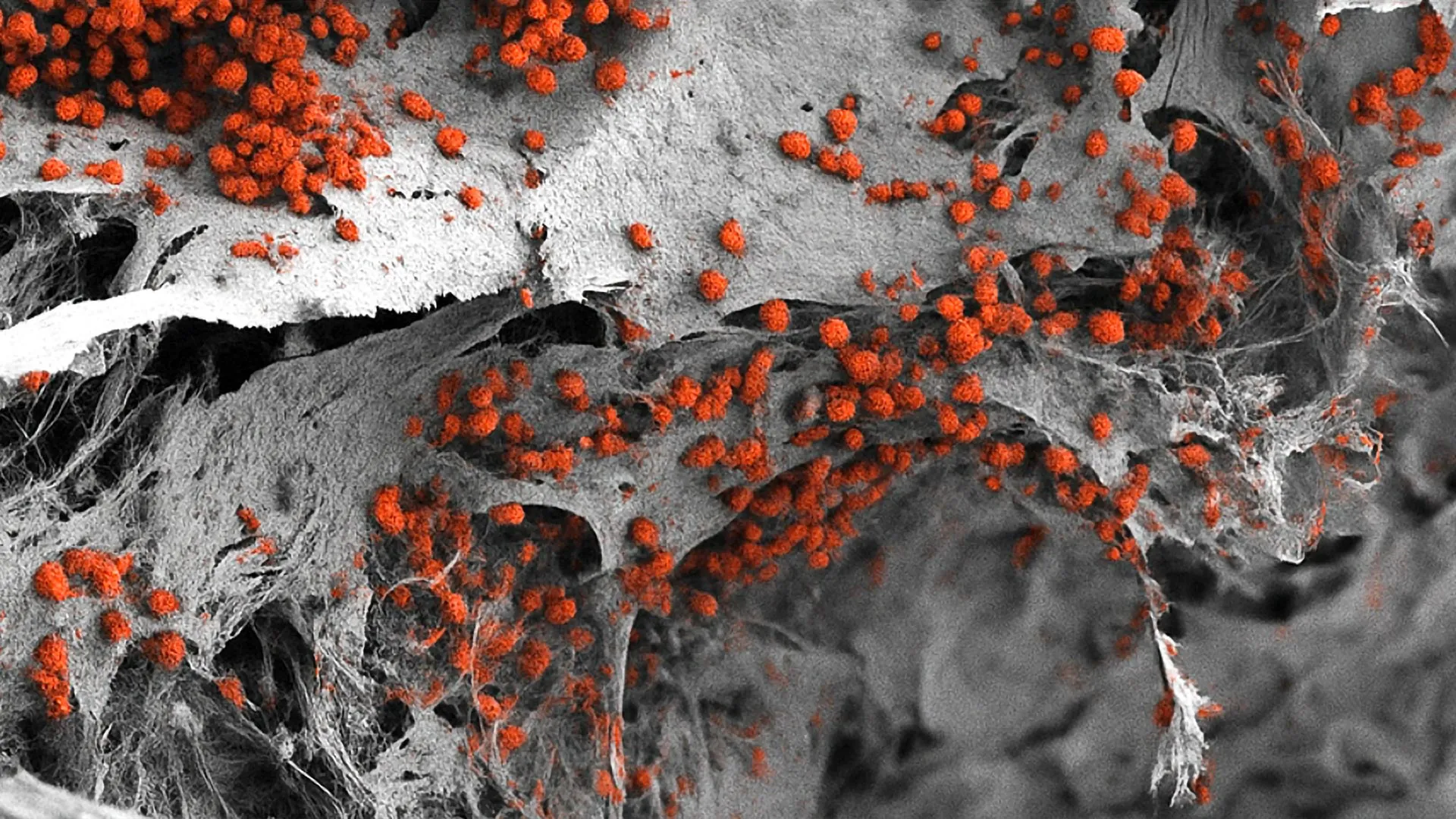
To test the efficacy of the system, the researchers chemically bonded suLeX to the bottom interior surfaces of laboratory culture dishes. Sperm samples were then introduced to the dishes and given a standardized 30-minute window to natively adhere to the glycan compounds. Once the sperm were securely bound, the researchers executed a critical wash step, rinsing away all remaining free-swimming, unbonded sperm cells. Following this wash phase, mature eggs were introduced to the culture dishes at carefully controlled time intervals: immediately (0 hours), as well as 6, 12, and 24 hours later.
Empirical Findings: Quantifying the Extended Window of Fertilization
The results of the controlled time-delay trials provided compelling quantitative evidence that the suLeX-coated dishes successfully preserved sperm viability and extended the functional window for successful fertilization far beyond conventional limits.
In the baseline evaluations conducted at the zero-hour mark—introducing eggs immediately after the initial sperm binding and washing phase—the IVF efficiency, measured by the proportion of successfully fertilized zygotes relative to the total number of eggs, was markedly superior in the suLeX group. Specifically, the suLeX-treated cultures achieved a fertilization rate of 53%. By comparison, a standard control group utilizing no oviduct compounds yielded a fertilization rate of only 36%, while two alternative control compounds tested by the research team yielded modest fertilization rates of approximately 40% each.
As the experimental time delays increased, natural degradation inevitably reduced fertilization rates across all tested cohorts. However, the rate of decline was substantially mitigated in the presence of the suLeX glycan compound. In the negative control group—where no oviduct glycans were present—sperm viability and fertilization capability plummeted dramatically over time, dropping to a mere 1% fertilization rate at the 24-hour mark. In stark contrast, the culture dishes outfitted with the suLeX coating maintained a sustainable 12% fertilization rate even after a full 24 hours of delay.
Beyond mere longevity, the experimental protocol solved a major mechanical challenge in assisted reproduction: controlling gamete concentration. By securely binding the targeted sperm to the glycan substrate and washing away excess free-swimming gametes, the researchers drastically reduced the absolute number of active sperm interacting with each egg simultaneously. This controlled reduction effectively resolved the longstanding issue of polyspermy in the porcine model, ensuring that embryos developed normally from single fertilization events.
Official Responses and Expert Analysis
The implications of this foundational study extend far beyond the immediate confines of the university laboratory. Industry stakeholders, reproductive endocrinologists, and agricultural biotechnology firms have taken note of the potential paradigm shift represented by glycan-assisted IVF.
"The fallopian tube in women, or the oviduct, has an ability to lengthen sperm lifespan that, until now, we couldn’t recreate in IVF," explained David Miller, emphasizing the physiological gap that the research successfully bridges. Reflecting on the broader operational mechanics of the new technology, Miller highlighted how the physical capture mechanism redefines control over the fertilization process. "Because the sperm were bound securely to the glycan compound, we could reduce the overall number of sperm, which meant fewer cases where more than one sperm fertilized the eggs," he noted.
Agricultural economists and livestock genetics companies have expressed immediate interest in the commercial scalability of the findings. The global livestock industry invests heavily in advanced reproductive technologies to accelerate genetic selection, enhance milk production yields, and improve meat quality traits. Miller pointed directly to this economic pipeline, stating, "There are companies, especially related to dairy cattle, that use IVF to produce and sell high-genetic-merit embryos that, after they are delivered, will produce milk more efficiently. This technology could potentially help produce meat and milk more efficiently." By stabilizing the IVF pipeline and reducing rates of embryonic loss due to polyspermy, commercial breeding facilities could achieve higher yields of viable, high-value embryos per production cycle.
From a clinical human medicine perspective, the research team remains measured in their near-term projections while mapping out clear trajectories for future investigation. Miller acknowledged that while the porcine model has proven highly informative, the specific, chemically distinct glycans responsible for binding human sperm have not yet been definitively isolated and identified. However, once those human-specific carbohydrate structures are mapped and synthesized, the application of glycan-IVF could fundamentally alter how fertility clinics manage the notoriously delicate timing constraints associated with human gametes.
"Both eggs and sperm have to undergo a maturation phase before they’re ready for fertilization, so the timing is critical. There’s variability in the time it takes sperm to complete their final major maturation step," Miller explained. "We think glycan-IVF could lengthen the fertile window of sperm and possibly increase IVF rates, though we need further testing to verify that."
Broader Impact and Future Directions
The publication of this study in Scientific Reports marks a significant milestone in reproductive bioengineering, transitioning the field from passive observation of natural biological structures to active biomimetic synthesis. By successfully isolating the molecular keys that govern sperm retention and preservation within the mammalian oviduct, the research team has opened multiple avenues for applied technological development.
For human reproductive medicine, the potential integration of glycan-coated culture platforms could eventually translate into higher success rates for couples undergoing fertility treatments, particularly in cases involving male-factor infertility or suboptimal sperm motility and longevity. By extending the operational window during which sperm remain viable and primed for fertilization, clinical embryologists would gain unprecedented flexibility in scheduling procedures, thereby reducing cycle cancellations and optimizing resource utilization within busy medical laboratories.
In veterinary science and animal husbandry, the immediate translational pathway is even clearer. The implementation of suLeX and related oviduct-mimetic compounds into commercial livestock production protocols promises to reduce embryonic wastage, lower operational costs, and streamline the mass production of elite genetic lines for dairy and beef cattle, as well as swine production.
As the research team advances toward identifying human-specific sperm-binding glycans and conducting subsequent preclinical trials, the scientific community anticipates that biomimetic reproductive technologies will continue to blur the line between artificial laboratory environments and the elegant, evolutionary precision of nature itself. The study was generously supported by the Eunice Kennedy Shriver National Institute of Child Health and Human Development, a division of the National Institutes of Health, under award number RO1HD095841, underscoring the federal commitment to advancing fundamental reproductive health research. Additional academic support and institutional resources were provided through Miller’s affiliation with the Carl R. Woese Institute for Genomic Biology at the University of Illinois Urbana-Champaign, cementing the institution’s role at the forefront of genomic and reproductive innovation.