A significant study published on October 7, 2026, in Neurology, the official medical journal of the American Academy of Neurology, has provided compelling evidence that physical activity may serve as a critical intervention for individuals living with Parkinson’s disease. By analyzing data from 294 participants over a seven-year period, researchers from the University of Cincinnati have identified a robust association between higher levels of physical exertion and a deceleration in the degradation of both cognitive function and motor skills. This discovery offers a potential roadmap for managing the progressive nature of the disorder, emphasizing that lifestyle modifications may play a pivotal role in maintaining long-term quality of life and independence.
The Landscape of Parkinson’s Disease Research
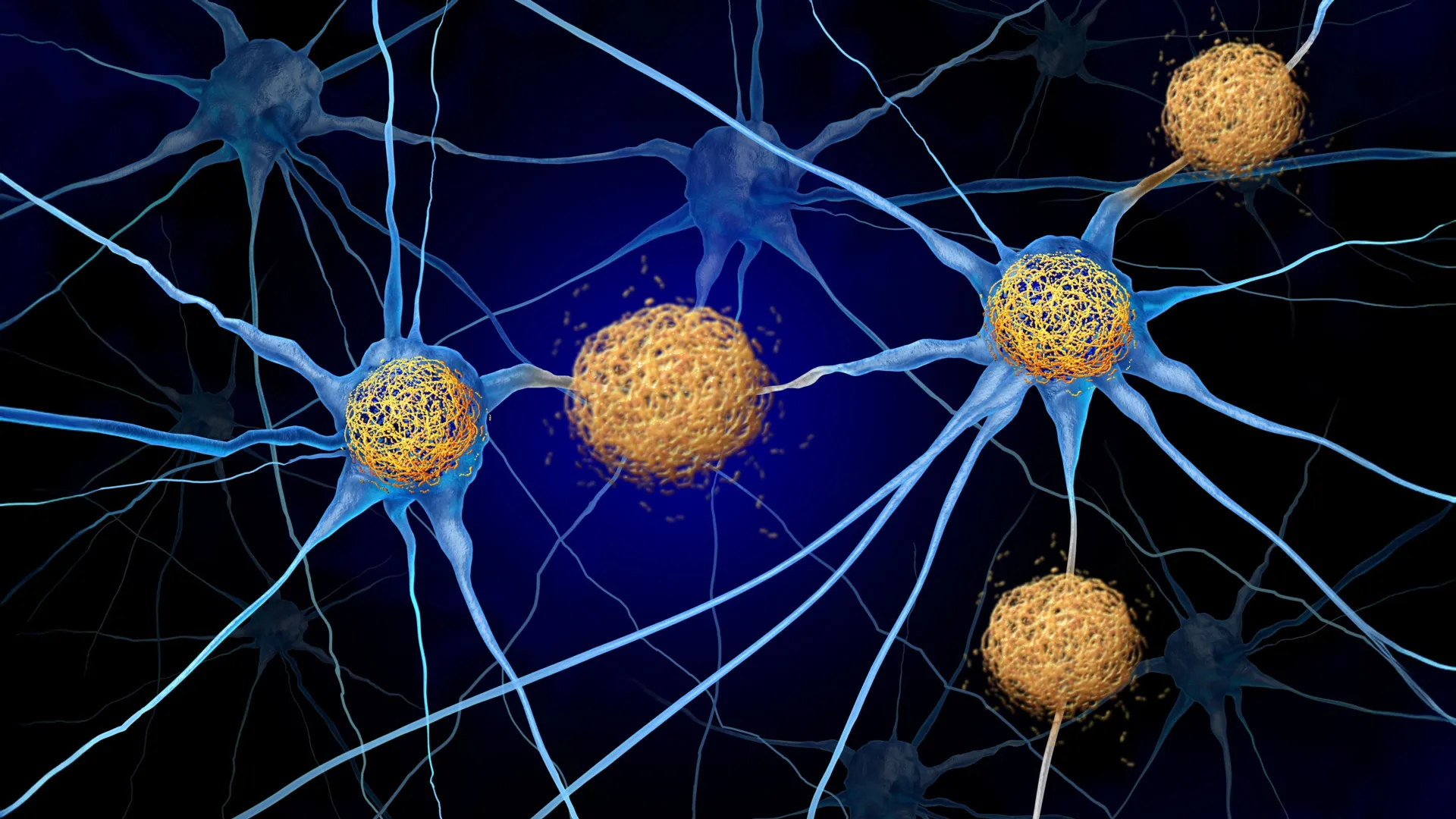
Parkinson’s disease is a complex neurodegenerative condition characterized by the loss of dopamine-producing neurons in the substantia nigra of the brain. As the disease progresses, it typically manifests in a triad of cardinal motor symptoms: bradykinesia (slowness of movement), resting tremors, and postural instability. Beyond motor impairment, many patients face cognitive decline, ranging from mild executive dysfunction to dementia.
For decades, the standard of care has focused primarily on pharmacotherapy, such as levodopa, to manage symptoms. However, medical professionals have increasingly turned their attention to non-pharmacological interventions. This recent study, led by Dr. Dong-Woo Ryu, contributes to a growing body of literature—including previous research published in journals such as The Lancet Neurology—that suggests exercise might act as a neuroprotective agent. While clinical trials have historically struggled to establish a direct causal link between exercise and disease modification, the observational data provided by this seven-year longitudinal study offers the most granular look yet at how daily activity levels correlate with symptom trajectory.
Longitudinal Methodology and Participant Demographics
The study’s design was structured to mitigate short-term biases by tracking participants over a seven-year window, a timeframe sufficient to observe the gradual progression of neurodegenerative symptoms. The cohort consisted of 294 adults, all diagnosed with mild to moderate Parkinson’s disease. With an average age of 66, the participants provided a representative sample of those typically navigating the early-to-mid stages of the condition.
To quantify physical activity, researchers employed a rigorous self-reporting mechanism. Participants were categorized based on their weekly activity volume, which included work-related tasks, household chores, and structured leisure exercise. To ensure accuracy in intensity measurement, the researchers utilized a tiered classification system:
- Moderate Activity: Brisk walking, doubles tennis, leisurely swimming, and routine domestic maintenance such as vacuuming or gardening.
- Vigorous Activity: Running, cycling at high speeds, competitive team sports, singles tennis, and heavy lifting or shoveling.
The study participants were divided into three distinct cohorts based on their total weekly activity: the least active (up to four hours), the moderately active (four to eight hours), and the most active (more than eight hours). Each year, the cohort underwent standardized cognitive assessments—specifically using a 30-point scale for memory and executive function—and motor symptom evaluations based on the 132-point Parkinson’s disease severity scale.
Statistical Findings: Cognitive and Motor Preservation
The most striking revelation of the study lies in the divergence of cognitive decline rates between activity groups. On the 30-point cognitive scale, the least active participants showed a clear downward trend, losing an average of 0.478 points annually. In contrast, those in the most active group showed a near-plateau, with an average yearly decline of only 0.007 points. This suggests that high levels of physical activity may effectively "buffer" the brain against the cognitive erosion typically associated with Parkinson’s.
The motor symptom data was equally noteworthy. While the least active group saw their motor impairment scores rise by 0.143 points annually—indicating a steady progression of symptoms—the most active participants experienced an improvement in their scores, dropping by 0.783 points per year. These figures remained statistically significant even after adjusting for variables such as age, biological sex, and the duration since the initial Parkinson’s diagnosis.
The researchers highlighted that the "volume" of exercise mattered as much as the intensity. By calculating the cumulative energy expenditure, the team demonstrated that consistent, high-volume activity provided a protective effect that was not merely a byproduct of being in better initial health.
Expert Perspectives and Clinical Implications
Dr. Dong-Woo Ryu, the study’s lead author, underscored the necessity of viewing these findings within the context of chronic disease management. "Parkinson’s is inherently progressive, leading to a loss of independence," Dr. Ryu stated. "Our findings provide a strong impetus for healthcare providers to prescribe exercise as a primary component of a comprehensive treatment plan, rather than as an optional supplement."
However, the medical community remains cautious regarding the interpretation of these findings. Because the study was observational, it cannot definitively prove that exercise "causes" the slowing of Parkinson’s. It is theoretically possible that individuals who are physically active are also those with a slower-progressing form of the disease, creating a selection bias.
Dr. Elena Vance, a neurologist not involved in the study, noted that the research highlights a "critical window" for intervention. "What we are seeing is that early-stage and mid-stage patients who maintain an active lifestyle are essentially building a ‘cognitive and motor reserve.’ Even if the exercise doesn’t stop the disease at a molecular level, it demonstrably slows the functional manifestation of the symptoms."
Challenges and Future Directions
Despite the positive implications, the study acknowledges several limitations that future research must address. The reliance on self-reported questionnaires for physical activity levels introduces the possibility of recall bias, where participants might overestimate their activity levels. Future investigations are expected to utilize wearable technology, such as accelerometers or smartwatches, to provide objective, real-time data on energy expenditure and movement patterns.
Furthermore, the study does not specify the "optimal" type of exercise. Is a combination of aerobic exercise and strength training more effective than repetitive, low-impact movement? While the study categorized activities by intensity, it did not isolate specific modalities.
The scientific community is now calling for randomized controlled trials (RCTs) to confirm these findings. Such trials would require participants to be assigned specific exercise regimens, thereby allowing researchers to isolate the specific impact of activity from other confounding lifestyle factors. The Precision Medicine in Neurodegenerative Diseases Fund has already signaled interest in supporting subsequent research that would integrate neuroimaging, such as PET or MRI scans, to see if physical activity correlates with structural changes in the brain’s dopamine pathways.
The Broader Impact on Healthcare Policy
The implications of this research extend beyond the individual patient. As global populations age, the incidence of Parkinson’s disease is projected to rise significantly over the next two decades. The current economic burden of managing late-stage Parkinson’s—which includes specialized nursing care, home modifications, and frequent hospitalizations—is substantial.
If future studies confirm that moderate to vigorous exercise can delay the onset of severe disability by even a few years, the public health impact would be profound. Public health agencies may need to re-evaluate their clinical guidelines to prioritize physical therapy and structured exercise programs as a standard of care. This shift could potentially reduce the long-term reliance on expensive pharmaceutical interventions and improve the overall quality of life for millions.
As it stands, the October 2026 report in Neurology serves as a clarion call for a more proactive approach to Parkinson’s care. While further validation is required to move from association to causation, the evidence suggests that for those living with the disease, movement may indeed be one of the most effective medicines available. The focus now turns to how these findings can be translated into accessible, community-based programs that support Parkinson’s patients in maintaining a high level of physical activity throughout the duration of their diagnosis.