The aging process exerts a profound and often debilitating toll on the hippocampus, the specialized region of the brain fundamentally responsible for the formation of new memories and the facilitation of complex learning. While the gradual decline of cognitive function has long been documented by the medical community, the precise molecular mechanisms driving this deterioration have remained largely elusive until now. In a groundbreaking study recently published in the journal Nature Aging, a team of scientists at the University of California, San Francisco (UCSF) has identified a specific protein, FTL1, that appears to be a primary architect of age-related hippocampal decline. This discovery not only clarifies why memory fades with age but also provides a potential roadmap for therapeutic interventions designed to reverse cognitive impairment in the elderly.
The Identification of FTL1: A Molecular Screening Process
To uncover the specific biological triggers of brain aging, the research team, led by Saul Villeda, PhD, associate director of the UCSF Bakar Aging Research Institute, conducted an exhaustive longitudinal analysis of the hippocampus in murine models. The researchers tracked comprehensive shifts in both gene expression and protein concentration across the lifespans of mice, comparing the physiological profiles of young subjects with those of their older counterparts.
Among the thousands of variables examined, one specific protein—FTL1 (Ferritin Light Chain 1)—emerged as a consistent outlier. The researchers observed that while most proteins showed fluctuating or negligible changes, FTL1 levels were significantly and systematically elevated in the brains of older mice. This correlation suggested that FTL1 was not merely a byproduct of aging but a potential driver of the structural and functional changes associated with cognitive senescence.
In the healthy, young brain, the hippocampus maintains a delicate balance of cellular activity and protein synthesis. However, as the mice aged, the accumulation of FTL1 coincided with a measurable reduction in synaptic density—the connections between neurons that allow for the transmission of information. These physiological changes were mirrored by behavioral outcomes: mice with high FTL1 levels performed significantly worse on standardized cognitive and spatial memory tests compared to younger cohorts with lower levels of the protein.
Experimental Validation: Inducing and Reversing the Aging Phenotype
The UCSF team sought to move beyond correlation to establish a causal link between FTL1 and brain aging. To achieve this, they designed a series of experiments to manipulate protein levels in both young and old subjects. In the first phase of validation, researchers artificially boosted FTL1 levels in the hippocampi of young mice. The results were immediate and striking. Despite their chronological youth, these mice began to exhibit the neurological hallmarks of old age. Their brains showed a sharp decline in neuronal connectivity, and their performance on memory-based tasks plummeted, effectively mimicking the cognitive profile of an aged animal.
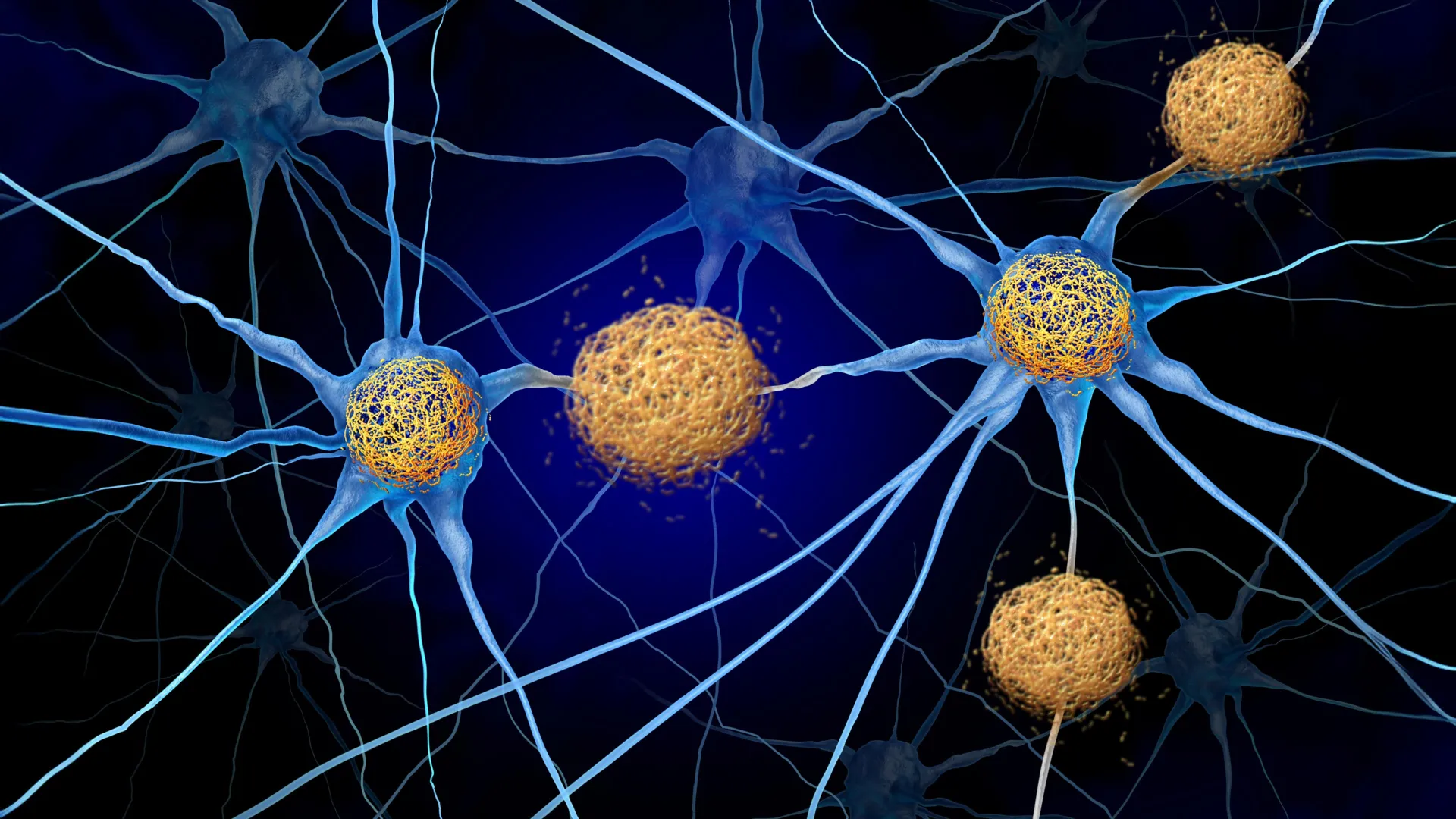
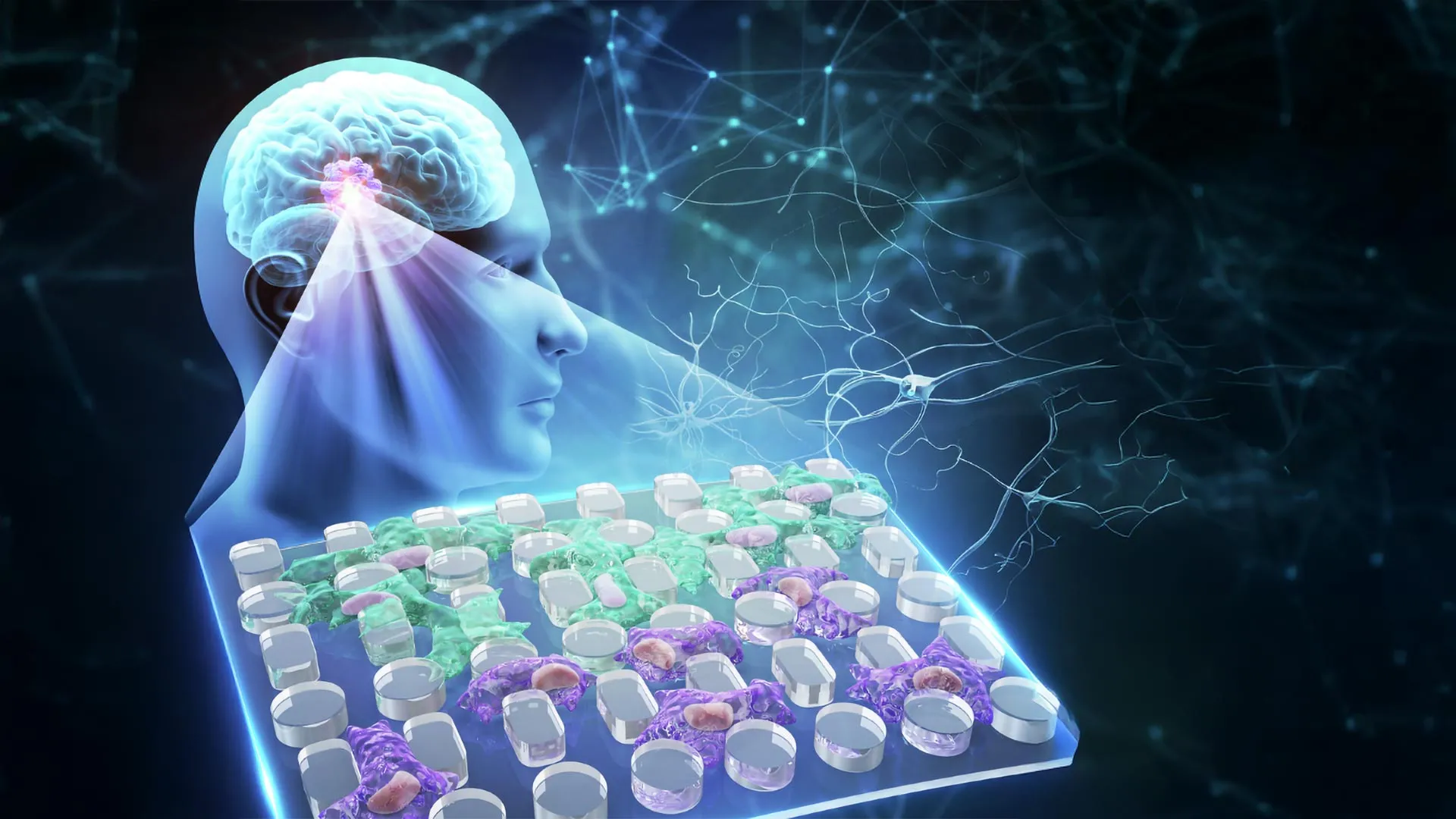
To further understand the cellular mechanics at play, the researchers conducted laboratory experiments on engineered nerve cells. These cells were modified to produce high quantities of FTL1 to observe the structural impact on a microscopic level. Under these conditions, the neurons failed to develop the complex, branching networks—known as dendrites and axons—that characterize healthy brain tissue. Instead, the cells developed simplified, stunted structures, forming short, single extensions that were incapable of maintaining the robust communication networks necessary for high-level cognitive function.
The most transformative aspect of the study, however, occurred when the researchers attempted to reverse the process. By utilizing molecular tools to reduce FTL1 levels in the brains of elderly mice, the team observed a significant restoration of cognitive function. The reduction of the protein led to a measurable increase in the number of connections between brain cells. More importantly, these elderly mice showed a marked improvement in memory tests, demonstrating that the cognitive decline previously thought to be permanent was, in fact, malleable.
The Metabolic Connection: A New Path for Treatment
A critical component of the UCSF study involved investigating why FTL1 causes such profound damage to hippocampal neurons. The researchers discovered that FTL1 plays a disruptive role in cellular metabolism. In the brains of older mice, the surplus of this protein was found to slow down the rate at which hippocampal cells consume and process energy. This metabolic "sluggishness" prevents neurons from maintaining their complex structures and responding to the high energy demands of learning and memory formation.
This discovery opened a second avenue for potential treatment. When the researchers treated FTL1-rich cells with a pharmacological compound designed to boost cellular metabolism, the negative structural effects of the protein were largely neutralized. This suggests that the damage caused by FTL1 is not an inevitable structural collapse but a metabolic failure that can be bypassed or corrected. By targeting the metabolic pathways affected by FTL1, scientists may be able to develop therapies that protect the brain even if the protein levels themselves cannot be fully lowered.
Broader Implications for the Global Aging Population
The implications of this research extend far beyond the laboratory. Global demographics are shifting rapidly; according to the World Health Organization, the number of people aged 60 years and older is expected to double by 2050, reaching 2.1 billion. With this "silver tsunami" comes a staggering increase in the prevalence of age-related cognitive decline and neurodegenerative diseases such as Alzheimer’s and dementia.
Currently, the economic and social costs of caring for individuals with cognitive impairment are immense. In the United States alone, the cost of care for people with Alzheimer’s and other dementias is estimated to be hundreds of billions of dollars annually. The discovery of FTL1 as a reversible driver of memory loss offers hope for the development of "senolytic" or "rejuvenative" therapies that could extend the "healthspan" of the human brain, allowing individuals to maintain cognitive independence much later into life.
"It is truly a reversal of impairments," said Dr. Saul Villeda regarding the study’s findings. "It’s much more than merely delaying or preventing symptoms." This distinction is vital in the field of gerontology. While many current treatments focus on slowing the progression of decline, the UCSF study suggests that the brain retains a latent capacity for recovery, provided the right molecular "brakes"—such as FTL1—are released.
The Evolution of Aging Research at UCSF
This study represents a significant milestone in the ongoing work at the UCSF Bakar Aging Research Institute. Dr. Villeda’s laboratory has long been at the forefront of systemic aging research, previously gaining international attention for studies on "parabiosis," which explored how factors in the blood of young mice could rejuvenate the tissues of older mice. The identification of FTL1 represents a narrowing of focus from systemic factors to specific, targetable proteins within the brain’s most critical memory centers.
The success of this research is the result of a multi-disciplinary effort involving a large team of scientists. Key contributors from UCSF include Laura Remesal, PhD, Juliana Sucharov-Costa, Karishma J.B. Pratt, PhD, and several other specialists in neurology, proteomics, and molecular biology. The collaboration utilized advanced proteomic screening techniques to isolate FTL1 from a sea of thousands of other molecules, a feat that would have been impossible a decade ago.
Future Research and Clinical Pathways
While the results in murine models are promising, the transition to human clinical trials remains the next major hurdle. The human version of the protein and its metabolic interactions must be mapped with the same precision as the mouse models. Researchers will need to determine the safest and most effective way to modulate FTL1 in humans—whether through small-molecule drugs, gene therapy, or metabolic boosters.
Furthermore, the study raises questions about the role of FTL1 in other regions of the brain and its potential involvement in specific diseases like Alzheimer’s. If FTL1 is a general marker of brain aging, it could serve as a valuable biomarker for early diagnosis, allowing clinicians to intervene before significant memory loss occurs.
The study was supported by a wide array of prestigious institutions, reflecting the scientific community’s recognition of its importance. Funding was provided by the Simons Foundation, the Bakar Family Foundation, the National Science Foundation, and the National Institutes of Health, among others.
As the scientific understanding of the biology of aging continues to evolve, the UCSF findings provide a sense of cautious optimism. "We’re seeing more opportunities to alleviate the worst consequences of old age," Dr. Villeda noted. "It’s a hopeful time to be working on the biology of aging." By shifting the perspective of brain aging from an inevitable decay to a manageable biological process, this research sets the stage for a future where the loss of memory is no longer a guaranteed consequence of a long life.