In a landmark achievement for regenerative medicine and developmental biology, an international consortium of researchers has unveiled the first comprehensive "blueprint" of the developing human skeleton. This foundational map, published on November 20 in the journal Nature, offers an unprecedented look at the cellular pathways and genetic signals that govern how the human frame is constructed during the earliest stages of life. Led by the Wellcome Sanger Institute, the study provides critical insights into the origins of common conditions such as osteoarthritis and rare congenital disorders like craniosynostosis, while also establishing a new framework for assessing the safety of medications during pregnancy.
The research is a cornerstone of the broader Human Cell Atlas (HCA) initiative, an ambitious global effort to map every cell type in the human body. This specific study arrives as part of a massive release of more than 40 HCA publications across various Nature Portfolio journals, signaling a "milestone leap" in the scientific community’s ability to visualize human biology at a single-cell resolution. By identifying the exact location and function of cells during the first trimester of pregnancy, scientists can now trace the lineage of bone and cartilage with a degree of precision that was previously impossible.
Mapping the Genesis of the Human Frame
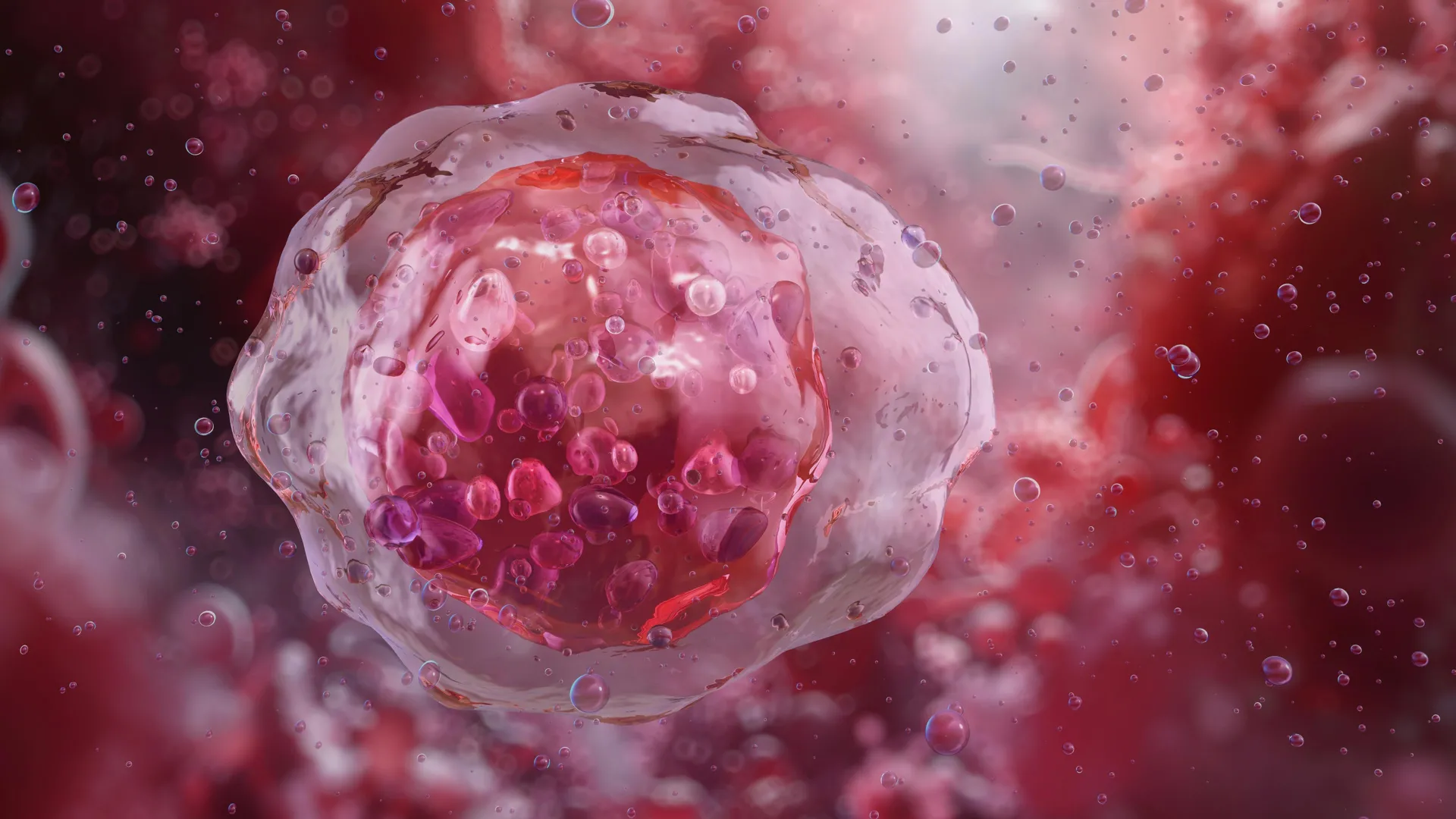
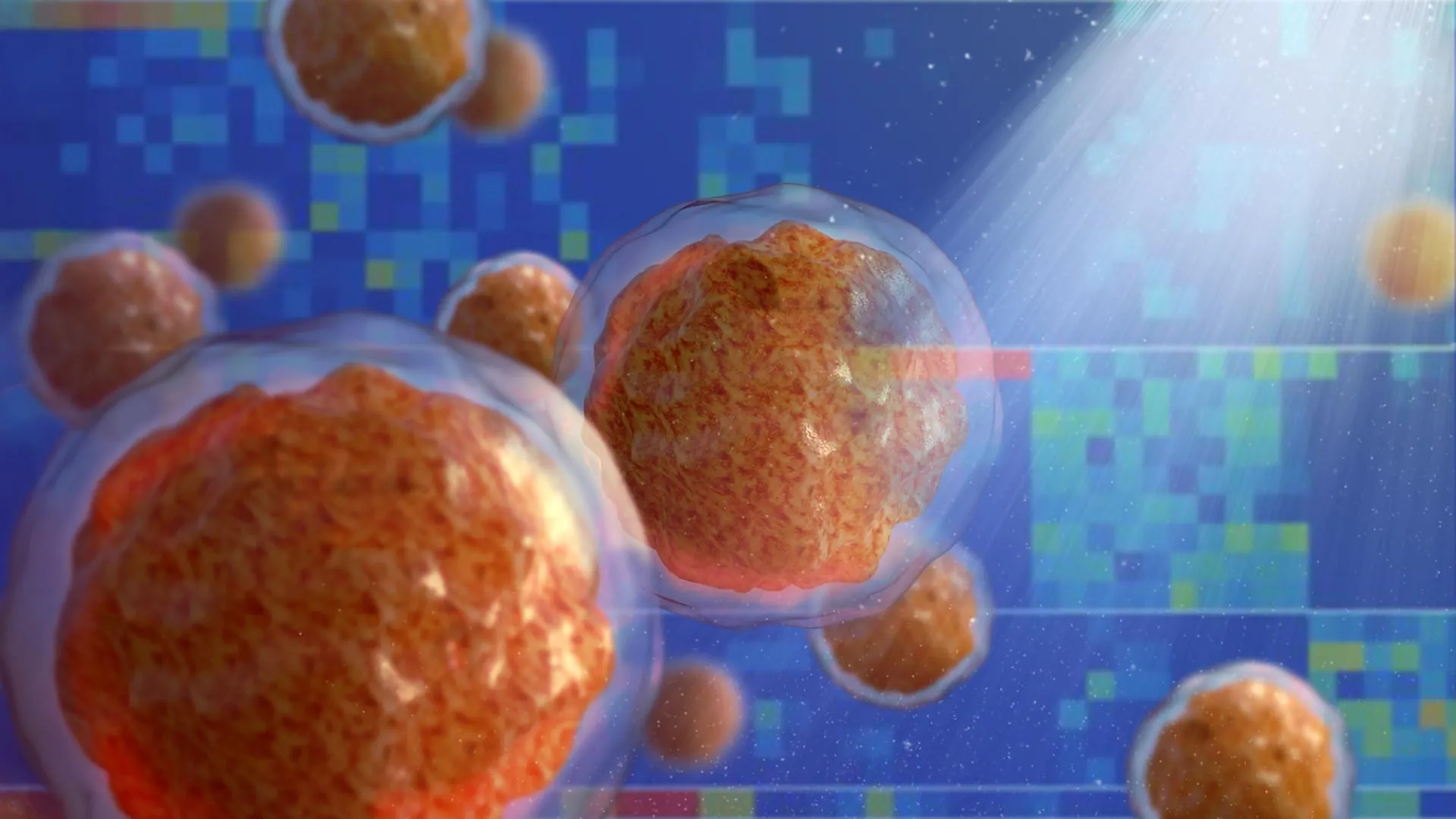
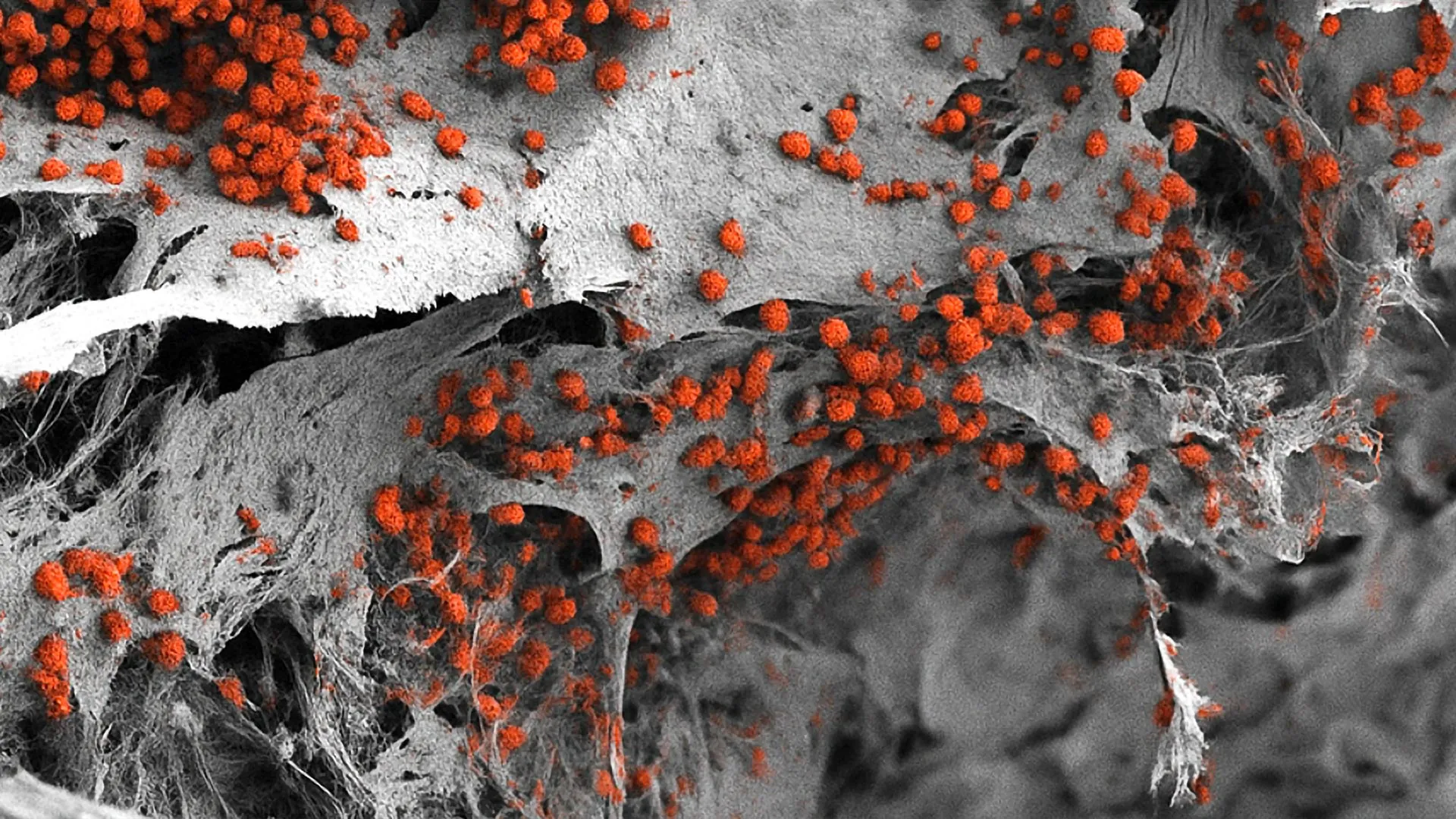
The development of the human skeleton is a marvel of biological engineering, occurring with rapid complexity in the weeks following conception. To capture this process, researchers utilized high-resolution single-cell genomics and spatial transcriptomics—technologies that allow scientists to see not only which genes are active within a cell but also where that cell is physically located within a tissue.
The study focused on the critical developmental window between 5 and 11 weeks post-conception. During this period, the rudimentary structures of the limbs, spine, and skull begin to take shape. The data reveals that for the vast majority of the skeleton, cartilage serves as the essential architectural scaffold. Through a process known as endochondral ossification, cartilage cells (chondrocytes) proliferate and eventually provide a template over which bone-forming cells (osteoblasts) can lay down mineralized tissue.
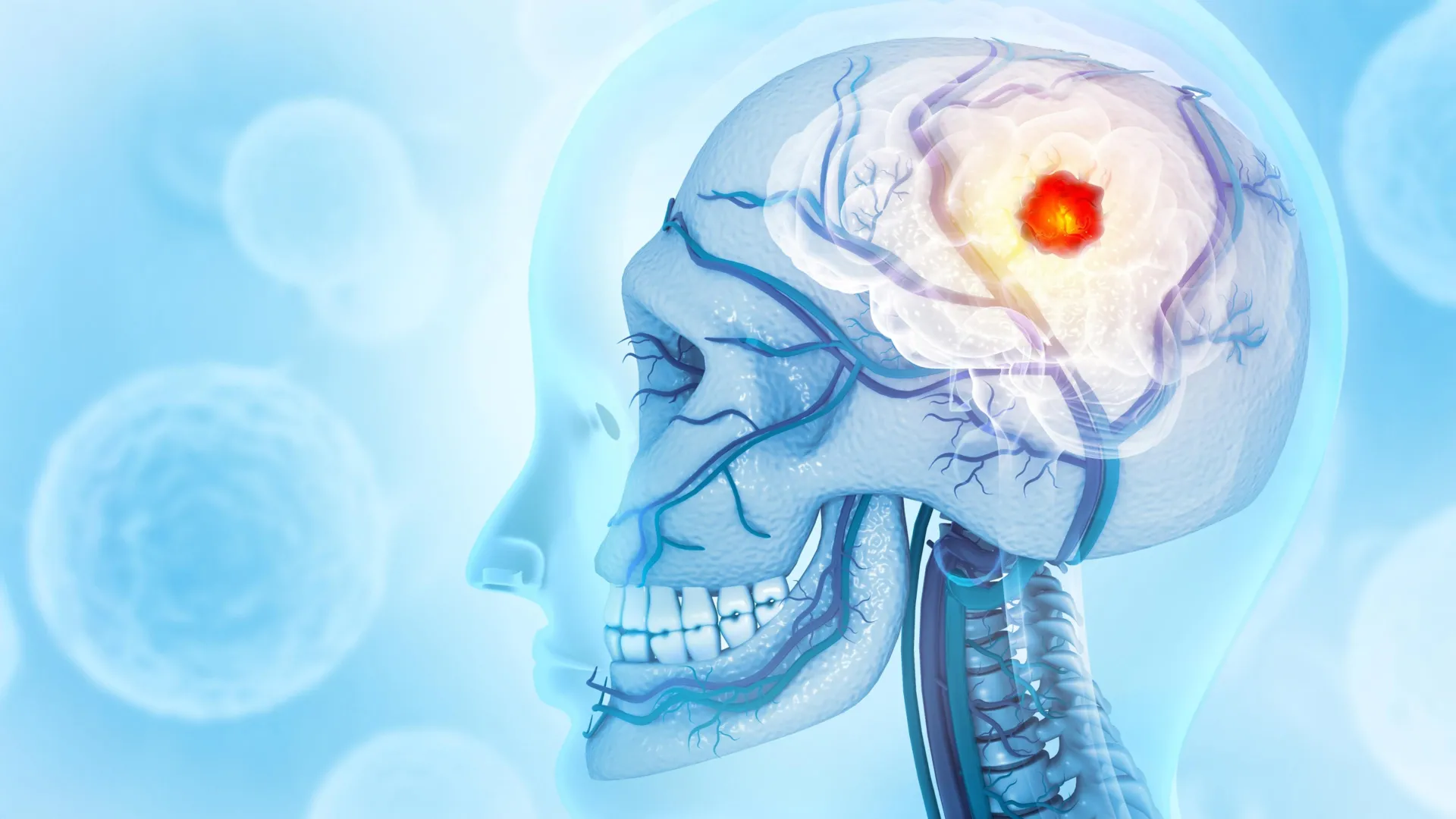
However, the atlas highlights a significant biological exception: the top of the skull, or the calvarium. Unlike the long bones of the arms or the vertebrae of the spine, the calvarium does not rely on a cartilage scaffold. Instead, it forms through intramembranous ossification, where bone cells develop directly from mesenchymal tissue. By mapping these distinct pathways, the research team has provided a dual-track understanding of skeletal formation that explains why certain diseases affect the skull differently than they affect the rest of the body.
Insights into Craniosynostosis and Brain Development
One of the most immediate clinical applications of the new atlas involves the study of craniosynostosis. In healthy newborns, the skull is composed of several plates joined by "soft spots" or sutures. These flexible gaps are vital because they allow the skull to expand as the brain grows rapidly during the first two years of life. Typically, these sutures fuse into solid bone between the ages of one and two.
In cases of craniosynostosis, these sutures fuse prematurely. This restriction can lead to increased intracranial pressure, which, if left untreated, may result in permanent brain damage, vision loss, hearing impairment, and significant learning difficulties. While the condition has long been linked to specific genetic mutations, the exact "cellular theater" where these mutations act remained a mystery.
The skeletal atlas has finally identified the specific early bone cell types in the calvarium that are disrupted by these mutations. By pinpointing the exact cells that drive premature fusion, researchers have opened the door to new diagnostic tools. In the future, this could lead to non-invasive therapeutic interventions that could slow or regulate bone growth in the skull, potentially reducing the need for the complex, invasive surgeries currently required to treat the condition in infants.
Deciphering the Genetic Roots of Osteoarthritis
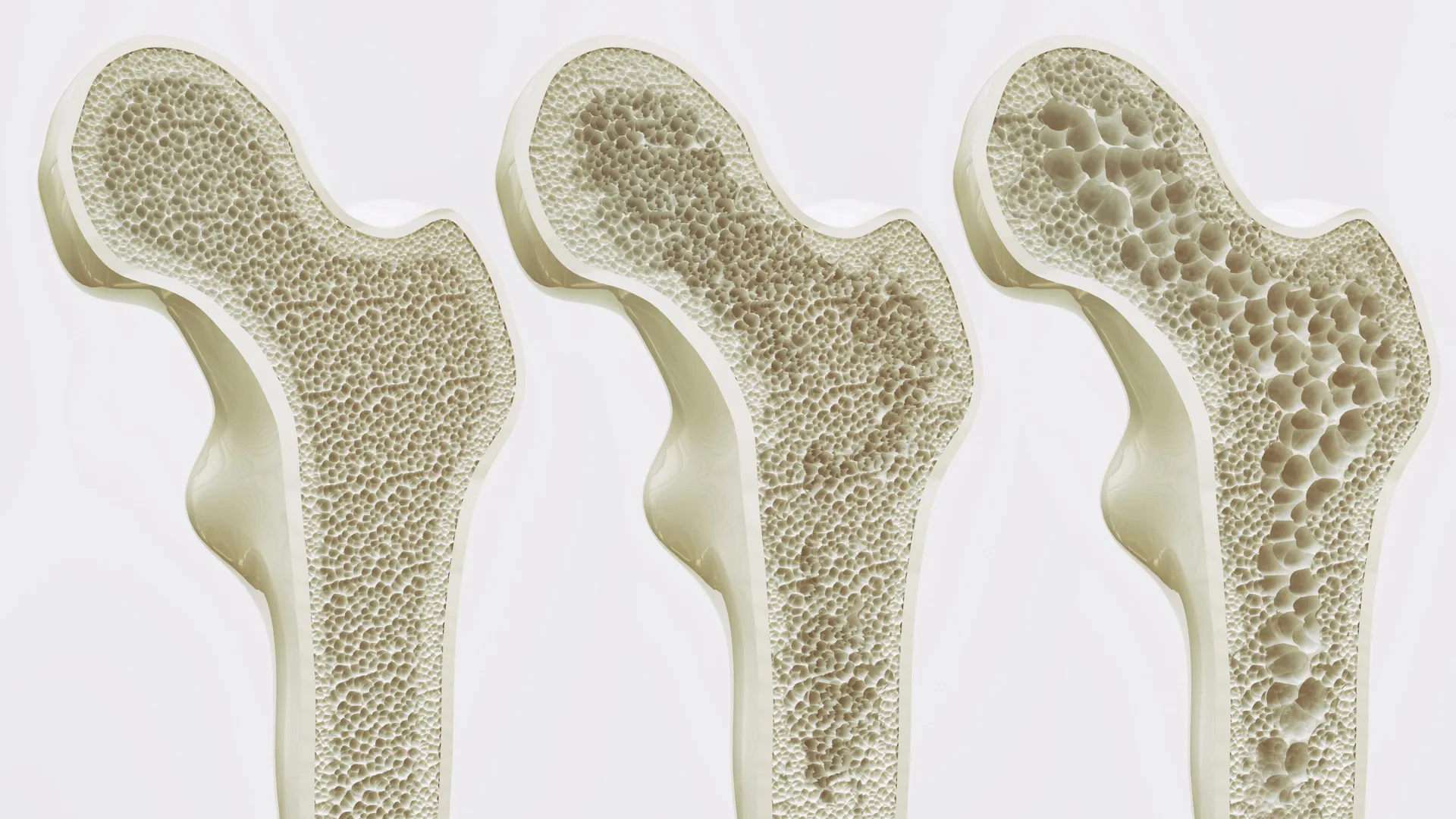
The implications of the atlas extend far beyond infancy, reaching into the realm of geriatric health and the management of chronic pain. Osteoarthritis (OA) is the most prevalent form of arthritis globally, characterized by the gradual breakdown of protective cartilage in the joints. Because adult humans lack the ability to naturally regenerate damaged cartilage, severe OA often necessitates total joint replacement surgery.
The research team cross-referenced the skeletal atlas with large-scale genetic data from adults suffering from osteoarthritis. Their findings revealed a fascinating divergence in how the disease originates. Genetic variants associated with an increased risk of hip osteoarthritis were found to be active during the very early stages of bone cell development and their regulatory networks. Conversely, genetic markers linked to knee osteoarthritis were more closely tied to the pathways involved in cartilage formation and repair.
This discovery suggests that "osteoarthritis" may not be a single uniform disease, but rather a collection of conditions with distinct developmental origins depending on the joint involved. By understanding that hip OA might be a "bone-first" issue while knee OA is a "cartilage-first" issue, pharmaceutical companies can begin to develop targeted treatments that address the specific biological breakdowns unique to each joint.
Evaluating Pharmaceutical Safety in Pregnancy
Beyond disease pathology, the skeletal atlas serves as a vital tool for public health and pharmacology. One of the most significant challenges in prenatal care is determining the safety of medications. Many drugs are currently "not recommended" during pregnancy, not because they are known to be harmful, but because there is a lack of data regarding their impact on fetal development.
The research team used the atlas to screen 65 clinically approved drugs that are currently flagged for caution during pregnancy. By mapping where the targets of these drugs are expressed in the developing skeleton, the researchers could predict which medications might inadvertently disrupt bone or cartilage growth.
This predictive capability transforms the atlas into a safety "litmus test." It allows clinicians and researchers to visualize how a specific chemical compound might interact with the delicate gene networks of a five-week-old embryo. As this resource grows, it could lead to the re-evaluation of certain medications, potentially making more treatments available to pregnant women or providing definitive evidence to avoid others that pose a high risk to skeletal integrity.
The Human Cell Atlas: A Global Collaborative Milestone
The publication of the skeletal atlas is not an isolated event but a part of a monumental global collaboration. The Human Cell Atlas project involves thousands of scientists across nearly 100 countries. Professor Sarah Teichmann, a co-founder of the HCA and senior author of the study, emphasized the collaborative nature of the work.
"This detailed atlas of bone development in space and time is coordinated with other studies which brings the entire Human Cell Atlas initiative one step closer to fully understanding what happens in the human body across development, health, and disease," said Professor Teichmann. "This unique, freely available resource combines cutting-edge spatial technology with genetic analysis and can be used by the research community worldwide."
The "multi-omic" approach used in the study—combining data from genomics, transcriptomics, and spatial mapping—provides a layered view of biology. It is the difference between having a list of parts for a car and having a 3D, time-lapse video of the car being assembled on the factory floor. This level of detail is essential for the next generation of "precision medicine," where treatments are tailored to the specific cellular malfunctions of an individual patient.
Future Implications: Growing Bone in a Dish
The long-term potential of this research includes the field of bioengineering. By identifying the exact "recipe" of gene activations and cellular interactions that build bone and cartilage, scientists are now better equipped to replicate these processes in a laboratory setting.
Dr. Ken To, a co-first author of the study from the Wellcome Sanger Institute, noted that the blueprint provides the necessary instructions for regenerative medicine. "Having this ‘blueprint’ of bone formation can help us develop effective ways to grow bone and cartilage cells in a dish, which has enormous therapeutic potential," Dr. To explained.
This could eventually lead to lab-grown grafts for patients with severe fractures, bone cancer, or advanced osteoarthritis, bypassing the need for metal implants or donor tissue. Furthermore, the atlas provides a baseline of "normal" development, allowing researchers to test new drugs on lab-grown skeletal tissue before they ever reach human trials.
Conclusion
The first blueprint of human skeletal development represents a shift in how we perceive the human body. It bridges the gap between embryonic development and adult degeneration, showing that the seeds of late-life diseases like arthritis may be sown in the first weeks of gestation. By making this resource freely available to the global scientific community, the Wellcome Sanger Institute and its collaborators have provided a roadmap that will likely guide skeletal research, drug development, and surgical innovation for decades to come. As the Human Cell Atlas continues to fill in the remaining gaps of our biological map, the dream of truly understanding—and eventually curing—the most complex diseases of the human frame moves closer to reality.