

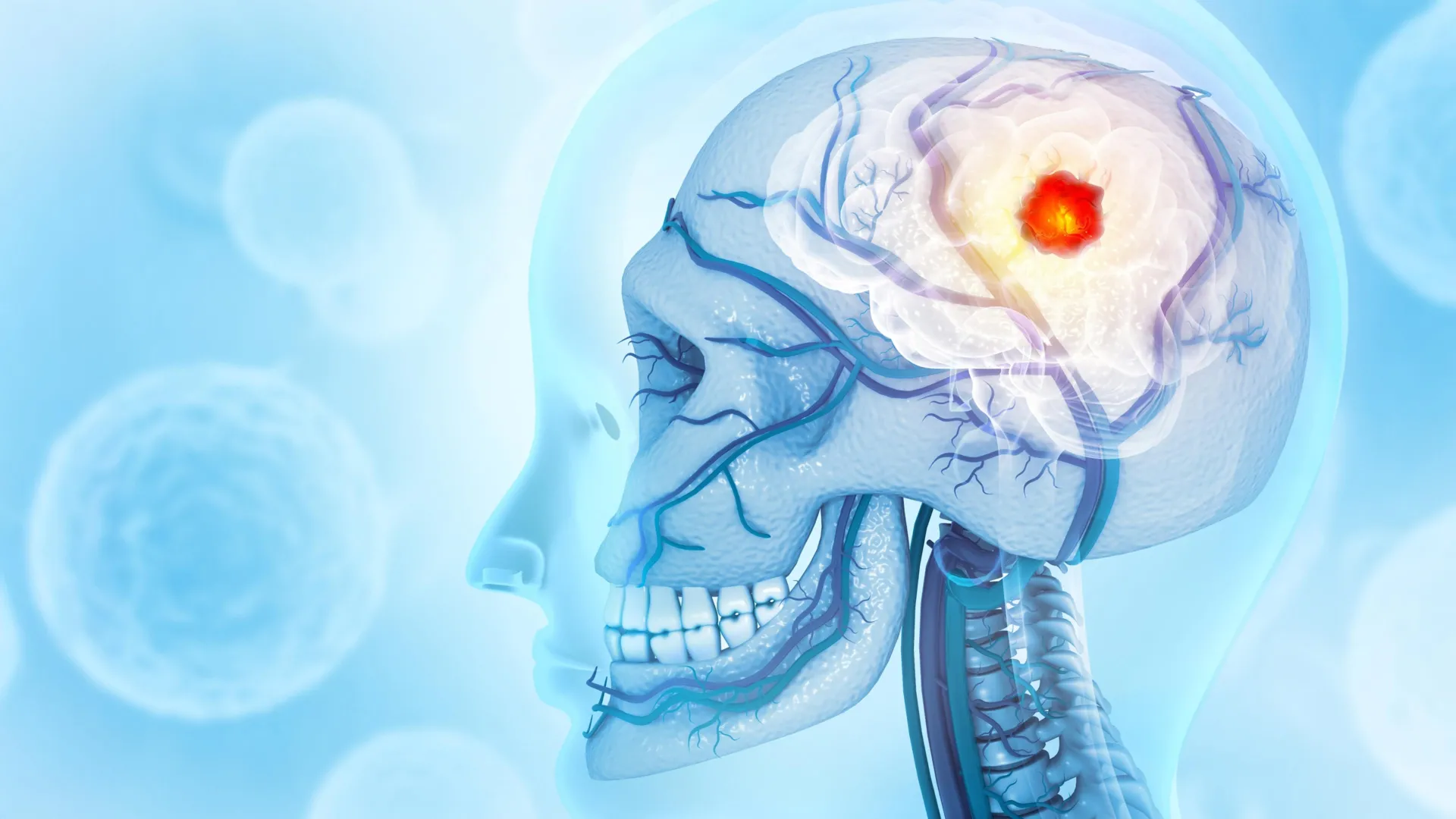
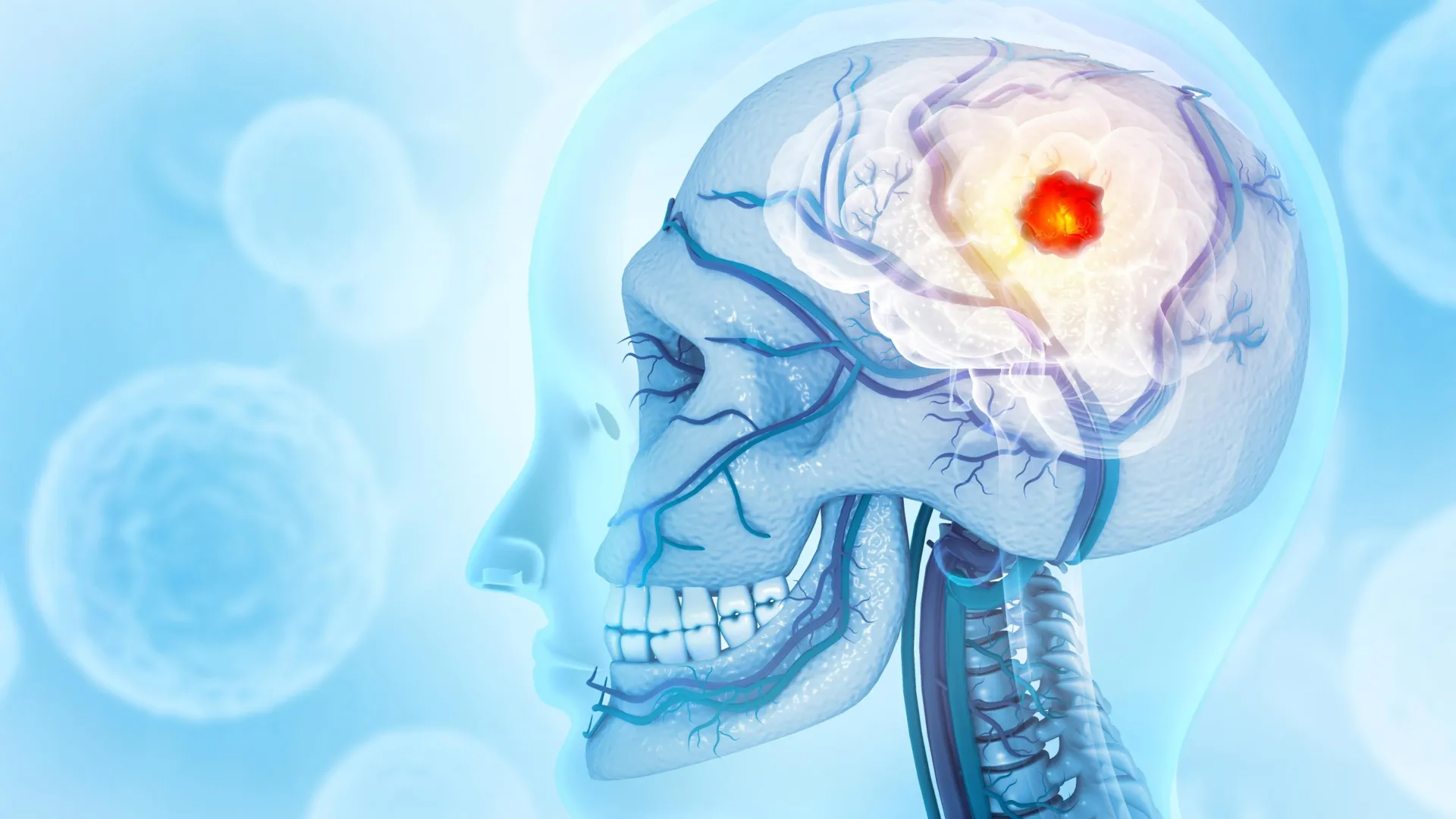
A groundbreaking study led by researchers from the Montefiore Einstein Comprehensive Cancer Center (MECCC) and the Albert Einstein College of Medicine has fundamentally altered the scientific understanding of glioblastoma, the most aggressive and lethal form of primary brain cancer. For decades, the medical community has treated glioblastoma primarily as a localized neurological disease, focusing interventions almost exclusively on the brain tissue itself. However, the new findings, published on October 3 in the prestigious journal Nature Neuroscience, reveal that the tumor’s influence extends far beyond the brain’s borders, actively eroding the skull, hijacking the bone marrow, and systematically dismantling the body’s immune defenses.
This paradigm shift suggests that the failure of current therapies—which result in a median survival rate of only 15 months—may be due to a fundamental misunderstanding of the disease’s scope. By identifying the skull as a key player in the progression of the tumor, the research team has opened a new frontier in neuro-oncology, suggesting that future treatments must address the systemic interactions between the brain and the skeletal system to be effective.
The Resilience of Glioblastoma: A Clinical Overview
Glioblastoma multiforme (GBM) remains one of the most daunting challenges in modern oncology. According to the National Cancer Institute (NCI), approximately 15,000 individuals in the United States are diagnosed with this malignancy annually. Characterized by rapid cellular proliferation and an invasive growth pattern, glioblastoma infiltrates surrounding brain tissue with such efficiency that complete surgical resection is nearly impossible.
The current standard of care—the "Stupp Protocol"—has remained largely unchanged since 2005. It involves maximal safe surgical debulking followed by a combination of radiation therapy and the chemotherapy agent temozolomide. Despite these aggressive measures, recurrence is nearly universal. The MECCC and Einstein study provides a potential explanation for this persistence: the tumor creates a "reservoir" of support within the skull’s bone marrow, essentially recruiting the body’s own immune infrastructure to protect the cancer rather than attack it.
Chronology of Discovery: From Brain to Bone
The research project was sparked by a series of recent anatomical discoveries that challenged long-held beliefs about the isolation of the brain. Historically, the brain was thought to be separated from the rest of the body by the blood-brain barrier and the protective layers of the meninges. However, recent studies identified microscopic, extremely thin channels that bridge the gap between the brain and the skull’s bone marrow. These channels facilitate the exchange of immune cells and molecular signals, providing a direct "backdoor" between the central nervous system and the skeletal system.
Inspired by these findings, Dr. Jinan Behnan, an assistant professor in the Leo M. Davidoff Department of Neurological Surgery at Einstein, and her team utilized advanced imaging technologies to observe how glioblastoma interacts with these channels. Using murine (mouse) models of two distinct types of glioblastoma, the researchers monitored the progression of the disease over several weeks.
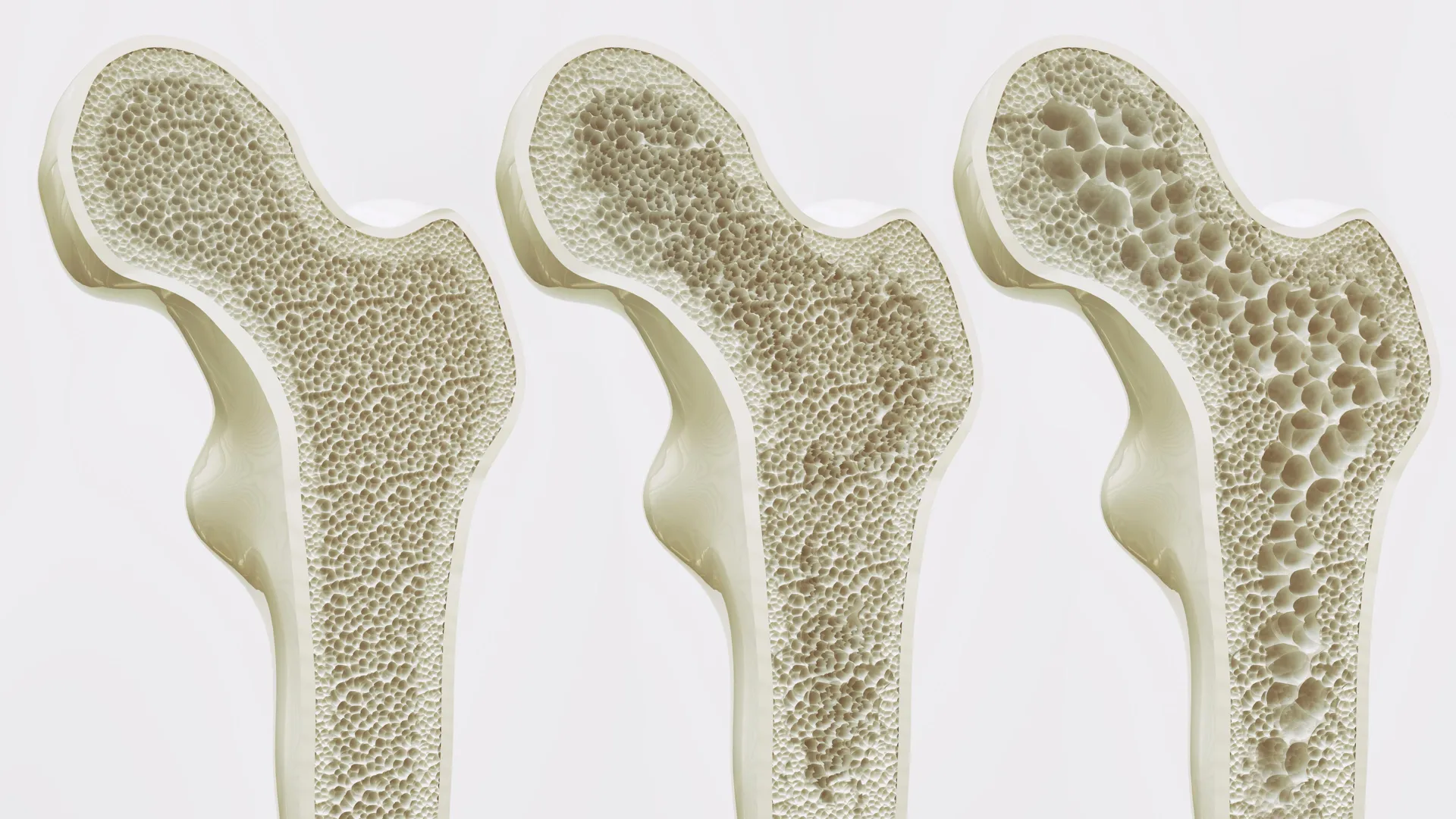
The timeline of the observation revealed a striking pattern of degradation. As the tumors grew, the researchers noticed significant erosion of the skull bone. This erosion was not random; it concentrated heavily along the sutures—the fibrous joints where the various bones of the skull fuse together. To ensure this was a specific trait of glioblastoma, the team compared these results against mice suffering from strokes, traumatic brain injuries, and non-neurological cancers. In these control groups, the skull remained intact, suggesting that glioblastoma possesses a unique mechanism for remodeling the bone.
Data Synthesis: Confirming the Human Connection
To validate their findings beyond animal models, the Einstein team conducted a retrospective analysis of CT scans from human patients diagnosed with glioblastoma. The results mirrored the laboratory observations with startling accuracy. Human patients exhibited significant thinning of the skull in the exact regions—the sutures—where the mouse models had shown bone loss.
This bone erosion serves a specific biological purpose for the tumor. The study found that the degradation of the skull bone led to an increase in both the number and the diameter of the skull-to-brain channels. These widened pathways essentially become "superhighways" for molecular signaling. The researchers hypothesized that the tumor sends specific biochemical instructions through these channels into the skull’s marrow, effectively "reprogramming" the immune cells produced there before they even reach the brain.
The Immune Landscape: A Shift Toward Inflammation
The most significant finding regarding the systemic impact of glioblastoma involved the immune cell composition within the skull marrow. Using single-cell RNA sequencing—a high-resolution technique that allows scientists to see which genes are active in individual cells—the team mapped the immune environment of the marrow.
The data revealed a dramatic and detrimental shift:
- Pro-inflammatory Myeloid Cells: The levels of inflammatory neutrophils nearly doubled. These cells, while typically part of the body’s first line of defense, can be co-opted by tumors to promote growth and suppress more effective immune responses.
- B Cell Depletion: The researchers observed a near-total elimination of several types of B cells, including those responsible for producing antibodies.
- T Cell Alteration: The balance of T cells, the "soldiers" of the immune system, was also disrupted, rendering them less effective at recognizing and attacking the tumor.
"The skull-to-brain channels allow an influx of these numerous pro-inflammatory cells from the skull marrow to the tumor, rendering the glioblastoma increasingly aggressive," explained study co-author E. Richard Stanley, Ph.D. This discovery highlights a crucial "pro-tumor" feedback loop: the tumor alters the marrow to produce inflammatory cells, which then travel back through the channels to help the tumor grow and resist treatment.
Systemic Paradox: Skull Marrow vs. Femur Marrow
One of the most intriguing aspects of the study was the localized nature of the marrow’s reaction. While the cancer had a systemic effect, the response was not uniform across the body. The researchers compared the marrow in the skull to the marrow in the femur (thigh bone).
They found that glioblastoma activated genes in the skull marrow that boosted the production of inflammatory cells. Conversely, in the femur marrow, the cancer suppressed the genes necessary for producing various immune cells. This suggests that the tumor exerts a specialized, "remote-control" influence over the bone marrow closest to it, while simultaneously dampening the body’s overall immune capacity at more distant sites. This dual-action strategy allows the tumor to thrive locally while preventing the body from mounting a systemic defense.
The Osteoporosis Drug Conflict
Perhaps the most clinically significant discovery involves the use of common medications. Because glioblastoma causes bone loss, the researchers tested whether FDA-approved anti-osteoporosis drugs could mitigate the damage. They administered two common treatments: zoledronic acid and denosumab.
While both drugs successfully halted the erosion of the skull bone, the results for the cancer itself were alarming. Zoledronic acid was found to actually accelerate tumor progression in one type of glioblastoma. More importantly, both drugs interfered with the efficacy of immunotherapy. Specifically, they blocked the beneficial effects of anti-PD-L1 drugs, a class of immunotherapy designed to "unmask" cancer cells so that T cells can attack them.
This finding has immediate implications for clinical practice. Patients with brain cancer are often older and may already be taking osteoporosis medications, or they may be prescribed bone-strengthening agents to combat the side effects of steroids used to reduce brain swelling. The Einstein study suggests that these common prescriptions could be inadvertently neutralizing some of the most promising new treatments in the oncology pipeline.
Official Responses and Scientific Implications
The research has sent ripples through the National Cancer Institute-designated cancer centers. Dr. Jinan Behnan emphasized that this discovery explains why local treatments—such as surgery and targeted radiation—have historically failed to prevent recurrence. "Our discovery that this notoriously hard-to-treat brain cancer interacts with the body’s immune system may help explain why current therapies have failed," she stated.
Outside experts in the field of neuro-immunology have noted that this research validates the "systemic disease" model for glioblastoma. The study suggests that the "Standard of Care" may eventually need to include "marrow-tuning" therapies—treatments designed to restore the balance of B and T cells in the skull marrow while suppressing the production of harmful neutrophils.
Broader Impact and Future Directions
The implications of the Einstein study extend beyond glioblastoma. If other aggressive brain tumors utilize similar skull-to-brain channels to manipulate the immune system, this research could provide a blueprint for treating various forms of primary and metastatic brain cancer.
The next steps for the research team involve identifying the specific molecular signals the tumor uses to communicate with the bone marrow. By "intercepting" these signals, scientists may be able to prevent the skull marrow from being reprogrammed, effectively cutting off the tumor’s supply of pro-inflammatory support cells.
Furthermore, the study serves as a cautionary tale for the use of repurposed drugs. The discovery that osteoporosis medications can fuel tumor growth highlights the need for more rigorous testing of how non-cancer drugs interact with the unique microenvironment of the brain.
As the oncology community moves toward more personalized medicine, the Einstein study underscores the necessity of looking beyond the tumor itself. By treating the skull and the immune system as integral parts of the disease, researchers hope to finally break the 15-month survival ceiling that has defined glioblastoma for nearly two decades. The transition from viewing glioblastoma as a "brain disease" to a "systemic skeletal-neural disorder" may be the key to developing the next generation of life-saving therapies.












Leave a Reply