


The discovery of a single molecular switch essential for blood stem cells to enter an activated, regenerative state marks a significant milestone in regenerative medicine, potentially transforming the landscape of bone marrow transplants and gene therapies. Led by investigators at Weill Cornell Medicine, a preclinical study has identified the protein FLI-1 as the primary regulator that dictates whether blood stem cells remain in a state of "hibernation" or begin the rapid multiplication necessary to replenish a patient’s blood and immune systems. This finding, published in the journal Nature Immunology, addresses a long-standing challenge in hematology: the difficulty of expanding and activating adult stem cells for therapeutic use without increasing the risk of malignant transformations.
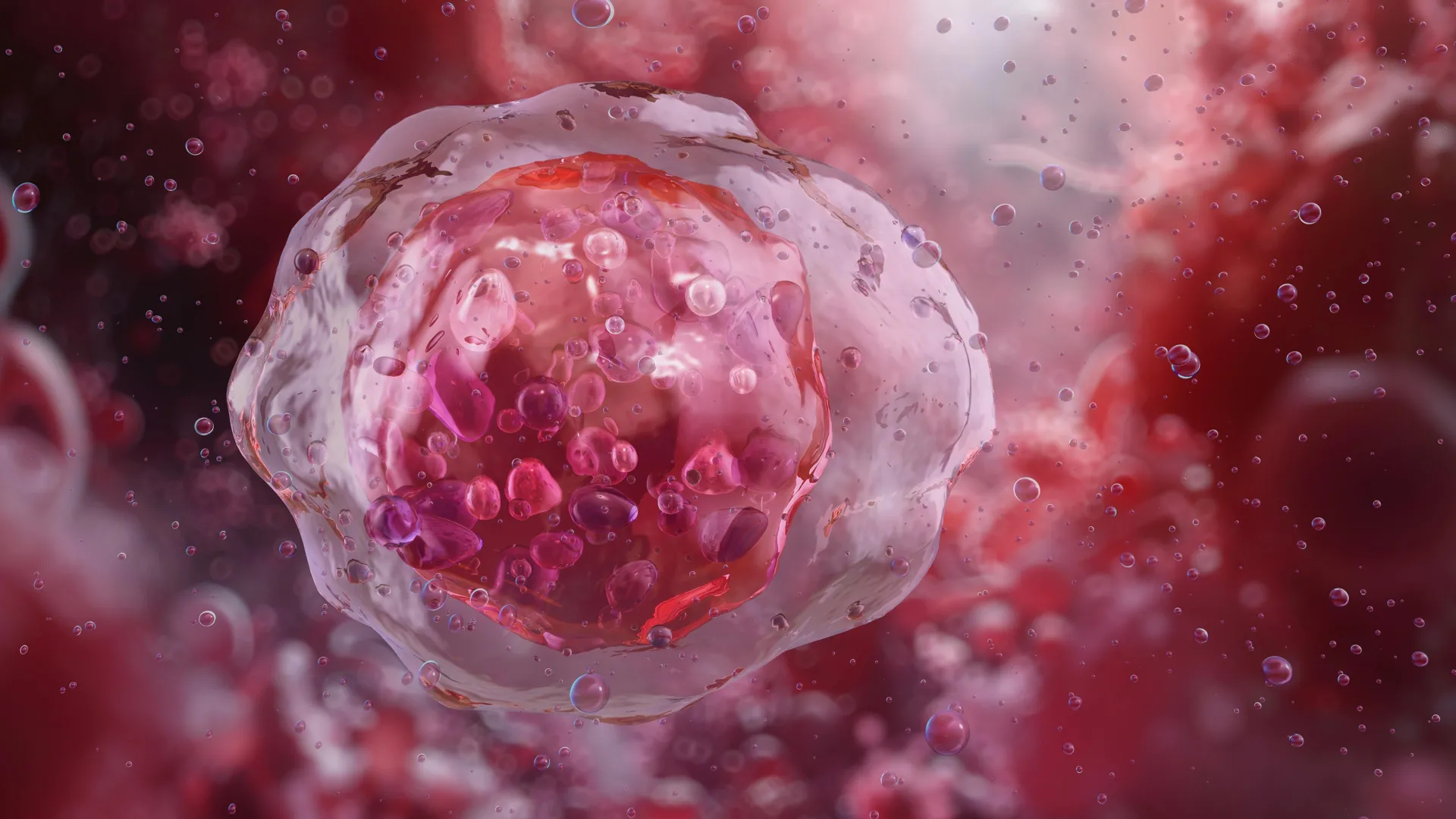
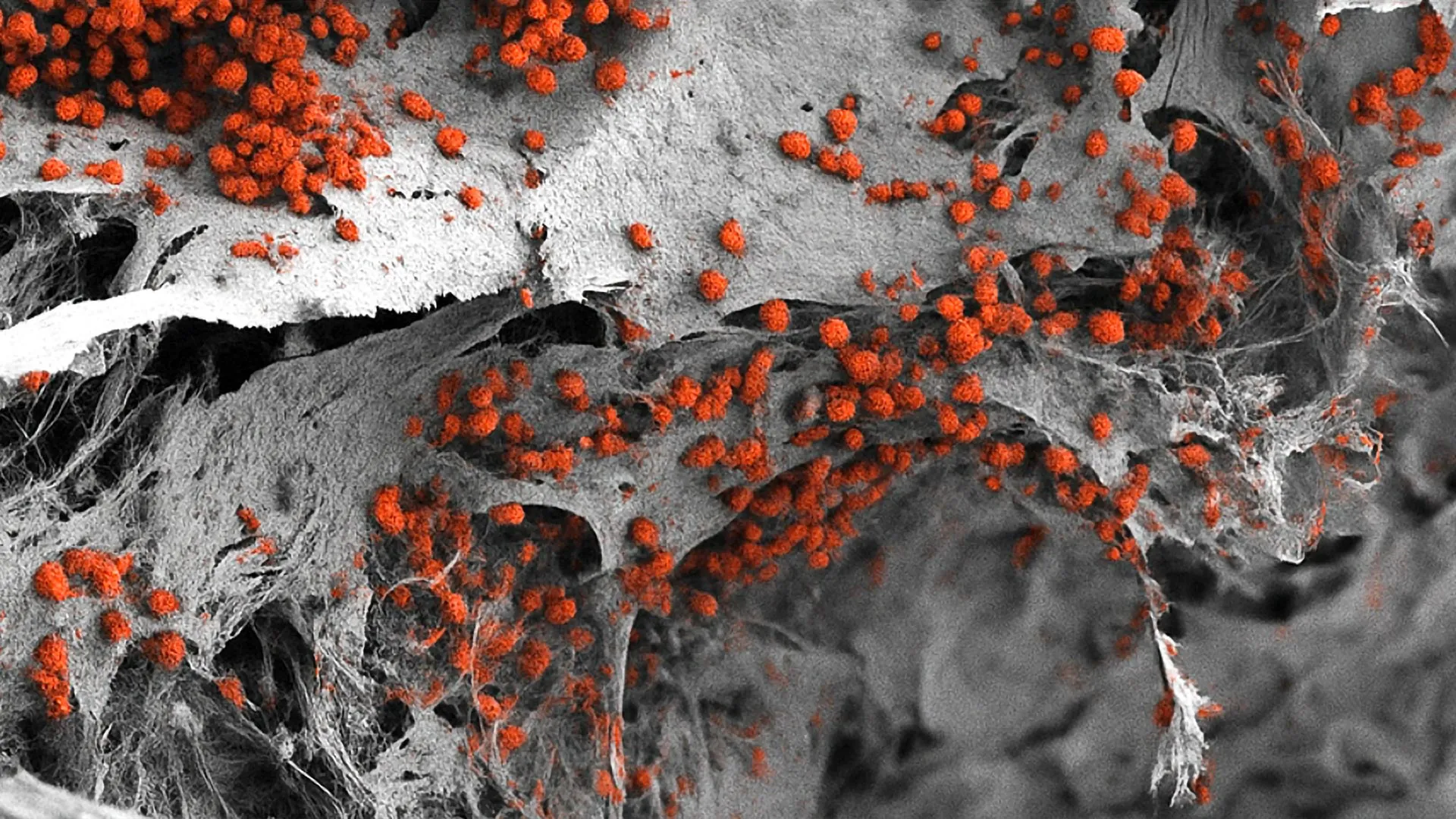
Blood stem cells, or hematopoietic stem cells (HSCs), are the foundational units of the circulatory and immune systems. In a healthy individual, these cells reside primarily within the bone marrow in a quiescent state, dividing slowly to maintain a stable pool. However, when the body experiences trauma, severe infection, or the depletion of blood cells due to chemotherapy, these stem cells must "wake up" and enter an activated state. In this state, they migrate to the bloodstream and differentiate into various mature cell types, including oxygen-carrying red blood cells and pathogen-fighting white blood cells. The ability to control this transition artificially has been a "holy grail" for researchers seeking to improve the outcomes of bone marrow transplants, which are often limited by the quantity and quality of donor cells.
The Biological Foundation of Blood Regeneration
To understand the impact of the FLI-1 discovery, one must consider the delicate balance of the bone marrow microenvironment. Stem cells do not operate in a vacuum; their behavior is governed by a complex interplay of internal genetic signals and external cues from their surroundings, known as the "vascular niche." This niche is composed largely of specialized endothelial cells that line the blood vessels within the marrow.
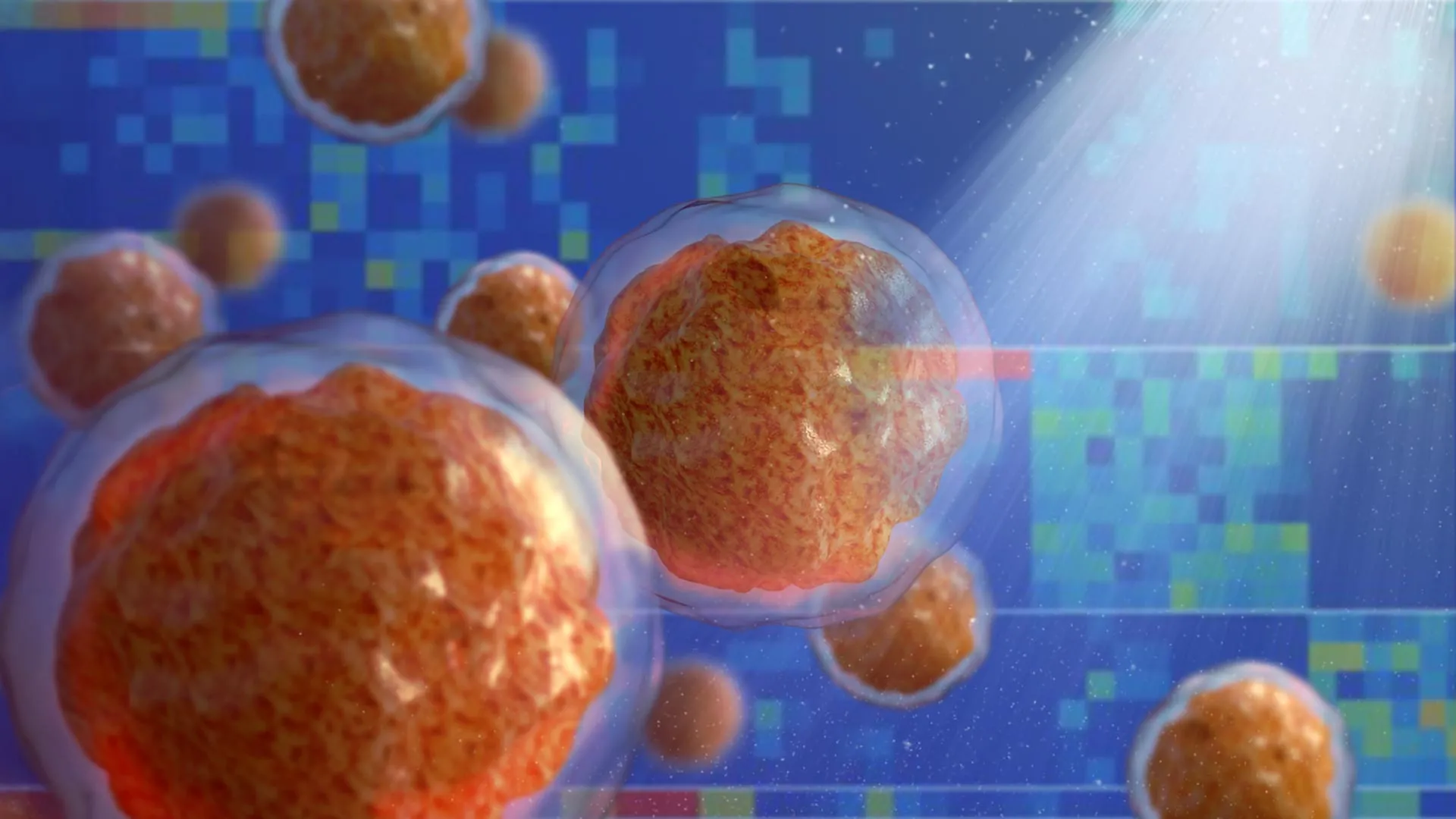
Prior to this study, the specific mechanism that allowed stem cells to sense the need for regeneration and subsequently activate their internal machinery was poorly understood. The Weill Cornell team, utilizing advanced single-cell profiling and computational modeling, sought to map the differences in gene expression between dormant and active HSCs. By analyzing thousands of individual cells, the researchers were able to identify the unique genetic signature of activated stem cells.
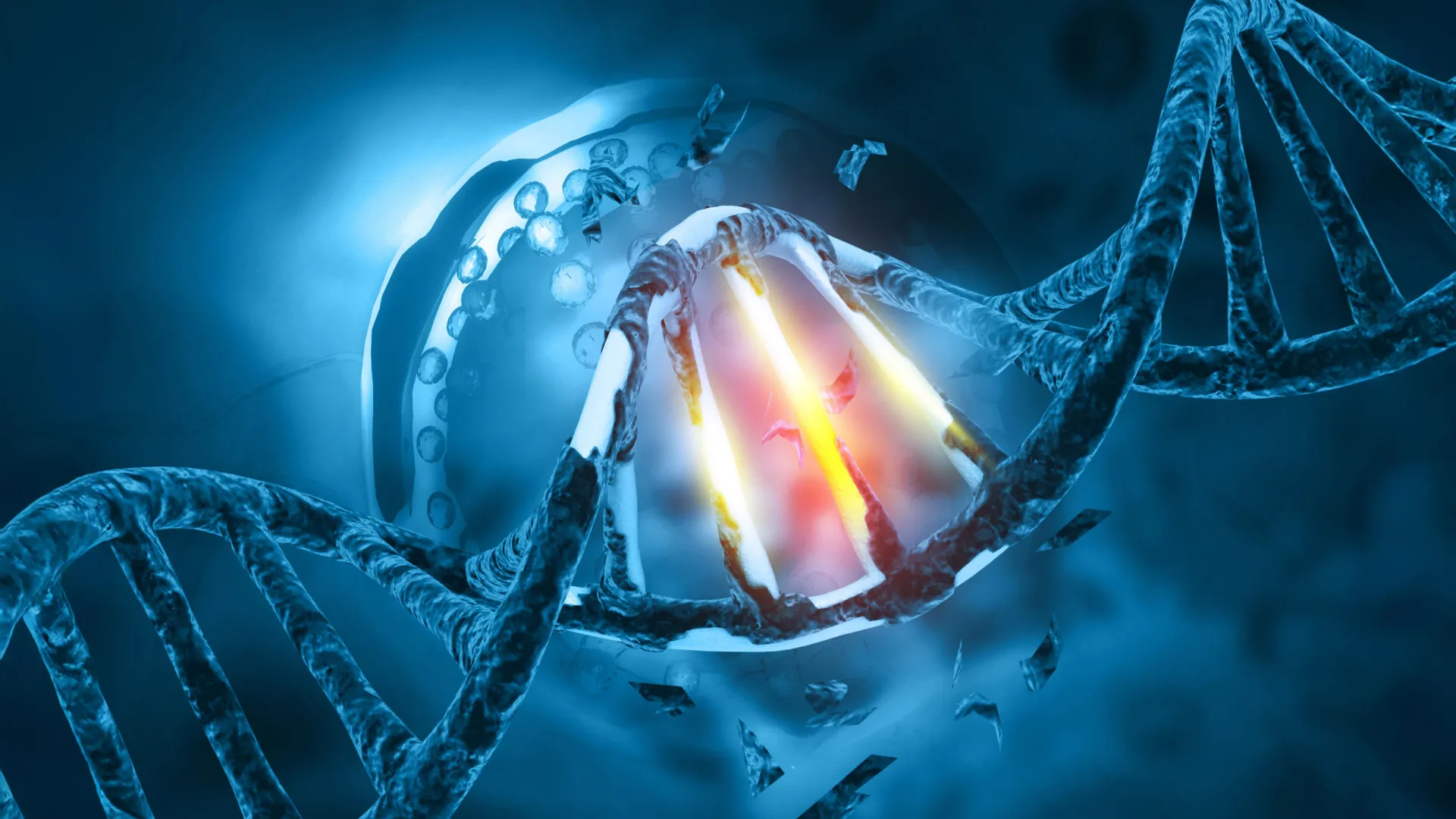
The investigation zeroed in on FLI-1, a DNA transcription-regulating protein. Transcription factors like FLI-1 act as master controllers, capable of turning thousands of other genes on or off simultaneously. The researchers found that while FLI-1 is largely absent or inactive in quiescent cells, its presence is mandatory for the cells to begin the regenerative process. Without FLI-1, stem cells remain locked in a state of dormancy, unable to interact effectively with the surrounding vascular niche or respond to the body’s demands for new blood production.
Identifying the FLI-1 Catalyst and the Vascular Niche
A critical aspect of the study was the revelation that FLI-1 does more than just trigger cell division; it orchestrates a physical and chemical "handshake" between the stem cells and the endothelial cells of the bone marrow. The researchers demonstrated that the absence of FLI-1 essentially shuts down the communication channels between these two cell types. Conversely, when FLI-1 activity is restored, the stem cells regain their ability to co-adapt with the vascular niche.
This co-adaptability is vital for successful engraftment—the process by which transplanted stem cells find their way to the bone marrow and begin producing new blood. Dr. Shahin Rafii, the study’s senior author and director of the Hartman Institute for Therapeutic Organ Regeneration at Weill Cornell Medicine, emphasized that stem cell activity is not autonomous. Instead, it relies on a reciprocal signaling pathway between the stem cells and the blood vessels. By boosting FLI-1, the researchers were able to "prime" the stem cells, making them more receptive to the signals provided by the host’s environment, thereby increasing the speed and efficiency of the transplant.
Bridging the Gap Between Adult and Cord Blood Stem Cells
The study also provided a scientific explanation for a phenomenon that has puzzled hematologists for decades: why stem cells derived from umbilical cord blood possess a much higher regenerative capacity than those harvested from adult donors. Umbilical cord blood is a rich source of HSCs, but the volume available from a single birth is often insufficient for an adult recipient.
The research team compared the genetic profiles of human umbilical cord-derived stem cells with those of adult stem cells. They discovered that cord blood cells naturally maintain higher levels of FLI-1 activity, which accounts for their superior ability to interact with the regenerative vascular niche and expand rapidly. By transiently introducing FLI-1 into adult stem cells, the researchers were able to "rejuvenate" them, giving them the high-potency characteristics typically seen only in neonatal cells. This suggests that adult donors, who may have fewer viable stem cells due to age or prior medical treatments, could still provide effective transplants if their cells are properly primed.
A Technological Breakthrough: Transient mRNA Stimulation
One of the primary concerns with manipulating transcription factors like FLI-1 is the risk of cancer. Overactivity of FLI-1 is a known driver in certain types of leukemia and Ewing sarcoma. To circumvent this danger, the research team utilized a cutting-edge approach similar to the technology used in modified mRNA-based vaccines.
Rather than permanently altering the stem cells’ DNA, which could lead to uncontrolled growth, the researchers used modified mRNA to produce a "burst" of FLI-1 protein that lasts for only a few days. This duration is sufficient to wake the cells from their quiescent state and prepare them for transplant, but the mRNA naturally degrades before it can cause any long-term genetic instability.
Dr. Tomer Itkin, co-first author of the study and director of Tel Aviv University’s Neufeld Cardiovascular Research Institute, noted that the stem cells primed in this manner demonstrated durable engraftment in preclinical models without any evidence of oncogenic transformation. This "hit-and-run" strategy ensures that the benefits of activation are realized while the risks of malignancy are mitigated.
Overcoming the Limitations of Modern Bone Marrow Transplants
The clinical implications of this discovery are vast, particularly for patients undergoing treatment for blood cancers like leukemia and lymphoma. In many cases, these patients undergo intensive chemotherapy or radiation that destroys their own bone marrow. A transplant of healthy stem cells is required to rebuild their immune system. However, if the donor supply is limited or if the patient’s own stored cells have been damaged by previous treatments, the transplant may fail or take too long to "take," leaving the patient vulnerable to fatal infections.
Furthermore, the rise of gene therapy for disorders such as beta-thalassemia and sickle cell anemia has created a new need for efficient stem cell expansion. In these therapies, a patient’s stem cells are harvested, genetically corrected in a laboratory, and then re-infused. This process is often hampered by the fragility of the cells during the lab phase. A method to safely expand these cells using FLI-1 could significantly lower the cost and increase the success rate of these life-saving procedures.
Chronology of the Research and Future Directions
The journey to identifying FLI-1 involved several years of multi-disciplinary effort, combining high-throughput sequencing with complex bioinformatics.
- Initial Discovery Phase: The team began by creating a "map" of the bone marrow environment, identifying the specific signals sent by endothelial cells during tissue injury.
- Single-Cell Profiling: Researchers isolated individual HSCs and used RNA sequencing to determine which genes were active during the transition from dormancy to activation.
- Protein Identification: FLI-1 emerged as the top candidate among thousands of potential regulators.
- Functional Validation: Using CRISPR and other gene-editing tools, the team proved that without FLI-1, regeneration was impossible.
- mRNA Implementation: The final stage involved developing the transient mRNA delivery system to prove the therapeutic potential in animal models.
Looking forward, the researchers plan to scale up this mRNA-based method for use in human clinical trials. The goal is to create a standardized protocol where donor stem cells—whether from bone marrow, peripheral blood, or cord blood—are treated with FLI-1 mRNA before infusion to ensure maximum efficacy.
Broader Implications for Hematology and Precision Medicine
The success of this study underscores the importance of "precision medicine"—the idea that treatments should be tailored to the specific molecular mechanisms of a disease or biological process. By identifying the exact switch that controls stem cell behavior, doctors can move away from "one-size-fits-all" transplant protocols and toward more targeted interventions.
Sean Houghton, a co-first author and bioinformatics analyst, highlighted that this research clarifies the relationship between stem cells and their environment. It proves that the "soil" (the vascular niche) and the "seed" (the stem cell) must be in perfect sync for growth to occur. This insight could lead to new treatments not just for blood disorders, but for any condition involving tissue regeneration, from heart disease to neurodegenerative disorders.
The study was a collaborative effort involving several departments at Weill Cornell Medicine, including the Ansary Stem Cell Institute and the Englander Institute for Precision Medicine. It was supported by multiple grants from the National Institutes of Health (NIH), reflecting the high level of scientific interest in the findings. As the medical community moves closer to human trials, the FLI-1 switch stands as a beacon of hope for thousands of patients awaiting more effective and safer regenerative therapies. For those with limited donor options or aggressive blood disorders, the ability to "wake up" the body’s own healing mechanisms could mean the difference between a failed procedure and a full recovery.









Leave a Reply