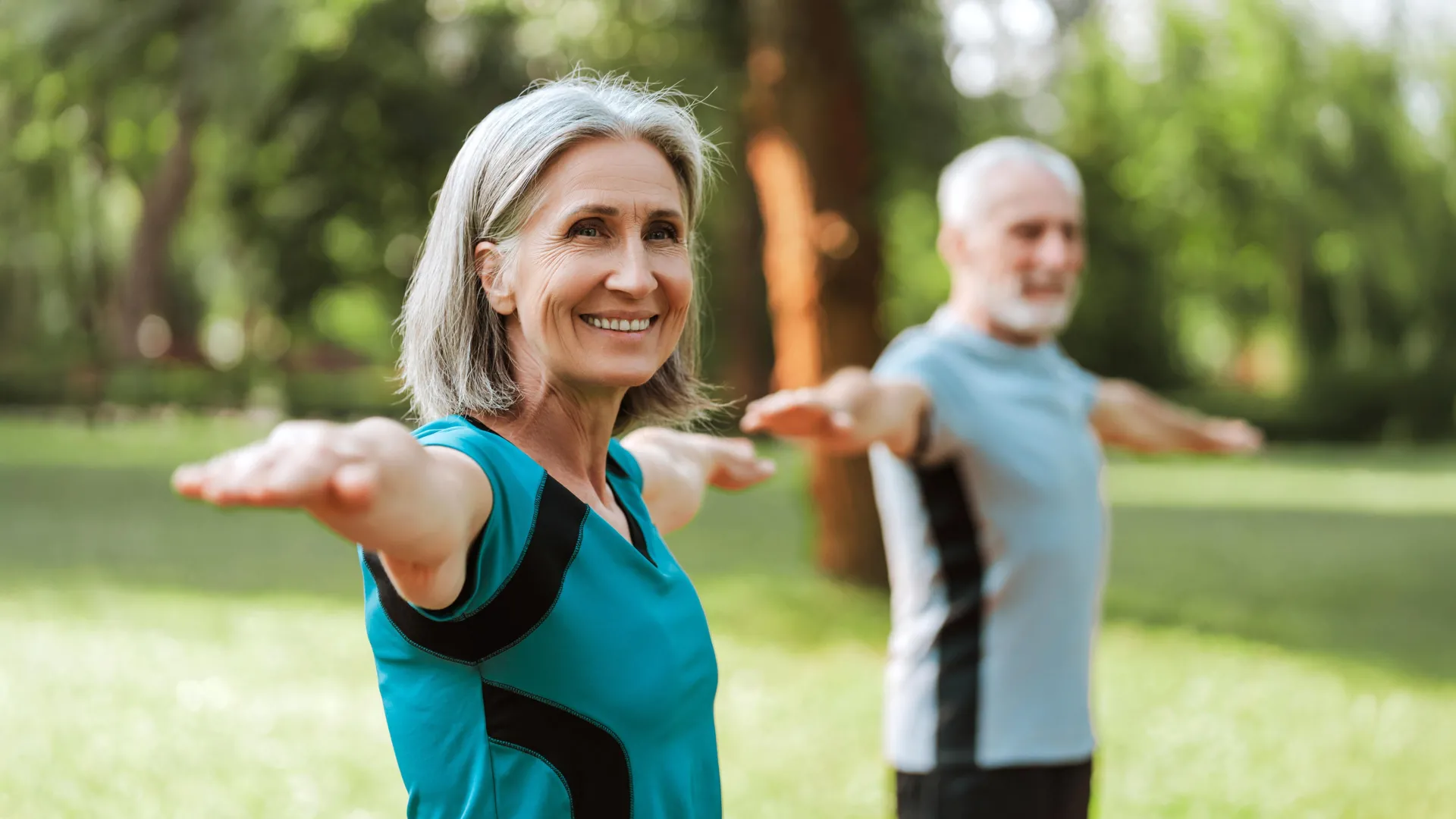
A landmark randomized clinical trial published in JACC, the flagship journal of the American College of Cardiology, has revealed that Baduanjin, an ancient Chinese exercise system, is as effective as brisk walking in reducing blood pressure among adults with hypertension. The study, conducted by researchers at the National Center for Cardiovascular Diseases in Beijing, underscores the potential for traditional mind-body exercises to serve as high-value, low-cost interventions in the global fight against heart disease. Over the course of a one-year observation period, participants practicing Baduanjin showed significant and sustained improvements in both office-based and 24-hour ambulatory blood pressure readings, matching or exceeding the results typically seen in conventional aerobic exercise regimens.
High blood pressure, or hypertension, remains the leading preventable risk factor for cardiovascular disease, contributing to millions of strokes and heart attacks annually. While clinical guidelines consistently advocate for increased physical activity, many patients struggle with long-term adherence due to various barriers, including the cost of gym memberships, the need for specialized equipment, and the physical strain of high-impact workouts. The findings of this trial suggest that Baduanjin—a routine characterized by slow, fluid movements and deep breathing—offers a viable and accessible alternative for individuals seeking to manage their cardiovascular health without the logistical burdens of traditional exercise.
The Science of Baduanjin: A Holistic Approach to Cardiovascular Health
Baduanjin, which translates to the "Eight Pieces of Brocade," dates back over 800 years to the Song Dynasty. It consists of eight distinct movements, each designed to target different physiological systems. Unlike purely aerobic exercises like jogging or cycling, Baduanjin integrates flexibility training, isometric muscle contraction, and mindfulness. This combination aims to harmonize the body’s internal state, focusing on posture, breath control, and mental focus.
In a typical 10-to-15-minute session, practitioners move through sequences such as "Holding the Sky with Both Hands" and "Drawing the Bow to Shoot the Hawk." These movements, while appearing gentle, require significant core stability and controlled muscle engagement. From a Western medical perspective, the efficacy of Baduanjin is believed to stem from its impact on the autonomic nervous system. By emphasizing slow, diaphragmatic breathing, the practice may enhance parasympathetic activity and reduce sympathetic "fight-or-flight" responses, which are often elevated in patients with chronic hypertension. Additionally, the isometric nature of the poses can improve vascular endothelial function, helping blood vessels dilate more effectively.
Methodology of the Randomized Clinical Trial
The study was designed as a multicenter, randomized controlled trial to ensure the highest level of clinical evidence. Researchers recruited 216 adults from seven different communities in China. To be eligible, participants had to be at least 40 years old and exhibit "prehypertension" or "Stage 1 hypertension," defined by the American College of Cardiology (ACC) and the American Heart Association (AHA) as having a systolic blood pressure (SBP) between 130 and 139 mm Hg.
The participants were randomly assigned to one of three groups for a 52-week intervention period:
- The Baduanjin Group: Participants practiced the eight-movement routine five days a week.
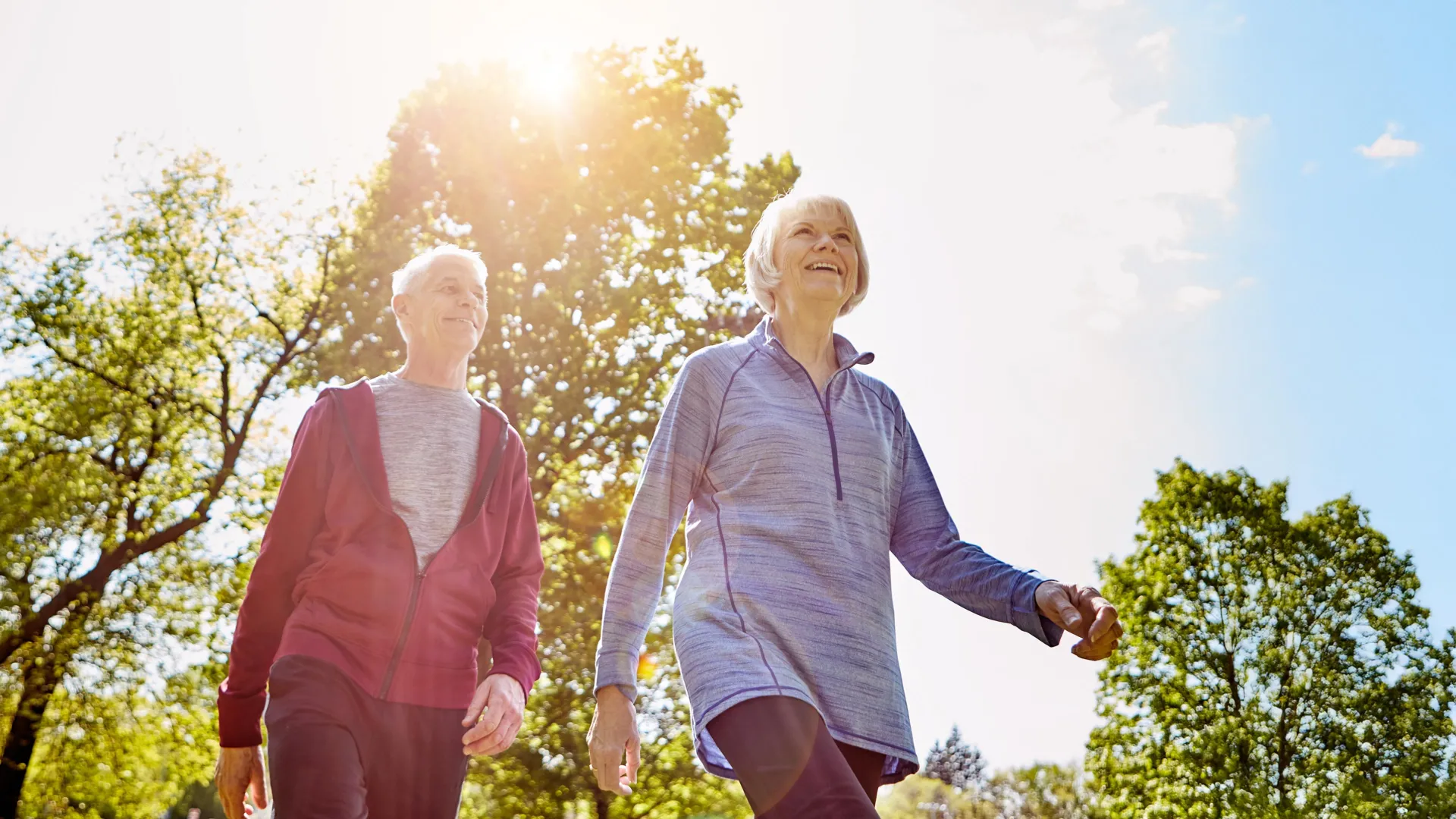
- The Brisk Walking Group: Participants engaged in moderate-intensity aerobic walking, the standard recommendation for hypertension management.
- The Self-Directed Exercise Group: This served as the control group, where participants were given basic health education but no structured exercise program.
The primary endpoint of the study was the change in 24-hour ambulatory systolic blood pressure. Unlike a single "snapshot" reading taken in a doctor’s office, 24-hour monitoring provides a comprehensive view of a patient’s blood pressure throughout their daily activities and during sleep, offering a more accurate assessment of cardiovascular risk.
Comparative Data and Key Findings
The results of the trial, measured at the 12-week and 52-week marks, provided compelling evidence for the efficacy of the ancient practice. After the initial three months of supervised training, the Baduanjin group showed a significant reduction in blood pressure. These benefits did not plateau; rather, they were maintained through the full year of the study, even as the intensity of supervision decreased.
Specifically, compared to the self-directed exercise group, those practicing Baduanjin lowered their 24-hour systolic blood pressure by an average of 3 mm Hg. When looking at office-based readings—the traditional metric used in clinical settings—the reduction was even more pronounced, with an average drop of 5 mm Hg. Notably, these results were statistically comparable to the group assigned to brisk walking, which has long been considered the "gold standard" for non-pharmacological blood pressure management.
Researchers highlighted that a 5 mm Hg reduction in systolic blood pressure, while seemingly modest, is clinically significant. Large-scale meta-analyses have shown that even a 2 mm Hg drop in SBP can reduce the risk of stroke mortality by 10% and mortality from ischemic heart disease by 7% in middle-aged populations. The effect size observed in this Baduanjin trial is comparable to the results achieved by some first-line antihypertensive medications, such as low-dose diuretics or ACE inhibitors, but without the risk of side effects like fatigue, dizziness, or electrolyte imbalances.
Chronology and Long-Term Adherence
One of the most significant challenges in public health is the "adherence gap"—the tendency for patients to abandon lifestyle changes after the initial enthusiasm fades. The chronology of this study was specifically designed to test whether Baduanjin could overcome this hurdle.
- Weeks 1–12: Participants in the Baduanjin and walking groups received supervised training sessions to ensure proper technique and consistency.
- Weeks 13–52: Supervision was gradually phased out, and participants were encouraged to continue their routines independently in their own homes or local parks.
The data at 52 weeks showed that the Baduanjin group had a higher rate of continued participation compared to traditional exercise groups in historical data. Because the routine is low-impact and requires no specialized attire or equipment, participants found it easier to integrate into their daily lives. "Given its simplicity, safety, and the ease at which one can maintain long-term adherence, Baduanjin can be implemented as an effective, accessible, and scalable lifestyle intervention," stated Dr. Jing Li, the study’s senior author and Director of the Department of Preventive Medicine at the National Center for Cardiovascular Diseases in Beijing.
Expert Reactions and the Shift Toward Integrative Cardiology
The publication of this study in JACC marks a significant moment in the validation of traditional medicine through the lens of modern, high-quality research. Dr. Harlan M. Krumholz, Editor-in-Chief of JACC and a professor at the Yale School of Medicine, emphasized the global implications of the trial.
"Baduanjin has been practiced in China for over 800 years, and this study demonstrates how ancient, accessible, low-cost approaches can be validated through high-quality randomized research," Dr. Krumholz noted. He further explained that the "blood pressure effect size is similar to that seen in landmark drug trials, but achieved without medication, cost, or side effects." This endorsement from one of the world’s leading cardiologists suggests a growing openness within the medical community to "prescribing" mind-body exercises alongside or even as a precursor to pharmaceutical interventions.
Medical analysts suggest that the study’s success may lead to a broader inclusion of Baduanjin and similar practices (like Tai Chi or Qi Gong) in clinical guidelines worldwide. In resource-limited settings where access to antihypertensive drugs may be inconsistent or expensive, these scalable lifestyle interventions could provide a critical line of defense against the rising tide of cardiovascular disease.
Broader Implications for Public Health Policy
The implications of this trial extend beyond individual patient care to broader public health policy. As global healthcare systems grapple with the rising costs of chronic disease management, there is an urgent need for "social prescriptions"—interventions that leverage community resources and cultural traditions to improve health outcomes.
The scalability of Baduanjin is perhaps its most potent feature. Because it can be practiced in a small space—such as a living room, a park, or even an office breakroom—it eliminates the "geospatial barrier" to exercise. Furthermore, its low-intensity nature makes it safe for elderly populations or those with limited mobility who might find brisk walking difficult due to joint pain or balance issues.
The trial also highlights the importance of the "mind-body" connection in hypertension. By addressing the psychological stressors that contribute to high blood pressure, Baduanjin provides a more holistic intervention than physical activity alone. The mindfulness component helps patients develop a greater awareness of their physiological state, potentially leading to better stress management and improved overall well-being.
Future Research and Conclusion
While the results are definitive for Stage 1 hypertension, researchers suggest that future studies should investigate whether Baduanjin can provide similar benefits for patients with more severe, Stage 2 hypertension, or if it can be used to reduce the dosage requirements for patients already on multiple medications. Additionally, further research into the molecular mechanisms—such as the effect of these movements on inflammatory markers and oxidative stress—could provide a deeper understanding of why this ancient practice is so effective.
In conclusion, the clinical trial published in JACC provides robust evidence that Baduanjin is a powerful tool for blood pressure regulation. By matching the efficacy of brisk walking while offering superior ease of use and adherence, this 800-year-old practice has proven its relevance in the 21st-century medical landscape. As the global medical community continues to seek sustainable solutions for heart health, the "Eight Pieces of Brocade" may soon become a standard recommendation in cardiovascular clinics worldwide, offering a bridge between ancient wisdom and modern evidence-based medicine.