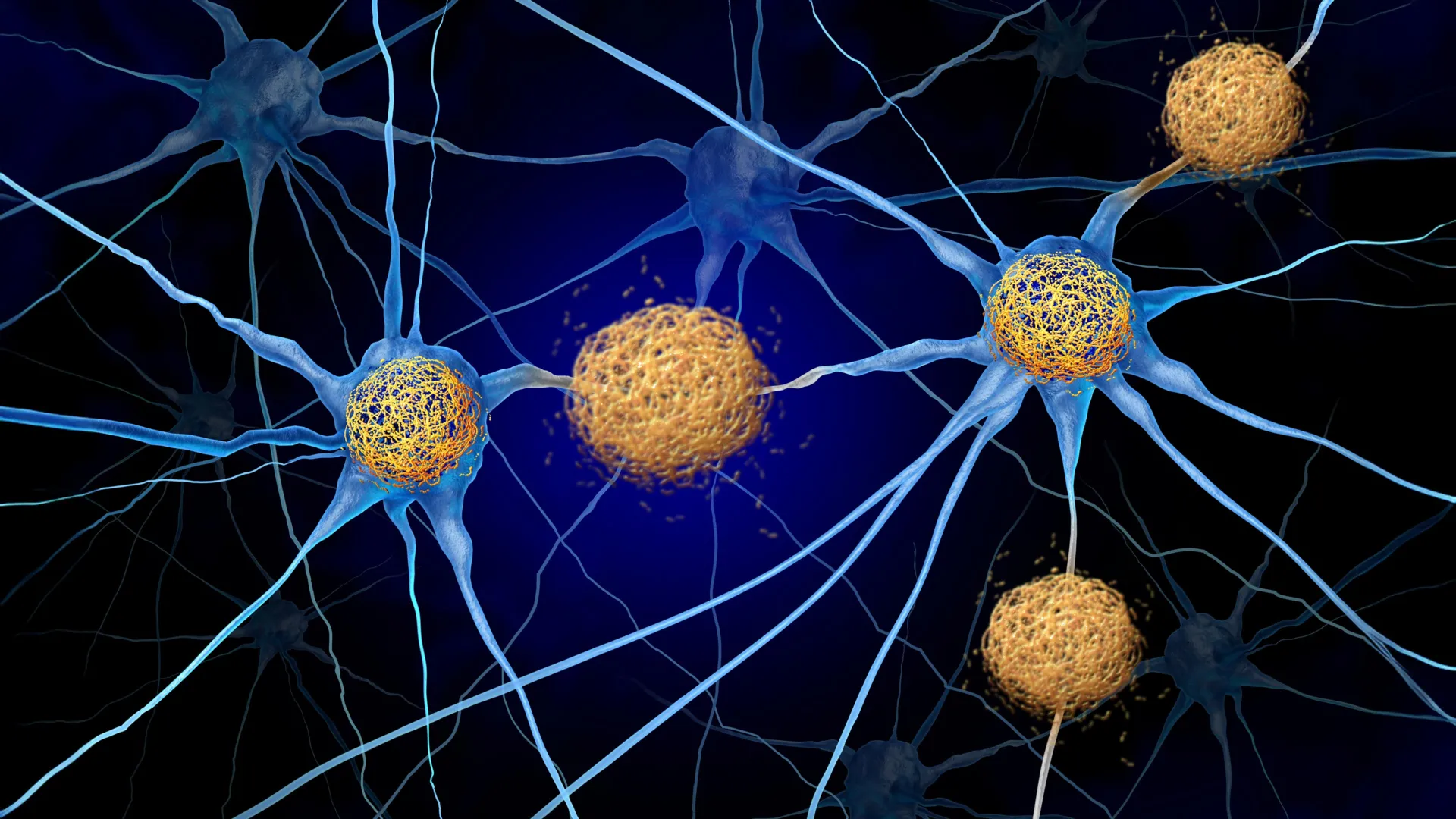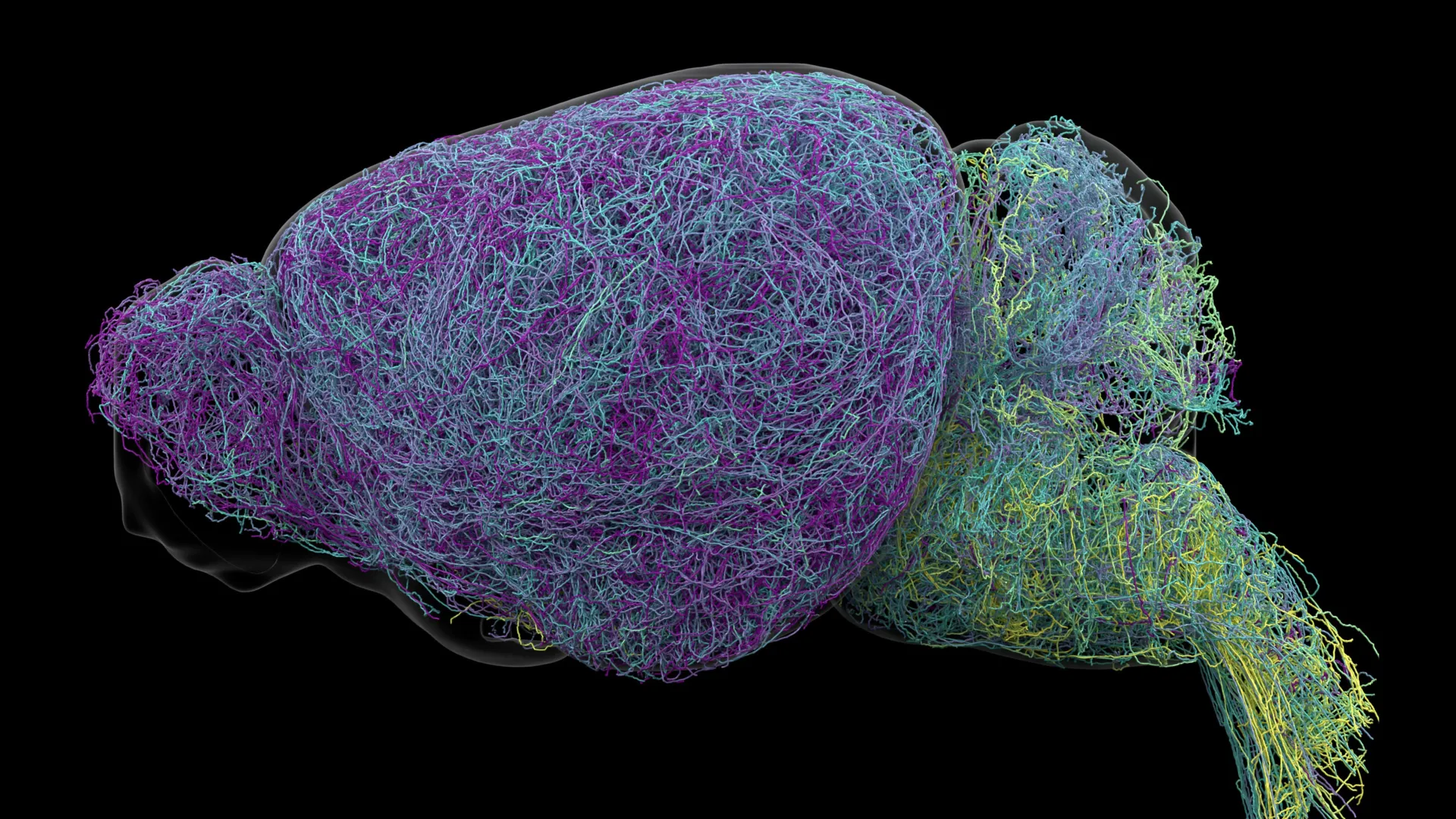
A drug combination that has become a cornerstone of modern longevity research may carry unforeseen and devastating consequences for neurological health, according to a new study from the University of Connecticut School of Medicine. The research, published in the Proceedings of the National Academy of Sciences (PNAS), reveals that the senolytic treatment known as D+Q—a pairing of the chemotherapy drug dasatinib and the plant-derived antioxidant quercetin—causes significant damage to myelin, the essential protective insulation surrounding nerve fibers in the brain.
The findings have sent ripples through the scientific community, particularly as this drug combination is currently undergoing various clinical trials for conditions ranging from Alzheimer’s disease to chronic kidney disease. While the treatment is designed to clear "senescent" or "zombie" cells that accumulate with age, the UConn study suggests that the therapy may inadvertently strike healthy, vital components of the central nervous system, leading to cognitive impairment and structural brain deterioration.
The Rise of Senolytics and the D+Q Protocol
To understand the gravity of these findings, one must look at the meteoric rise of senolytic science over the last decade. Senescence is a biological state where cells stop dividing due to damage or age but refuse to die. These "zombie cells" linger in the body, secreting inflammatory proteins that damage neighboring healthy cells. In 2015, researchers at the Mayo Clinic identified that certain drugs could selectively target and eliminate these cells, effectively "pruning" the body of age-related decay.
The most prominent of these combinations is D+Q. Dasatinib is a tyrosine kinase inhibitor primarily used to treat certain types of leukemia, while quercetin is a flavonoid found in many fruits and vegetables. Together, they have demonstrated a remarkable ability to improve physical function and lifespan in various animal models. This success led to a surge in interest among "biohackers" and longevity enthusiasts who, despite the lack of long-term human data, have begun self-administering these compounds in hopes of halting the aging process.
However, the UConn study, led by immunologist Stephen Crocker, indicates that the biological cost of this "cellular pruning" may be far higher than previously recognized, particularly within the delicate architecture of the brain.
Investigating the Impact on Myelin Integrity
The UConn research team, including lead authors Evan Lombardo and Robert Pijewski, sought to determine if the D+Q combination could assist in repairing the brain, specifically in the context of neurodegenerative diseases like multiple sclerosis (MS). Their methodology involved administering the cocktail to two distinct groups of laboratory mice: a younger cohort aged 6 to 9 months and an older cohort aged 22 months. Additionally, they conducted in vitro experiments on oligodendrocytes—the specialized glial cells responsible for creating and maintaining myelin.
Under normal conditions, healthy brain tissue displays thick, robust layers of myelin that wrap around axons, acting much like the plastic insulation on an electrical wire. This insulation is critical for the rapid transmission of electrical signals throughout the body.
The results of the study were unexpected and alarming. Rather than observing rejuvenation or repair, the researchers found that the D+Q treatment triggered a dramatic reduction in myelin thickness. This degradation was not limited to the aged mice; in fact, the younger mice experienced even more profound myelin loss than their older counterparts. This finding suggests that the drug combination may be particularly toxic to healthy, developing, or stable neurological systems that are not yet burdened by high levels of senescence.
Structural Deterioration and "Chemo Brain"
A key area of concern identified in the study was the deterioration of the corpus callosum. This massive bundle of nerve fibers serves as the primary communication bridge between the left and right hemispheres of the brain. Damage to this structure is a hallmark of several severe neurological conditions and is often associated with "chemo brain"—a state of cognitive impairment involving memory lapses, difficulty concentrating, and "mental fog" frequently reported by cancer patients.
Because dasatinib is a potent chemotherapy agent, the researchers believe its inclusion in the longevity cocktail may be the primary driver of this structural decay. The study notes that the physical changes observed in the mice’s brains closely mirror the white matter damage seen in humans undergoing aggressive cancer treatments. This raises urgent questions about the safety of using such powerful pharmaceuticals for elective anti-aging purposes in otherwise healthy individuals.
Cellular Regression: A New Understanding of Oligodendrocytes
When the researchers turned their attention to the cellular level, they discovered a phenomenon that challenges previous assumptions about how drugs affect brain cells. They found that the oligodendrocytes—the myelin-producing cells—did not actually die off after exposure to D+Q. Instead, they underwent a process of regression.
The cells appeared to revert to a "juvenile" or immature state. While they remained alive, they lost their ability to function, effectively "shrinking" in complexity and failing to maintain the myelin sheaths. Dr. Stephen Crocker explained that the drugs appear to "choke off" the energy metabolism of these cells. In response to this metabolic stress, the cells simplify their structure to survive, sacrificing their specialized role in the brain’s communication network.
"We suspect the drugs are choking off energy the cells need, and the cells respond by reducing complexity, reverting to a younger state, but less functional," Crocker stated. This discovery provides a potential breakthrough in understanding diseases like multiple sclerosis, where myelin is lost but the underlying cells often remain present, albeit inactive.
Implications for Multiple Sclerosis Research
While the study serves as a warning for the longevity community, it has provided an unexpected silver lining for the study of multiple sclerosis. The researchers noted that the regressed, dysfunctional oligodendrocytes in the D+Q-treated mice look remarkably similar to a specific population of cells found in the brains of MS patients.
Currently, MS treatments focus largely on suppressing the immune system to prevent it from attacking myelin. However, there are few treatments that can successfully "re-myelinate" or repair the damage already done. The discovery that these cells are in a state of reversible regression rather than total death offers a new therapeutic target.
"If we can mimic this, we have an amazing opportunity to see if the cells can recover and repair the brain," Crocker said. The UConn team is now pivoting their research to investigate whether these "stalled" cells can be metabolically jump-started to resume their myelin-producing duties, which could lead to a new class of regenerative therapies for MS.
The Perils of Off-Label "Biohacking"
The UConn study arrives at a time when public interest in longevity is at an all-time high. The rise of "DIY" medicine, fueled by social media and unregulated online pharmacies, has led many to experiment with D+Q and other senolytics outside of clinical supervision.
Medical professionals have expressed growing concern over this trend. Unlike vitamins or standard supplements, dasatinib is a high-potency drug with a significant side-effect profile, including pleural effusion (fluid around the lungs) and bone marrow suppression. The new evidence of myelin damage adds a layer of neurological risk that was previously undocumented.
Bioethicists and clinicians argue that the "more is better" approach to longevity can be dangerous. The UConn data suggests that the biological "cleaning" provided by senolytics may not be selective enough to spare the brain’s vital infrastructure. In the pursuit of removing "zombie cells," users may inadvertently be stripping their nerves of the insulation required for basic cognitive and motor functions.
Future Outlook and Clinical Considerations
The findings from PNAS will likely necessitate a re-evaluation of ongoing clinical trials involving D+Q. While the combination may still hold promise for treating terminal illnesses or severe age-related diseases where the benefits outweigh the risks, its profile as a general "wellness" or "preventative" treatment has been severely compromised.
Further research is required to determine if the myelin damage is permanent or if the brain can naturally recover once the drug protocol is ceased. Additionally, scientists must investigate whether the dosage levels used in anti-aging protocols—which are typically lower and more intermittent than cancer treatments—are enough to trigger the same level of oligodendrocyte regression seen in the UConn study.
As the global population ages, the search for "fountains of youth" will undoubtedly continue. However, the UConn study serves as a sobering reminder of the complexity of the human brain. It highlights the fine line between cellular rejuvenation and cellular destruction, suggesting that in our haste to live longer, we must be careful not to sacrifice the very structures that allow us to think, feel, and move.
The research was supported by various grants and involved collaboration between UConn’s Department of Neuroscience and other regional institutions. As the scientific community digests these results, the focus will likely shift toward finding more refined senolytics that can distinguish between harmful "zombie" cells and the essential "workhorse" cells that keep our nervous systems intact.