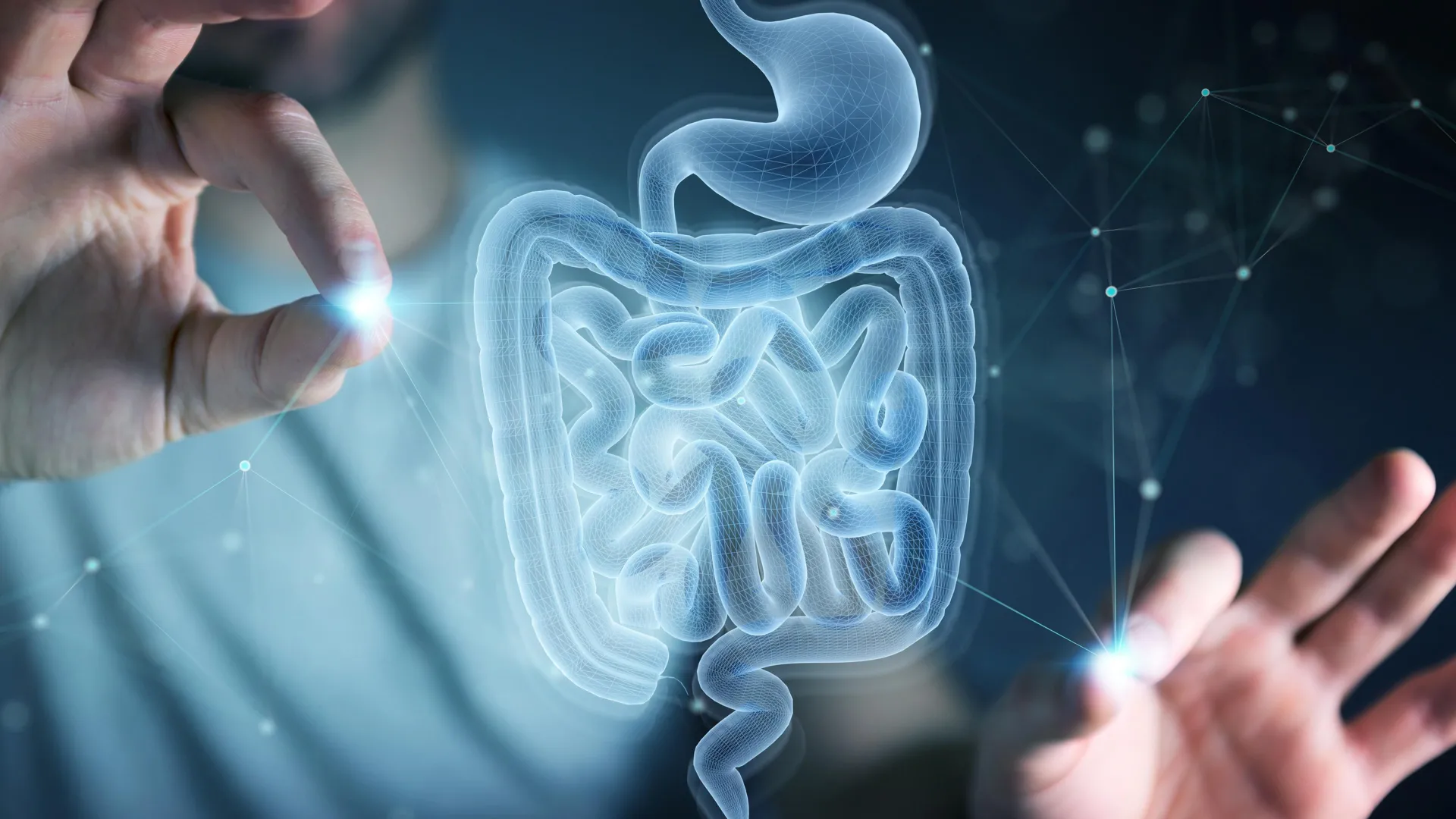
A groundbreaking discovery by researchers at the Massachusetts Institute of Technology (MIT) has unveiled the potent regenerative capabilities of a naturally occurring amino acid, cysteine, found abundantly in protein-rich foods. This seminal study, published in the prestigious journal Nature, identifies cysteine as a direct catalyst for activating an immune response that significantly boosts intestinal stem cells, thereby promoting the repair and regeneration of damaged tissue in the small intestine. The implications of this finding are far-reaching, particularly for individuals undergoing treatments like radiation therapy and chemotherapy, offering a potential avenue for mitigating treatment-related intestinal injuries and accelerating recovery.
Unlocking the Intestinal Repair Mechanism: A Cysteine-Centric Approach
For years, scientists have sought to understand the intricate mechanisms governing intestinal health and the body’s remarkable capacity for self-repair. While broader dietary interventions, such as caloric restriction and intermittent fasting, have been recognized for their positive influence on stem cell activity, the precise role of individual nutrients remained largely elusive. This new research from MIT, led by Omer Yilmaz, director of the MIT Stem Cell Initiative and an associate professor of biology, marks a significant leap forward by pinpointing cysteine as a singular nutrient capable of directly enhancing intestinal stem cell regeneration.
The study’s genesis lies in the team’s meticulous investigation into how specific dietary components impact stem cell function and tissue integrity. Through a series of experiments involving mice, researchers systematically fed the animals diets enriched with each of the 20 standard amino acids. Their objective was to quantify the regenerative effects of each amino acid on intestinal stem cells. The results were striking: cysteine emerged as the clear frontrunner, demonstrating the most robust regenerative effect on both intestinal stem cells and their progeny, known as progenitor cells, which are destined to mature into the diverse cell types that line the intestine.
The Molecular Cascade: From Cysteine to Immune Activation
The MIT researchers delved deeper to elucidate the precise biological pathway through which cysteine exerts its regenerative influence. Their findings reveal a fascinating molecular cascade initiated when intestinal cells absorb cysteine from dietary sources. Inside these cells, cysteine is converted into a crucial molecule known as CoA (Coenzyme A). This vital compound is then released into the intestinal lining, where it is readily absorbed by a specific population of immune cells called CD8 T cells.
Upon absorbing CoA, these CD8 T cells undergo a significant activation process. This activation triggers their proliferation and, critically, the production of Interleukin-22 (IL-22), a signaling protein belonging to the cytokine family. IL-22 is a well-established player in maintaining intestinal barrier function and promoting tissue repair. However, this study uncovers a previously unrecognized role for CD8 T cells in producing IL-22 in a manner that directly supports intestinal stem cell renewal.
"What’s really exciting here is that feeding mice a cysteine-rich diet leads to the expansion of an immune cell population that we typically don’t associate with IL-22 production and the regulation of intestinal stemness," explained Professor Yilmaz. "What happens in a cysteine-rich diet is that the pool of cells that make IL-22 increases, particularly the CD8 T-cell fraction." This discovery challenges existing paradigms in immunology and stem cell biology, highlighting a novel interplay between diet, the immune system, and tissue regeneration.
Strategic Positioning of Immune Cells for Rapid Healing
Further investigation revealed that these cysteine-activated CD8 T cells strategically position themselves within the lining of the small intestine. This localization is crucial, placing them in an optimal vantage point to respond swiftly and effectively to any ensuing damage. The researchers attribute this concentration in the small intestine to the fact that this is the primary site for the absorption of dietary proteins, and therefore, where dietary cysteine is most readily available.
The practical implications of this finding were experimentally validated. Mice that were fed a cysteine-enriched diet exhibited significantly improved recovery from intestinal damage induced by radiation. This promising outcome was further corroborated by preliminary, unpublished experiments that demonstrated similar regenerative benefits following treatment with 5-fluorouracil, a common chemotherapy drug used in the treatment of various cancers, including colon and pancreatic cancers, but which notoriously causes intestinal damage.
Dietary Sources of Cysteine: A Natural Ally
Cysteine is a non-essential amino acid, meaning the human body can synthesize it internally from another amino acid, methionine, primarily in the liver. However, the research suggests that dietary cysteine plays a more direct and impactful role in intestinal repair. This is because cysteine consumed through food reaches the gut directly, where it can immediately engage with intestinal cells and immune populations before being distributed throughout the body.
"With our high-cysteine diet, the gut is the first place that sees a high amount of cysteine," noted Dr. Jun Yilmaz, a co-author on the study. This direct access is believed to be the key factor behind its potent localized effect on intestinal regeneration.
Cysteine has long been recognized for its antioxidant properties and its role in protein structure. However, this study marks the first time its capacity to directly stimulate intestinal stem cell regeneration has been scientifically demonstrated. This newfound understanding opens up exciting possibilities for dietary interventions and therapeutic strategies.
Broader Implications and Future Research Directions
The findings of this MIT study carry significant implications for the field of oncology and beyond. Cancer patients undergoing radiation and chemotherapy often suffer from severe gastrointestinal side effects, including mucositis, diarrhea, and malabsorption, which can significantly impair their quality of life and necessitate treatment interruptions. The prospect of mitigating these debilitating effects through dietary means or cysteine supplementation represents a major advancement in supportive cancer care.
"The study suggests that if we give these patients a cysteine-rich diet or cysteine supplementation, perhaps we can dampen some of the chemotherapy or radiation-induced injury," Professor Yilmaz stated. "The beauty here is we’re not using a synthetic molecule; we’re exploiting a natural dietary compound." This emphasis on a natural, readily available compound makes the therapeutic potential of cysteine particularly appealing from a safety and accessibility standpoint.
Beyond cancer treatment, the MIT team is actively exploring whether cysteine’s regenerative capabilities extend to other tissues. Preliminary research is already underway to investigate its potential role in stimulating hair follicle repair and regrowth, hinting at a broader therapeutic applicability of this amino acid. Furthermore, the researchers are continuing to examine the effects of other amino acids that showed preliminary signs of influencing stem cell behavior, suggesting that a deeper understanding of the entire amino acid spectrum’s role in regeneration is on the horizon.
"I think we’re going to uncover multiple new mechanisms for how these amino acids regulate cell fate decisions and gut health in the small intestine and colon," Professor Yilmaz anticipates. This ongoing research promises to further illuminate the complex interplay between nutrition, immunity, and cellular regeneration, potentially leading to novel therapeutic strategies for a wide range of conditions characterized by tissue damage and impaired healing.
The research was generously supported by funding from several esteemed institutions, including the National Institutes of Health, the V Foundation, the Kathy and Curt Marble Cancer Research Award, the Koch Institute-Dana-Farber/Harvard Cancer Center Bridge Project, the American Federation for Aging Research, the MIT Stem Cell Initiative, and the Koch Institute Support (core) Grant from the National Cancer Institute. This multidisciplinary support underscores the significance and potential impact of this pioneering work.
Timeline of Discovery and Publication
The journey from initial hypothesis to published findings involved a systematic research process. While the exact timeline of the experimental work is not detailed in the initial release, the publication in Nature signifies the culmination of rigorous research, peer review, and validation. The process likely began with the conceptualization of studying nutrient impacts on stem cells, followed by experimental design, extensive laboratory work involving mouse models and biochemical analyses, data interpretation, and finally, manuscript preparation and submission to a high-impact journal. The publication date of the study in Nature serves as the official marker of this significant scientific revelation.
Expert Reactions and Broader Scientific Context
The scientific community has reacted with considerable interest to the MIT team’s findings. Dr. Anya Sharma, a leading gastroenterologist not involved in the study, commented, "This research is exceptionally promising. For decades, we’ve managed the side effects of gut-damaging therapies symptomatically. The identification of a specific dietary component that can actively promote healing at the stem cell level offers a paradigm shift in how we approach patient care. The focus on a natural compound like cysteine makes it even more compelling."
The study’s ability to identify a single nutrient responsible for such a profound regenerative effect sets it apart from previous research. While the importance of balanced nutrition in overall health is well-established, this work provides a molecularly defined mechanism for how specific dietary components can directly influence fundamental regenerative processes. This level of specificity is crucial for developing targeted and effective therapeutic interventions.
The implications extend to conditions beyond cancer treatment, potentially including inflammatory bowel diseases (IBD) like Crohn’s disease and ulcerative colitis, where intestinal lining damage and impaired healing are core pathological features. Further research could explore cysteine’s role in managing these chronic conditions.
Conclusion: A New Dawn for Intestinal Health
The discovery that cysteine can act as a potent stimulator of intestinal stem cell regeneration represents a significant breakthrough in our understanding of gut health and repair. By elucidating the molecular pathway involving CoA production and CD8 T cell activation leading to IL-22 release, the MIT researchers have provided a clear and actionable target for future therapeutic development. As research continues, the potential for cysteine-rich diets or targeted supplementation to revolutionize the management of intestinal damage, particularly in the context of cancer therapy, appears increasingly within reach. This work not only highlights the power of natural dietary compounds but also underscores the vital importance of ongoing scientific inquiry into the intricate relationship between our diet and our body’s inherent regenerative capabilities.