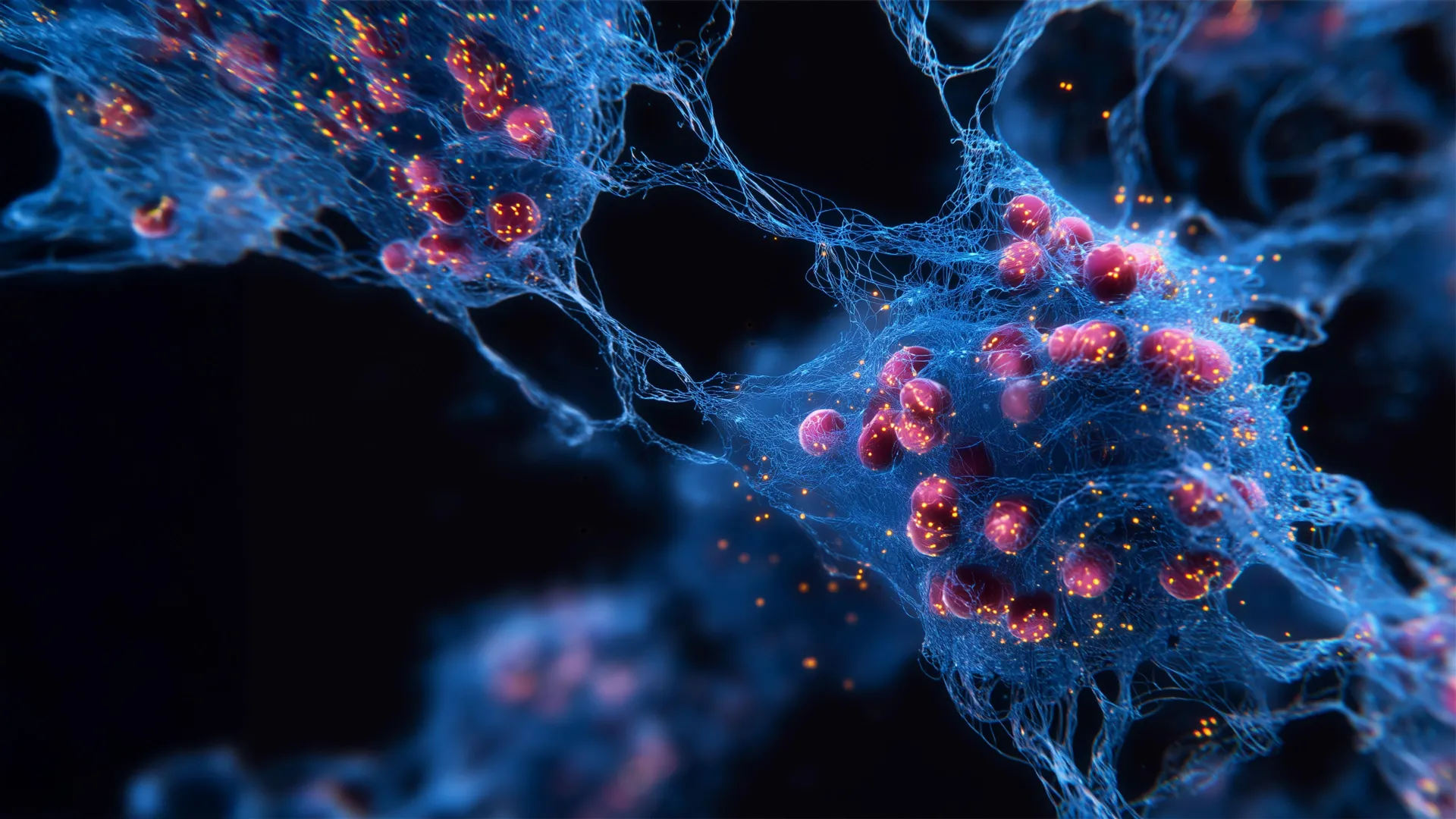
The persistent challenge of precisely identifying senescent cells, often referred to as "zombie cells," has long been a significant hurdle in aging and disease research. These cells, which cease to divide but resist normal programmed cell death, accumulate over time and are increasingly implicated in a spectrum of debilitating conditions, including various cancers, Alzheimer’s disease, and the fundamental processes of aging itself. While scientists have been actively pursuing strategies to eliminate or repair these detrimental cells, a critical obstacle has been the difficulty in reliably distinguishing them from healthy cells within living tissues. Now, a groundbreaking study from the Mayo Clinic has unveiled a promising new methodology, utilizing the unique properties of DNA aptamers to effectively tag and identify these elusive senescent cells, potentially revolutionizing approaches to age-related diseases and cancer therapies.
The Elusive Nature of Senescent Cells and the Need for Precision Identification
Senescent cells represent a fundamental aspect of cellular biology. Under normal circumstances, cells that are damaged or have reached the end of their replicative lifespan undergo apoptosis, a process of programmed cell death. However, senescent cells evade this fate, entering a state of stable cell cycle arrest. While this can be a beneficial mechanism in certain contexts, such as wound healing and embryonic development, their accumulation in aging tissues is associated with a pro-inflammatory environment and tissue dysfunction, contributing to a wide array of age-related pathologies.
The difficulty in isolating senescent cells stems from their heterogeneous nature and the lack of universally accepted, specific biomarkers that reliably distinguish them from healthy counterparts across different tissue types and biological contexts. Existing methods, such as relying on the expression of specific proteins like p16INK4a or SA-β-gal activity, often lack the specificity or are not compatible with live-tissue analysis. This has hampered the development of targeted therapies, as it is crucial to accurately pinpoint these cells before attempting to clear them or harness their potential therapeutic benefits. The implications of this identification challenge are far-reaching, impacting not only the fundamental understanding of aging but also the development of treatments for diseases where senescent cells play a causative or exacerbating role.
A Novel Strategy: Aptamers Emerge as Precision Probes
In a significant advancement published in the esteemed journal Aging Cell, researchers at the Mayo Clinic have detailed a novel technique employing molecules known as "aptamers" to precisely label senescent cells. Aptamers are short, synthetic strands of DNA that possess a remarkable ability to fold into intricate three-dimensional structures. These unique shapes enable them to bind with high affinity and specificity to particular target molecules, such as proteins, found on the surface of cells.
The Mayo Clinic team embarked on an extensive screening process, examining over 100 trillion random DNA sequences. Through this colossal undertaking, they successfully identified several rare aptamers capable of binding to proteins specifically associated with senescent cells. Once these aptamers attach to their targets on the senescent cells, they effectively act as molecular flags, making the cells readily identifiable. This development marks a crucial step forward in overcoming the long-standing challenge of distinguishing senescent cells from their healthy neighbors within complex biological environments.
Dr. Jim Maher, III, Ph.D., a biochemist and molecular biologist and a principal investigator of the study, emphasized the foundational nature of this discovery. "This approach established the principle that aptamers are a technology that can be used to distinguish senescent cells from healthy ones," Dr. Maher stated. "Though this study is a first step, the results suggest the approach could eventually apply to human cells." This assertion, while cautious, underscores the significant potential of aptamer technology in advancing senescent cell research and its clinical applications.
The Serendipitous Spark: A Casual Conversation Fuels Innovation
The genesis of this innovative research project can be traced back to an unexpected idea that emerged from a casual conversation between graduate students at the Mayo Clinic. This instance highlights the power of interdisciplinary collaboration and the organic nature of scientific discovery.
Keenan Pearson, Ph.D., who had recently completed his doctoral degree from the Mayo Clinic Graduate School of Biomedical Sciences, was engaged in research exploring the potential applications of aptamers against brain cancer and neurodegenerative diseases under the mentorship of Dr. Maher. Concurrently, Sarah Jachim, Ph.D., was conducting her graduate research in the laboratory of Nathan LeBrasseur, Ph.D., focusing specifically on the intricate biology of aging and senescent cells.
The pivotal moment occurred when Dr. Pearson and Dr. Jachim crossed paths at a scientific event. As they discussed their respective thesis projects, Dr. Pearson began to contemplate whether the aptamer technology he was investigating could be adapted to identify senescent cells. "I thought the idea was a good one, but I didn’t know about the process of preparing senescent cells to test them, and that was Sarah’s expertise," explained Dr. Pearson, who subsequently became the lead author of the published study. This intersection of expertise and curiosity laid the groundwork for a collaborative endeavor that would yield significant results.
Pursuing a "Crazy" Idea: From Concept to Collaboration
The students, emboldened by the potential of their nascent idea, presented it to their mentors, including Dr. Maher and Dr. Darren Baker, Ph.D., whose own research is dedicated to developing therapies targeting senescent cells. Dr. Maher candidly admitted that the initial concept struck him as "crazy." However, the intriguing nature of the idea, coupled with the clear synergy between the students’ respective research areas, compelled further investigation. Ultimately, the mentors embraced the collaborative spirit, recognizing the unique opportunity for innovation.
"We frankly loved that it was the students’ idea and a real synergy of two research areas," Dr. Maher remarked, underscoring the value placed on student-driven research and the cross-pollination of scientific disciplines. This endorsement catalyzed the progression of the project.
The research advanced with remarkable speed. Early experimental results proved to be encouraging, exceeding initial expectations and prompting the integration of additional students from various laboratories. This expansion brought specialized skills to the team, including advanced microscopy techniques and the analysis of a broader spectrum of tissue samples. Brandon Wilbanks, Ph.D., Luis Prieto, Ph.D., and M.D.-Ph.D. student Caroline Doherty, who were then graduate students, contributed their expertise, enriching the scope and depth of the study. "It became encouraging to expend more effort," Dr. Jachim commented, "because we could tell it was a project that was going to succeed." This growing confidence fueled the team’s dedication and commitment to unraveling the complexities of senescent cell identification.
Unveiling New Insights: The Biology of "Zombie Cells"
Beyond providing a novel method for identifying senescent cells, the study has also yielded valuable insights into the fundamental biology of these cells themselves. A significant finding from the research is the identification of specific molecular targets on the surface of senescent cells.
"To date, there aren’t universal markers that characterize senescent cells," Dr. Maher explained. "Our study was set up to be open-ended about the target surface molecules on senescent cells. The beauty of this approach is that we let the aptamers choose the molecules to bind to." This open-ended, discovery-driven approach allowed the aptamers to guide the identification of previously unrecognized cellular features.
The study revealed that several of the identified aptamers preferentially bound to a specific variant of fibronectin, a protein commonly found on the surface of mouse cells. While the precise relationship between this fibronectin variant and the senescent state remains an area for further investigation, this discovery offers a crucial clue. It has the potential to significantly enhance scientists’ ability to define and characterize the unique molecular signature of senescent cells, moving beyond existing, less specific markers. This enhanced understanding could be instrumental in developing more precise diagnostic tools and therapeutic strategies.
The Horizon of Possibilities: Future Applications in Aging and Disease
While the current findings represent a significant leap forward, the researchers emphasize the need for continued investigation before aptamers can be reliably employed for the identification of senescent cells in human clinical settings. Nevertheless, the potential implications of this technology extend far beyond mere detection.
The scientific community envisions aptamers evolving into sophisticated therapeutic delivery vehicles. It is anticipated that in the future, aptamers could be engineered to carry therapeutic agents directly to senescent cells, enabling highly targeted treatment approaches. This level of precision could minimize off-target effects, a common challenge in many current therapeutic interventions, and significantly improve treatment efficacy.
Dr. Pearson highlighted another key advantage of aptamers: their cost-effectiveness and adaptability compared to traditional antibodies, which are widely used in cell identification and research. "Aptamers are less expensive and more adaptable than traditional antibodies, which are commonly used to distinguish different types of cells," he noted. This economic advantage could democratize access to advanced diagnostic and therapeutic tools, particularly in resource-limited settings.
"This project demonstrated a novel concept," Dr. Maher concluded. "Future studies may extend the approach to applications related to senescent cells in human disease." The successful demonstration of aptamer-based identification in mouse cells lays a robust foundation for future research endeavors aimed at translating this promising technology into tangible benefits for human health. The ongoing exploration of senescent cells and the development of precise tools to study them are critical components in the quest to mitigate the impact of aging and a wide range of age-associated diseases. This breakthrough by the Mayo Clinic team represents a significant stride in that crucial journey, opening new avenues for scientific discovery and the development of life-enhancing therapies.