Researchers at the Institute for Neurosciences (IN), a collaborative institution between the Spanish National Research Council (CSIC) and Miguel Hernández University (UMH) of Elche, have successfully identified a specific neural circuit in the brain that serves as a primary driver for anxiety, depression-like behaviors, and social withdrawal. The study, published in the peer-reviewed journal iScience, represents a significant advancement in the field of neuropsychiatry, as the team demonstrated that correcting the physiological imbalance within this specific circuit is sufficient to reverse complex pathological behaviors in animal models. This discovery provides a new level of precision in understanding how emotional regulation is hardwired in the brain and offers a potential roadmap for the development of targeted therapies for human affective disorders.
The research was spearheaded by Professor Juan Lerma, a distinguished figure in the field of synaptic physiology, and his team at the Synaptic Physiology laboratory. By isolating the activity of a specific population of neurons within the amygdala—a small, almond-shaped structure deep within the temporal lobe known for its role in processing emotions—the researchers have pinpointed a mechanism that, when overstimulated, triggers a cascade of negative emotional states.
Understanding the Amygdala and the E/I Balance
The amygdala has long been recognized as the brain’s "alarm system," crucial for detecting threats and orchestrating the body’s response to fear. However, its internal architecture is incredibly complex, consisting of various sub-regions including the basolateral amygdala (BLA) and the centrolateral amygdala (CEA). For the brain to function correctly, there must be a delicate equilibrium between excitatory and inhibitory signals, often referred to by neuroscientists as the E/I balance.
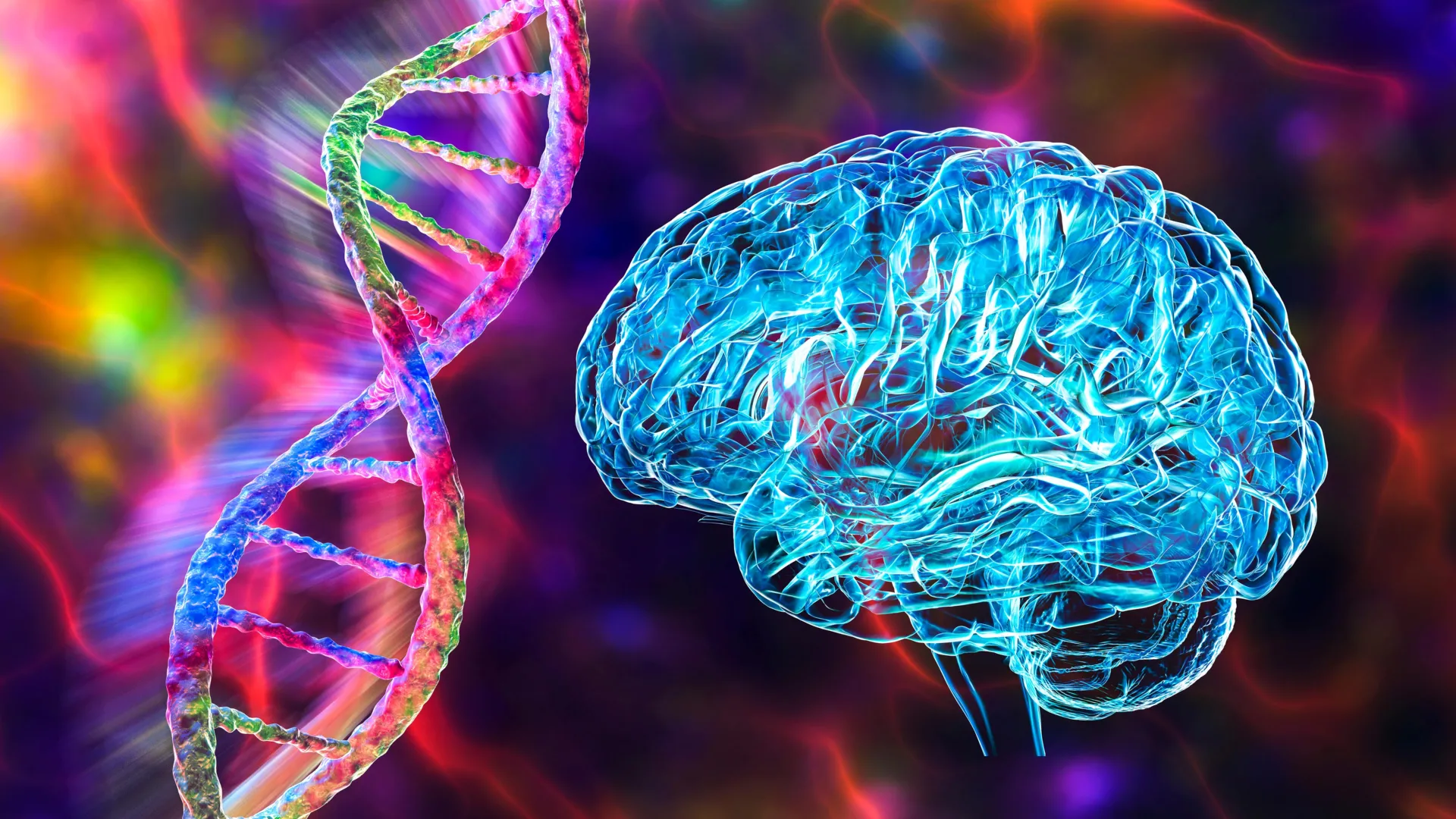
In the context of this study, the research team focused on the role of glutamate, the brain’s primary excitatory neurotransmitter. Specifically, they investigated the Grik4 gene, which encodes for the GluK4 subunit of kainate-type glutamate receptors. When these receptors are overexpressed, the neurons become hyper-excitable, firing more frequently and with greater intensity than is healthy. This shift toward excessive excitation disrupts the communication pathways between the amygdala and other regions of the brain, manifesting as chronic anxiety and a reluctance to engage in social interaction.
A Decade of Research: The Chronology of Discovery
The foundation for this breakthrough was laid nearly a decade ago. In 2015, Juan Lerma’s laboratory developed a genetically engineered mouse model designed to mimic the genetic variations sometimes seen in human conditions such as autism, schizophrenia, and bipolar disorder. These mice were modified to carry extra copies of the Grik4 gene, leading to a significant increase in GluK4 receptors in the brain.
Since the creation of this model, the team has meticulously documented the behavioral phenotypes of these animals. They observed that the mice exhibited a suite of symptoms that mirrored human psychiatric conditions: high levels of basal anxiety, a lack of interest in social novelty, and signs of "anhedonia" or depression-like states. The 2015 study established that genetic overexpression was the cause, but the current study, published in iScience, takes the discovery a step further by identifying the exact circuit responsible and proving that the damage can be undone in the adult brain.
The timeline of the research highlights a shift from identifying genetic causes to developing circuit-level interventions. Over the last several years, the team utilized advanced viral vector technology and optogenetic-like techniques to manipulate specific neural populations, culminating in the current findings which demonstrate the reversibility of these complex traits.
Experimental Methodology and Data Analysis
To reach their conclusions, the researchers employed a multi-disciplinary approach combining genetic engineering, electrophysiology, and behavioral psychology. The primary intervention involved the use of modified viruses to selectively "normalize" the expression of the Grik4 gene within the basolateral amygdala of the symptomatic mice.
Once the gene activity was corrected, the researchers conducted a series of rigorous behavioral tests to measure the impact:
- The Open Field Test: This test measures a rodent’s willingness to explore the center of an open arena versus staying near the walls (thigmotaxis). Mice with high anxiety typically avoid the center. Following the intervention, the treated mice showed a significant increase in center-exploration time, indicating a reduction in anxiety.
- The Elevated Plus Maze: This apparatus consists of two open arms and two closed arms. Anxious mice prefer the safety of the closed arms. The researchers noted that after restoring balance to the amygdala circuit, the mice spent substantially more time in the open arms.
- The Three-Chamber Social Interaction Test: This test assesses social motivation. A subject mouse is given the choice to interact with an empty cage or a cage containing an unfamiliar "stranger" mouse. While the Grik4-overexpressing mice originally avoided the stranger, the treated mice showed a restored interest in social interaction, comparable to healthy control groups.
Simultaneously, the team used electrophysiological recordings to monitor the firing patterns of neurons. They discovered that by normalizing Grik4 in the BLA, they restored the functional connection to a specific group of "regular firing" inhibitory neurons in the centrolateral amygdala. This restoration of the inhibitory "brake" allowed the amygdala to process emotional information without spiraling into a state of hyper-arousal.
Broader Implications Beyond Genetic Models
One of the most compelling aspects of the study is its applicability to non-genetic forms of anxiety. The researchers questioned whether this circuit was only relevant in cases of Grik4 overexpression or if it represented a universal pathway for anxiety.
To test this, they applied the same circuit-level intervention to "wild-type" (genetically normal) mice that naturally exhibited high levels of anxiety due to environmental factors or natural biological variation. Remarkably, the treatment was effective in these animals as well.
"This validates our findings and gives us confidence that the mechanism we identified is not exclusive to a specific genetic model," stated Juan Lerma. "It suggests we have found a general principle for how these emotions are regulated in the brain."
This finding is crucial for clinical application. It suggests that even in patients who do not have a specific genetic mutation in the Grik4 gene, the amygdala circuit identified by the team may still be the "common denominator" for their symptoms. By focusing on the circuit rather than just the gene, the research opens the door to treatments that could help a much broader population of patients suffering from generalized anxiety disorder (GAD) and social anxiety.
Limitations and the Role of the Hippocampus
While the results were overwhelmingly positive regarding anxiety and social behavior, the study also revealed the limitations of targeting a single brain region. The researchers noted that the mice continued to display deficits in object recognition memory even after the amygdala circuit was repaired.
This indicates that while the amygdala is the hub for emotional regulation, other cognitive symptoms associated with psychiatric disorders are likely governed by different regions. The researchers point to the hippocampus, a region vital for memory formation and spatial navigation, as a likely candidate for these persistent memory deficits. This underscores the "modular" nature of the brain, where different circuits contribute to different aspects of a disease, suggesting that future "cures" for complex disorders may require a multi-nodal approach targeting several circuits simultaneously.
Official Responses and Scientific Context
The scientific community has reacted to the study with cautious optimism. Independent experts note that the study’s strength lies in its ability to reverse symptoms in adult animals, rather than just preventing them from developing. This is a critical distinction for human medicine, where patients seek treatment long after the onset of symptoms.
Álvaro García, the first author of the study, emphasized the precision of the work. "That simple adjustment in the basolateral amygdala was enough to reverse anxiety-related and social deficit behaviors, which is remarkable," he noted. The ability to pinpoint a specific population of neurons—rather than treating the whole brain with medication—is the primary goal of modern "precision psychiatry."
The research was supported by a robust network of funding agencies, including the Spanish State Research Agency (AEI), the Spanish Ministry of Science, Innovation and Universities, and the European Regional Development Fund (ERDF). The involvement of the Severo Ochoa Excellence Program further highlights the study’s status as a high-priority scientific endeavor in the European Union.
The Future of Targeted Psychiatric Therapies
The implications of this research for the future of mental health treatment are profound. Currently, pharmacological treatments for anxiety and depression, such as Selective Serotonin Reuptake Inhibitors (SSRIs) or benzodiazepines, act on the entire brain and often produce a wide array of side effects, including sedation, weight gain, and cognitive blunting. Furthermore, many patients are "treatment-resistant," meaning they do not respond to these broad-spectrum medications.
By identifying the specific "regular firing" neurons and the Grik4-mediated pathway, this study paves the way for:
- Neuromodulation: Using techniques like Deep Brain Stimulation (DBS) or Transcranial Magnetic Stimulation (TMS) to target the specific BLA-CEA circuit identified by Lerma’s team.
- Gene Therapy: Utilizing viral vectors to deliver corrective genetic material directly to the amygdala, a technique already being explored for neurodegenerative diseases.
- Pharmacological Precision: Developing new drugs that specifically target the GluK4 receptor subtype, minimizing off-target effects in other areas of the brain.
As the global burden of mental health disorders continues to rise—with the World Health Organization estimating that over 300 million people suffer from anxiety disorders—the need for circuit-based interventions has never been more urgent. The work of the Institute for Neurosciences provides a vital piece of the puzzle, moving the field closer to a day when psychiatric treatment is as precise and effective as modern surgery.
The team at the CSIC-UMH plans to continue their investigation by looking into how other regions, such as the prefrontal cortex, interact with this amygdala circuit to provide "top-down" control over emotions. Understanding the full network of emotional regulation remains the final frontier in conquering the biological basis of mental illness.