

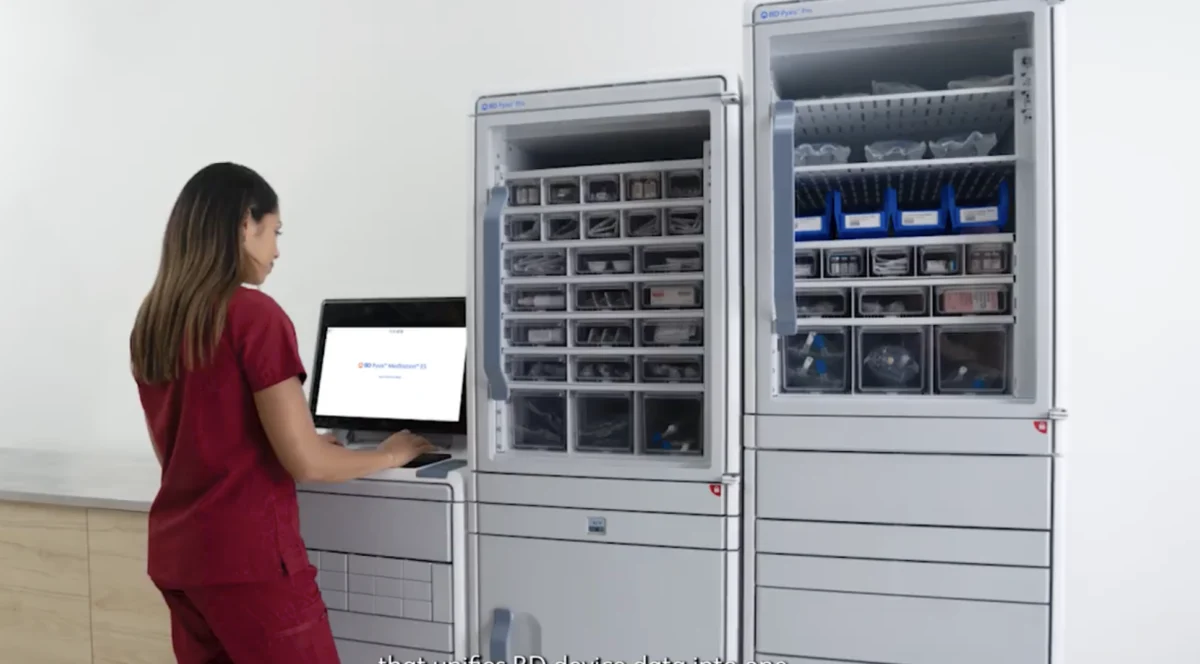
BD, a global leader in medical technology, has officially announced a strategic partnership with Wellstar Health System, one of Georgia’s largest non-profit healthcare providers, to implement an advanced, AI-enabled medication management platform across Wellstar’s extensive network of hospitals and care facilities. This collaboration signifies a major leap forward in healthcare operations, aiming to enhance patient safety, streamline workflows, and optimize medication inventory management from the pharmacy to the patient’s bedside.
The initiative integrates BD’s cutting-edge medication dispensing technologies, including the BD Pyxis Pro medication dispensing systems, with its BD Alaris Infusion Systems. The cornerstone of this integrated solution is BD Incada, an AI-powered analytics platform designed to provide comprehensive, real-time visibility into enterprise medication inventory through natural-language querying. This sophisticated system promises Wellstar Health System unparalleled insights into medication availability, customizable dashboards for critical data visualization, and on-demand inventory intelligence, effectively creating a connected and intelligent medication ecosystem.
The Pressing Need for Advanced Medication Management in Healthcare
The complexity and inherent risks associated with medication management within hospital settings have long been a significant challenge for healthcare providers globally. From the moment a drug enters a hospital’s inventory to its administration to a patient, multiple touchpoints and processes present opportunities for errors, inefficiencies, and supply chain disruptions. These challenges are not merely operational; they carry profound implications for patient safety, clinical outcomes, and financial sustainability.
Medication errors, for instance, remain a persistent concern. While exact figures vary, studies by organizations like the World Health Organization (WHO) and the Institute of Medicine (now the National Academy of Medicine) have consistently highlighted that medication errors are a leading cause of preventable harm in healthcare. These errors can range from incorrect dosages and wrong medications to improper administration times and routes, often leading to adverse drug events, prolonged hospital stays, and, in severe cases, patient mortality. The financial burden associated with managing and mitigating these errors is substantial, encompassing increased treatment costs, legal expenses, and reputational damage.
Beyond safety, hospitals grapple with immense operational challenges in managing medication supply chains. The labor-intensive nature of tracking, ordering, stocking, and dispensing medications consumes significant resources. Compounding this, drug shortages have become an increasingly frequent and severe issue, impacting patient care and imposing considerable financial strain on healthcare systems. According to a recent report by Vizient, a leading healthcare performance improvement company, hospital labor costs directly tied to managing drug shortages have nearly tripled in a short span, surging from $359 million in 2019 to an alarming $894 million in 2024. This dramatic increase underscores the critical need for more efficient and intelligent inventory management solutions that can mitigate the impact of such disruptions, free up valuable staff time, and ensure consistent access to essential medications.
A Holistic Approach: Integrating Dispensing, Infusion, and Inventory with AI
The partnership between BD and Wellstar directly addresses these challenges by deploying a fully integrated, AI-enhanced platform that connects previously disparate elements of the medication management workflow.

-
BD Pyxis Pro Medication Dispensing Systems: These automated dispensing cabinets are crucial for secure storage and precise dispensing of medications. By automating medication access, they reduce manual errors, improve accountability, and ensure that the right medication is available at the right time for the right patient. Their integration into the broader system allows for real-time tracking of medication removal and replenishment.
-
BD Alaris Infusion Systems: As intelligent IV pumps, Alaris systems are designed to deliver medications safely and accurately. Their critical feature, Alaris EMR Interoperability, allows clinicians to use barcode scanning to send infusion orders directly from the electronic medical record (EMR) to the infusion system. Critically, the system also sends infusion status updates back into the EMR, providing a closed-loop verification process that enhances safety and reduces manual documentation errors. This real-time, bidirectional communication is vital for ensuring medication adherence and preventing adverse events during administration.
-
BD Incada: The AI-Powered Intelligence Layer: This is where the true innovation lies. BD Incada acts as the central intelligence hub, providing AI-enabled analytics and natural-language querying capabilities for enterprise medication inventory. Unlike traditional inventory systems, Incada moves beyond simple data logging to offer predictive insights and actionable intelligence. It gives Wellstar the ability to:
- Real-time Visibility: Instantly know the status and location of any medication across all facilities.
- Customizable Dashboards: Tailor data displays to specific roles or needs, highlighting critical trends and potential issues.
- On-demand Inventory Insights: Proactively manage stock levels, identify potential shortages before they occur, and optimize purchasing decisions.
Wellstar’s Strategic Embrace of AI for Enhanced Care
Wellstar Health System, known for its commitment to innovation and patient-centric care, views this partnership as a fundamental step in leveraging advanced technology to empower its clinical teams. Susan Wright, Pharm.D., vice president of pharmacy services at Wellstar Health, emphasized the system’s dedication to employing cutting-edge tools. "Wellstar uses advanced technologies, including the AI-powered tools by BD, to supercharge our team members’ ability to deliver the highest levels of clinical care, safety, quality and patient experience," Wright stated via email.
Dr. Wright underscored that while technology provides powerful support, human expertise remains paramount. She highlighted that accuracy depends on "team members’ critical thinking, local oversight and decision-making, supported by validation layers such as medication barcode scanning, EMR cross-checks and other system controls." This philosophy ensures that AI acts as an augmentation tool, enhancing human capabilities rather than replacing them. Wellstar also commits to rigorous monitoring of Incada’s performance and continuously seeks to improve medication safety outcomes, demonstrating a proactive approach to technology integration and patient welfare.
Furthermore, Wellstar’s involvement extends beyond being a client. The health system actively contributes to the Strategic Development Council for BD’s Medication Management Solutions business. This collaborative platform allows Wellstar executives to share their deep expertise across various domains, including enterprise pharmacy operations, medication safety, nursing, and informatics. This level of partnership ensures that BD’s solutions are continuously refined based on real-world clinical and operational needs, fostering a symbiotic relationship aimed at advancing healthcare technology.
The Nuance of AI: Natural Language Processing and Validation Layers
A key differentiator of BD Incada is its natural-language interface. This functionality allows users to pose questions in plain English, much like interacting with a search engine or a conversational AI. However, as Omar Ahmed, SVP R&D, Connected Care Segment at BD, explained, Incada operates with a crucial distinction from general-purpose large language models (LLMs). Instead of generating creative text, Incada "translates user questions into structured queries using a governed semantic layer that maps business terms to data."
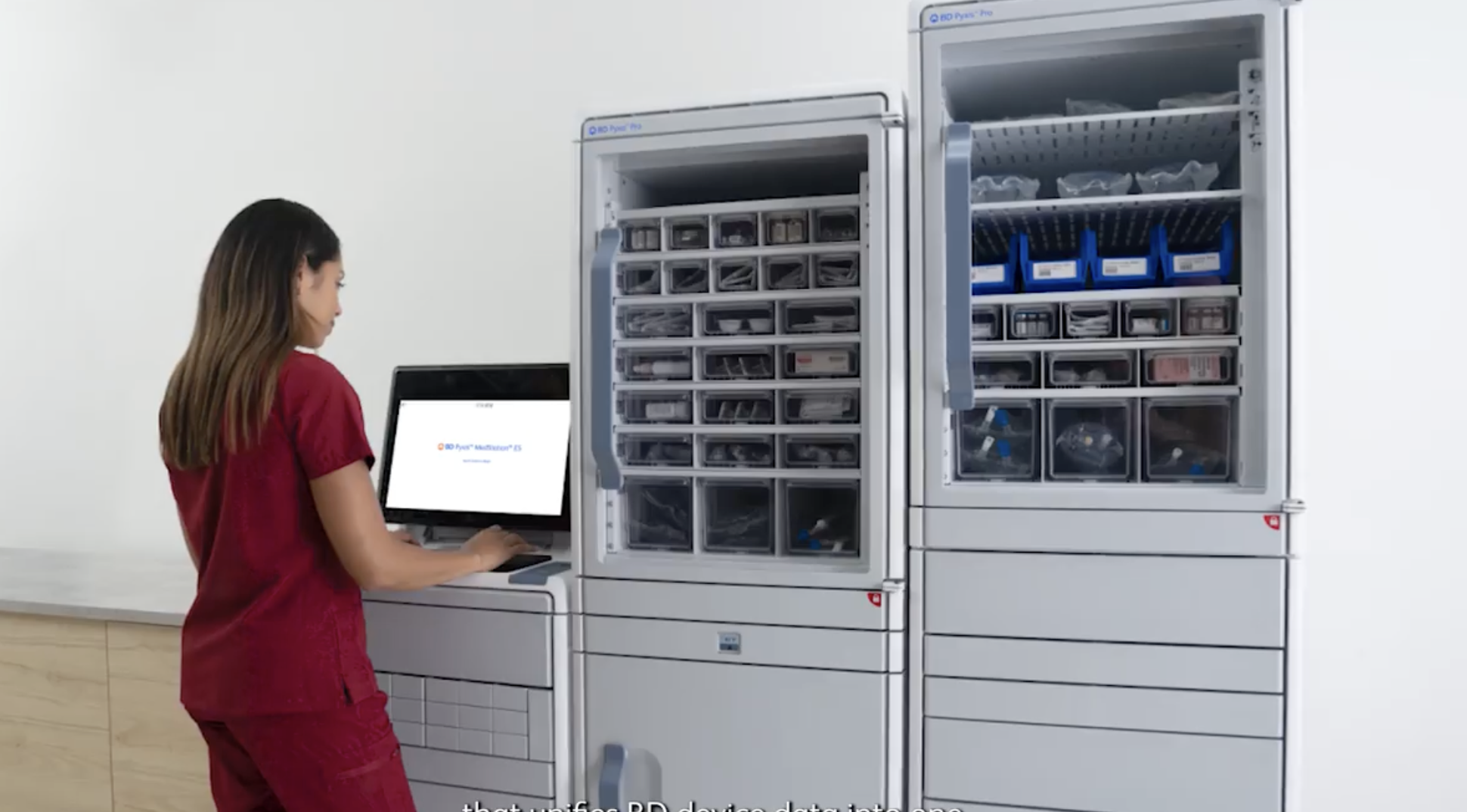
This translation process is fortified by multiple validation layers to ensure accuracy and reliability. Ahmed detailed that the system "validates those queries through schema checks, access controls, and rule-based or statistical guardrails before execution." Once the structured query is processed against the hospital’s inventory and operational data, the system then delivers precise and reliable plain-language answers. This layered architecture, combined with continuous training and safety guardrails, is critical for building trust in the AI’s output within a sensitive environment like healthcare. The emphasis is on factual, data-driven responses rather than interpretive or speculative ones.
Navigating the Regulatory Landscape: Operational AI vs. Clinical Decision Support
The development and deployment of AI in healthcare are subject to stringent regulatory oversight, particularly from bodies like the U.S. Food and Drug Administration (FDA). BD has strategically designed Incada with these considerations in mind, drawing a clear boundary in its application. As Ahmed clarified, BD is positioning Incada primarily around operational data, focusing on inventory and workflow optimization. This means the system provides insights that are descriptive and geared towards efficiency, rather than patient-specific recommendations or prescriptive clinical guidance.
"The company is positioning Incada first around operational data, inventory and workflow optimization, while avoiding patient-specific recommendations that could push the system toward clinical decision support subject to FDA medical-device oversight," the original article notes. Software functions that directly influence patient care decisions can fall under the FDA’s medical device regulations, requiring extensive validation and approval processes. By concentrating on informational insights for operational efficiency and requiring human oversight, BD aims to keep Incada within a regulatory framework that facilitates quicker adoption while maintaining safety. Ahmed reiterated this commitment, stating, "BD will draw a clear boundary by avoiding patient-level recommendations, requiring human oversight, and limiting early use cases to informational insights rather than prescriptive clinical guidance." This careful approach ensures that the technology can be deployed effectively to address pressing operational needs without immediately entering the more complex and time-consuming realm of FDA-regulated clinical decision support systems.
Broader Implications for the Future of Healthcare
The partnership between BD and Wellstar represents more than just a technological upgrade for one health system; it signals a significant trend in the broader healthcare industry.
- Enhanced Patient Safety and Outcomes: By reducing medication errors, optimizing drug availability, and providing real-time data to clinicians, this integrated system will directly contribute to improved patient safety. Fewer adverse drug events mean better patient outcomes, shorter hospital stays, and a higher quality of care.
- Operational Efficiency and Cost Reduction: The ability to precisely track inventory, predict demand, and streamline dispensing and administration processes will lead to substantial operational efficiencies. Hospitals can reduce medication waste, optimize purchasing, and reallocate staff from manual inventory tasks to direct patient care, ultimately leading to significant cost savings. The Vizient data on drug shortage labor costs underscores the potential for massive financial relief.
- Resilience in Supply Chain Management: In an era frequently plagued by drug shortages and supply chain disruptions, an AI-powered inventory system offers a critical advantage. By providing predictive analytics and real-time visibility, Incada can help Wellstar anticipate and proactively manage potential shortages, ensuring critical medications are always available.
- Empowering Healthcare Professionals: Instead of replacing human judgment, these AI tools empower pharmacists, nurses, and administrators with better information and automated support. This allows them to focus their expertise on complex clinical decisions and direct patient interaction, elevating the human element of healthcare.
- Paving the Way for Future AI Applications: While BD is currently focusing Incada on operational data, the underlying technology lays a foundation for future advancements. As regulatory frameworks evolve and technologies mature, it’s conceivable that similar AI systems could safely expand into areas like personalized medication regimens, predictive analytics for patient response, and even more sophisticated clinical decision support, always with appropriate human oversight and regulatory approval.
- Data-Driven Decision Making: The rich datasets generated by these integrated systems will provide invaluable insights for continuous improvement initiatives, informing everything from clinical protocols to supply chain strategies. This move towards truly data-driven healthcare management is transformative.
In conclusion, the collaboration between BD and Wellstar Health System marks a pivotal moment in the evolution of medication management. By seamlessly integrating automated dispensing, intelligent infusion, and AI-powered inventory analytics, they are establishing a new standard for efficiency, safety, and operational resilience in hospital pharmacy and patient care. This initiative not only addresses critical current challenges but also sets a precedent for how artificial intelligence can be responsibly and effectively harnessed to revolutionize healthcare delivery, ultimately benefiting patients and providers alike.














Leave a Reply