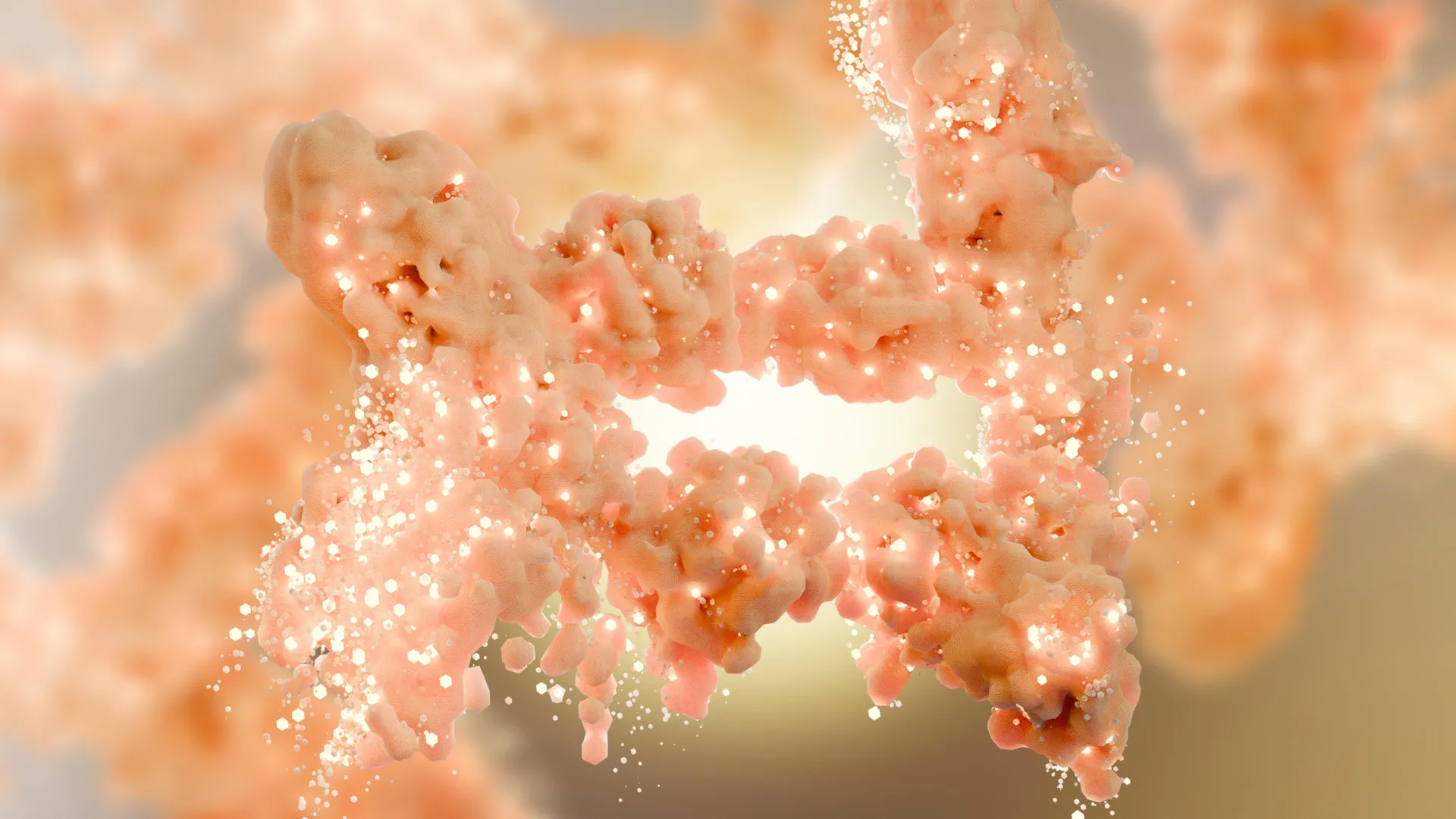
The human skeletal system serves as more than just a structural framework; deep within the cavities of our bones lies the bone marrow, a complex biological factory responsible for the daily production of billions of life-sustaining blood cells. This hematopoietic process is essential for maintaining oxygen transport via red blood cells and defending the body against pathogens through a diverse array of white blood cells. However, for patients undergoing intensive medical treatments such as chemotherapy or ionizing radiation, this vital "engine room" of the body is often the first to suffer collateral damage. The resulting condition, known as myelosuppression, leaves patients dangerously immunocompromised and vulnerable to life-threatening infections.
Addressing this long-standing challenge in clinical medicine, a multidisciplinary team of researchers from the University of Pennsylvania School of Engineering and Applied Science (Penn Engineering), the Perelman School of Medicine (PSOM), and the Children’s Hospital of Philadelphia (CHOP) has announced the development of a sophisticated "bone marrow-on-a-chip." This bioengineered platform successfully emulates the native environment of human marrow, providing a groundbreaking tool for studying disease, testing drug toxicity, and potentially revolutionizing the way stem cell therapies are administered. The findings, recently published in the journal Cell Stem Cell, represent a significant leap forward in the field of organ-on-a-chip technology, offering a level of physiological accuracy that traditional animal models have historically failed to achieve.
The Architecture of a Synthetic Organ
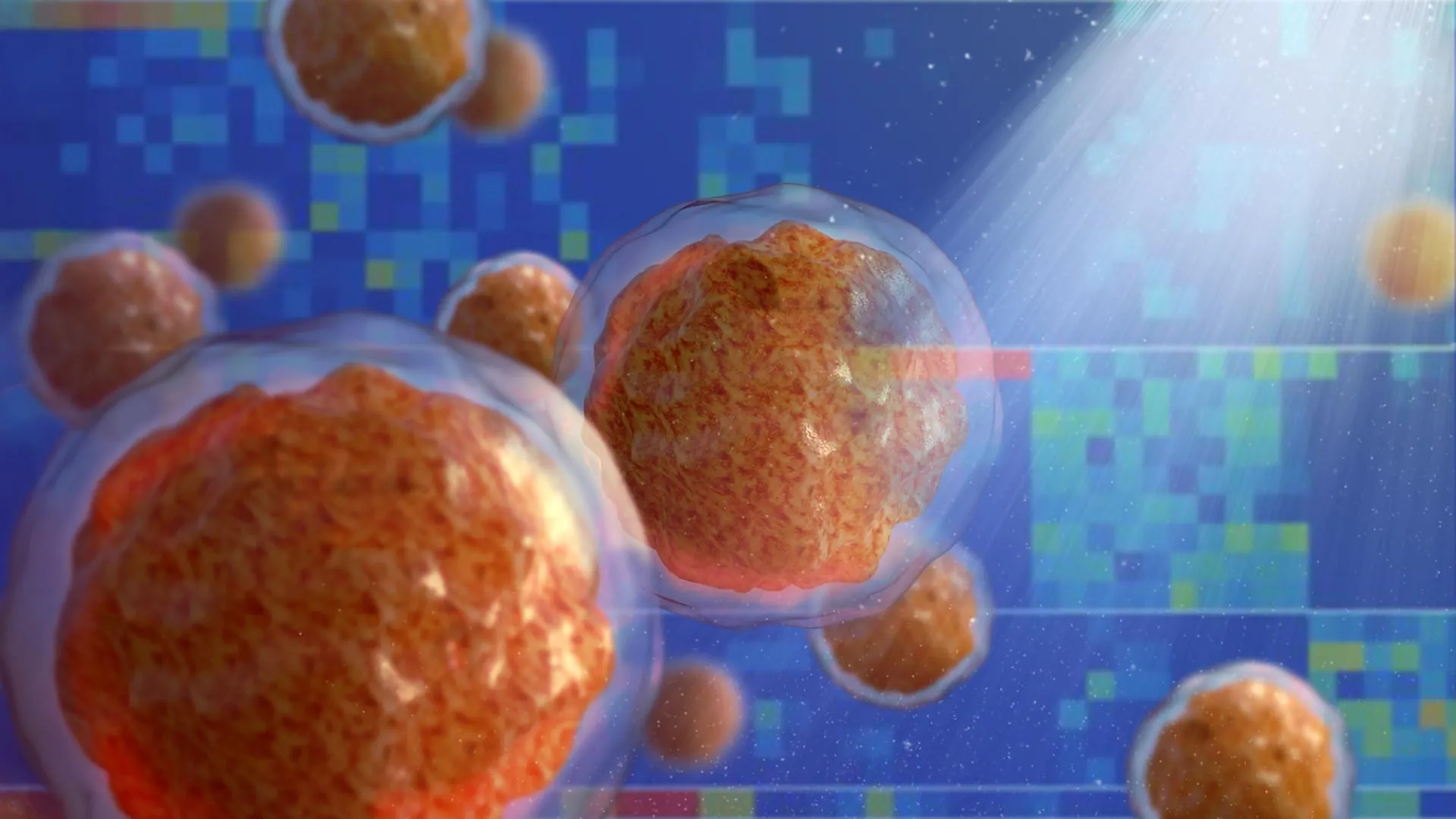
The newly developed device is a compact, transparent plastic chip containing microfluidic chambers engineered with precision at the micron scale. Unlike previous attempts to model marrow, which often relied on static 2D cultures, this platform utilizes a specialized hydrogel that serves as a three-dimensional scaffold. Within this environment, researchers introduced three critical "ingredients" of human marrow: hematopoietic stem cells (HSCs), which are the progenitors of all blood cells; endothelial cells, which form the lining of blood vessels; and mesenchymal cells, which provide the connective tissue and regulatory signals necessary for marrow health.
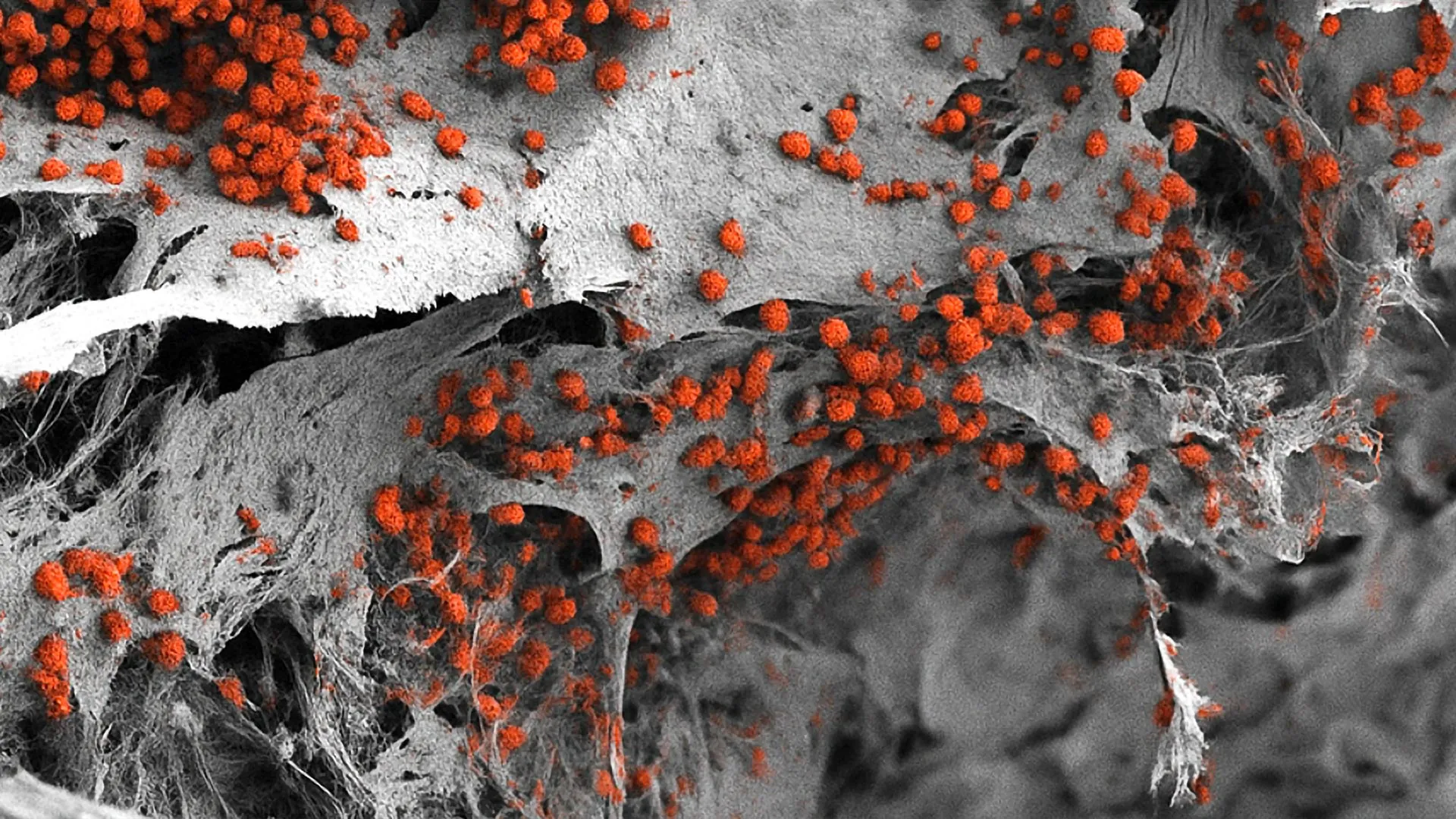
The defining characteristic of this platform is its reliance on "self-organization." Rather than manually placing cells in specific locations, the researchers designed an environment that mimics the conditions of a developing human embryo. Under these specific biochemical and physical cues, the cells began to interact and assemble themselves into functional tissue. This self-assembly resulted in the formation of dense networks of engineered capillary blood vessels, mirroring the intricate vascularization found in living bone.
This vascular network is not merely decorative; it is functional. The marrow-on-a-chip can generate mature human blood cells and release them into the flowing culture media within the engineered vessels, effectively simulating the process of hematopoiesis and the subsequent entry of cells into the systemic circulation. This allows scientists to observe, in real-time, how the marrow responds to various stimuli or stressors.
A Decade of Development: From the International Space Station to the Lab
The journey to create this platform began nearly ten years ago with an ambitious goal that reached beyond the confines of Earth. Dan Huh, a Professor in Bioengineering at Penn and the paper’s senior author, partnered with G. Scott Worthen, an attending physician at CHOP and Professor Emeritus at PSOM, to investigate why astronauts experience weakened immune systems during long-duration space missions.
The team hypothesized that microgravity and prolonged exposure to cosmic radiation might fundamentally alter the behavior of bone marrow. To test this, they proposed sending a bone marrow-on-a-chip model to the International Space Station (ISS). However, the path to space was fraught with technical hurdles. During a scheduled launch, the flow controller of the "cubelab" system—the hardware required to keep the tissue models alive in orbit—short-circuited during the ascent. A subsequent attempt to relaunch the project was thwarted by the onset of the COVID-19 pandemic, which halted international logistics and laboratory access.
Despite these setbacks, the researchers pivoted their focus back to terrestrial applications. The rigorous engineering required to make the device "space-ready"—including automation and durability—ended up making the platform more robust for clinical and pharmaceutical research on Earth. The failure of the space experiments catalyzed the refinement of the chip into one of the most sophisticated bioengineered tissue models currently in existence.
Simulating the "Crosstalk" of the Human Immune System
One of the most significant breakthroughs detailed in the study is the demonstration of "interconnected organ-on-a-chip" models. In a landmark experiment, the researchers connected the bone marrow chip to a second device representing a bacteria-infected lung. This setup allowed them to observe the biochemical "crosstalk" between two distinct organs—a feat that is nearly impossible to replicate in isolated cell cultures.
When the lung chip was exposed to bacteria, it sent chemical signals through the interconnected fluidic system to the marrow chip. In response, the bone marrow chip rapidly accelerated the production and release of white blood cells into the "bloodstream." These cells then traveled to the lung chip, where they began the process of innate immunity, engulfing and neutralizing the bacterial cells.
"We show for the first time the feasibility of creating interconnected organ-on-a-chip models to emulate the entire process of innate immune response to infection," said Professor Dan Huh. This capability is vital for drug development, as many treatments have systemic effects that cannot be understood by looking at a single organ in isolation.
Clinical and Pharmaceutical Implications
The pharmaceutical industry faces a high failure rate in drug development, often because animal models do not accurately predict how the human immune system will react to a new compound. The bone marrow-on-a-chip addresses this by providing a high-throughput, automated platform for preclinical screening.
- Cancer Therapy Optimization: For oncology, the chip allows doctors to simulate how a patient’s marrow might react to specific doses of chemotherapy or radiation. By identifying the threshold of marrow toxicity before treatment begins, clinicians could potentially tailor dosages to minimize immune system damage.
- Drug Toxicity Screening: Pharmaceutical companies can use the platform to test new drugs for "myelotoxicity" (marrow suppression) early in the development cycle. This could save billions of dollars in failed clinical trials and, more importantly, prevent adverse reactions in human subjects.
- Space Medicine: While the original ISS experiments were delayed, the platform remains a prime candidate for future missions. Understanding how microgravity affects hematopoiesis is essential for the safety of future Mars missions and long-term lunar habitation.
The "Holy Grail" of Hematopoietic Stem Cell Therapy
Beyond drug testing, the platform offers a promising look into the future of cell therapy. One of the greatest challenges in treating blood cancers like leukemia is the difficulty of expanding hematopoietic stem cells (HSCs) outside the human body. Currently, HSCs must be harvested from donors through invasive and often painful procedures.
The research team found that their marrow-on-a-chip provides an environment that maintains these rare stem cells for extended periods, preserving their ability to differentiate into various blood cell types. If this environment can be optimized to not only maintain but also expand the number of stem cells, it could lead to a new era of "lab-grown" marrow for transplantations, reducing the reliance on bone marrow registries and donor matching.
Andrei Georgescu, a former doctoral student in Huh’s lab and now the CEO of the startup Vivodyne, emphasized the commercial potential of this technology. "The design principle we demonstrate relies on the ability of stem and progenitor cells to self-organize," Georgescu noted. "When grown in the ‘right’ environment, those cells can build themselves into realistic tissues with physiological properties."
Research Support and Future Directions
The development of this platform was a massive collaborative effort, supported by a wide range of prestigious institutions, including the National Institutes of Health (NIH), the National Science Foundation (NSF), and the Paul G. Allen Foundation. Additional support came from international bodies such as the National Research Foundation of Korea and corporate partnerships with GlaxoSmithKline.
The next steps for the Penn and CHOP team involve scaling the production of these chips to make them accessible for large-scale clinical use. By integrating artificial intelligence and advanced sensors, the researchers hope to create a fully automated system that can monitor tissue health and drug response in real-time, 24/7.
As the medical community moves toward a more personalized approach to healthcare, technologies like the bone marrow-on-a-chip will likely become indispensable. By providing a window into the "inner workings of human hematopoiesis," this bioengineered platform is not just a tool for observation, but a bridge to more effective, safer, and highly personalized medical interventions. Through the marriage of engineering and biology, the once-inaccessible depths of our bones are finally becoming clear, offering new hope for patients and astronauts alike.