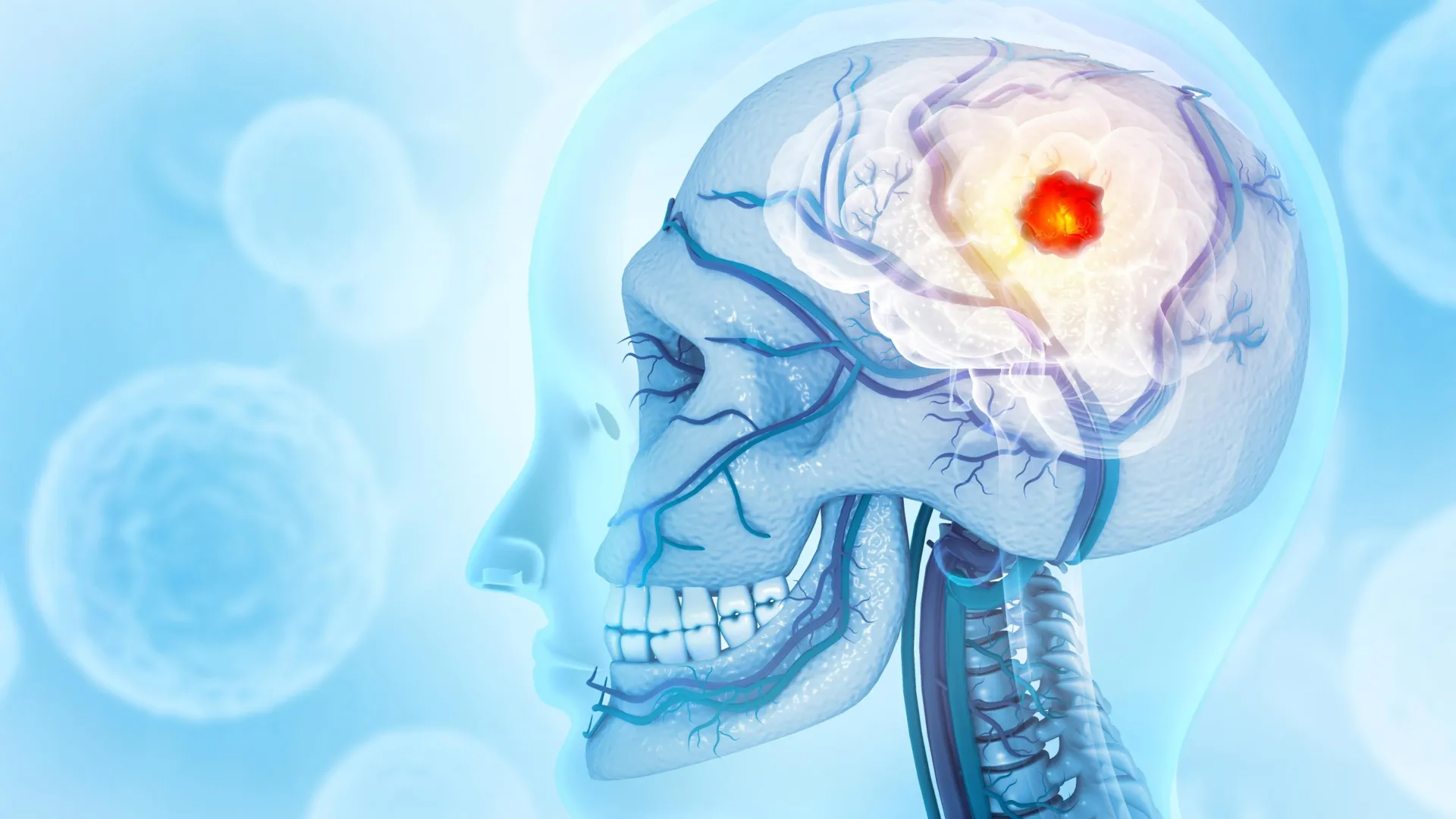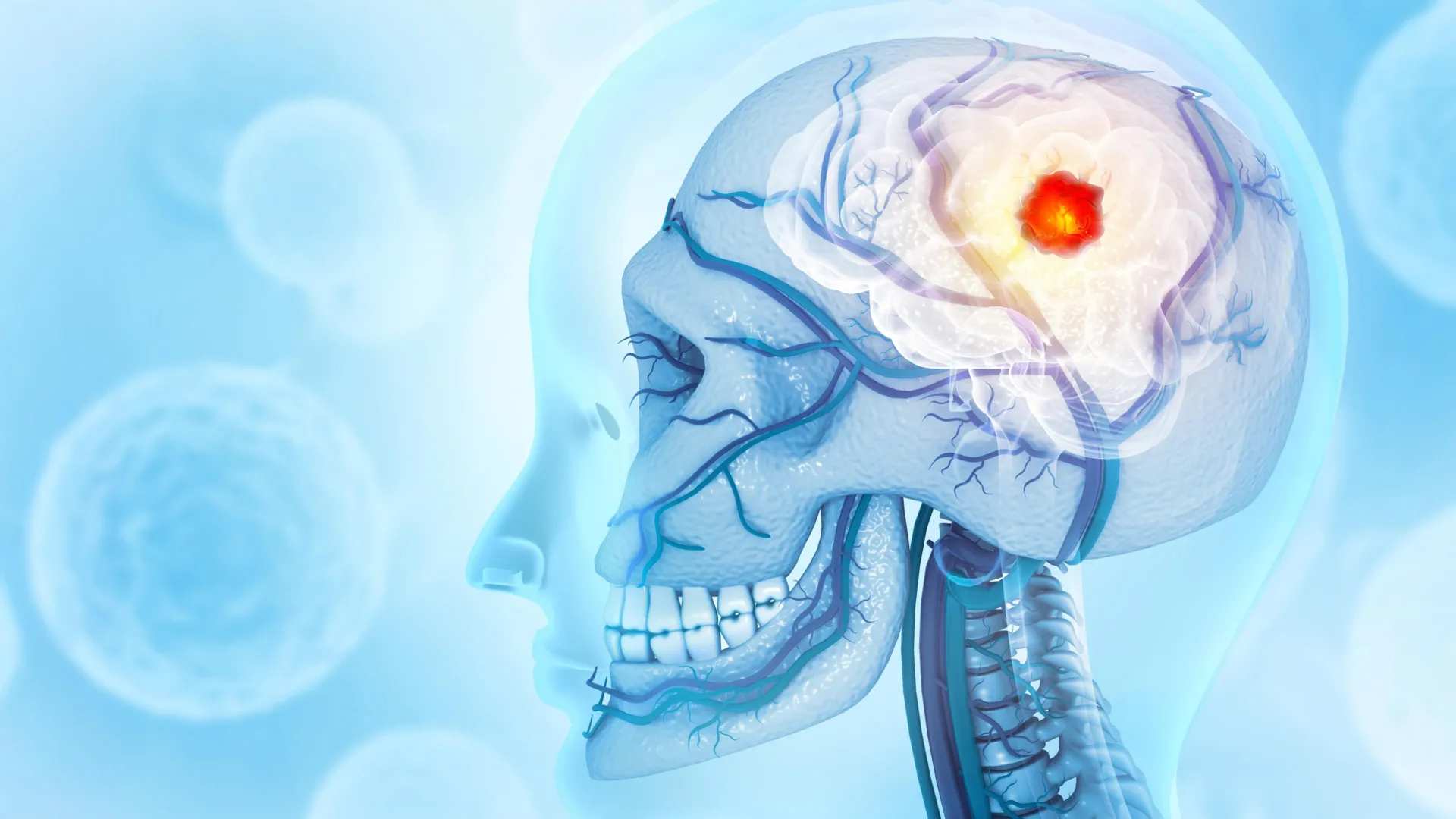
The medical understanding of glioblastoma, the most aggressive and lethal form of primary brain cancer, has undergone a fundamental shift following a landmark study by researchers at the Montefiore Einstein Comprehensive Cancer Center (MECCC) and the Albert Einstein College of Medicine. Traditionally viewed as a localized malignancy confined within the blood-brain barrier, new evidence published in the journal Nature Neuroscience reveals that glioblastoma actively manipulates the surrounding skull, alters the cellular composition of the bone marrow, and effectively hijacks the body’s systemic immune response. These findings not only explain the historical failure of localized therapies but also issue a stark warning regarding the use of common bone-density medications in brain cancer patients, as these drugs may inadvertently accelerate tumor progression and neutralize the effectiveness of modern immunotherapies.
The Paradigm of Glioblastoma: A Localized Crisis Becomes a Systemic Challenge
Glioblastoma multiforme (GBM) has long been the "black beast" of oncology. According to the National Cancer Institute (NCI), approximately 15,000 individuals in the United States receive this diagnosis annually. Despite decades of research into surgical techniques, high-dose radiation, and cytotoxic chemotherapies, the prognosis remains grim. The median survival time for patients receiving the gold-standard treatment—often referred to as the Stupp Protocol—is a mere 15 months.
The persistence of this low survival rate has led researchers to question whether the medical community has been looking at the disease through too narrow a lens. For years, the brain was considered an "immunologically privileged" site, largely disconnected from the rest of the body’s immune system by the blood-brain barrier. However, the study led by Jinan Behnan, Ph.D., an assistant professor at Einstein and a member of the MECCC, suggests that the tumor’s reach extends far beyond the soft tissue of the brain. The research demonstrates that glioblastoma acts as a systemic architect, remodeling the very bones that house it to create a pipeline for pro-tumor immune cells.
Chronology of Discovery: From Micro-Channels to Macro-Erosion
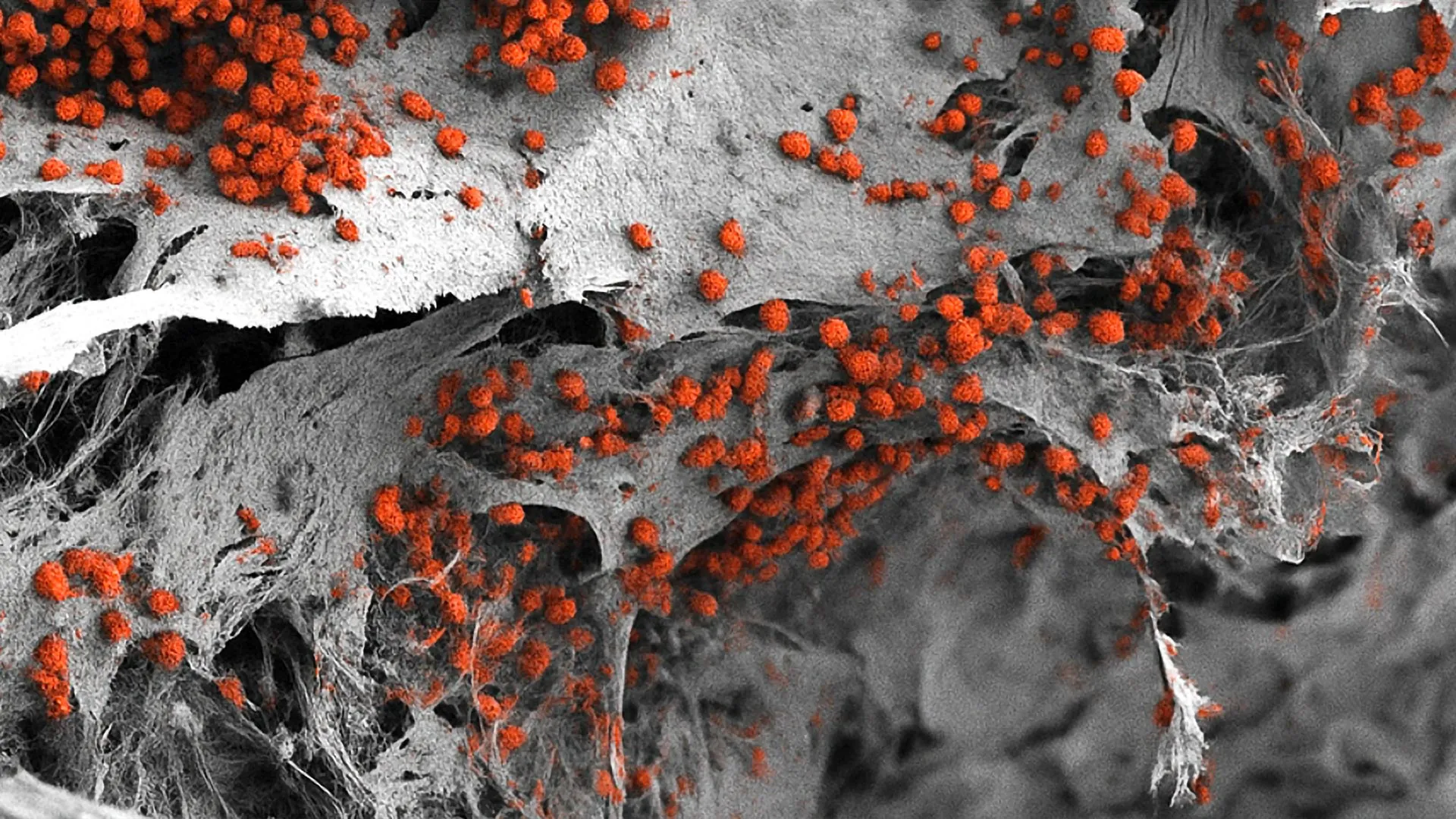
The investigation began with an exploration of the "calvarial bone"—the upper part of the skull. Historically, the skull was viewed as a static, protective shield. However, recent neurological discoveries have identified extremely thin, microscopic channels that connect the skull’s bone marrow directly to the brain’s surface. These channels facilitate a localized exchange of immune cells and molecular signals, bypassing the traditional circulatory route.
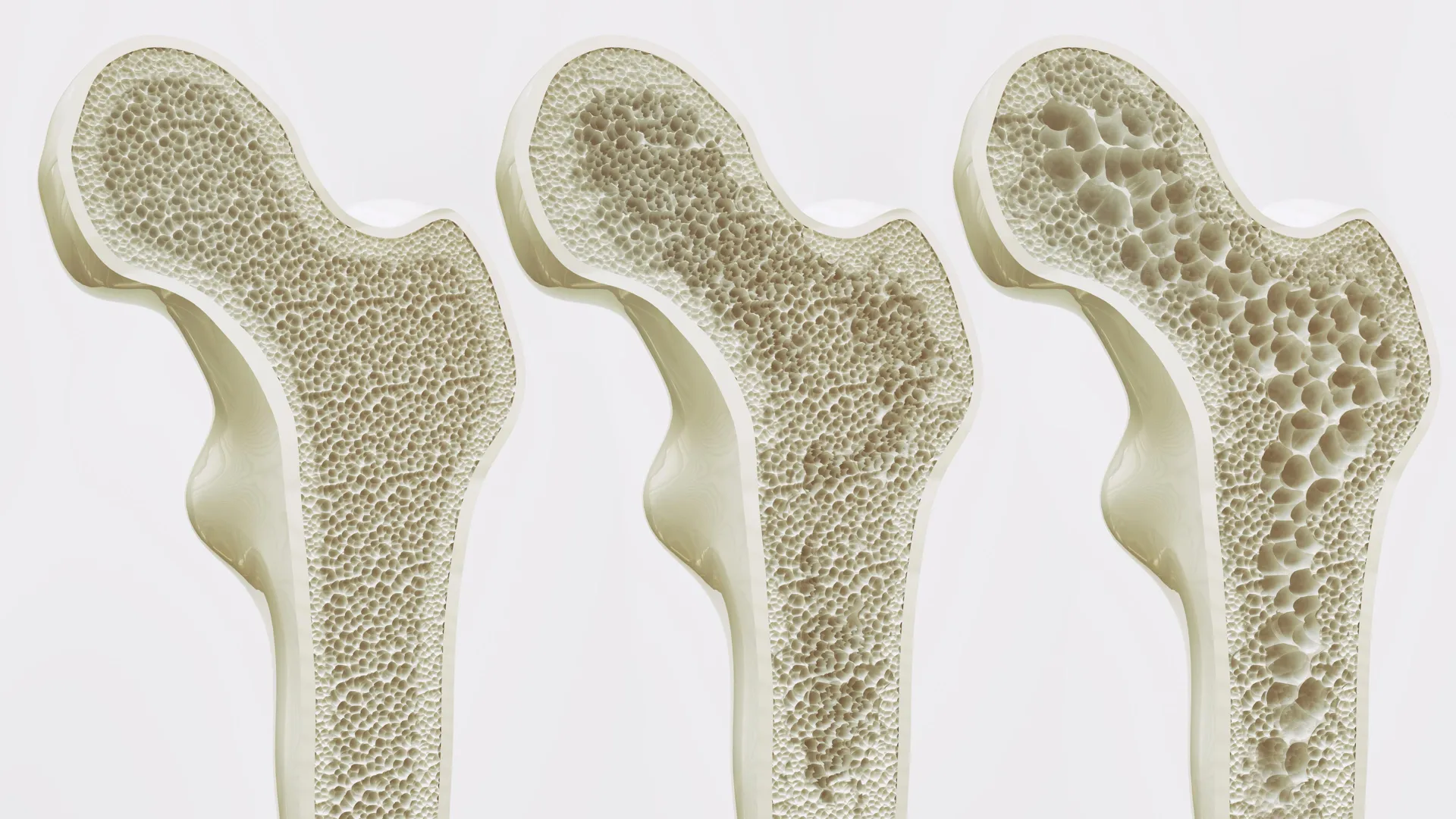
Dr. Behnan’s team sought to determine if glioblastoma exploited these pathways. Using advanced high-resolution imaging and mouse models of two distinct glioblastoma types, the researchers observed a striking phenomenon: the presence of the tumor triggered significant erosion of the skull bone. This erosion was not random; it was concentrated along the sutures—the fibrous joints where the various bones of the skull fuse.
To ensure this was a specific trait of glioblastoma, the team compared these results against other neurological conditions. They found that mice suffering from strokes, traumatic brain injuries, or cancers originating in other parts of the body did not exhibit this specific type of skull degradation. The phenomenon was unique to aggressive brain tumors. To validate these findings in a clinical context, the researchers performed CT scans on human glioblastoma patients. The results mirrored the animal models, showing a measurable reduction in skull thickness in the same regions, suggesting that the tumor was actively "melting" the bone to facilitate its growth and survival.
Data Analysis: The Immune Landscape of Skull Marrow
The most significant impact of this bone erosion is the physical expansion of the channels linking the brain to the skull marrow. As these channels increased in size and number, they allowed the tumor to send biochemical signals directly into the marrow, effectively "reprogramming" the immune cell production at the source.
Using single-cell RNA sequencing, the researchers quantified a dramatic shift in the immune-cell population within the skull marrow. The data revealed a "tilt toward inflammation" that favored the tumor’s survival:
- Myeloid Cell Surge: The levels of pro-inflammatory neutrophils and monocytes nearly doubled. These cells, while typically part of the body’s defense mechanism, can be subverted by tumors to suppress anti-cancer activity and promote blood vessel growth within the malignancy.
- B Cell Depletion: Conversely, the researchers observed the near-total elimination of several types of B cells, including those responsible for producing antibodies. This depletion suggests that the tumor effectively disarms the "memory" and "targeting" branches of the immune system.
- T Cell Interference: While T cells are the primary targets of modern immunotherapy, the altered marrow environment produced fewer "naive" T cells capable of being trained to attack the cancer.
Crucially, the study highlighted a "systemic split" in how different parts of the body reacted. While the skull marrow (proximal to the tumor) was pushed into a hyper-inflammatory state, the marrow in the femur (distal to the tumor) showed a suppression of genes required for immune cell production. This indicates that glioblastoma exerts a sophisticated, dual-action control over the body’s hematopoietic system, tailoring the immune response to its own advantage based on proximity.
The Osteoporosis Drug Paradox: A Critical Clinical Warning
One of the most alarming aspects of the study involves the use of common medications. Because glioblastoma causes bone loss, the researchers tested whether FDA-approved anti-osteoporosis drugs could mitigate the damage. They administered zoledronic acid (a bisphosphonate) and denosumab (a RANKL inhibitor) to the subjects.
While both drugs successfully halted the erosion of the skull bone, the biological consequences were disastrous. In one type of glioblastoma, zoledronic acid actually accelerated tumor progression. Furthermore, both drugs were found to interfere with the efficacy of anti-PD-L1 immunotherapy. Anti-PD-L1 is a "checkpoint inhibitor" designed to take the "brakes" off the immune system, allowing T cells to kill cancer cells. However, when combined with the bone-loss medications, the beneficial effects of the immunotherapy were blocked.
This finding carries immediate implications for clinical practice. Many cancer patients are prescribed bone-strengthening drugs to combat the side effects of radiation or to prevent fractures. The research suggests that for glioblastoma patients, this common intervention could be counterproductive, providing a "shield" for the tumor by preserving the very environment it has manipulated.
Official Responses and Scientific Implications
"Our discovery that this notoriously hard-to-treat brain cancer interacts with the body’s immune system may help explain why current therapies—all of them dealing with glioblastoma as a local disease—have failed," stated Dr. Jinan Behnan. Her perspective is echoed by co-author E. Richard Stanley, Ph.D., who emphasized the need for a "systemic" overhaul of treatment strategies. According to Dr. Stanley, the goal of future medicine should be to restore the "normal balance" of immune cells in the marrow, rather than just attacking the tumor mass in the brain.
The research community has reacted with a mixture of urgency and optimism. The identification of the skull-to-brain channels as a "highway" for pro-inflammatory cells provides a new target for drug delivery and surgical intervention. If scientists can "block the highway" or "re-educate" the marrow within the skull, they may be able to turn the body’s own defenses back against the tumor.
Broader Impact: Towards a New Era of Neuro-Oncology
The implications of this study extend beyond glioblastoma. The realization that the skull is a dynamic participant in brain health and disease opens new avenues for studying other conditions, such as Alzheimer’s disease, multiple sclerosis, and other forms of neuroinflammation.
For glioblastoma specifically, the study suggests several shifts in the research pipeline:
- Revised Clinical Trials: Future trials for immunotherapies must now account for the state of the patient’s skull marrow and any concurrent bone-density treatments.
- Biomarker Development: The erosion of the skull, detectable via standard CT scans, could potentially serve as a biomarker for tumor aggressiveness or a predictor of how a patient will respond to immunotherapy.
- Combination Therapies: Instead of focusing solely on the brain, new treatment protocols may include "marrow-tuning" agents that suppress neutrophils while boosting B and T cell production.
As the medical community processes these findings, the focus shifts from the "local" to the "landscape." By recognizing that glioblastoma is a disease that reshapes the skeletal and immune architecture of the human body, researchers are finally beginning to understand why the fortress of the brain has been so difficult to defend. The path forward lies in treating the patient not just from the neck up, but as an integrated biological system where the bone, the blood, and the brain are inextricably linked in the fight for survival.