For over two and a half centuries, the tales spun by early European explorers painted a vivid picture of the Seychelles archipelago: shores teeming with formidable crocodiles, a testament to the wild, untamed nature of these Indian Ocean islands. These accounts, documented from the mid-17th century onwards, described these reptiles as a common and integral part of the Seychelles’ coastal ecosystem. However, this ancient presence was tragically short-lived. Following the arrival of permanent settlers in 1770, the indigenous crocodile population underwent a precipitous and alarming decline. Within a mere fifty years, the last of these magnificent reptiles had been systematically eradicated from the islands, leaving behind a perplexing ecological void and a historical enigma.
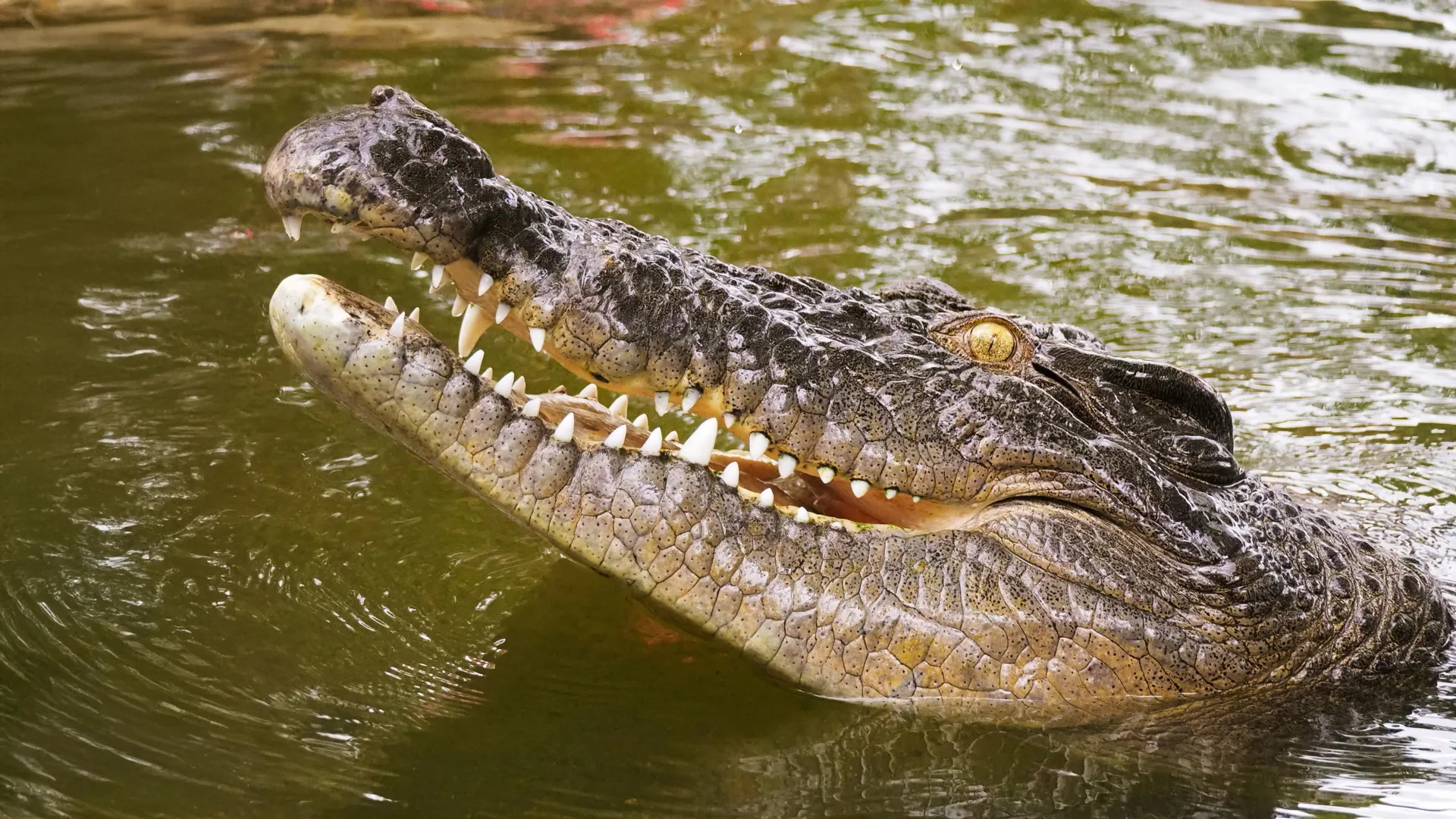
Now, after generations of speculation and uncertainty, a groundbreaking new genetic analysis has finally illuminated the true identity of these long-vanished creatures. The comprehensive study, conducted by an international team of researchers from Germany and the Seychelles, has definitively established that the Seychelles crocodiles were not a distinct, endemic species as some scientific minds had previously theorized. Instead, the genetic evidence unequivocally points to them being the westernmost known population of the formidable saltwater crocodile ( Crocodylus porosus ), the largest living reptile on Earth and an astonishingly capable oceanic voyager. This revelation not only resolves a historical puzzle but also deepens our understanding of the remarkable dispersal capabilities of this apex predator.
Unraveling the Genetic Tapestry: A Deep Dive into Crocodile Ancestry
The pivotal study, published in a leading scientific journal, involved a meticulous comparison of DNA extracted from modern saltwater crocodiles with genetic material painstakingly salvaged from historical museum specimens. The research team, comprising experts in evolutionary biology and herpetology, focused their analysis on mitochondrial genomes – a type of DNA inherited solely from the mother, which is particularly useful for tracing evolutionary lineages and population movements. Among the invaluable samples analyzed were rare genetic fragments belonging to the Seychelles population, which had vanished from the historical record approximately 200 years prior to the study’s initiation.
This advanced genetic investigation has provided robust confirmation of an earlier hypothesis, one that was previously based solely on the morphological characteristics and physical appearance of the few remaining historical specimens. While visual comparisons had suggested a strong affinity with Crocodylus porosus, the definitive genetic evidence now solidifies the connection, demonstrating that the Seychelles crocodiles were intimately linked to saltwater crocodile populations located thousands of kilometers away. This finding underscores the power of molecular biology in resolving long-standing questions in natural history and evolutionary science.
The Ocean’s Highway: How Saltwater Crocodiles Conquered Vast Distances
The saltwater crocodile’s remarkable adaptability for marine environments is a key factor in understanding its extensive geographical range. Unlike many other crocodile species, Crocodylus porosus possesses highly specialized salt glands, located in its tongue. These glands are remarkably efficient at excreting excess salt, a crucial physiological adaptation that allows these reptiles to thrive in saline waters for extended periods. This innate ability to manage salt balance has been instrumental in their evolutionary success, enabling them to traverse immense stretches of coastline and colonize remote islands across vast oceanic expanses.
Dr. Frank Glaw, a renowned reptile expert from the Bavarian State Collections of Natural History (SNSB) and a senior author of the study, highlighted the extraordinary feat of dispersal involved. "The founders of the Seychelles population must have drifted at least 3,000 kilometers across the Indian Ocean to reach the remote archipelago, perhaps even much further," Dr. Glaw stated, emphasizing the incredible distances involved. Scientists theorize that these ancient crocodiles likely embarked on their epic journeys carried by powerful ocean currents, potentially over multiple generations. Through this gradual process of oceanic drift, they eventually established a viable breeding population in the isolated and resource-rich islands of the Seychelles.
Historical Context: The Arrival and Disappearance
The historical records provide a stark timeline of the Seychelles crocodile’s fate. Early explorers, such as the French navigator Lazare Picault in the mid-18th century, documented the presence of "large lizards" and "crocodiles" as a common feature of the islands’ landscape. These accounts suggest a healthy, established population that was likely a natural component of the Seychelles’ pre-colonial ecosystem.
However, the arrival of French settlers in 1770 marked a turning point. The islands were colonized, and the natural resources, including the crocodiles, became subject to exploitation. While the exact methods of extermination are not always precisely detailed in historical accounts, it is widely understood that hunting for skins, meat, and fear of the animals likely contributed to their rapid demise. The ecological balance, disrupted by human intervention, proved unsustainable for the crocodile population. Within approximately fifty years of permanent settlement, the Seychelles crocodiles had been reduced to extinction, a tragic example of human impact on vulnerable wildlife.
A Global Reach: The Saltwater Crocodile’s Enduring Legacy
The genetic findings of this study not only explain the presence of crocodiles in the Seychelles but also underscore the extraordinary mobility of the saltwater crocodile as a species. "The genetic patterns suggest that saltwater crocodile populations remained connected over long periods and across great distances, pointing to the high mobility of this species," explained Dr. Stefanie Agne, the study’s first author from the University of Potsdam. This connectivity across vast geographical barriers is a defining characteristic of Crocodylus porosus.
Prior to the unfortunate eradication of the Seychelles population, the saltwater crocodile boasted an even more extensive historical range. Its distribution stretched across an astonishing expanse of over 12,000 kilometers, from the distant islands of Vanuatu in the Pacific Ocean all the way to the Seychelles in the Indian Ocean. This immense geographical footprint firmly establishes the saltwater crocodile as one of the most widely distributed reptiles on the planet, a testament to its evolutionary resilience and remarkable ability to adapt and disperse.
Supporting Data and Ecological Significance
The successful establishment of a saltwater crocodile population on the Seychelles, a remote archipelago of granite and coral islands, is a significant biological event. The nearest mainland populations of saltwater crocodiles are found in Madagascar and East Africa, both separated by hundreds, if not thousands, of kilometers of open ocean. The genetic analysis provides concrete evidence of the dispersal routes and connectivity between these geographically disparate populations.
The ecological role of apex predators like crocodiles is crucial for maintaining the health and balance of their ecosystems. In the Seychelles, their absence likely led to cascading effects within the coastal and marine environments. While detailed studies on the precise ecological impact of their eradication in the Seychelles are scarce due to the rapid nature of their disappearance, the general principles of predator-prey dynamics suggest potential shifts in prey populations and changes in habitat structure.
Broader Implications: Conservation and Understanding Dispersal
The implications of this research extend beyond solving a historical mystery. It provides invaluable data for contemporary conservation efforts aimed at protecting saltwater crocodile populations across their current range. Understanding the historical dispersal patterns and genetic connectivity of this species is crucial for effective conservation strategies, particularly in managing fragmented populations and identifying potential corridors for gene flow.
The study’s findings also contribute to our broader understanding of marine dispersal mechanisms for terrestrial and semi-aquatic species. The saltwater crocodile serves as a compelling case study for how large reptiles can successfully colonize and maintain populations on isolated islands, highlighting the importance of oceanic currents and the inherent adaptability of certain species.
While the Seychelles population is irrevocably lost, the scientific community’s ability to now definitively identify and understand its origins offers a profound lesson. It underscores the importance of scientific inquiry in piecing together ecological histories and the critical role of genetic analysis in resolving complex biological puzzles. The story of the Seychelles crocodiles, from their ancient presence to their tragic demise and eventual scientific identification, serves as a poignant reminder of the dynamic nature of ecosystems and the enduring impact of human activity on the natural world. The legacy of Crocodylus porosus continues to captivate, a testament to its resilience and its remarkable journey across the world’s oceans.