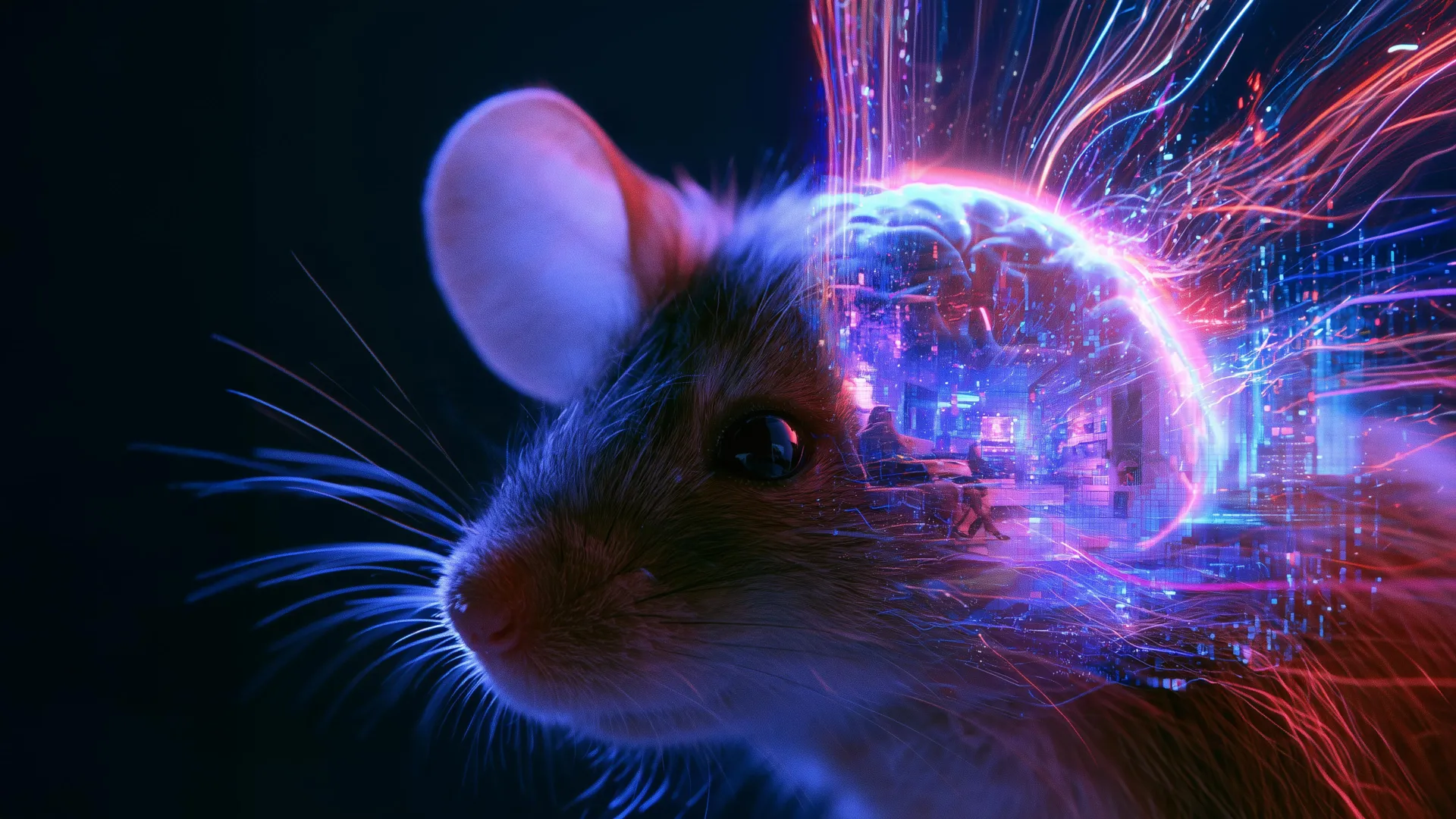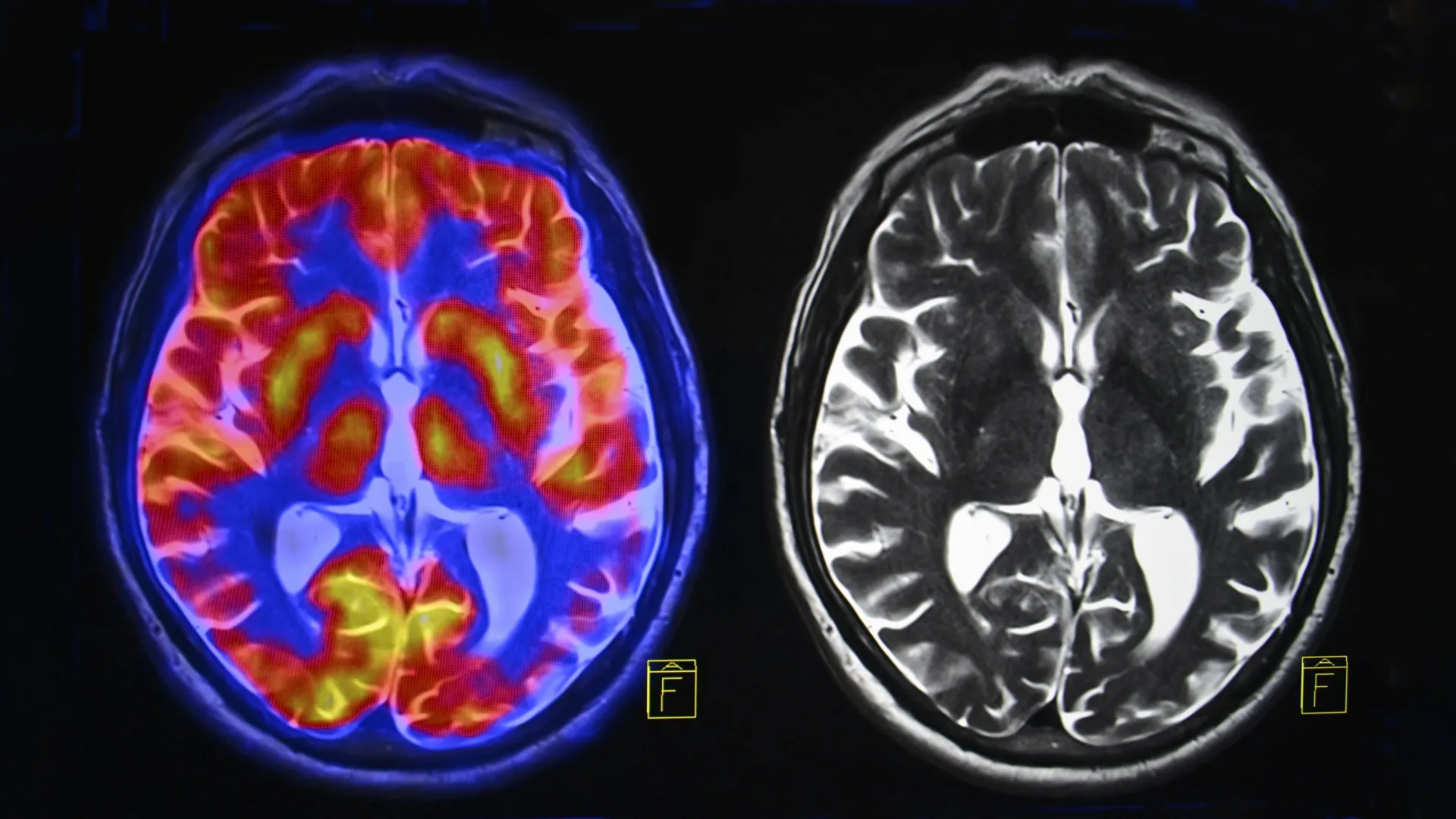
In a landmark development for neurodevelopmental research, an international consortium of scientists has uncovered evidence suggesting that autism is not a single monolithic condition but rather a collection of distinct biological subtypes. By utilizing advanced functional magnetic resonance imaging (fMRI) and comparative mouse models, the research team identified two primary neurological signatures that define how the brain communicates across different regions. One subtype is characterized by hyperconnectivity—an unusually high level of neural synchronization—while the other exhibits hypoconnectivity, or reduced communication between brain areas. This discovery, published in the journal Nature Neuroscience, represents a significant leap toward the realization of precision medicine for individuals on the autism spectrum.
The study, a collaborative effort led by the Istituto Italiano di Tecnologia (IIT) in Rovereto, Italy, and the Child Mind Institute in New York, involved a massive synthesis of data across species. By mapping the brain activity of 940 human participants against 20 different mouse models of autism, researchers were able to pinpoint the molecular drivers behind these connectivity patterns. The findings suggest that these different "wiring" profiles are rooted in specific biological systems: one tied to the brain’s immune response and the other to the functioning of synapses, the junctions where neurons communicate.
Bridging the Gap Between Behavior and Biology
For decades, the diagnosis of Autism Spectrum Disorder (ASD) has relied almost exclusively on behavioral observations. Clinicians look for patterns in social communication, repetitive behaviors, and sensory sensitivities. However, the sheer variety of symptoms—often referred to as the "spectrum"—has made it difficult to develop standardized treatments. While two individuals may both receive an ASD diagnosis, their underlying biology might be entirely different, explaining why a therapy that works for one person may fail for another.
The research coordinated by Alessandro Gozzi, PhD, of the IIT’s Center for Neuroscience and Cognitive Systems, and Adriana Di Martino, MD, of the Child Mind Institute, addresses this "heterogeneity problem." By moving beyond behavior and looking directly at the brain’s functional architecture, the team sought to find the "hidden" categories within the spectrum. The study posits that the diversity of autism symptoms is a direct reflection of these distinct biological pathways.
"For decades, we’ve observed tremendous variability in how autism manifests, but we lacked direct evidence that these differences reflected distinct underlying biology," Dr. Gozzi stated. The team’s approach allowed them to isolate genetic and immune factors in controlled environments and then translate those signatures to human brain scans, effectively proving that different connectivity patterns encode different mechanistic pathways.
The Methodology: A Biological Rosetta Stone
The study’s innovative design utilized what researchers called a "biological Rosetta Stone." The process began with the examination of 20 different mouse models, each genetically modified to represent a known risk factor or genetic mutation associated with autism. By performing fMRI scans on these mice, the researchers could observe exactly how specific genetic changes altered brain connectivity.
Following the animal trials, the team turned to the Autism Brain Imaging Data Exchange (ABIDE), a global initiative co-founded by Dr. Di Martino. This database provided fMRI scans from 940 children and young adults with autism, as well as a control group of over 1,000 neurotypical individuals. By comparing the mouse signatures with the human data, the researchers identified a striking correlation.
The analysis revealed that approximately 25% of the human participants could be clearly categorized into one of the two identified subtypes. The first group showed "hypoconnectivity," where distant regions of the brain fail to synchronize effectively. This pattern was linked to mutations in genes governing synaptic pathways—the "hardware" of neural communication. The second group showed "hyperconnectivity," where brain regions are excessively linked. This pattern was surprisingly associated with immune-related biological systems, suggesting that neuroinflammation or immune signaling plays a primary role in how certain brains are wired.
Data Deep Dive: Hyperconnectivity and the Immune Link
One of the most significant findings of the study is the strong association between hyperconnectivity and the immune system. In the hyperconnected group, brain regions showed an intense level of synchronized activity, particularly in areas associated with sensory processing and internal thought. When researchers analyzed the gene expression in these areas, they found an enrichment of genes related to the body’s immune response.
This finding aligns with a growing body of research suggesting that the brain’s immune cells, known as microglia, play a crucial role in "pruning" neural connections during development. If this pruning process is disrupted by immune system dysfunction, it can lead to an overabundance of connections, resulting in the hyperconnectivity observed in the fMRI scans. Interestingly, individuals in this group tended to score higher on standard assessments of autism severity, suggesting that immune-driven wiring may lead to more pronounced clinical symptoms.
Conversely, the hypoconnected group showed a deficit in long-range communication between brain regions. This group was linked to synaptic genes—those responsible for the proteins that allow neurons to send and receive chemical signals. In these cases, the "software" of the brain appears to be the primary site of divergence, leading to a different set of neurological challenges.
Historical Context and the Evolution of ASD Diagnosis
The shift toward a biological classification of autism marks a major turning point in the history of the disorder. In the mid-20th century, autism was often erroneously attributed to environmental factors or "refrigerator mothers"—a theory that has since been thoroughly debunked. By the 1980s and 90s, the focus shifted to genetics, but the search for a single "autism gene" proved unsuccessful. Instead, researchers found hundreds of different genetic variations that could contribute to the condition.
In 2013, the American Psychiatric Association’s DSM-5 folded several previously distinct diagnoses—including Asperger’s Disorder and Pervasive Developmental Disorder-Not Otherwise Specified (PDD-NOS)—into the single umbrella of Autism Spectrum Disorder. While this helped standardize diagnosis, it also highlighted the need to understand the vast differences within that umbrella. The new research from IIT and the Child Mind Institute provides the first concrete evidence that the "spectrum" can be broken down into quantifiable biological categories.
Official Responses and Scientific Impact
The scientific community has reacted to the study with cautious optimism, viewing it as a roadmap for future clinical trials. Dr. Adriana Di Martino emphasized that these brain-based biological markers reveal distinctions that current behavioral assessments simply cannot capture. "The mouse models gave us a biological ‘Rosetta Stone,’" she said. "We could see which biological pathways drive which connectivity signatures, then search for those same patterns in humans."
The fact that these subtypes were reproducible across dozens of independent research sites globally provides a level of validation rarely seen in neuroimaging studies. "Finding the same subtypes reproducible across dozens of independent research sites was critical validation," added Dr. Gozzi. This consistency suggests that the connectivity patterns are robust biological features rather than artifacts of a specific study or location.
Implications for Treatment and Precision Medicine
The discovery of these subtypes has profound implications for the future of autism care. Currently, treatments for autism are largely behavioral or involve medications that address secondary symptoms like anxiety or ADHD. There is no "cure" for the core symptoms of autism, partly because a medication that targets a synaptic pathway may be useless for an individual whose autism is driven by an immune system imbalance.
By identifying which subtype a patient belongs to, doctors could eventually tailor interventions to the specific underlying cause. For example:
- Immune-targeted therapies: Individuals in the hyperconnected group might benefit from anti-inflammatory treatments or medications that modulate microglial activity.
- Synaptic-targeted therapies: Those in the hypoconnected group might respond better to drugs that enhance synaptic plasticity or neurotransmitter balance.
Furthermore, this research could revolutionize clinical trials. Many previous trials for autism drugs have failed because they were tested on a heterogeneous group of participants. If researchers can pre-screen participants to ensure they all share the same biological subtype, the likelihood of finding an effective treatment increases significantly.
Future Directions and the Remaining Spectrum
Despite the breakthrough, the researchers are quick to point out that this is only the beginning. The two subtypes identified—synaptic hypoconnectivity and immune-related hyperconnectivity—accounted for about 25% of the study’s participants. This leaves 75% of the autistic population whose biological signatures have yet to be categorized.
The research team believes that as datasets grow even larger and analytical methods like machine learning and artificial intelligence continue to improve, additional subtypes will emerge. The goal is to eventually map the entire spectrum, providing a comprehensive "atlas" of autism’s biological diversity.
The study was supported by an extensive network of international funding and collaboration, including the Simons Foundation Autism Research Initiative, the European Research Council, and the US National Institute of Mental Health. This global support underscores the importance of the findings. As science moves closer to understanding the intricate wiring of the human brain, the hope is that every individual on the autism spectrum will one day receive a diagnosis that is as unique and precise as their own biology.