A breakthrough in skeletal biology has emerged from the Institute of Science Tokyo, where researchers have identified a previously misunderstood protein as a master regulator of bone health. The study, led by Professor Tomoki Nakashima of the Faculty of Dentistry, reveals that the protein Family with Sequence Similarity 102 Member A, commonly known as Fam102a, plays a dual role in managing the life cycles of both bone-forming and bone-dissolving cells. This discovery, published in the prestigious journal Nature Communications on January 2, 2025, provides a missing link in our understanding of bone homeostasis and opens a significant new pathway for the development of anabolic and anti-resorptive therapies to treat osteoporosis and other degenerative bone diseases.
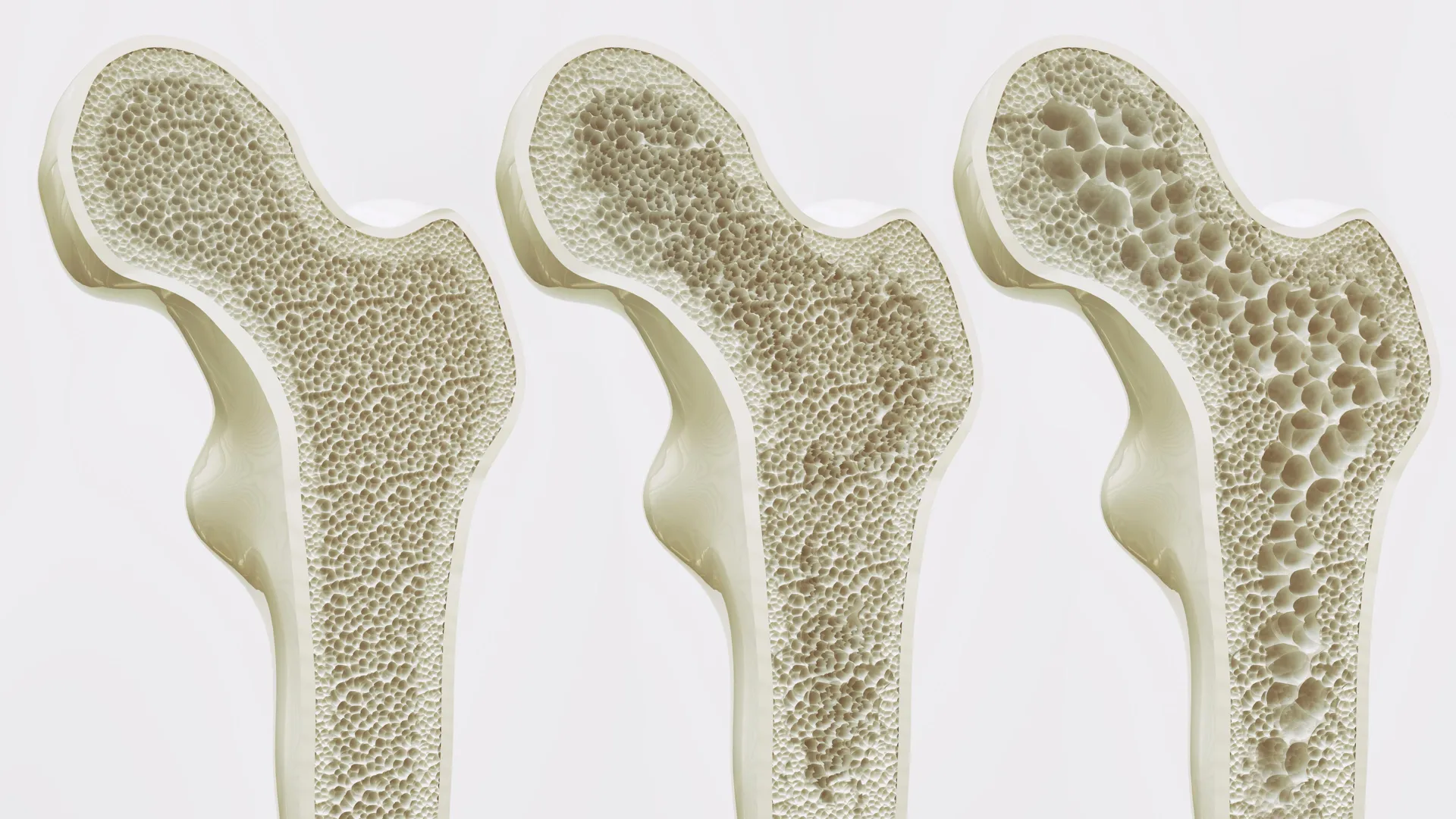
The human skeleton is far from a static framework; it is a dynamic, living organ system that undergoes continuous renewal through a process called remodeling. This process relies on a delicate equilibrium between osteoblasts, which synthesize new bone matrix, and osteoclasts, which break down old or damaged bone tissue. When this balance is disrupted—typically due to aging, hormonal changes, or genetic factors—the rate of bone resorption outpaces formation, leading to the porous and brittle bone structure characteristic of osteoporosis. While modern medicine has developed several treatments to manage this condition, most existing drugs focus on either stopping bone loss or promoting growth, rarely addressing the synchronized regulation of both cell types simultaneously.
The Quest for a Universal Bone Regulator
The research team at Science Tokyo began their investigation with a fundamental question: are there undiscovered "master switches" that control the differentiation of both osteoblasts and osteoclasts? While decades of research have mapped out separate signaling pathways for these cells—such as the RANKL pathway for osteoclasts and the Wnt signaling pathway for osteoblasts—common regulatory factors remain elusive.
To solve this puzzle, Professor Nakashima and his colleagues performed an exhaustive genetic screen. They analyzed gene expression patterns in specialized cells derived from mice, specifically looking for genes that fluctuated significantly during the early stages of bone cell development. By employing high-throughput sequencing and advanced bioinformatics, the team identified the Fam102a gene as a central node in the regulatory network.
"Initially, we carried out in-depth analyses of gene expression patterns of cells derived from mice with specific changes in DNA sequence," Professor Nakashima stated regarding the study’s methodology. "The gene expression profile in these cells lacking key transcription factors showed that the Fam102a gene was central to regulating both osteoclast and osteoblast differentiation."
Unraveling the Molecular Mechanism of Fam102a
Once Fam102a was identified as a candidate, the researchers sought to understand how a single protein could influence two diametrically opposed cellular processes. Their investigation led them to the "command center" of the cell: the nucleus. For a cell to transform into a mature osteoblast or osteoclast, specific genetic instructions must be activated. These instructions are delivered by transcription factors—proteins that enter the nucleus to "turn on" specific genes.
The study revealed that Fam102a acts as a critical facilitator for this nuclear entry. In the case of osteoblasts, Fam102a was found to interact with Karyopherin Subunit Alpha 2 (Kpna2), a specialized transport protein that shuttles molecules across the nuclear membrane. Together, Fam102a and Kpna2 ensure that Runt-related Transcription Factor 2 (Runx2), the primary driver of bone formation, reaches its destination inside the nucleus. Without Fam102a, Runx2 remains stranded in the cytoplasm, unable to trigger the expression of Osterix, another protein essential for building bone.
Further biochemical analysis using co-immunoprecipitation assays—a method that allows scientists to see which proteins are "shaking hands" within a cell—confirmed this physical interaction. The team also identified a secondary axis involving Recombination Signal Binding Protein for Immunoglobulin κ J Region-like (Rbpjl). In cells where Fam102a was absent, Rbpjl levels plummeted, further stalling the differentiation of osteoblasts.
Evidence from Genetic Models: The Osteoporosis Connection
To validate these laboratory findings in a living organism, the researchers developed a strain of "knockout" mice lacking the Fam102a gene. The results were stark and provided definitive evidence of the protein’s systemic importance.
The Fam102a-deficient mice exhibited a phenotype nearly identical to human osteoporosis. Micro-CT imaging and histological analysis revealed a significant reduction in bone mineral density and trabecular bone volume. Because these mice lacked the "trafficking" assistance of Fam102a, their bodies could not produce enough mature osteoblasts to maintain the skeletal structure. Simultaneously, the regulation of osteoclasts was haywire, leading to an environment where bone was being lost far faster than it could be replaced.
This animal model serves as a powerful proof of concept. It demonstrates that Fam102a is not merely a bystander in bone biology but a structural necessity. The absence of this single protein was enough to trigger a rapid decline in skeletal integrity, suggesting that maintaining or enhancing Fam102a activity could be a viable strategy for preventing bone loss in humans.
Supporting Data: The Global Burden of Bone Disease
The implications of the Science Tokyo study are underscored by the growing global health crisis surrounding bone health. Osteoporosis is often referred to as a "silent epidemic" because it progresses without symptoms until a fracture occurs. According to data from the International Osteoporosis Foundation (IOF), approximately one in three women and one in five men over the age of 50 will experience an osteoporotic fracture in their lifetime.
In the United States alone, the economic burden of bone fractures is estimated to exceed $19 billion annually, a figure expected to rise as the "baby boomer" generation ages. Current pharmacological interventions, such as bisphosphonates, are effective at slowing bone resorption but are often associated with long-term side effects like atypical femoral fractures or osteonecrosis of the jaw. Newer anabolic agents that build bone, such as teriparatide, are expensive and require daily injections.
The discovery of the Fam102a-Kpna2-Runx2 pathway offers a potential target for a new class of "dual-action" drugs. By modulating a protein that naturally balances both sides of the remodeling equation, researchers hope to develop treatments that are more holistic and have fewer side effects than current localized inhibitors.
Scientific and Institutional Reactions
The publication of this research has sparked significant interest within the global orthopedic and endocrinology communities. While independent experts have not yet begun clinical trials based on these findings, the reception of the paper in Nature Communications suggests a high level of confidence in the data’s robustness.
Colleagues in the field of molecular biology have noted that the study’s focus on nuclear trafficking (the transport of proteins into the nucleus) represents a relatively new frontier in bone research. Most previous studies focused on surface receptors or extracellular signaling. By looking at how the "blueprints" for bone are physically moved into the cell’s engine room, Nakashima’s team has provided a more granular view of cellular development.
"This study sheds light on the critical molecular interactions involved in the bone remodeling process," Professor Nakashima concluded. "Our findings advance our understanding of bone metabolism and can aid the development of innovative osteoporosis therapies."
Future Implications and Chronology of Development
The journey from a laboratory discovery to a pharmacy shelf is long, typically spanning 10 to 15 years. However, the identification of Fam102a provides a clear roadmap for future drug discovery.
The chronology of next steps is expected to follow a standard pharmaceutical development cycle:
- 2025–2027: Small molecule screening to identify compounds that can stabilize or mimic the activity of Fam102a.
- 2027–2029: Expanded animal testing to ensure that enhancing Fam102a does not have adverse effects on other organ systems, as Runx2 and Kpna2 are present in other tissues.
- 2030 and beyond: Phase I clinical trials to assess safety in human subjects, followed by efficacy trials in patients with diagnosed osteopenia or osteoporosis.
Beyond osteoporosis, the research may have implications for dental medicine—a fitting connection given Professor Nakashima’s affiliation with the Faculty of Dentistry. The ability to regulate osteoblast differentiation is crucial for jawbone regeneration following tooth loss or reconstructive surgery. It also holds promise for treating rare genetic bone disorders and accelerating the healing of complex fractures in trauma patients.
As the world’s population continues to age, the demand for sophisticated bone-maintenance therapies will only intensify. The work coming out of Science Tokyo represents a vital step forward in ensuring that an aging population can maintain not just their longevity, but their mobility and quality of life. By decoding the "traffic patterns" of bone cells, Nakashima and his team have laid the groundwork for a future where fragile bones may no longer be an inevitable consequence of growing old.