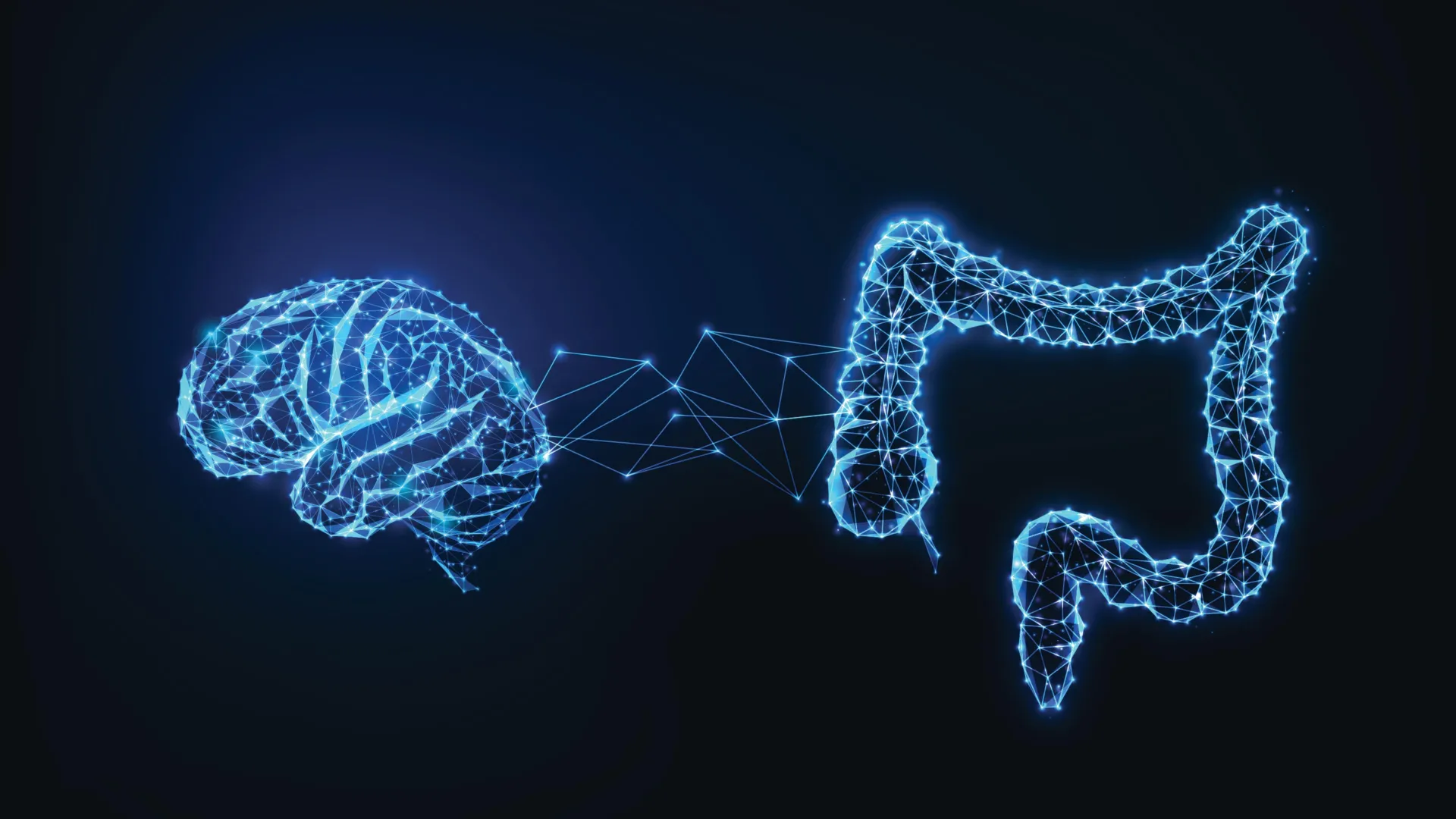
In a landmark study that redefines our understanding of dietary regulation, a team of researchers has identified a sophisticated, two-tier communication system between the gut and the brain that specifically monitors protein intake. Led by Director SUH Seong-Bae of the Center for Microbiome-Body-Brain Physiology at the Institute for Basic Science (IBS), in collaboration with scientists from Seoul National University and Ewha Womans University, the research provides a definitive look at how animals detect nutrient deficiencies and adjust their behavior to ensure survival. The findings, published in the prestigious journal Science on May 21, demonstrate that the gut acts as a primary sensory organ, utilizing both rapid neural signals and sustained hormonal releases to guide an organism toward essential amino acids while simultaneously suppressing the desire for carbohydrates.
The biological necessity of protein cannot be overstated. Unlike carbohydrates and fats, which primarily serve as energy sources, proteins are the source of essential amino acids—compounds that the body cannot synthesize on its own and must obtain through diet. These amino acids are the fundamental building blocks for muscle tissue, enzymes, neurotransmitters, and immune system components. For decades, the scientific community has observed a phenomenon known as "protein leverage," where animals—including humans—will continue to consume food until their specific protein requirements are met, even if it leads to an overconsumption of calories. However, the exact physiological "sensor" that alerts the brain to a protein deficit has remained one of the most elusive puzzles in nutritional neuroscience.
The Dual-Pathway Mechanism of Nutrient Sensing
The research team’s most significant discovery is that the body does not rely on a single signal to manage protein hunger. Instead, it employs a coordinated "fast-and-slow" strategy. When the digestive tract detects a lack of essential amino acids, it initiates two distinct but complementary pathways. The first is a rapid-response system that utilizes the nervous system. This pathway functions like a direct wire from the gut to the brain, providing near-instantaneous feedback that the current nutritional intake is inadequate. This immediate alert allows the animal to pivot its foraging or feeding behavior in real-time.
The second pathway is a slower, endocrine-based system. It involves the release of hormones into the bloodstream, which travel to the brain over a longer period. This hormonal signal serves to sustain the "protein-seeking" state, ensuring that the drive to find amino acids remains high until the deficiency is fully corrected. By utilizing both a "wired" neural connection and a "wireless" hormonal broadcast, the body ensures that the message of nutritional deficiency is both received quickly and remembered long enough to influence long-term dietary choices.
To map these circuits, the researchers turned to Drosophila melanogaster, or the common fruit fly. Despite their small size, fruit flies possess highly specialized neural circuits that mimic many aspects of mammalian feeding behavior, making them an ideal model for genetic and neurological mapping. Through a combination of advanced brain imaging, behavioral assays, and precise genetic manipulations, the team identified a specific peptide hormone known as CNMa as the central messenger in this process.
The Role of CNMa and Enteric Neurons
The study revealed that specialized cells within the intestine are responsible for monitoring the amino acid content of passing food. When these cells detect a protein shortage, they secrete the CNMa peptide. This hormone performs a dual role. First, it activates enteric neurons—nerve cells located within the walls of the gastrointestinal tract—which are directly connected to the brain. This activation triggers the rapid neural signal that alerts the fly to its nutritional status.
Simultaneously, the CNMa secreted into the hemolymph (the insect equivalent of blood) acts as a traditional hormone. It circulates through the body and reaches the brain, where it reinforces the protein-seeking drive. This dual functionality explains how the gut can provide both an immediate "reflex-like" change in feeding preference and a long-lasting metabolic drive. Director Suh Seong-Bae emphasized that this discovery shifts the paradigm of the gut’s role in the body, noting that it is far more than a tube for digestion; it is an active, intelligent sensory system that continuously monitors the body’s internal chemical environment to guide complex behavioral decisions.
Shifting Cravings: From Sugar to Protein
One of the most intriguing aspects of the study is how these gut signals fundamentally alter the animal’s perception of taste and reward. The researchers found that the activation of the CNMa pathway does not merely make the animal hungrier in a general sense. Instead, it specifically recalibrates the brain’s "wanting" system. When protein levels are low, the signaling network increases the animal’s attraction to protein-rich foods while actively reducing its interest in sugar.
This shift is mediated by the interaction between CNMa and a group of sugar-sensitive brain cells called DH44 neurons. In a well-nourished state, DH44 neurons drive the consumption of carbohydrates, which are a primary energy source. However, the study found that CNMa signaling suppresses the activity of these sugar-seeking neurons. This "zero-sum" neurological switch ensures that the animal does not waste time or stomach capacity on sugar when its primary physiological need is protein. This explains why, in many species, a protein-starved individual will ignore easily accessible sweets in favor of more difficult-to-find protein sources.
The Microbiome Factor
The research also delved into the role of the gut microbiome, the vast community of bacteria living within the digestive tract. By comparing normal fruit flies with "axenic" flies (those raised to be entirely germ-free), the team discovered that the microbiome plays a significant regulatory role in protein sensing. Fruit flies lacking their natural gut microbes exhibited a much more intense activation of amino acid-seeking neurons in the brain.
This suggests that a healthy microbiome may help provide a "buffer" for the host, either by synthesizing certain amino acids themselves or by modulating the sensitivity of the gut-brain signaling axis. When the microbiome is absent or imbalanced, the body’s internal alarm system for protein deficiency becomes hyper-sensitized. This finding adds another layer of complexity to the relationship between gut health and dietary habits, suggesting that the bacteria we carry may influence our daily food cravings more than previously realized.
Cross-Species Evidence and the FGF21 Discovery
To determine if these findings were applicable beyond insects, the researchers conducted parallel experiments in mice. The results confirmed that the drive for protein is a deeply conserved biological trait. Mice deprived of essential amino acids showed a rapid and powerful preference for protein-rich diets, mirroring the behavior seen in the fruit flies.
A particularly surprising discovery emerged during the mammalian trials regarding FGF21 (Fibroblast Growth Factor 21). For years, FGF21 has been considered the primary hormone responsible for regulating protein appetite in mammals, typically released by the liver in response to low-protein intake. However, the IBS-led study found that even mice genetically engineered to lack FGF21 still exhibited a strong, persistent drive to seek out amino acids when deficient.
This revelation indicates that the FGF21 pathway is only part of a much larger, more redundant system. The existence of additional, unidentified nutrient-sensing mechanisms suggests that the body views protein acquisition as so critical to survival that it has evolved multiple fail-safes to ensure the brain receives the message. The gut-brain signaling network identified in this study likely represents one of these fundamental, perhaps even more primary, sensing systems.
Chronology of the Research and Institutional Impact
The project represents several years of interdisciplinary work, combining the expertise of the Center for Microbiome-Body-Brain Physiology at IBS with the molecular biology and behavioral science departments at Seoul National University and Ewha Womans University. The timeline of the study involved initial mapping of fly neurons, followed by the identification of the CNMa peptide, and finally the validation of these circuits through CRISPR-based genetic editing and mouse model comparisons.
The publication of this data in Science marks a significant milestone for South Korean biological research, positioning the Institute for Basic Science at the forefront of the global "gut-brain axis" field. The collaboration between these top-tier institutions highlights a growing trend in science where complex behavioral questions are answered through a fusion of microbiology, neurology, and endocrinology.
Implications for Public Health and Metabolic Disease
The implications of this research extend far beyond basic biology, offering potential insights into the global obesity epidemic and metabolic disorders. Modern ultra-processed diets are often high in fats and sugars but low in high-quality protein. According to the "Protein Leverage Hypothesis," this nutritional imbalance may be driving overeating, as individuals consume excess calories in a biological attempt to reach their protein requirements.
By identifying the specific gut-brain signals that control these cravings, scientists may be able to develop new therapeutic strategies. Current weight-loss and appetite-suppressant drugs, such as GLP-1 agonists, focus largely on general satiety and glucose regulation. However, Director Suh Seong-Bae noted that understanding the natural signals produced by the gut to influence the brain could lead to more targeted treatments for eating disorders and metabolic diseases.
"Most current obesity and appetite-control drugs rely on gut hormone signaling, yet we still know relatively little about how naturally produced gut signals influence the brain and behavior," Suh stated. "This study reveals fundamental principles of nutrient selection by the gut-brain axis and provides a foundation for future therapeutic strategies targeting metabolic and feeding disorders."
Furthermore, the discovery could lead to personalized nutrition plans based on an individual’s microbiome composition or gut-brain sensitivity. If some individuals have a "muffled" protein signal due to microbiome imbalances or genetic factors, they may be predisposed to overeating carbohydrates.
A New Perspective on Evolutionary Biology
From an evolutionary standpoint, the study highlights the "intelligence" of the digestive system. In the wild, food sources are unpredictable and rarely balanced. An animal that cannot distinguish between "feeling full" and "getting the right nutrients" would quickly succumb to malnutrition despite having a full stomach. The ability of the gut to prioritize amino acids over sugar ensures that organisms maintain the structural integrity of their bodies even in resource-scarce environments.
This research reinforces the idea that the brain is not the sole arbiter of behavior. Instead, the brain acts as an executive officer that makes decisions based on a constant stream of high-resolution data provided by the "sensory" gut. As science continues to peel back the layers of the gut-brain axis, it is becoming increasingly clear that our dietary "choices" are often the result of a complex internal dialogue between our intestines and our neurons—a dialogue that has been fine-tuned over millions of years of evolution to ensure that the body gets exactly what it needs to survive.